Attractions and Places To See around Hedleyhope - Top 20
Best attractions and places to see around Hedleyhope include natural features and historical sites within this County Durham village. Hedleyhope is known for Hedleyhope Fell, a significant mid-altitude heathland offering diverse landscapes and wildlife. The area, historically a coal mining village, provides opportunities to explore both natural environments and remnants of its industrial past. Visitors can find walking and cycling routes that highlight the region's varied terrain.
Best attractions and places to see around Hedleyhope
- The most popular attractions is…
Last updated: October 7, 2026
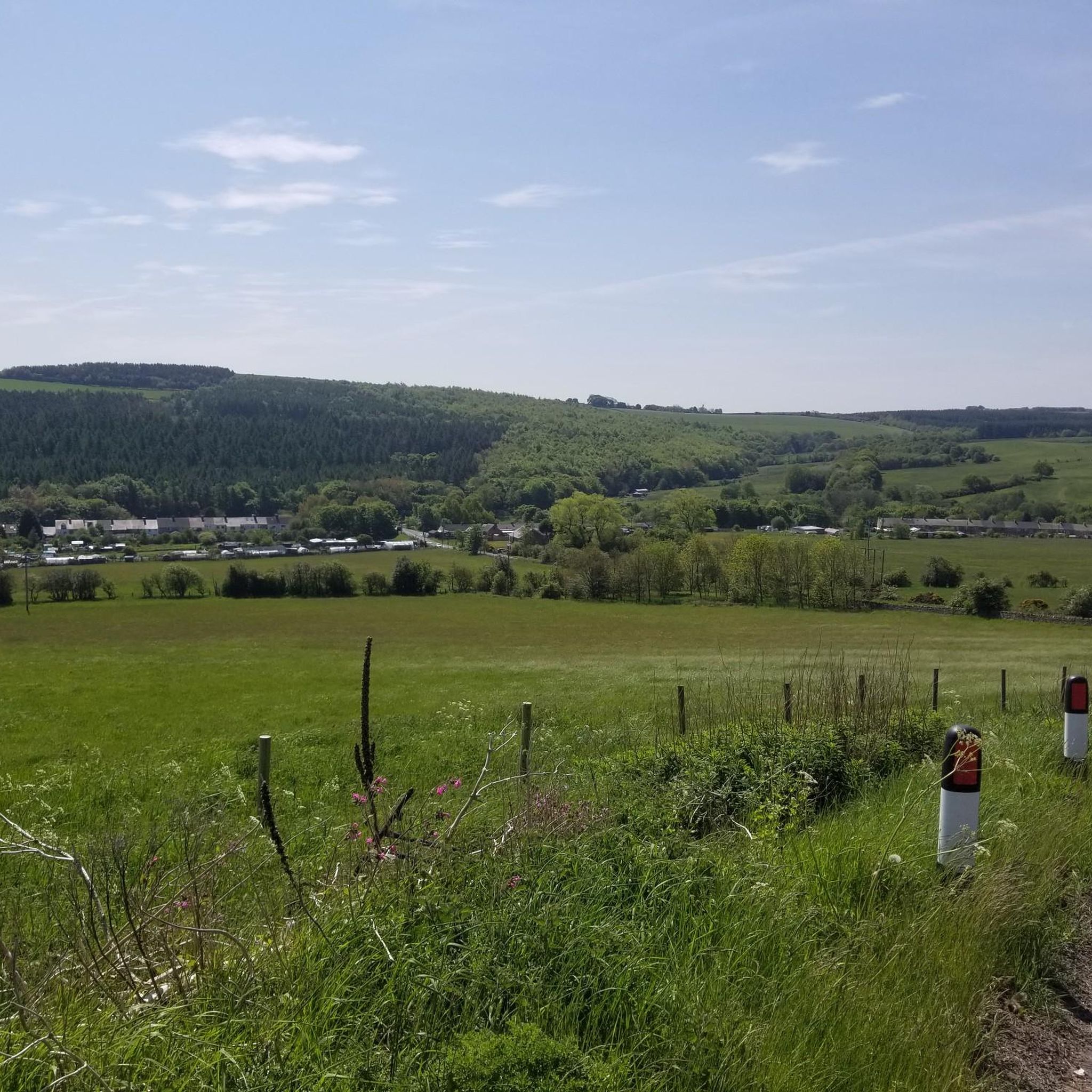
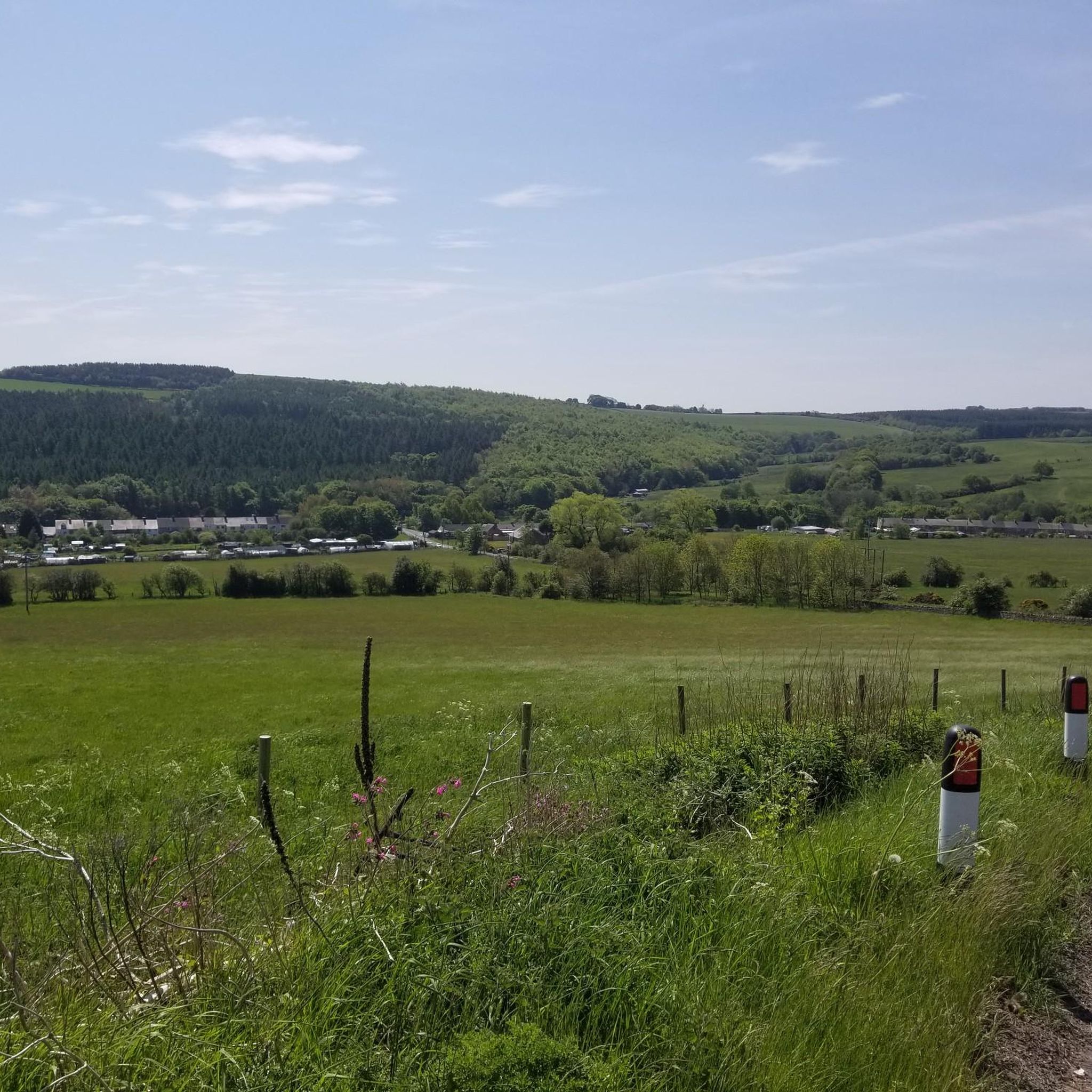
Waskerley Way
Highlight (Segment) • Cycleway
Tip by

Hownsgill Viaduct
Highlight • Cycleway
Tip by
Sign up now to discover places like this
Get recommendations on the best single tracks, peaks, & plenty of other exciting outdoor places.
Terris Novalis Sculptures
Highlight • Viewpoint
Tip by

Hamsterley Forest Café
Highlight • Cafe
Tip by

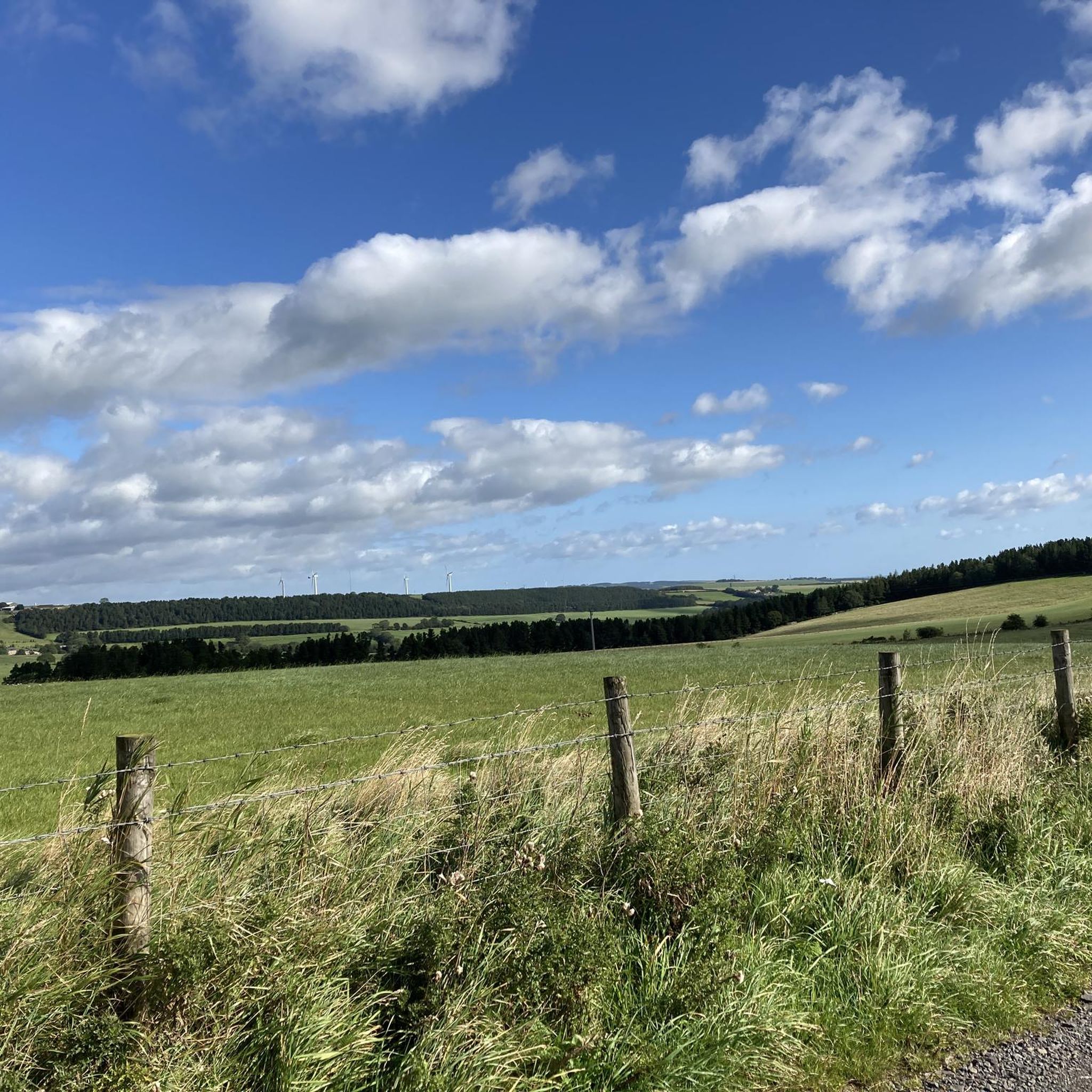
Lanchester Valley Way
Highlight • Trail
Lanchester and Knitsley farm provide opportunities to take in refreshments, likewise, when you get there Parkhead …
Tip by

Sign up for free to discover even more attractions around Hedleyhope.
Already have an account?
Start today with a free account
Your next adventure awaits.
Tips from the Community

great for food and drink before or after your visit to the forest
2
0


From Hownsgill Viaduct you can see for miles around whilst standing on the old railway bridge. The actual bridge has elevated side wall protector barriers, this to stop anything going over the side, the drop below is considerably higher than a house. There were high winds on the bridge on the day I rode over, the barriers also protect from the weather. You get very good views over both sides of the bridge.
0
0


Viaduct is now open, the paving is slightly bumpy though!
0
0


Hamsterley cafe is a great place for pot ot and sandwiches
0
0

This sculpture consists of two measuring instruments; a theodolite and an engineer's level, reproduced twenty times life size, standing approximately six metres tall. Made from stainless steel and supported on animal feet
0
0
Frequently Asked Questions
What natural features can I explore around Hedleyhope?
The most prominent natural feature is Hedleyhope Fell Nature Reserve, managed by the Durham Wildlife Trust. It's one of the largest mid-altitude heathlands in County Durham, offering diverse landscapes of heather, bilberry, and grasslands. The reserve features marked walking trails, with one accessible for those with limited mobility. The Hedleyhope Burn also forms a scenic valley overlooked by the fell.
What kind of wildlife can I spot on Hedleyhope Fell?
Hedleyhope Fell is rich in wildlife. You might see common lizards, slow worms, and twenty butterfly species, including the green hairstreak. Birdwatchers can look for lapwings, skylarks, curlews, stonechats, tree sparrows, and various owl species. The heathland also supports unique plants like bell heather, cross-leaved heath, and rarer species such as petty whin and adder's-tongue fern.
Are there any historical sites or landmarks near Hedleyhope?
Historically, East Hedleyhope was a mining village. While the former East Hedley Hope Colliery is no longer operational, its legacy is part of the area's past. Nearby, you can visit the Hownsgill Viaduct, a former railway bridge designed by Robert Stephenson, which is now part of the C2C cycle route. Further afield, Durham Cathedral, a UNESCO World Heritage Site, is a significant historical landmark.
What cycling routes are available around Hedleyhope?
The area boasts several popular cycling routes. The Waskerley Way is a 9.7-mile traffic-free path through County Durham's countryside, featuring former railway structures and moorland. Another option is the Lanchester Valley Way, also popular with cyclists. For more cycling options, explore the Cycling around Hedleyhope guide, which includes routes like the Deerness path and the Waskerley Way loop from Tow Law.
Are there easy hiking trails suitable for families near Hedleyhope?
Yes, there are several easy hiking trails. The Lanchester Valley Way is a great option for dog walkers, hikers, and horse riders, offering opportunities for refreshments. You can find more family-friendly and easy hikes in the Easy hikes around Hedleyhope guide, including routes like the Lanchester Valley Railway Path loop and a former engine house loop from Hedleyhope.
What are the Terris Novalis Sculptures and where can I find them?
The Terris Novalis Sculptures are colossal steel artworks located on the C2C trail. They commemorate 140 years of steelmaking at the former Consett steel plant, which was once the largest in Europe. These sculptures, a Theodolite and a Leveller, stand 23 feet high and are a tribute to the steelworkers of County Durham.
Are there any family-friendly attractions or activities in the area?
Beyond the walking and cycling trails, families can enjoy the Lanchester Valley Way and Waskerley Way, which are suitable for various ages. The Hedleyhope Fell Nature Reserve also offers accessible trails. For a broader experience, Beamish – The Living Museum of the North, located about 12 miles away, provides an interactive look at life in past centuries, and Hall Hill Farm is a popular children's farm for animal interaction.
Where can I find refreshments or cafes near the attractions?
Along the Lanchester Valley Way, you can find opportunities for refreshments at Lanchester and Knitsley farm or Parkhead Station. If you're exploring Hamsterley Forest, the Hamsterley Forest Café offers food and drinks. There are also various cafes, pubs, and restaurants in nearby villages and towns.
Is Hedleyhope Fell Nature Reserve accessible for people with limited mobility?
Yes, Hedleyhope Fell Nature Reserve offers marked walking trails, and specifically, one trail is designed to be accessible for those with limited mobility, allowing more visitors to enjoy the unique heathland environment.
What is the best time of year to visit Hedleyhope?
Hedleyhope Fell is particularly vibrant in late summer and autumn when the heather provides a spectacular display of color. However, the walking and cycling routes like the Waskerley Way can be enjoyed year-round, though conditions can be wild and exposed, especially in winter. Always check local weather before visiting.
What is the significance of the Hownsgill Viaduct?
The Hownsgill Viaduct is a historic former railway bridge, constructed between 1832 and 1834 and designed by Robert Stephenson. It stands 150 feet high and is 690 feet long with twelve pillars. Today, it serves as an impressive landmark and forms a key part of the C2C cycle route, offering amazing views.

Get inspired with the komoot mobile app


Explore more
Still not found the Highlight you’re looking for? See guides of the top attractions in other regions:
