Attractions and Places To See around Belmont - Top 20
Best attractions and places to see around Belmont include a variety of historical and architectural sites. This region, known for its rich heritage, features significant landmarks such as a UNESCO World Heritage Site and a notable folly. Visitors can explore ancient structures and monuments that reflect centuries of history and cultural development. The area offers a blend of historical exploration and scenic views, with 20 hidden gems waiting to be discovered.
Best attractions and places to see around Belmont
- The…
Last updated: July 3, 2026
Penshaw Monument
Highlight • Monument
Tip by

Durham Cathedral (UNESCO World Heritage Site)
Highlight • Religious Site
Tip by

Sign up now to discover places like this
Get recommendations on the best single tracks, peaks, & plenty of other exciting outdoor places.
Sign up for free
Durham Castle
Highlight • Castle
Tip by
The Count's House Folly
Highlight • Structure
Tip by

Finchale Priory
Highlight • Religious Site
Tip by
Sign up for free to discover even more attractions around Belmont.
Sign up for free
Already have an account?
Start today with a free account
Your next adventure awaits.
Login or Signup

Tips from the Community

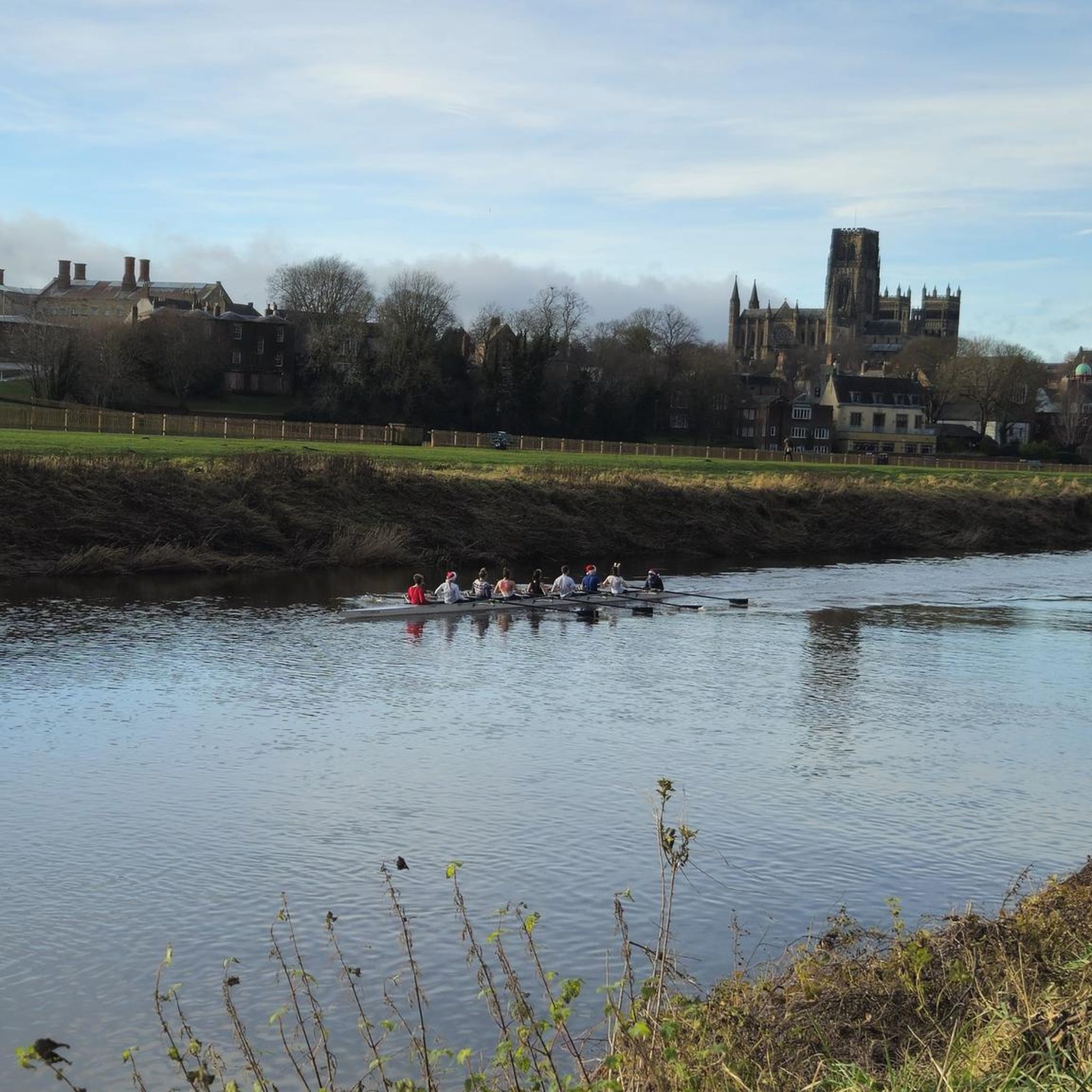
The cathedral was originally constructed to house the relics of St Cuthbert, a beloved Northumbrian saint. His shrine is a significant pilgrimage destination.
0
0


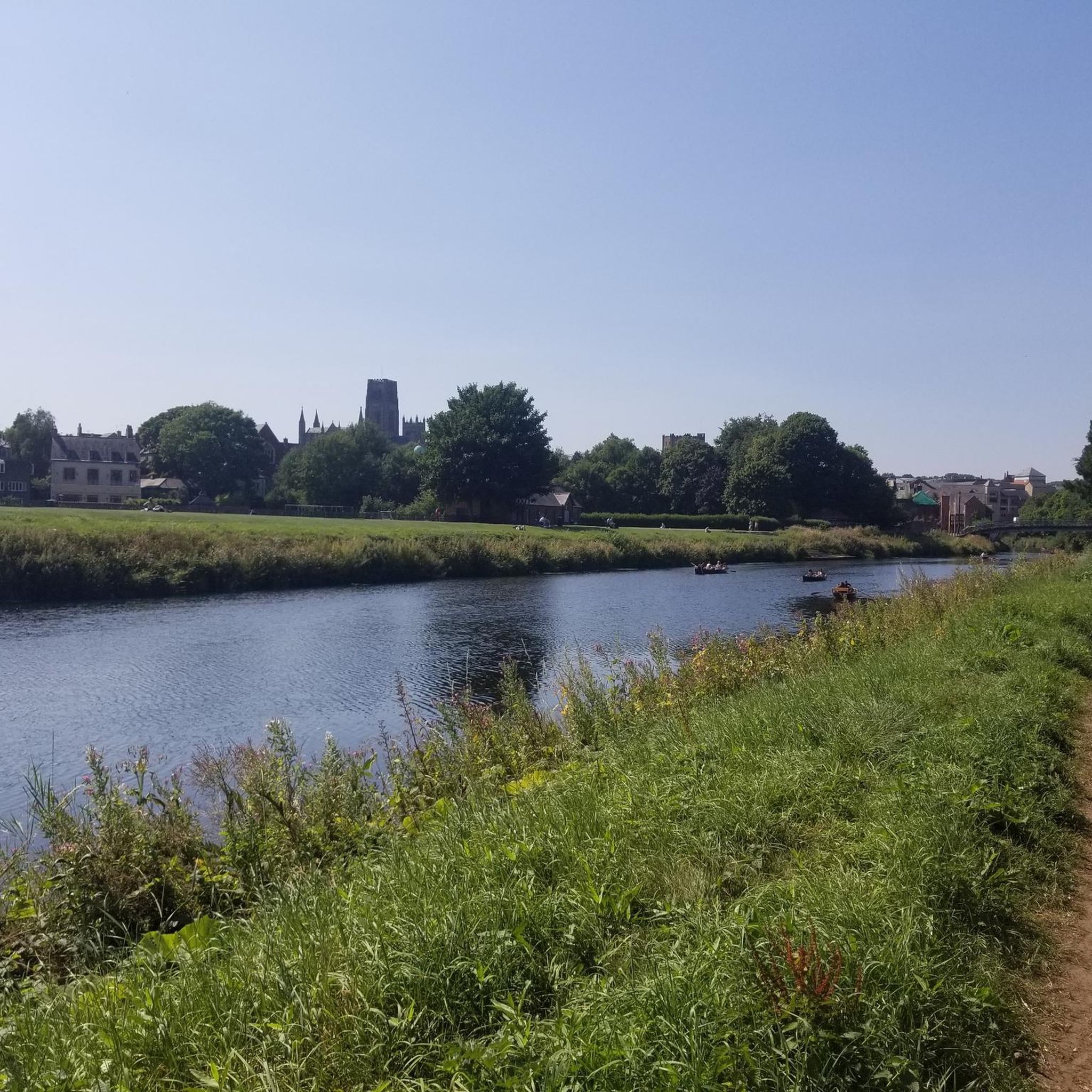
nice easy parking, walk accross the bridge over the river and you can either walk left or right giving you two options to walk up or down the river. quite pleasant but can get a bit boggy when it rains so wear the correct footwear. does get busy in the warmer months
3
0

A television series that I can recommend without reservation presents the culture-loving viewer (in German) with remarkable examples of human creativity from many countries around the world. What they all have in common is that they have been given "world heritage" status by UNESCO. One of the contributions documents: "Like a grey rock, Durham Cathedral, located in the north-east of England near the Scottish border, towers over the roofs of the city. Half church and half bastion, this building is an impressive example of early Romanesque church architecture in England. The three-storey Anglo-Norman cathedral with a 2 m thick arcade wall and Norman castle complex, the later seat of the bishops of Durham, was declared a cultural monument." This film can be found in the ARD media library under the following link: https://www.ardmediathek.de/video/schaetze-der-welt/die-kathedrale-von-durham-grossbritannien-folge-138/3sat/Y3JpZDovL3N3ci5kZS83MTY4ODA2
2
1

Ascend a winding staircase to the summit of Penshaw Hill, where a magnificent 21-meter Victorian folly stands amidst awe-inspiring vistas that stretch across Sunderland and its surrounding countryside. The folly is one of the North East's most prominent landmarks, and can be seen for miles around. Locals are so proud of the monument it even features on the Sunderland Football Club's badge.
1
0

Durham Count's House is actually a folly - a building erected for the sole purpose of looking nice in a rural setting and usually made to look like a forgotten piece of history. The Georgians and Victorians were great ones for building follies, and you'll often find miniature mock medieval ruins and classical temples in the grounds of country houses. The Count's House folly was built by the Dean and Chapter of Durham Cathedral in about the 1820s. Of course, I say that follies have no other purpose, but they did sometimes serve as a place to rest, take tea or as a hunting lodge; the Count's House was sometimes used as a summerhouse. (https://explorar.co.uk/durham/history/who-was-durhams-little-count/)
3
0
Absolutely huge cathedral. The interior is quite special in its plainness - not even the high ceiling is decorated making the gothic architecture even more impressive. As you cannot walk around it takes a bit of going back and forth to take in this building complex from all perspectives.
13
0
Donated to the university and now used as student residence. Therefore opening times are limited, but one can get a glimpse into the inner yard when asking friendly.
12
0
Frequently Asked Questions
What historical sites can I explore around Belmont?
Belmont is rich in history, featuring several significant historical sites. You can visit Durham Cathedral, a UNESCO World Heritage Site with a history dating back to 1093, and its neighboring Durham Castle, continuously occupied since 1072. Another fascinating historical ruin is Finchale Priory, a 12th-century Benedictine priory nestled by the River Wear.
Are there any unique architectural follies to see near Belmont?
Yes, Belmont is home to a couple of interesting follies. The Penshaw Monument is a prominent 1844 folly built purely for decorative purposes, offering lovely views and access to its top via a spiral staircase. You can also discover The Count's House Folly, a former summer house from the 1820s, originally built by the Dean of Durham Cathedral.
What kind of outdoor activities can I do near Belmont's attractions?
The area around Belmont offers a variety of outdoor activities. You can find numerous routes for hiking, including easy riverside paths and moderate loops around historical sites like Durham Castle. For cyclists, there are dedicated road cycling routes and challenging mountain biking trails that explore the wider region.
Are there family-friendly attractions in the Belmont area?
Many of the attractions around Belmont are suitable for families. Durham Cathedral and Durham Castle offer engaging historical experiences. The Penshaw Monument, with its spiral staircase and scenic views, can also be an enjoyable outing for families.
What natural features can I see around Belmont?
While Belmont is known for its historical sites, you can also enjoy natural beauty. Finchale Priory is beautifully situated on the wooded banks of the River Wear, offering serene views. The area also features scenic countryside, visible from viewpoints like the Penshaw Monument.
What do visitors enjoy most about the attractions around Belmont?
Visitors frequently praise the remarkable architecture and historical significance of sites like Durham Cathedral, often noting its impressive scale and pioneering design. The peaceful atmosphere and lovely views from places like Penshaw Monument are also highly appreciated, as are the tranquil settings of ruins such as Finchale Priory.
Can I visit Durham Castle, and what should I know about it?
Durham Castle has been continuously occupied since 1072 and is now part of Durham University, serving as student accommodation. Due to its use as a residence, opening times for public visits are limited. It's advisable to check in advance for tour availability to glimpse its interior and the historic Great Hall.
Are there any religious buildings of note in the Belmont area?
Absolutely. The most prominent is Durham Cathedral, a magnificent Romanesque monastic cathedral and a UNESCO World Heritage Site. You can also explore the ruins of Finchale Priory, a 12th-century Benedictine priory that served as an outpost and holiday retreat for Durham's monks.
Where can I find scenic viewpoints around Belmont?
For panoramic views, head to the Penshaw Monument. From its elevated position, you can enjoy lovely vistas across the surrounding countryside. The area around Durham Cathedral and Durham Castle, perched on a towering rock, also offers impressive perspectives of the city and the River Wear.
What is the significance of Durham Cathedral's architecture?
Durham Cathedral is renowned for its Romanesque architecture. Constructed between 1093 and 1133, its large-scale, stone-vaulted ceiling was an impressive and pioneering feat for its time, setting a blueprint for European architecture. It remains a functioning establishment and is considered one of the world's greatest cathedrals.
Can I find easy walking trails near Belmont's attractions?
Yes, there are easy walking options available. For example, the 'Riverside Path – Belmont Railway Viaduct loop' is an easy 5.47 km route that allows you to enjoy the natural surroundings. You can find more details and other easy routes in the Hiking around Belmont guide.
Are there any challenging outdoor activities for experienced adventurers?
For those seeking more challenging adventures, the area offers several options. Mountain bikers can tackle difficult routes like the 'Cycle Path to Lanchester – Deerness Valley Way loop,' which spans over 82 km. Explore the MTB Trails around Belmont guide for more demanding routes.
Most popular routes around Belmont
Most popular attractions around Belmont

Get inspired with the komoot mobile app


Explore more
Still not found the Highlight you’re looking for? See guides of the top attractions in other regions:
