Attractions and Places To See around Seighford - Top 20
Best attractions and places to see around Seighford include a blend of historical sites and natural features within Staffordshire, England. The area offers opportunities to explore ancient landmarks and diverse landscapes. Visitors can find historical bridges, unique natural monuments, and scenic spots for outdoor activities. This region provides a variety of points of interest for those exploring the English countryside.
Best attractions and places to see around Seighford
- The most popular attractions is Sherbrook Stepping Stones, a river that…
Last updated: May 22, 2026
Sherbrook Stepping Stones
Highlight • River
Tip by

Essex Bridge
Highlight • Bridge
Tip by

Sign up now to discover places like this
Get recommendations on the best single tracks, peaks, & plenty of other exciting outdoor places.
Sign up for free
Glacial Boulder, Cannock Chase
Highlight • Natural Monument
Tip by

Workhouse Bridge
Highlight • Bridge
Another interesting fact is that it has a little plaque on with the name 'Christine'
Christina Collins …
Tip by

Millennium Sundial at Broc Hill
Highlight • Viewpoint
Tip by
Sign up for free to discover even more attractions around Seighford.
Sign up for free
Already have an account?
Start today with a free account
Your next adventure awaits.
Login or Signup
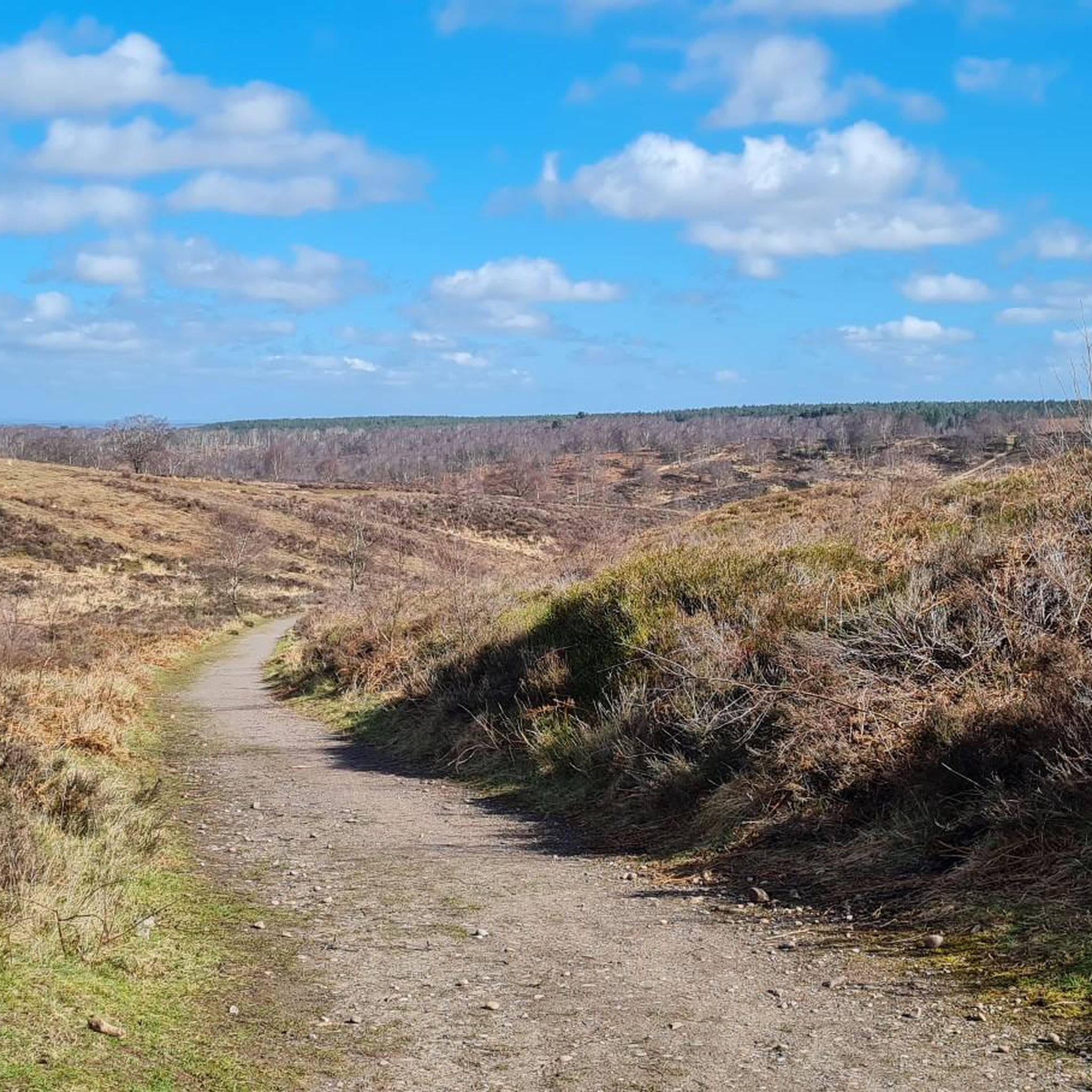
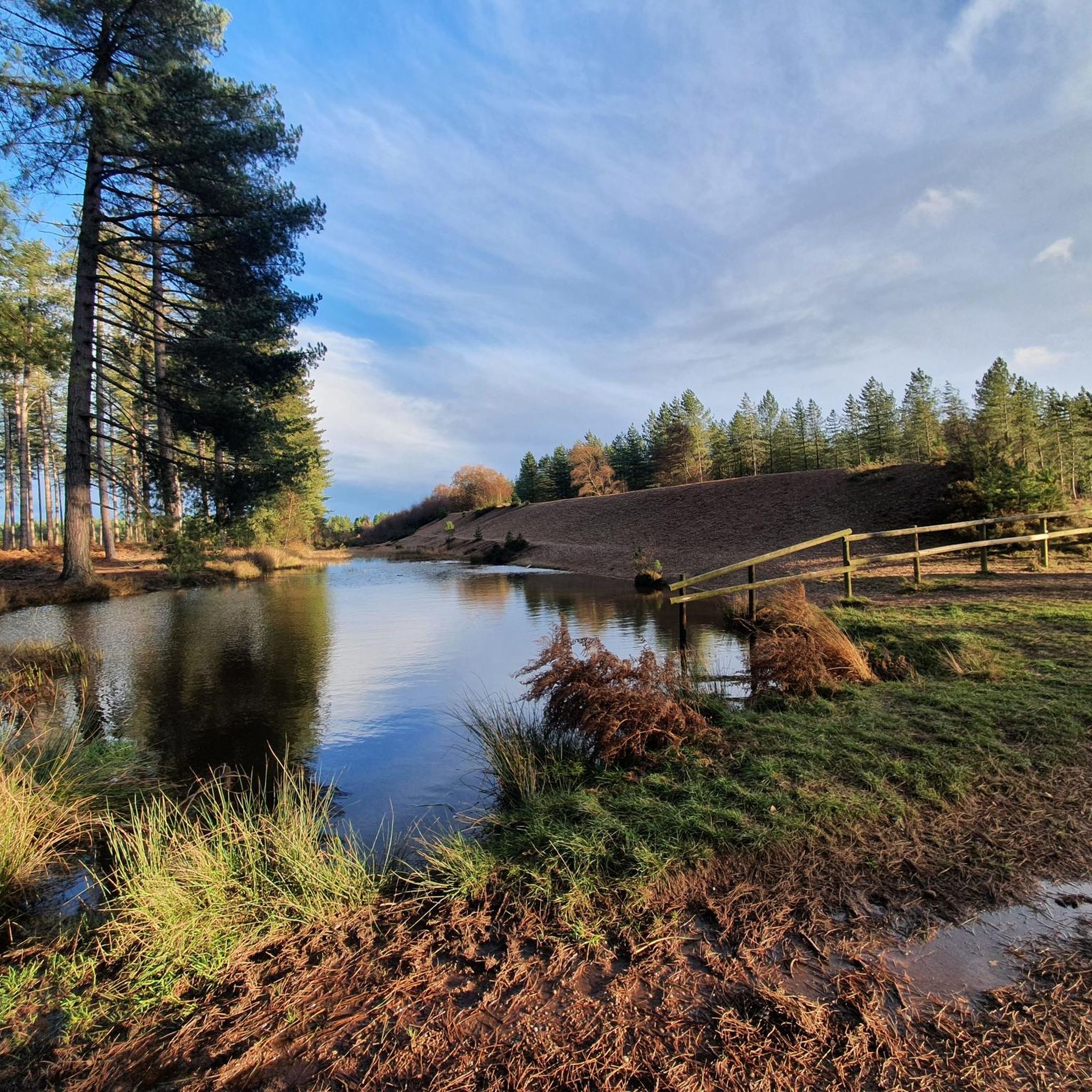
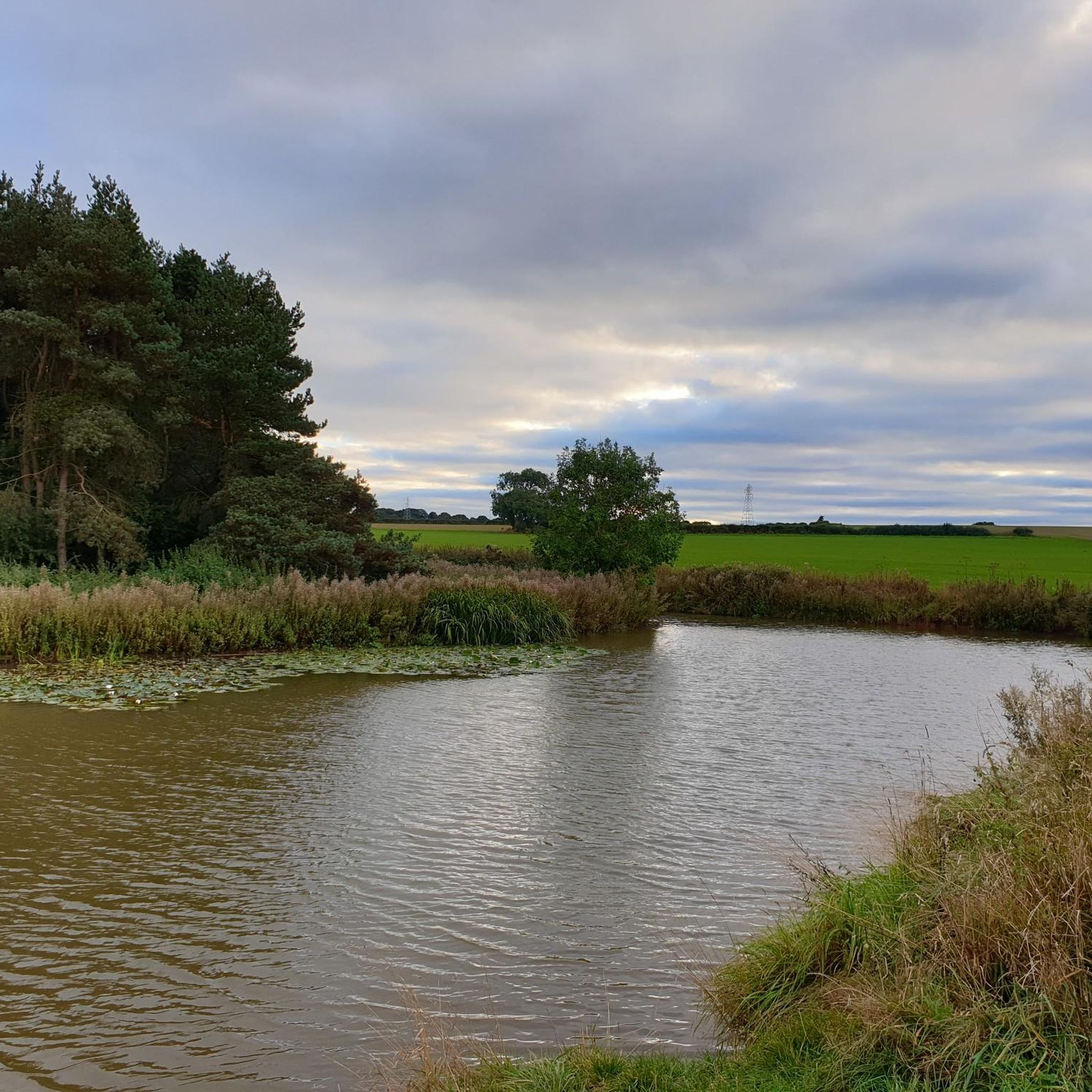
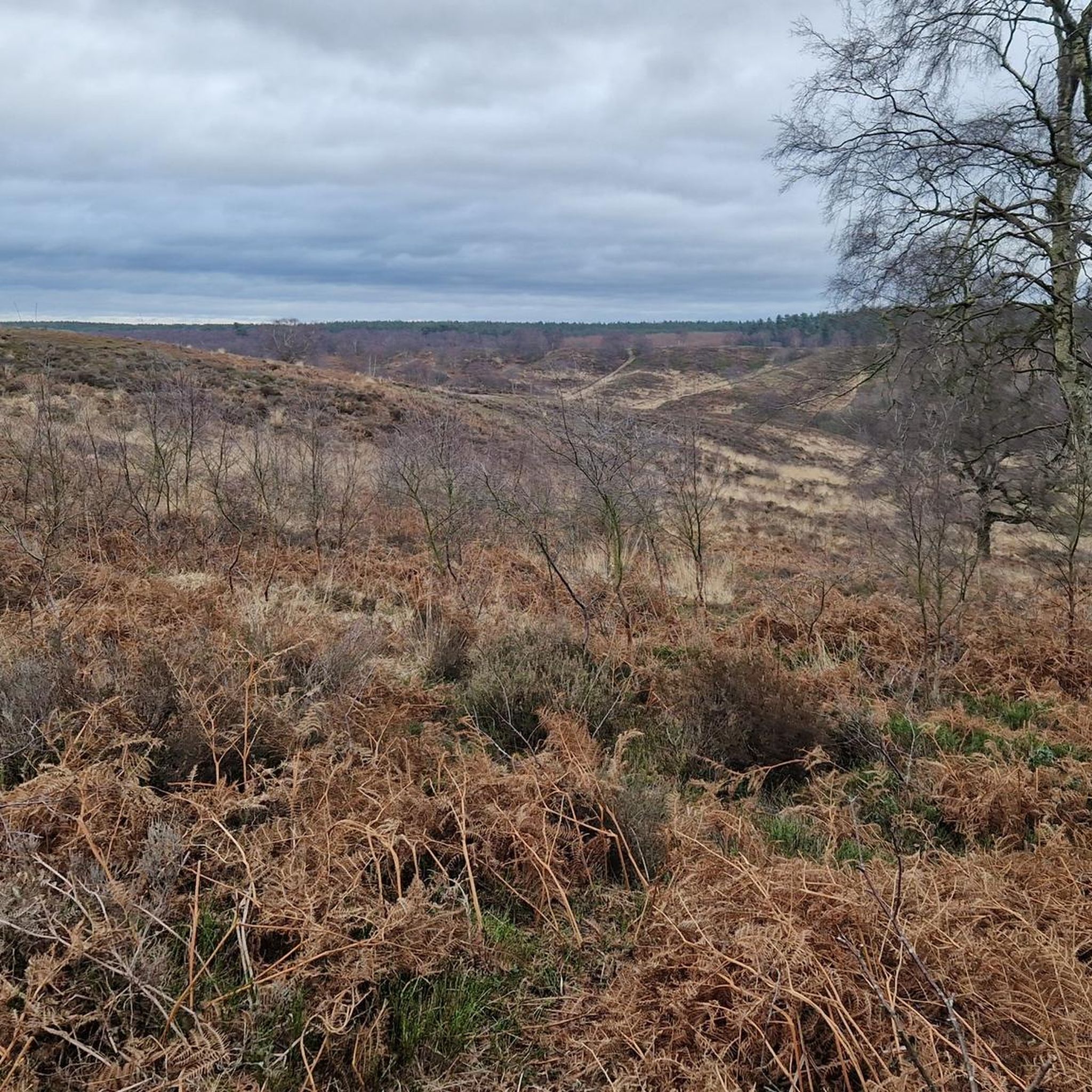
Tips from the Community

Essex Bridge is a historic, Grade I listed packhorse bridge located at the Shugborough Estate in Staffordshire, England, which crosses the River Trent. Originally built in the 16th century, it is notable as the longest surviving packhorse bridge in Britain and was constructed for Queen Elizabeth I's use, linking the estate to nearby woodlands. It is one of the oldest bridges in England that has not been altered. The bridge is situated over the River Trent near Great Haywood and is an integral part of the Shugborough Estate, a National Trust property. It was built around 1550 by the Earl of Essex for a visit from Queen Elizabeth I so she could access hunting grounds on the other side of the river. It is the longest surviving packhorse bridge in Britain, with 14 of its original 40 arches still intact today. The bridge is a Grade I listed monument and is one of the oldest un-altered bridges in England. source: internet
0
0


Originally called 'Hangmans stones' installed in 1954. The stones were originally from Stafford Prison where they formed the steps to the prison gatehouse where the condemned prisoners were hanged on the flat roof.
1
0

This unique sundial is an analemmatic sundial, also known as a horizontal sundial, skillfully blending the craftsmanship of metalwork and stonework. Its ingenious design is the creation of Ian Naylor, an educator affiliated with Stafford College. To use the sundial will require a person to stand on the metal plate on the appropriate month and if the sun is shining then the shadow from the person will fall on or near the stones and tell the time
1
0
Essex Bridge is historically significant, dating back to the early 17th century. It was built between 1550 and 1554, making it one of the oldest surviving stone bridges in England. The bridge is situated in a tranquil and scenic setting, surrounded by lush greenery and the natural beauty of the River Trent. It provides a charming view of the river and its surroundings.
2
0


This Millennium Sundial is located at Broc Hill, near to Milford and Brocton. It can be used to tell the time sunshine permitting, or can function as a seat from which to enjoy the extensive view over Staffordshire towards Shropshire and Derbyshire. It is one part of a pair commissioned by the Berkswich Millennium Sculpture Group to commemorate the Millennium. The other sundial is located at Berkswich Primary School, Walton on the Hill. To use the sundial a person has to stand on the metal plate, on the appropriate month. If the sun is shining then the shadow from the person will fall on or near the stones and tell the time!
0
0

I believe it was designed by drunk person with a very unsteady hand and no ruler
0
0
Frequently Asked Questions
What are the best attractions for families around Seighford?
Families will enjoy the natural beauty and fun at Sherbrook Stepping Stones within Cannock Chase AONB, a popular spot for children to cross the river. Additionally, nearby options include PLAY@ Lower Drayton Farm in Penkridge for indoor and outdoor play, and the Staffordshire Owl Experience and Birds of Prey Rescue Centre in Haughton for animal encounters.
What historical sites can I explore near Seighford?
Seighford and its surroundings offer several historical sites. The village itself features the 16th-century Seighford Hall and the ancient St Chad's Church, with parts dating back to the Norman Conquest. Just a short distance away, you can visit the historically significant Essex Bridge, one of England's oldest surviving stone bridges. Further afield, Boscobel House and Lilleshall Abbey provide deeper insights into English history.
Are there any unique natural features to see around Seighford?
Yes, the area boasts unique natural features. The Glacial Boulder, Cannock Chase is a remarkable granite chunk transported from Scotland by an ice sheet during the last Ice Age, serving as a popular meeting point for outdoor enthusiasts. Aqualate Mere Nature Reserve, the largest natural lake in the Midlands, is an important site for birdwatching and wildlife.
What outdoor activities are available near Seighford's attractions?
The area around Seighford is excellent for outdoor activities. You can find numerous opportunities for hiking, cycling, and mountain biking. For hiking, explore routes like the 'Stafford Castle Woodland Trail' or 'The Hill and the House' loop. Mountain biking enthusiasts can tackle trails such as the 'Are We There Yet? Trail' or 'Sherbrook Stepping Stones' loop. You can find more details on these activities and routes on the hiking and MTB trails guides for the region.
Where can I go for a scenic walk or run near Seighford?
For scenic walks and runs, consider the trails within Cannock Chase AONB, which offers diverse landscapes. The area also has dedicated running routes, including an easy 'Duck Pond loop from Doxey' or more challenging options like the 'Isabel Trail'. Discover more running trails on the running trails guide for Seighford.
What is the Millennium Sundial at Broc Hill?
The Millennium Sundial at Broc Hill is a unique analemmatic sundial. To tell the time, a person stands on a metal plate corresponding to the current month, and their shadow indicates the hour. It also serves as a viewpoint, offering extensive views over Staffordshire towards Shropshire and Derbyshire.
Are there any interesting bridges to visit in the area?
Beyond the historic Essex Bridge, you can also visit Workhouse Bridge. This bridge has a historical connection to the old workhouse it once led to and is notable for a plaque commemorating 'Christine', linked to a historical event from 1839.
What are some lesser-known historical sites near Seighford?
Beyond the more prominent landmarks, you can explore the remains of RAF Seighford, an airfield that operated during WWII, where the control tower and some outbuildings still stand. Also, the ruins of White Ladies Priory, a late 12th-century nunnery, are about 12 miles from Seighford and also played a role in King Charles II's escape.
What kind of wildlife can be spotted near Seighford?
The Aqualate Mere Nature Reserve is a prime location for wildlife spotting, particularly for birds. It's an important site for overwintering wildfowl and breeding birds such as curlew and snipe. The wider Cannock Chase AONB also supports diverse flora and fauna, offering opportunities for nature observation.
What is the best time of year to visit Seighford's outdoor attractions?
The spring and summer months are generally ideal for visiting Seighford's outdoor attractions, especially for enjoying places like the Sherbrook Stepping Stones and exploring Cannock Chase AONB. During these seasons, the weather is typically more favorable for hiking, cycling, and enjoying the natural environment. However, the historical sites are accessible year-round.
Are there any unique local events or walks related to nature?
Yes, the Mottey Meadows Fritillary Walk, held in Wheaton Aston, offers a chance to experience local flora and is a unique seasonal event for nature enthusiasts.
What is the significance of Cannock Chase AONB in the region?
Cannock Chase is a designated Area of Outstanding Natural Beauty (AONB) and is highly significant for its diverse landscapes, including ancient woodlands, heathlands, and wetlands. It provides extensive opportunities for outdoor recreation, such as hiking, mountain biking, and wildlife observation, making it a central hub for nature lovers near Seighford.
Most popular attractions around Seighford

Get inspired with the komoot mobile app


Explore more
Still not found the Highlight you’re looking for? See guides of the top attractions in other regions:
