The best walks and hikes around Gayton
4.6
(684)
4,936
hikers
230
hikes
Hiking around Gayton, a village in West Norfolk, offers diverse natural features for outdoor enthusiasts. The region is characterized by a blend of rolling farmland, gentle river valleys, and expansive heathlands, providing varied scenery. Trails frequently traverse open fields, follow the Gaywood River, and explore unique ecosystems like Roydon Common.
Best hiking trails around Gayton
- The most popular hiking route is Shugborough Estate loop – Cannock Chase, a 3.5 miles (5.6 km) trail that takes 1 hour 27 minutes…
Last updated: October 9, 2026
4.6
(5)
18
hikers
5.60km
01:27
30m
30m
Easy hike. Great for any fitness level. Easily-accessible paths. Suitable for all skill levels.
4.9
(27)
83
hikers
Moderate hike. Good fitness required. Easily-accessible paths. Suitable for all skill levels.

4.6
(7)
157
hikers
5.30km
01:21
20m
20m
Easy hike. Great for any fitness level. Easily-accessible paths. Suitable for all skill levels.
4.5
(8)
41
hikers
10.2km
02:39
70m
70m
Moderate hike. Good fitness required. Easily-accessible paths. Suitable for all skill levels.
4.4
(5)
28
hikers
10.6km
02:45
80m
80m
Moderate hike. Good fitness required. Easily-accessible paths. Suitable for all skill levels.
Get access to more routes and recommendations from other explorers.
Already have an account?
Our route recommendations are based on thousands of hikes, rides, and runs completed by other people on komoot.
Start today with a free account
Your next adventure awaits.

Tips from the Community

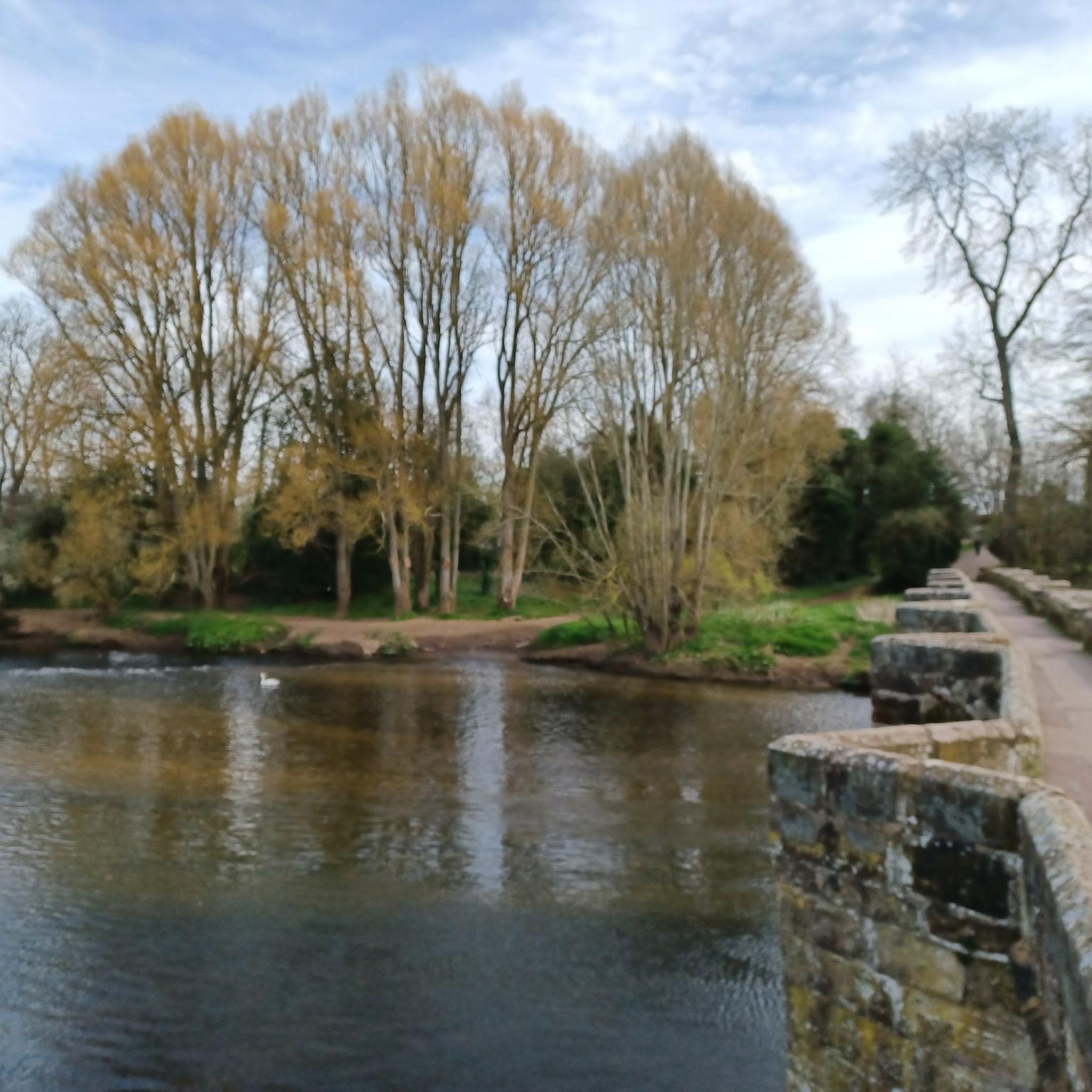
Essex Bridge is a historic, Grade I listed packhorse bridge located at the Shugborough Estate in Staffordshire, England, which crosses the River Trent. Originally built in the 16th century, it is notable as the longest surviving packhorse bridge in Britain and was constructed for Queen Elizabeth I's use, linking the estate to nearby woodlands. It is one of the oldest bridges in England that has not been altered. The bridge is situated over the River Trent near Great Haywood and is an integral part of the Shugborough Estate, a National Trust property. It was built around 1550 by the Earl of Essex for a visit from Queen Elizabeth I so she could access hunting grounds on the other side of the river. It is the longest surviving packhorse bridge in Britain, with 14 of its original 40 arches still intact today. The bridge is a Grade I listed monument and is one of the oldest un-altered bridges in England. source: internet
0
0
Built around 1750, the Cats Monument is thought to commemorate a Persian cat kept by Thomas Anson called Kouli-Khun. Thomas Anson also kept a herd of Corsican goats on the estate which can also be seen on the monument. The monument has been surrounded by tall trees and shrubs and as a result has become covered in moss and algae. The growth of organic matter and the changes in the seasons have also led to water ingress and the opening of joints within the monument. Cliveden Conservation will be working on the monument during the summer of 2023 to clean and stabilise it. Stone conservators will work to remove the vegetation growing in the monument, clean the stone, re-point the open joints and make repairs to the lead flashing.
0
0
Completed in 1747, the Chinese House at Shugborough is thought to be one of the earliest buildings of Chinese influence in the country. The design is thought to have been taken from on-the-spot sketches by Piercy Brett, one of George Anson's officers aboard the Centurion during its circumnavigation. These sketches were then turned into reality by Thomas Anson, George's elder brother. In 2024, the Chinese House underwent conservation work to the roof and windows to ensure it remains watertight and safe for many years to come. As part of this project, extensive research was carried out into the building including its construction and design and position within the gardens. Unfortunately; despite hours of research being carried out; we still can't definitively say whether the story of its origin is true or not.
0
0

Not so good walking along the road trying to get to the tow path. No pavements and cars travel too fast
0
0


Able to get a double buggy over
0
0
Originally called 'Hangmans stones' installed in 1954. The stones were originally from Stafford Prison where they formed the steps to the prison gatehouse where the condemned prisoners were hanged on the flat roof.
1
0
Frequently Asked Questions
How many hiking trails are available around Gayton, and what are their difficulty levels?
Gayton offers a wide variety of hiking experiences with over 220 routes recorded on komoot. These trails cater to different fitness levels, with approximately 135 routes classified as easy, around 85 as moderate, and a few more challenging options for experienced hikers.
What kind of landscapes and natural features can I expect to see on hikes around Gayton?
Hiking around Gayton provides a diverse landscape experience. You'll encounter rolling arable farmland, gentle river valleys, and expansive heathlands like Roydon Common and Grimston Warren. Many trails also lead through pleasant woodland areas, offering varied scenery and opportunities for wildlife spotting.
Are there any historical sites or landmarks to discover while hiking near Gayton?
Yes, the region around Gayton is rich in history. You can find trails that lead to significant historical sites such as the ruins of Castle Acre Priory. Additionally, some routes, like the Ramblers' circular walk through Gayton and Gayton Thorpe, pass by historic churches such as St Mary's (11th Century) and St Nicholas (13th Century).
Are there many circular hiking routes available in Gayton?
Yes, Gayton is well-suited for circular walks. Many popular routes are designed as loops, allowing you to start and finish in the same location. Examples include the Shugborough Estate loop – Cannock Chase and the Essex Bridge – View of Shugborough Hall loop from Great Haywood, which offer convenient round trips through the varied landscape.
What do other hikers enjoy the most about hiking in Gayton?
The area is highly rated by the komoot community, with an average score of 4.5 stars from over 580 reviews. Hikers often praise the tranquility of the West Norfolk countryside, the varied terrain encompassing heathlands, farmlands, and woodlands, and the well-maintained network of public footpaths.
Are there any family-friendly hiking options in Gayton?
Absolutely. Gayton offers many easy routes suitable for families. The diverse terrain, including open fields and woodlands, provides engaging environments for children. The Shugborough Estate loop – Cannock Chase is an easy 3.5-mile trail with minimal elevation, making it a good choice for a family outing.
Can I bring my dog on hikes around Gayton?
Many of the public footpaths and trails around Gayton are dog-friendly, allowing you to enjoy the countryside with your canine companion. However, always keep dogs under control, especially when passing through farmland with livestock or near nature reserves like Roydon Common, where wildlife may be present. Please respect local signage regarding lead requirements.
Are there any notable natural attractions or viewpoints along the trails?
Yes, you can discover several natural attractions and viewpoints. Highlights include the Sherbrook Stepping Stones, offering a picturesque river crossing, and the Millennium Sundial at Broc Hill, which provides a lovely viewpoint. The heathlands of Roydon Common are also excellent for observing unique ecosystems.
What kind of wildlife might I encounter on hikes in Gayton?
The diverse habitats around Gayton support a variety of wildlife. On the heathlands of Roydon Common and Grimston Warren, you might spot various bird species and insects. In the farmland areas, you could see White Park Cattle, Exmoor Ponies, and Iron Age Pigs in adjacent fields, particularly on routes like the Gayton and Gayton Thorpe Loop.
Are there any longer-distance trails or networks that connect to Gayton?
Yes, Gayton is part of the broader Norfolk Trails network, which provides numerous walking, cycling, and horse-riding routes across the county. The Nar Valley Way, a longer route nearby, traces the River Nar through varied landscapes, including woodland trails and riverside paths, offering opportunities for extended exploration.
What is the best time of year to hike in Gayton?
Gayton offers enjoyable hiking experiences throughout the year. Spring brings blooming wildflowers and active wildlife, while summer provides long daylight hours for exploration. Autumn showcases beautiful changing foliage, and crisp winter days can offer clear views across the open landscapes. Always check local weather conditions before heading out.
Are there any routes that feature river or water elements?
Yes, the landscape around Gayton is shaped by gentle river valleys, and many trails follow the course of the Gaywood River. The Sherbrook Stepping Stones – View of Shugborough Hall loop from Great Haywood is a moderate route that specifically highlights the Sherbrook Stepping Stones, offering a pleasant experience by the water.
Most popular attractions around Gayton

Get inspired with the komoot mobile app


Explore more
Browse the best Hikes in other regions.
