The best running trails around Longdon
4.2
(101)
9,492
runners
582
runs
Jogging routes around Longdon traverse a landscape characterized by a mix of woodlands, open fields, and gentle hills. The region offers a network of trails that cater to various fitness levels, from leisurely jogs to more challenging runs. Many routes feature natural landmarks and provide opportunities to explore the local countryside.
Best jogging routes around Longdon
- The most popular jogging route is Sherbrook Stepping Stones – The Butts Trig Point loop from Burntwood, a 22.7 miles (36.6 km) trail…
Last updated: October 4, 2026
50
runners
36.6km
04:22
580m
580m
Hard run. Very good fitness required. Mostly paved surfaces. Suitable for all skill levels.
42
runners
Hard run. Very good fitness required. Mostly paved surfaces. Suitable for all skill levels.

19
runners
16.9km
02:01
340m
340m
Hard run. Very good fitness required. Mostly paved surfaces. Suitable for all skill levels.
10
runners
Moderate run. Good fitness required. Mostly paved surfaces. Suitable for all skill levels.
4.0
(1)
20
runners
Moderate run. Good fitness required. Mostly paved surfaces. Suitable for all skill levels.
Get access to more routes and recommendations from other explorers.
Already have an account?
Our route recommendations are based on thousands of hikes, rides, and runs completed by other people on komoot.
Start today with a free account
Your next adventure awaits.

Tips from the Community


may need to take detours due to festival dismantal or no access to other routes minor issue but amazing walk
0
0


This cycleway runs along the eastern side of the lake, offering lovely views of the reservoir and country park. It’s a great spot to take a break, refuel, or enjoy a picnic.
1
0

Originally called 'Hangmans stones' installed in 1954. The stones were originally from Stafford Prison where they formed the steps to the prison gatehouse where the condemned prisoners were hanged on the flat roof.
1
0

The site of the ‘Bloody’ steps, just visible behind the large tree on the opposite side of the towpath. The site of the 'Bloody Steps', is on the Trent & Mersey canal, just past Brindley Bank aqueduct. In 1839, Christina Collins, a local dressmaker, was murdered nearby. Her body was found in the canal and carried up the steps to the Talbot Inn. James Owen and George Thomas were later hanged for her murder
0
0


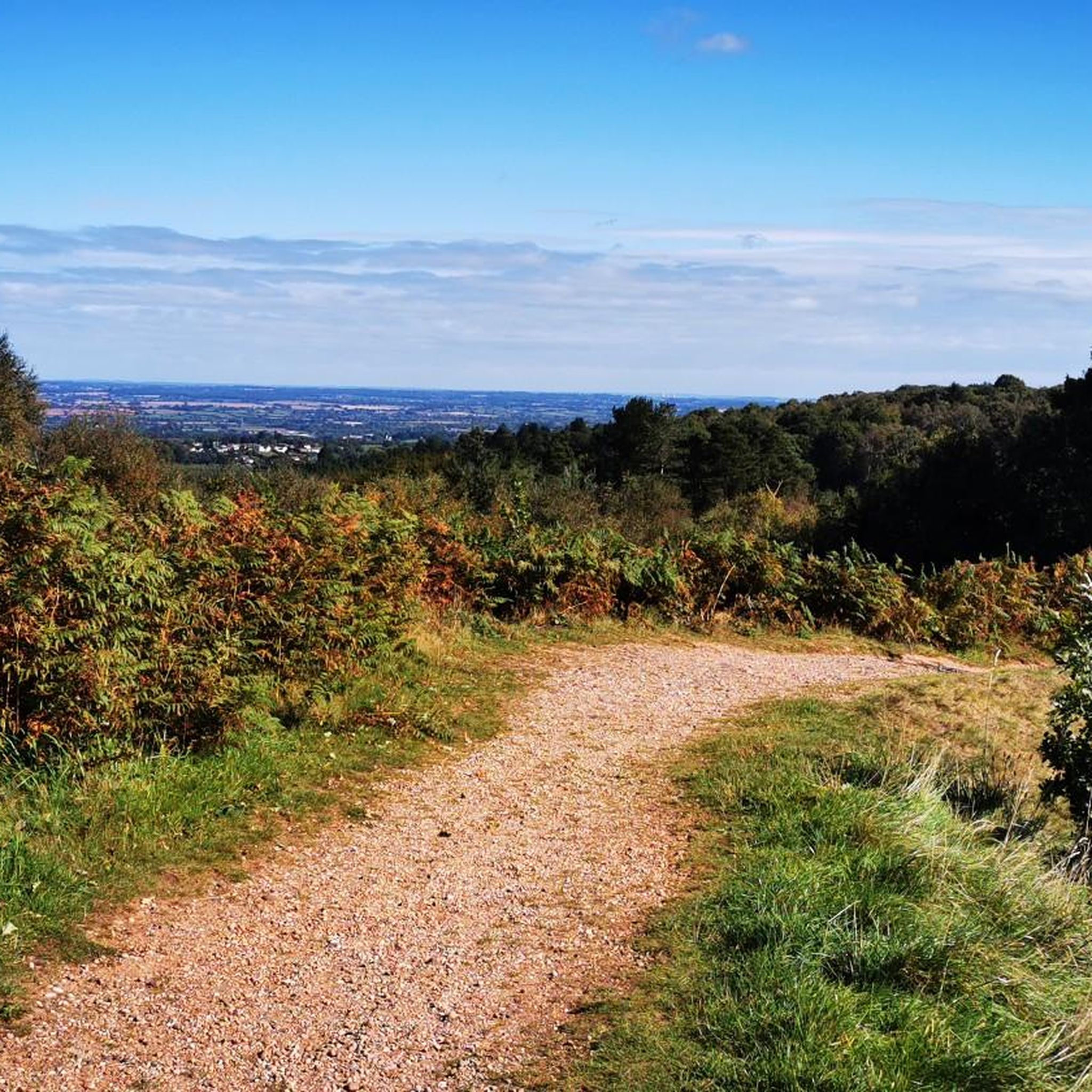
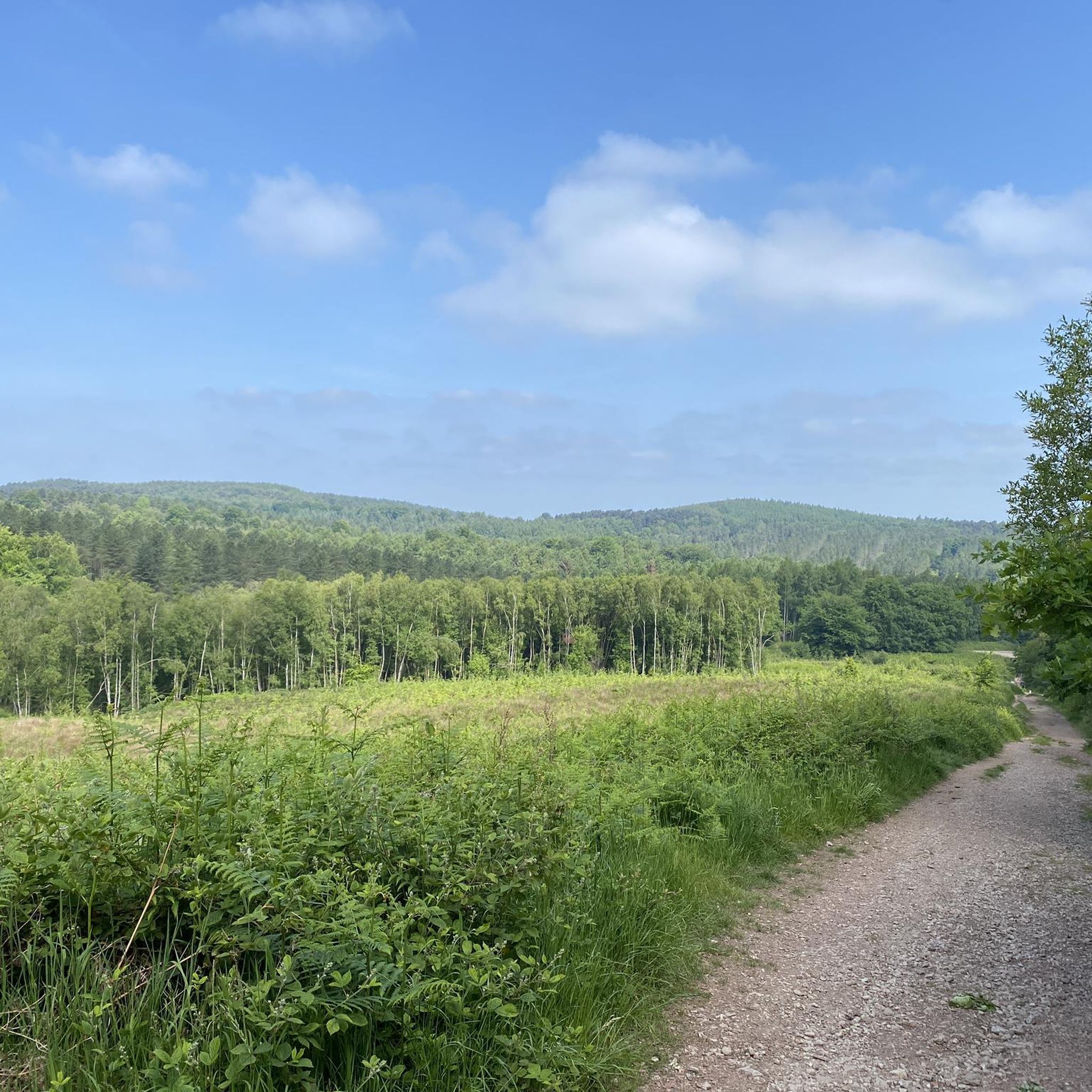
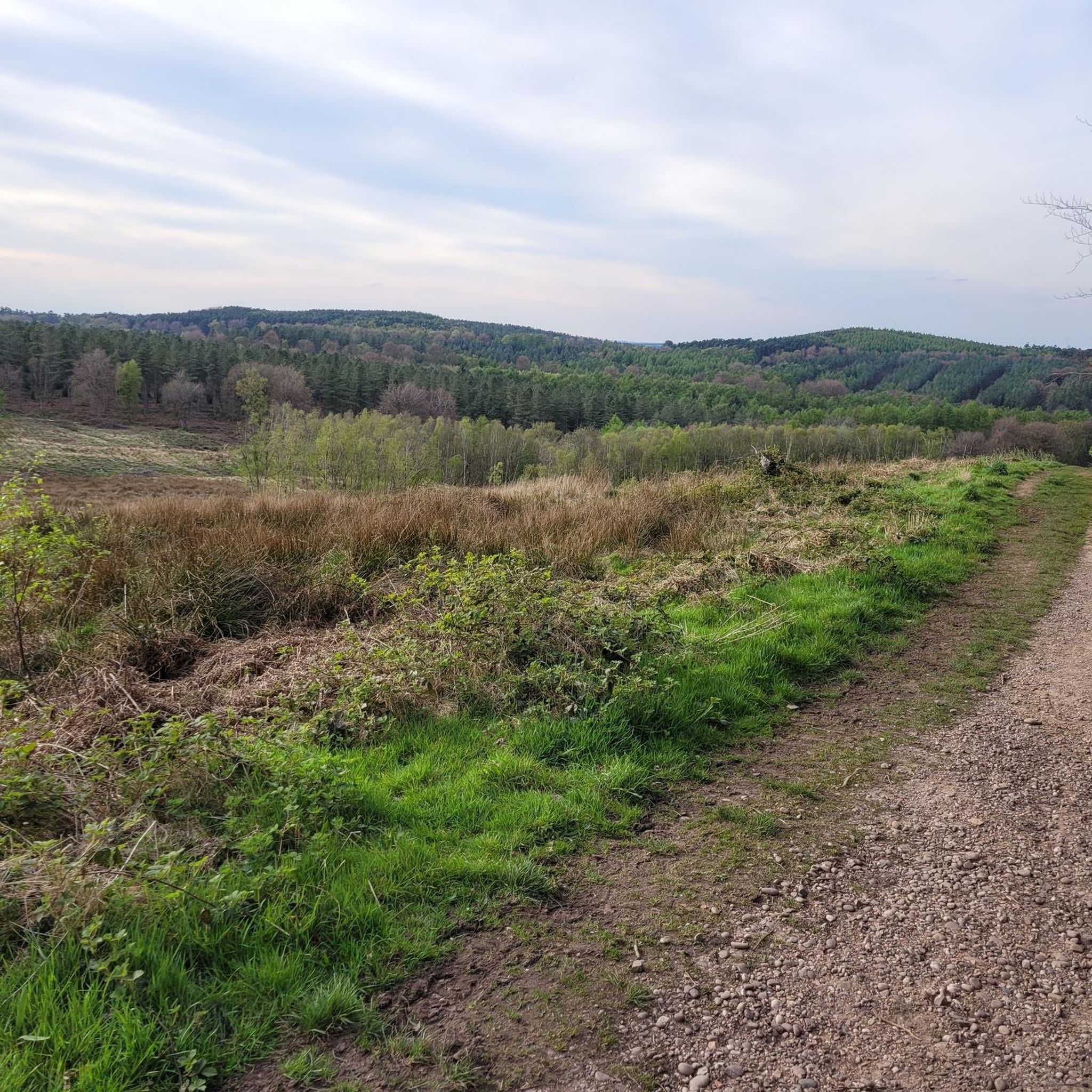
Gorgeous views over Cannock Chase and the Staffordshire countryside.
1
0
Frequently Asked Questions
How many running routes are available around Longdon?
Longdon offers a comprehensive network of over 600 running routes. These trails cater to various preferences, ranging from easy paths to more challenging runs with significant elevation changes.
Are there any easy jogging routes suitable for beginners in Longdon?
Yes, Longdon features over 60 easy jogging routes perfect for beginners or those seeking a more relaxed run. These paths typically have gentler terrain and less elevation gain, making them ideal for a leisurely pace.
What kind of terrain can I expect on jogging trails in Longdon?
Jogging routes around Longdon traverse a varied landscape characterized by a mix of woodlands, open fields, and gentle hills. You'll find trails that offer both shaded forest paths and expansive views across the countryside.
Are there any circular running routes in Longdon?
Many of the running routes in Longdon are circular, allowing you to start and finish at the same point. For example, the Castle Ring loop from Cannock Wood and the Fairoak Pools loop from Cannock Wood are popular circular options.
What are some scenic points or attractions I can see while jogging in Longdon?
Longdon's routes offer several points of interest. You can run past the picturesque Sherbrook Stepping Stones, explore historical sites like Castle Ring, or enjoy the tranquility of Fairoak Pools. The St Augustine's Church – Waterfall in Elmore Park loop from Rugeley Town even includes a waterfall.
What do other runners say about the trails in Longdon?
The running routes in Longdon are highly rated by the komoot community, with an average score of 4.3 stars from over 60 reviews. Runners often praise the diverse terrain, the peaceful woodlands, and the well-maintained paths that offer a great escape into nature.
Are there any routes that feature water elements like lakes or rivers?
Yes, several routes incorporate water features. The Fairoak Pools loop from Cannock Wood takes you past beautiful pools, and the Sherbrook Stepping Stones – The Butts Trig Point loop from Burntwood includes a crossing over the Sherbrook. You can also find highlights like Fairoak Pools and Stony Brook Pools in the area.
Can I find routes that are suitable for trail running in Longdon?
Absolutely. Longdon's landscape, with its woodlands and gentle hills, is well-suited for trail running. Routes like the challenging Sherbrook Stepping Stones – The Butts Trig Point loop from Burntwood offer significant elevation gain and varied terrain, perfect for a more demanding trail run.
Are there any routes that pass through historical sites?
Yes, the region has routes that incorporate historical elements. For instance, the Castle Ring loop from Cannock Wood offers a challenging run through woodlands and open areas, including the ancient hillfort of Castle Ring.
What is the longest running route available in Longdon?
One of the longest and most challenging routes is the Sherbrook Stepping Stones – The Butts Trig Point loop from Burntwood, which spans 22.7 miles (36.6 km) and features significant elevation gain, typically taking over 4 hours to complete.
Are there any routes that are relatively flat for a steady run?
While many routes feature gentle hills, you can find flatter sections, especially on some of the easier trails. For a relatively flat option, consider the Bat Roost Tower loop from Rugeley, which has minimal elevation change.
Most popular attractions around Longdon

Get inspired with the komoot mobile app


Explore more
Browse the best Running Trails & Routes in other regions.
