The best walks and hikes around Cannock Wood
4.5
(444)
5,057
hikers
28
hikes
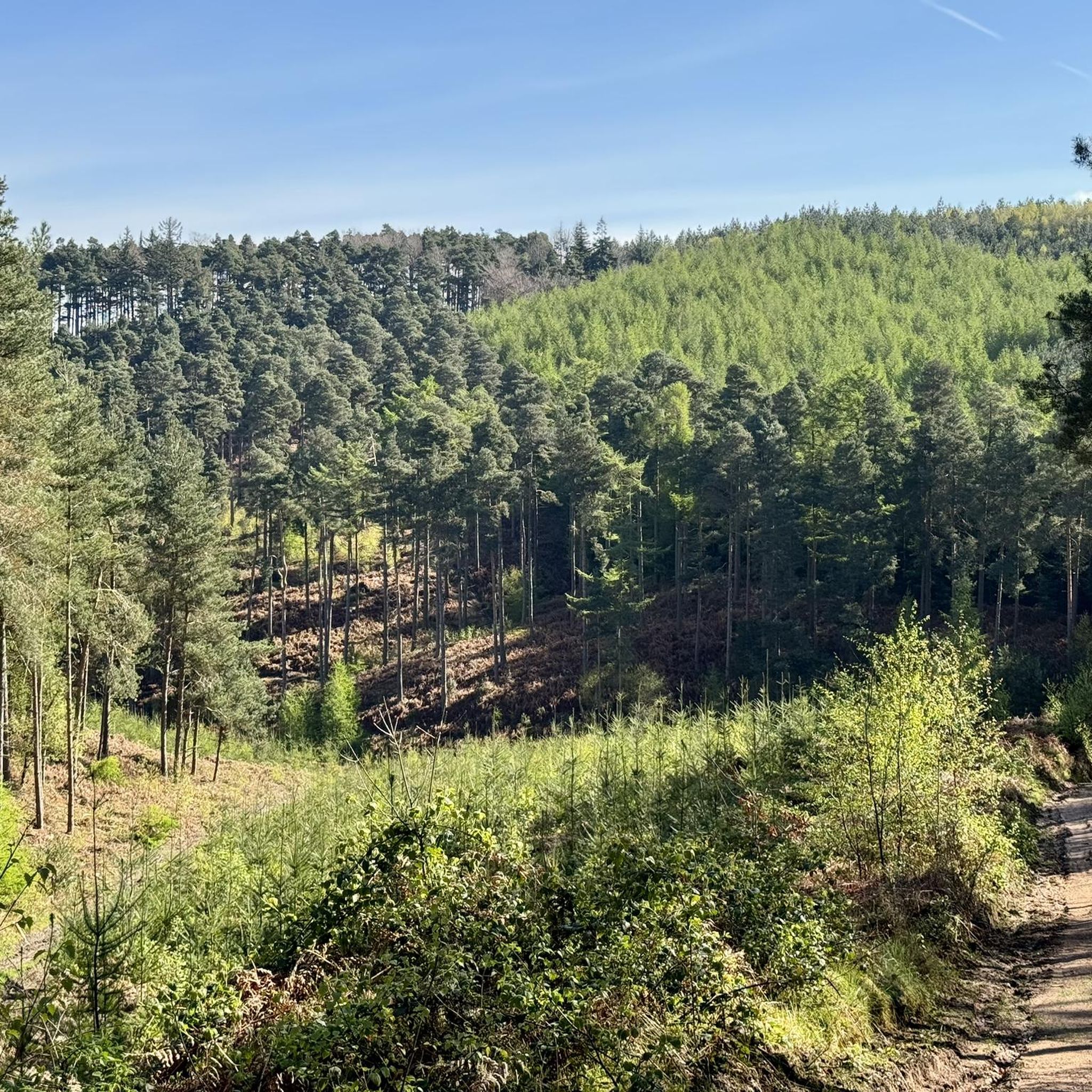
Hikes around Cannock Wood explore the Cannock Chase Area of Outstanding Natural Beauty (AONB). The region is characterized by a mix of expansive woodlands, open heathlands, and rolling hills. Trails navigate through managed forests and nature reserves, offering varied terrain for walking.
Best hiking trails around Cannock Wood
- The most popular hiking route is Castle Ring Iron Age Hill Fort – View over Cannock Chase loop from Cannock Wood, a 4.0 mile (6.4 km) trail that takes 1 hour…
Last updated: October 9, 2026
4.3
(15)
49
hikers
Easy hike. Great for any fitness level. Easily-accessible paths. Suitable for all skill levels.
4.4
(9)
11
hikers
Moderate hike. Good fitness required. Easily-accessible paths. Suitable for all skill levels.

5.0
(2)
25
hikers
Moderate hike. Good fitness required. Easily-accessible paths. Suitable for all skill levels.
4.2
(5)
12
hikers
9.96km
02:48
210m
210m
Moderate hike. Good fitness required. Easily-accessible paths. Suitable for all skill levels.
5.0
(1)
12
hikers
24.5km
06:42
370m
370m
Hard hike. Very good fitness required. Easily-accessible paths. Suitable for all skill levels.
Get access to more routes and recommendations from other explorers.
Already have an account?
Our route recommendations are based on thousands of hikes, rides, and runs completed by other people on komoot.
Start today with a free account
Your next adventure awaits.

Tips from the Community


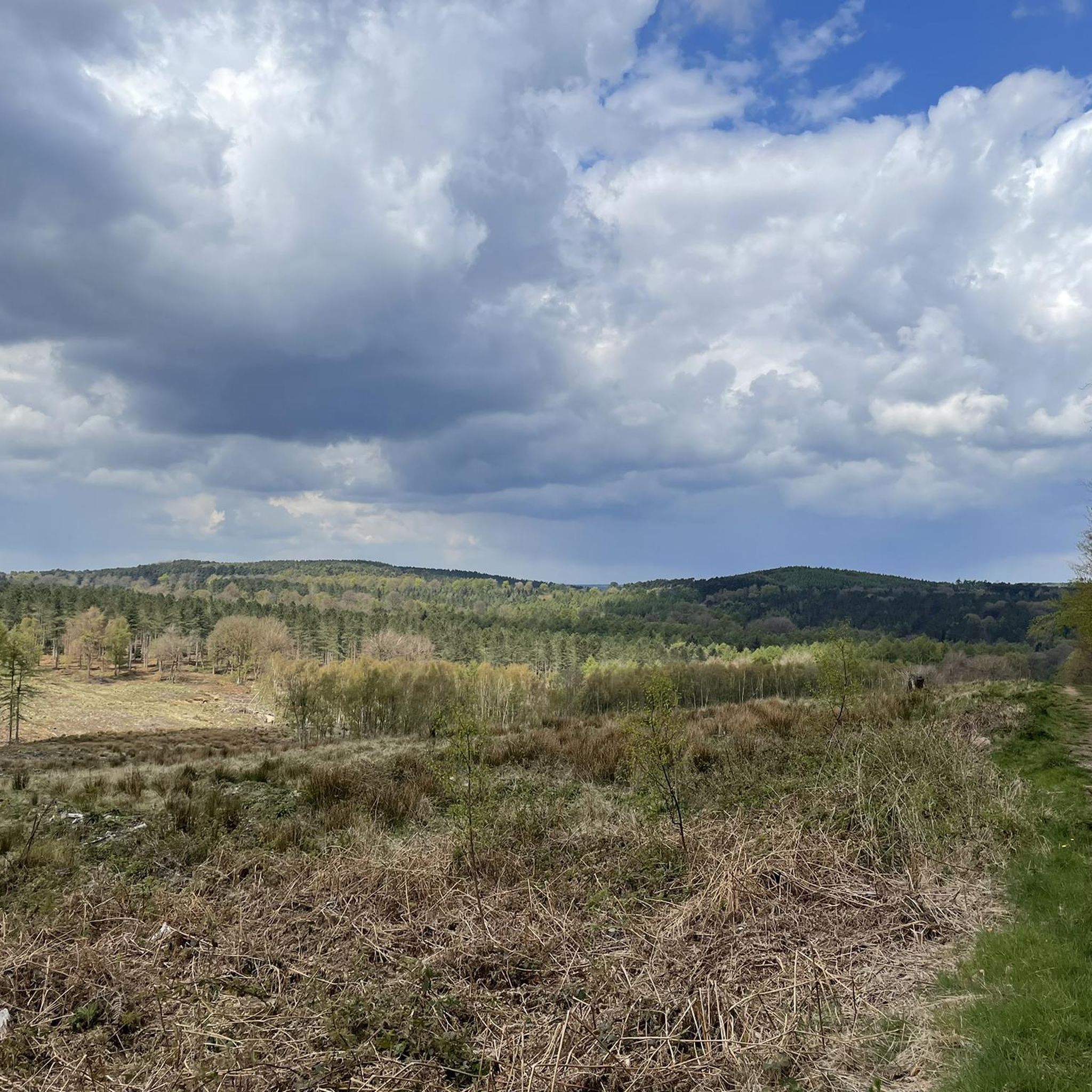
Designated as an area of Outstanding Natural Beauty in 1958, Cannock Chase is notable for its beautiful landscape, its wildlife and its history. Among its attributes, Cannock Chase has the largest surviving area of lowland heathland in the Midlands. Lowland heath is an internationally scarce and threatened wildlife habitat. This scenic view highlights the attractive nature and features of the undulating lowland heathland on Cannock Chase. The view looks west over the Sherbrooke Valley and includes some of the many paths that cross the heathland. The well-known Glacial Boulder is located to the upper-left just over the horizon.
0
0

Primarily served as a training facility during and after World War II. Closed in 1959, the base is no longer operational and has since been repurposed for civilian use.
1
0
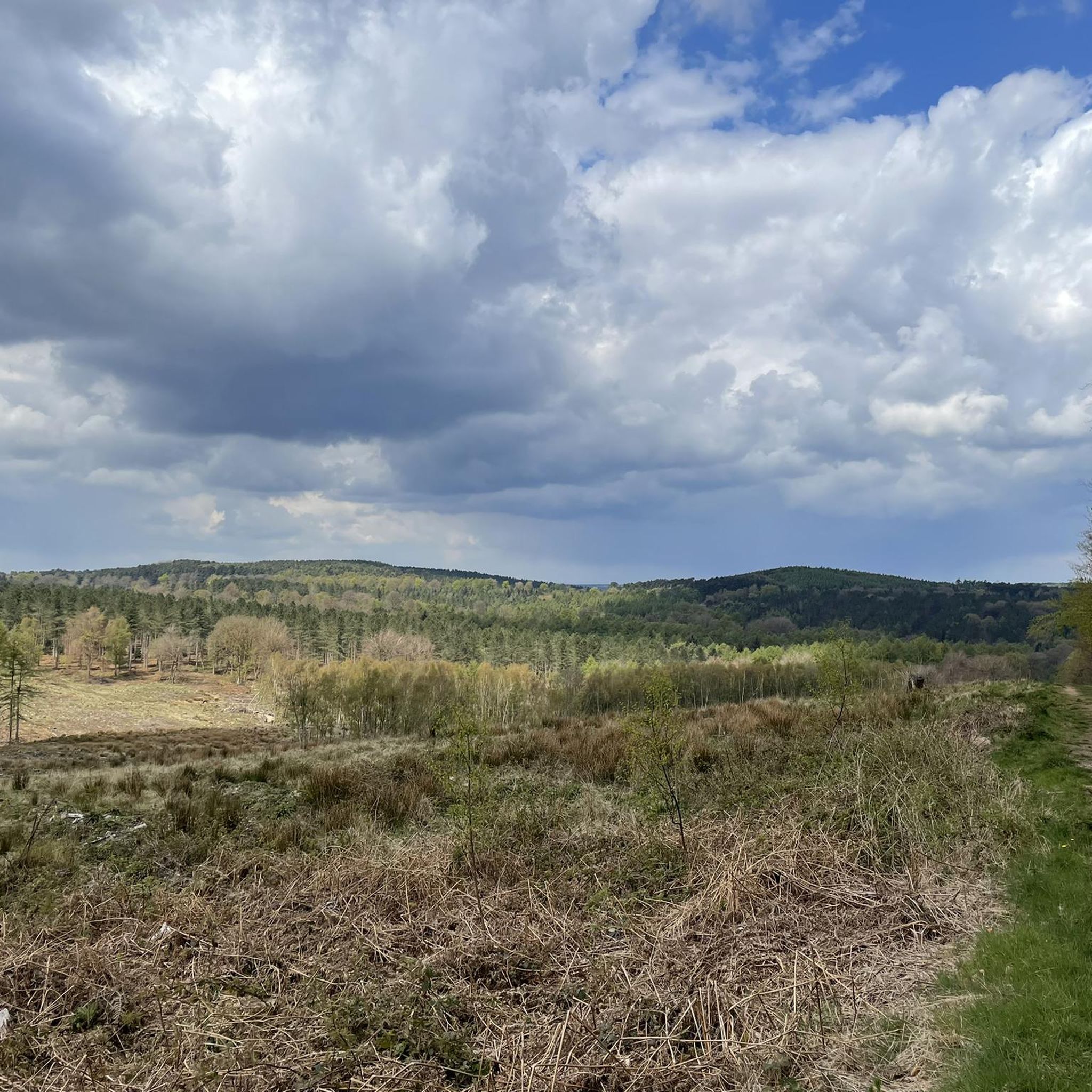
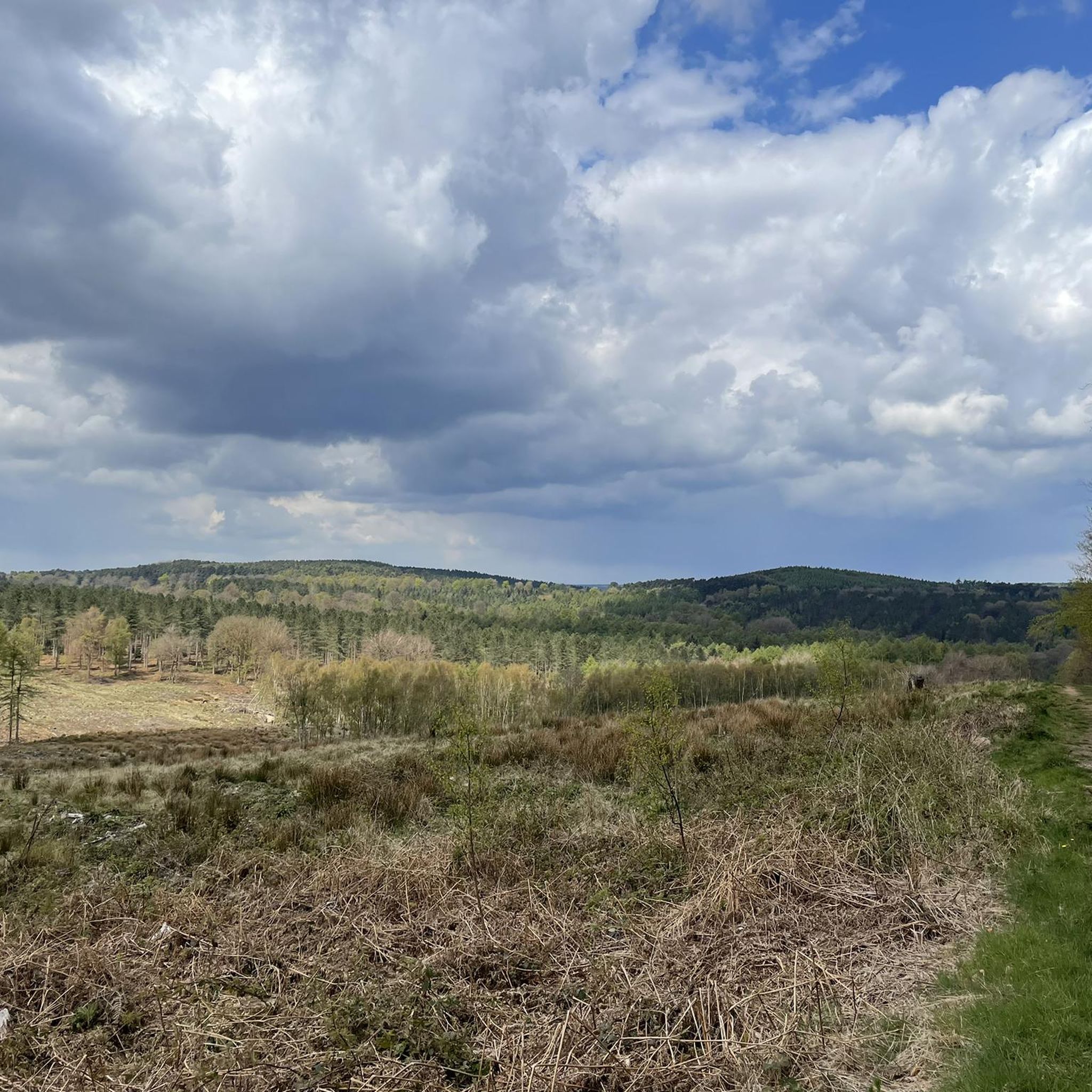
Gorgeous views over Cannock Chase and the Staffordshire countryside.
1
0
A lovely pond located adjacent to Two Saints Way, featuring a serene woodland path encircling it, offering an opportunity to appreciate the peaceful landscape and observe the local wildlife.
1
0

Great coffee at the Grounds cafe
0
0
Frequently Asked Questions
Are the walks around Cannock Wood dog-friendly?
Yes, Cannock Chase is very popular for dog walking. The expansive woodlands and numerous paths offer plenty of space. You'll find many trails are suitable, though it's always best practice to keep dogs under control, especially near wildlife or on paths shared with cyclists. Some areas even have dedicated dog activity trails.
Are there any easy, family-friendly walks in the area?
Definitely. The region offers many gentle walks suitable for all ages. A great option is the Hill to Castle Ring – View over Cannock Chase loop from Cannock Wood. It's a relatively short circular walk that still provides fantastic views and a sense of adventure for the whole family.
Can I get to the walking trails using public transport?
Accessing the trails via public transport can be challenging as many start points are rural. The nearest major train station is in Rugeley. From there, you would likely need to take a local bus service or a taxi to get closer to the main trailheads within Cannock Chase Forest.
Where can I find free parking for a walk on Cannock Chase?
While the main visitor centres like Cannock Chase Forest have pay-and-display car parks, there are numerous smaller, informal lay-bys and free parking spots scattered around the perimeter of the Chase. Arriving early is the best way to secure a spot, especially on weekends.
Are there any walks that include historical sites?
Yes, the area is rich in history. For a route that combines scenery with the past, consider the RAF Hednesford Memorial – Brocton Camp Information Board loop from Cannock Wood. This trail takes you past significant wartime memorials, offering a poignant glimpse into the area's history.
What is the terrain like on the Cannock Wood trails?
The terrain is quite varied. You'll find a mix of well-maintained forest tracks, open heathland paths, and some steeper, more rugged sections. Most routes involve rolling hills rather than sustained, difficult climbs, making it accessible for most reasonably fit walkers.
Are there any long-distance hiking options?
For those seeking a more challenging day out, there are several longer routes. The Castle Ring Iron Age Hill Fort – Lower Cliff Trail loop from Cannock Wood is a great example, covering nearly 15 km and offering a more extensive exploration of the Cannock Chase landscape.
Can I find a pub for refreshments after a hike?
Yes, there are several pubs in the villages surrounding Cannock Chase where you can relax after your walk. While there are no pubs directly on the main forest trails, nearby villages like Cannock Wood, Gentleshaw, and Slitting Mill have traditional pubs that are a short drive from the main car parks.
Are there any waterfalls to see on the walks?
Yes, you can visit the Slitting Mill Waterfall. It's a well-regarded local spot located on the Heritage Trail near Slitting Mill village. The walk there is generally easy-going, with paths that follow the water, making for a very scenic and rewarding stroll.
What do other hikers enjoy most about Cannock Wood?
The area is highly rated by the komoot community. Reviewers frequently praise the beautiful mix of dense woodland and open heathland, the well-marked trails, and the sense of peace and quiet despite its popularity. The variety of routes, from short strolls to longer hikes, is also a major highlight.
What is the historical significance of Castle Ring?
Castle Ring is an Iron Age hill fort, dating back over 2,000 years. It's the highest point on Cannock Chase, and its defensive banks and ditches are still clearly visible. It served as a fortified settlement for a local tribe and offers panoramic views across the surrounding landscape.
How many hiking trails are there around Cannock Wood?
There are over 25 designated hiking routes to explore around Cannock Wood on komoot. These range from short, easy loops perfect for a quick walk to more demanding all-day hikes, ensuring there's a trail for every ability and interest.
Most popular routes around Cannock Wood
Most popular attractions around Cannock Wood

Get inspired with the komoot mobile app


Explore more
Browse the best Hikes in other regions.
