Attractions and Places To See around Thixendale - Top 20
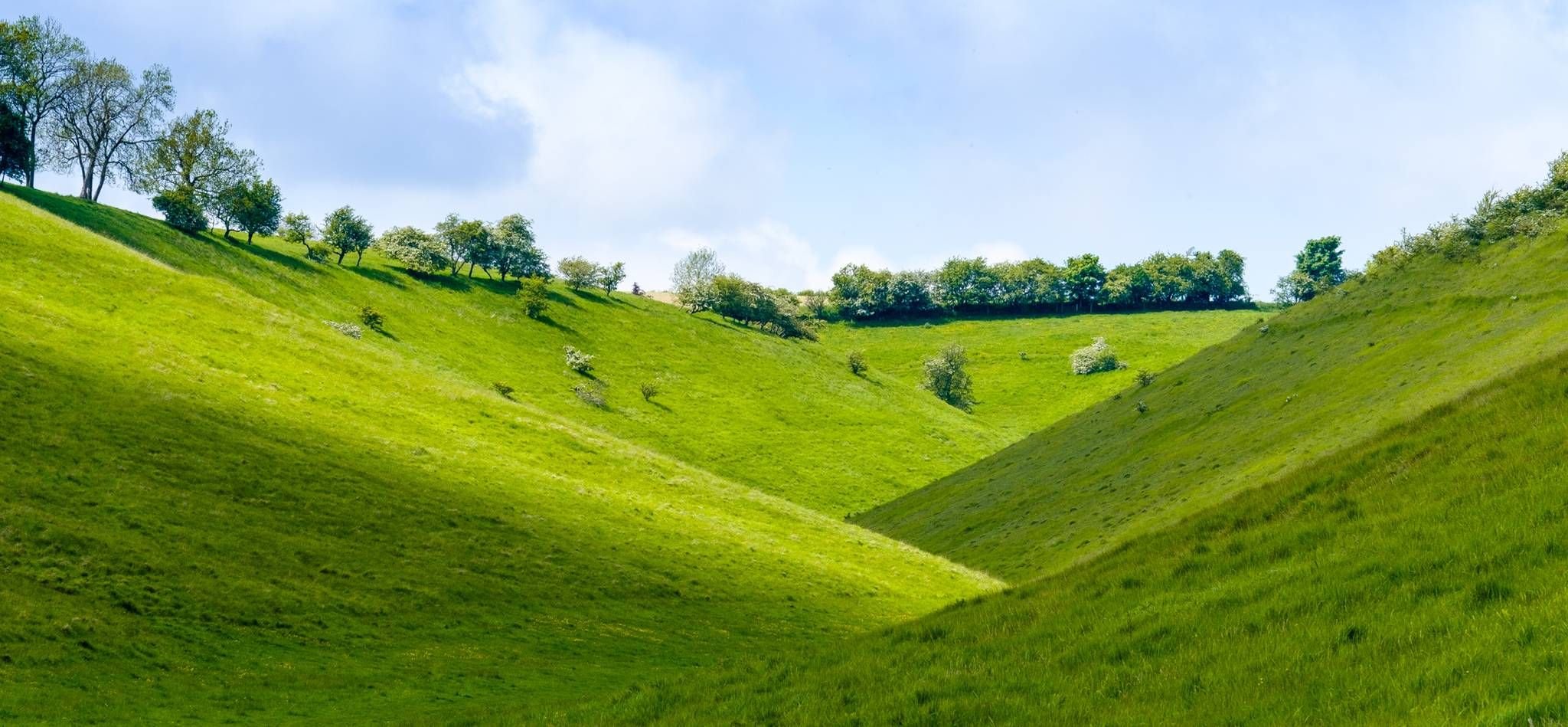
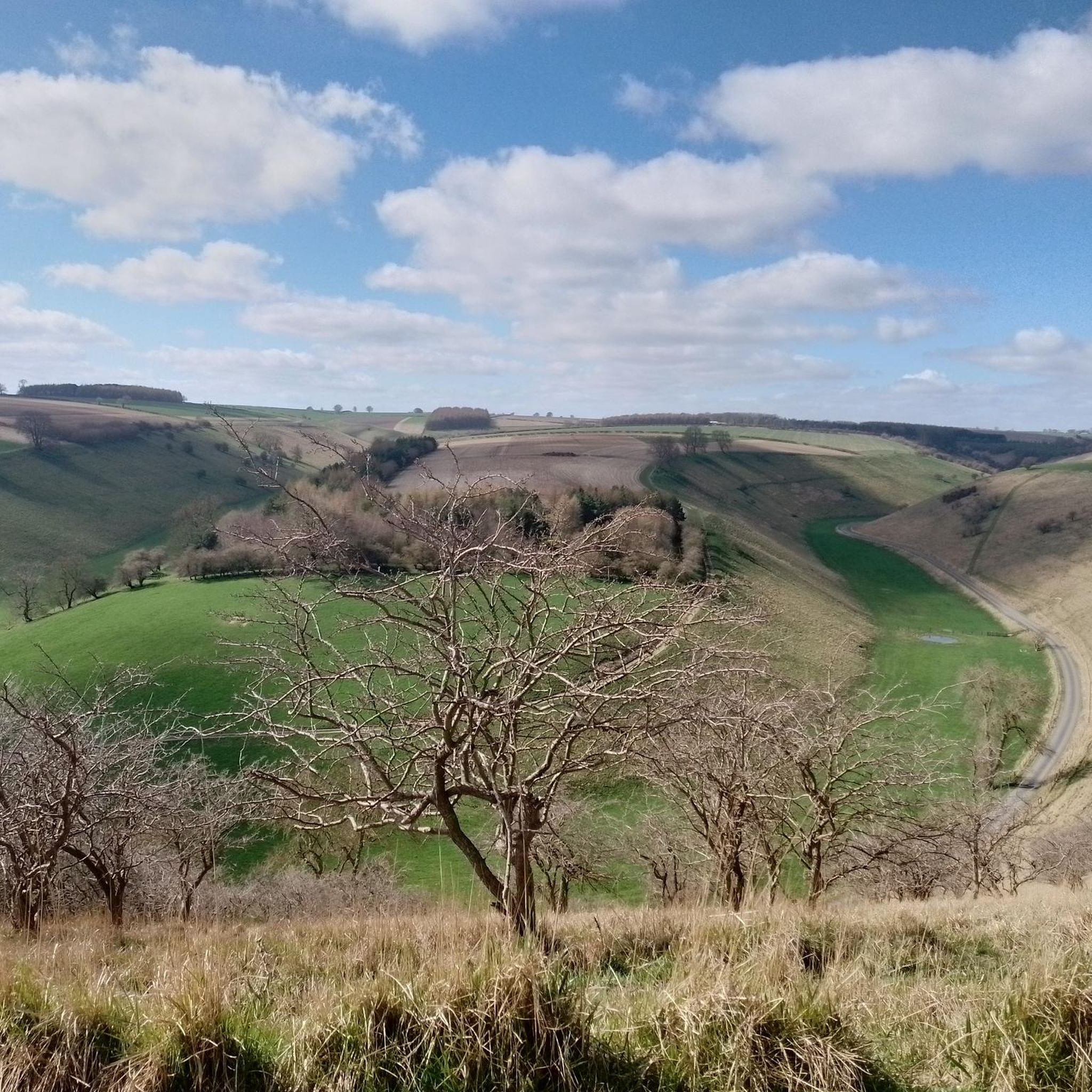
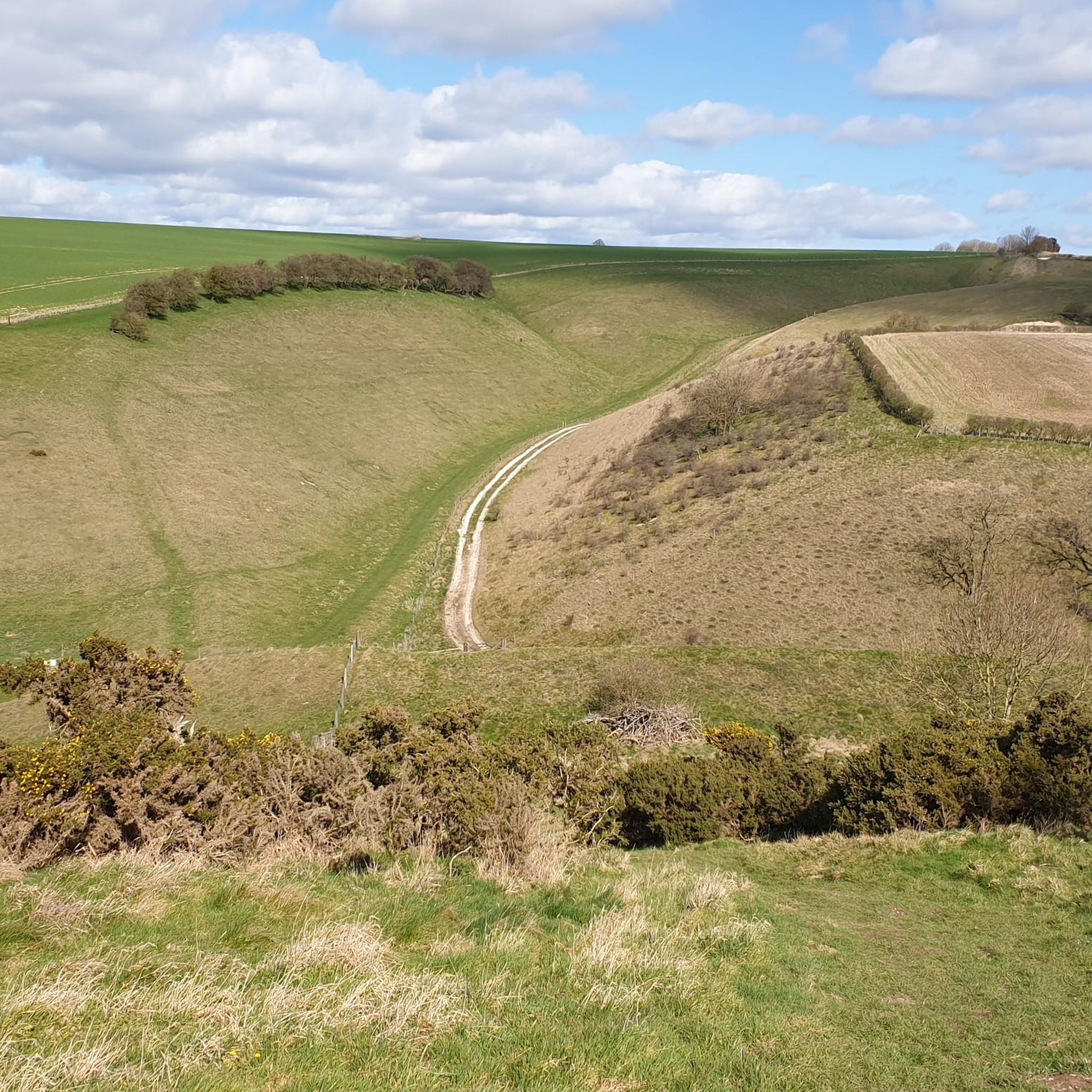
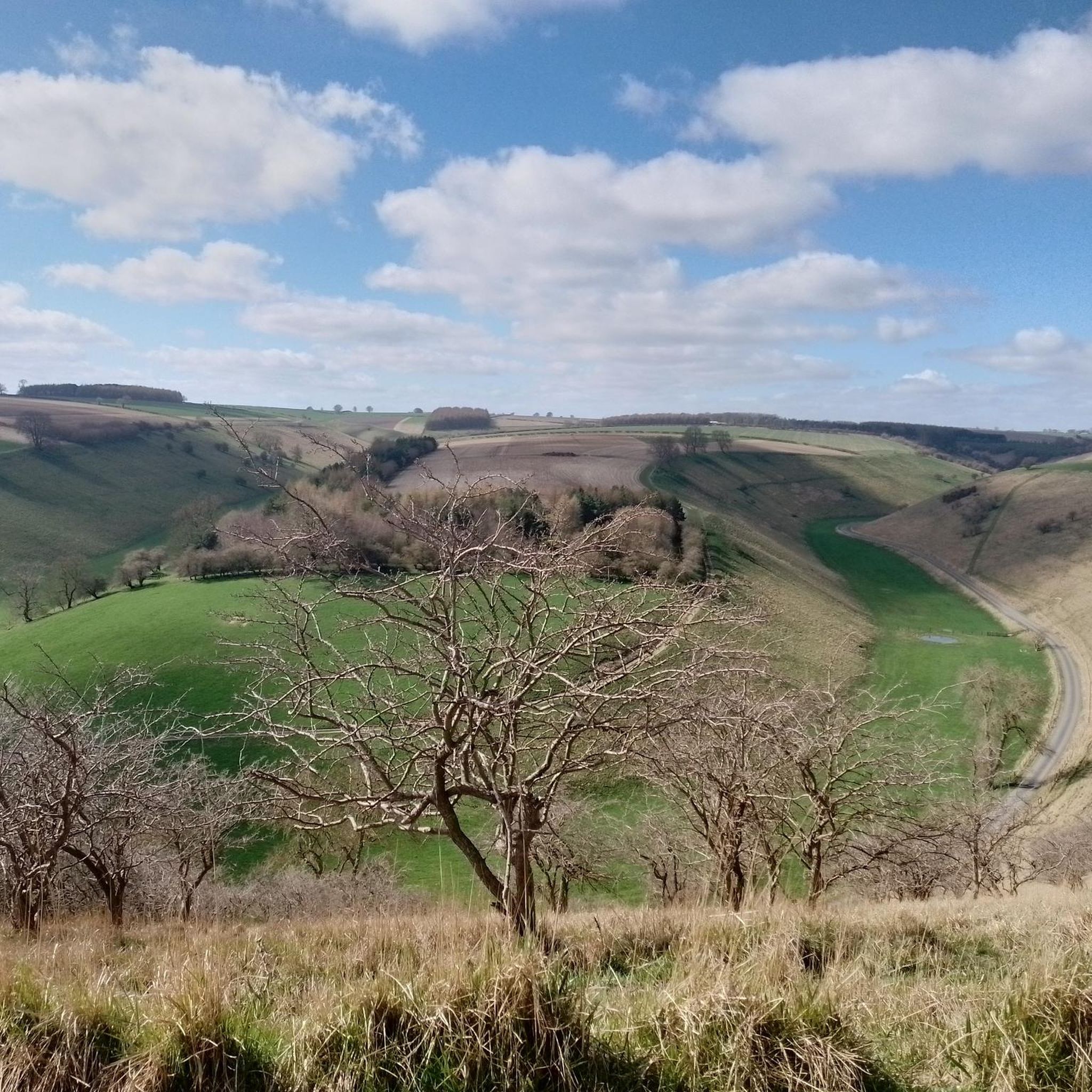
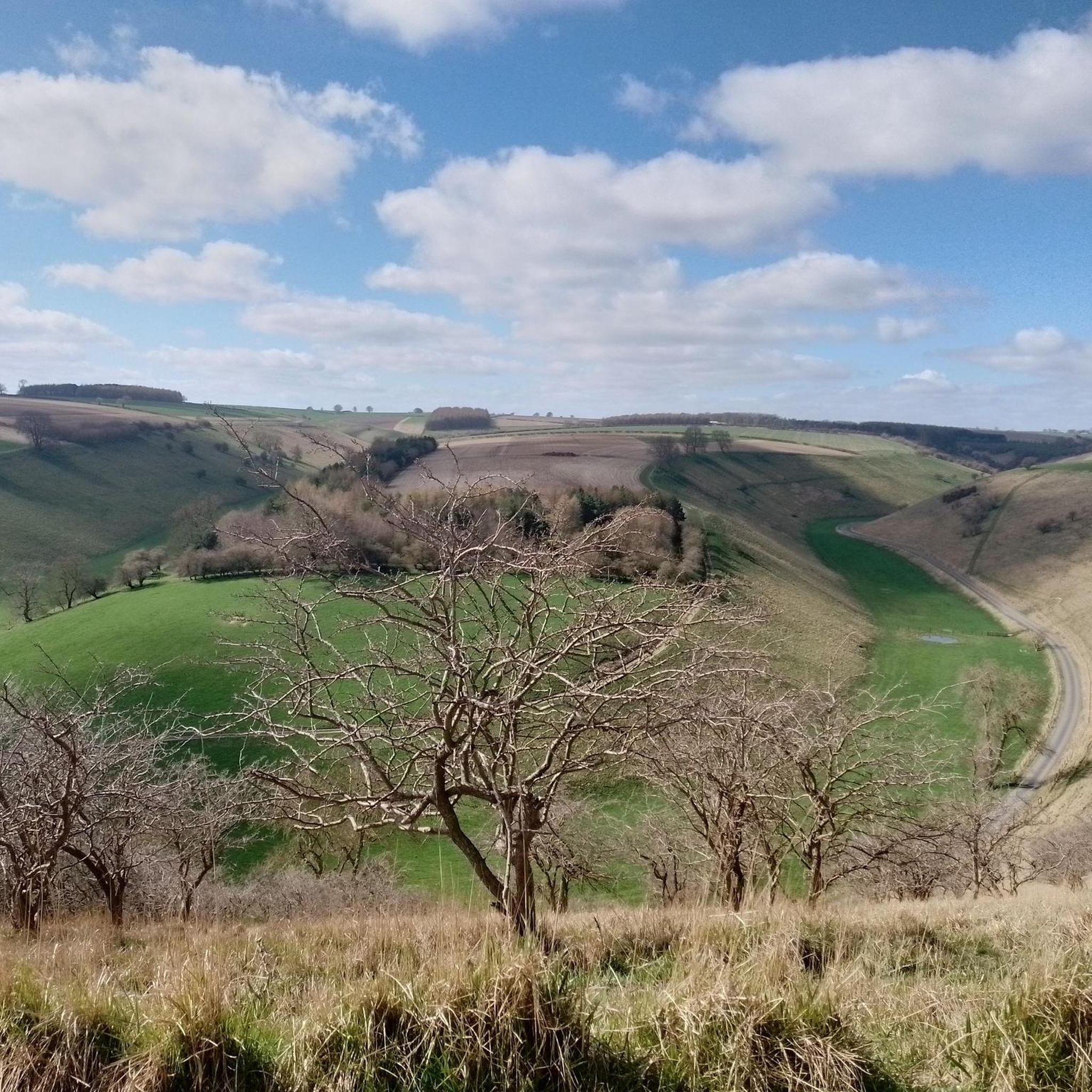
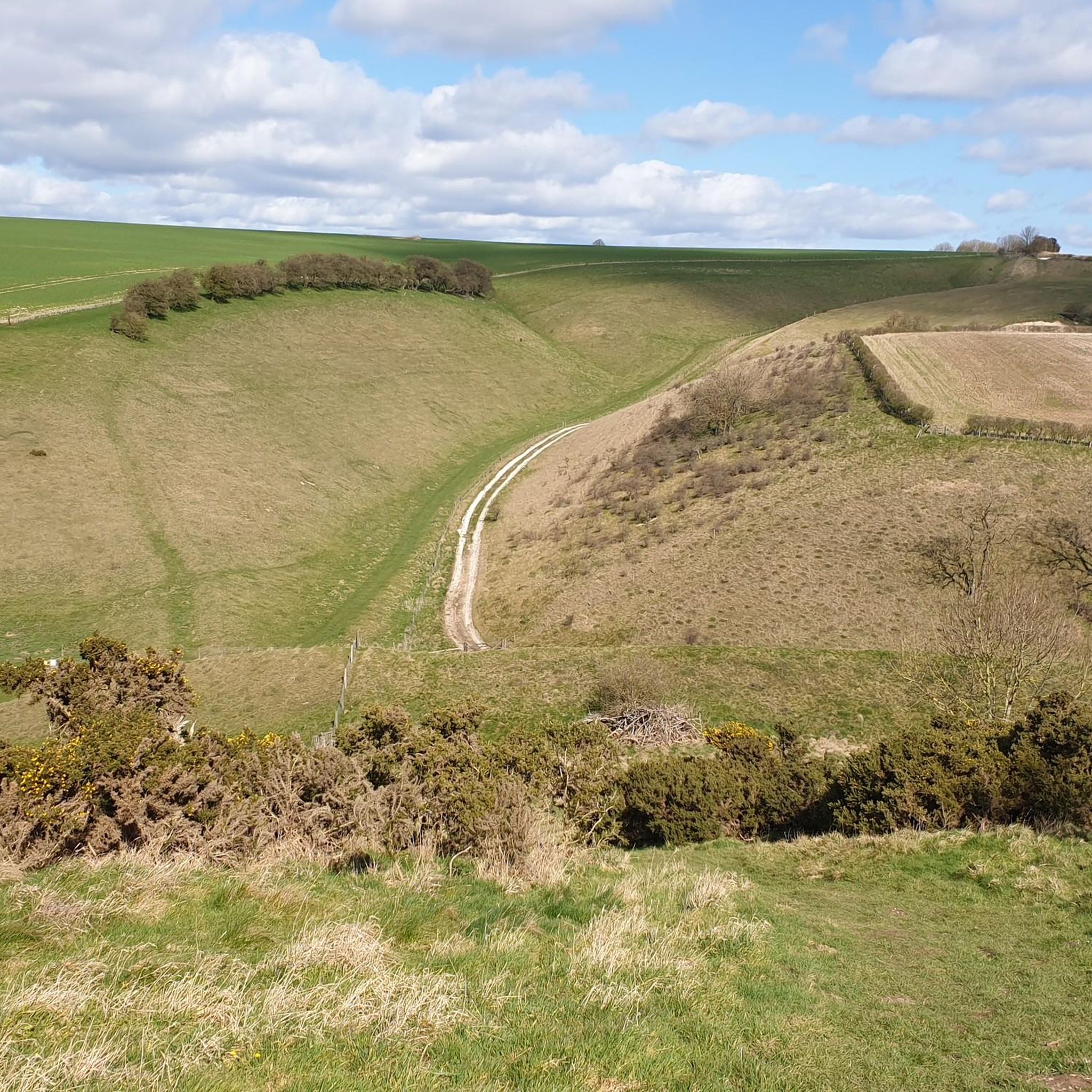
Best attractions and places to see around Thixendale include a mix of natural beauty and historical sites within the Yorkshire Wolds. The village is known for its distinctive dry valleys and rolling hills, making it a popular destination for walkers and nature enthusiasts. This area offers a tranquil escape with unique geological features and a rich historical landscape.
Best attractions and places to see around Thixendale
- The most popular attractions is Wharram Percy — Deserted Medieval Village, a settlement…
Last updated: August 13, 2026
Wharram Percy — Deserted Medieval Village
Highlight • Settlement
Tip by

Kirkham Priory Ruins
Highlight • Historical Site
Tip by

Sign up now to discover places like this
Get recommendations on the best single tracks, peaks, & plenty of other exciting outdoor places.
Sign up for free
Stamford Bridge Railway Viaduct
Highlight • Bridge
Once a vital link for the railway connecting …
Tip by

Howsham Mill and Weir
Highlight • River
The mill fell into …
Tip by
Sledmere House
Highlight • Monument
Tip by

Sign up for free to discover even more attractions around Thixendale.
Sign up for free
Already have an account?
Start today with a free account
Your next adventure awaits.
Login or Signup
Other adventures around Thixendale

Tips from the Community

The oldest surviving cast-iron railway bridge of its kind in Britain, dating back to 1847. - The last train crossed the viaduct on 27 November 1965, after which the line was closed and the structure fell into disuse. By 1991, its condition had deteriorated so badly that East Yorkshire Borough Council planned to demolish it, estimating costs at £60,000. Thanks to local protests and rail heritage campaigners, the demolition was halted. The viaduct was restored and now forms part of the Sustrans National Cycle Network, preserving its legacy for public enjoyment.
0
0
Howsham Mill, attributed to John Carr of York, is a well-preserved example of an 18th-century watermill. The mill uses both a restored waterwheel and Archimedes screw to generate electricity, providing a sustainable energy solution for the local area, and the site is part of a larger effort to promote environmental awareness and education, showcasing how renewable energy can be implemented in a historical setting.
0
0
The remains of this Augustinian priory include a gatehouse adorned with the De Roos family heraldry. You can also learn about the priory's role in World War II, including Winston Churchill's secret visit and its use in training and testing for D-Day.
0
0
Fascinating diversion during a long trek and I agree with Michael Tilley, walking along the Yorkshire Wolds Way, skirting around Deep Dale and then descending in to Wharram Percy is a cracking walk. Plenty of information boards to read to learn about the site. https://www.english-heritage.org.uk/visit/places/wharram-percy-deserted-medieval-village/history/ Re. the above comment: the Yorkshire Wolds Way Partnership does think about the walkers. Hence their accessibility action plan and associated information available on several websites.
1
0
Fascinating diversion during a long trek. Plenty of information boards to read to learn about the site. https://www.english-heritage.org.uk/visit/places/wharram-percy-deserted-medieval-village/history/
2
0

The current Howsham Mill is on the site of an earlier mill built in 1755 that milled flour for the Howsham Estate for almost 200 years. The mill fell into ruins in the mid 1900s before being picked up by the Renewable Heritage Trust and restored to all its glory in 2006. Today, the mill is an events space, environmental education centre and produces energy in the form of hydroelectricity.
2
0
This impressive old railway viaduct that spans over the River Derwent is built from beautiful red brick and consists of 15 arches. Once a vital link for the railway connecting York and Market Weighton, this structure stands as the largest remaining remnant of that historic railway line. Today, it has transformed into a tranquil and traffic-free crossing, offering a picturesque vantage point to admire the waterway below.
1
0

An interesting spot here: a weir on the River Derwent, with Howsham Mill on the opposite bank of the river. The 18th century Howsham Mill had previously fallen into disrepair, but has now been restored.
2
1
Frequently Asked Questions
What natural features define the landscape around Thixendale?
Thixendale is nestled in the distinctive dry valleys and rolling chalk hills of the Yorkshire Wolds. The village itself stands at the meeting point of six valleys, surrounded by chalk grasslands. These unique geological features were shaped by glacial run-off during the Pleistocene Epoch. You can also find the 'Waves and Time' artwork by Chris Drury along the Yorkshire Wolds Way, which represents this ancient natural history.
Are there historical sites to explore near Thixendale?
Yes, the area is rich in history. Just 2.1 miles from Thixendale, you can visit Wharram Percy — Deserted Medieval Village, one of Britain's most famous and well-preserved deserted medieval villages. Other notable sites include the historic St. Mary's Church in Thixendale, part of the Sykes Churches Trail, and the impressive Kirkham Priory Ruins, an Augustinian priory founded in 1120.
What walking opportunities are available in Thixendale?
Thixendale is a popular hub for walkers, situated near the midway point of the 79-mile Yorkshire Wolds Way National Trail. The area also offers numerous other trails, including the Chalkland Way and the Centenary Way, ranging from easy strolls to more challenging hikes through the dry valleys and rolling hills. For specific routes, you can explore easy hikes around Thixendale.
Are there family-friendly attractions around Thixendale?
Several attractions cater to families. Kirkham Priory Ruins and Stamford Bridge Railway Viaduct are both listed as family-friendly. Additionally, Millington Wood, about 4.2 miles away, offers serene natural walks known for bluebells and wildlife, perfect for family outings. Sledmere House also has beautiful grounds and a farm shop that can be enjoyed by families.
Where can I find wildlife and nature spots near Thixendale?
Millington Wood, located about 4.2 miles from Thixendale, is an excellent spot for wildlife spotting and is known for its seasonal bluebells. Kirkham Park Wood and Stittenham Wood also provide opportunities for serene walks and observing local fauna. The dry valleys and chalk grasslands around Thixendale are home to diverse plant and animal life, making the entire area ideal for nature enthusiasts.
What cultural points of interest are there in Thixendale village?
Within Thixendale, you can visit The Robert Fuller Gallery at Fotherdale Farm, which showcases wildlife art. St. Mary's Church, a Grade II listed building designed by G.E. Street, is another significant cultural landmark. The Cross Keys Pub serves as a community hub and has won local CAMRA awards, offering a taste of local life.
Are there cycling routes available near Thixendale?
Yes, the area around Thixendale is well-suited for cycling. You can find various routes for different cycling preferences. For mountain biking, explore MTB trails around Thixendale, including longer loops like the Fridaythorpe, Thixendale and Kirkby Underdale route. Road cyclists can discover road cycling routes around Thixendale, such as the scenic loop past Sledmere House and Gardens.
What is the best time to visit Thixendale for outdoor activities?
The Yorkshire Wolds are beautiful year-round, but spring and summer offer the most pleasant weather for walking and cycling, with wildflowers in bloom and longer daylight hours. Autumn brings vibrant colours to the woodlands. While winter walks can be picturesque, some trails might be muddy or slippery, especially in the dry valleys.
Are there any unique architectural or engineering sights?
The Stamford Bridge Railway Viaduct is an impressive old railway viaduct built from red brick with 15 arches, spanning the River Derwent. It's the largest remaining remnant of the historic railway line connecting York and Market Weighton. Another interesting site is Howsham Mill and Weir, an 18th-century mill restored to produce hydroelectricity and serve as an environmental education centre.
Where can I find refreshments or accommodation in Thixendale?
The Cross Keys Pub in Thixendale is a well-known local establishment that offers food and accommodation. If you visit Sledmere House, you'll find a café and farm shop on site, which are open daily except Mondays and offer delicious homemade cakes.
What are some lesser-known attractions or 'hidden gems' in the Thixendale area?
Beyond the main highlights, consider exploring the various ancient dykes and prehistoric burial sites scattered throughout the area, which hint at the region's deep archaeological past. The unique 'Waves and Time' artwork along the Yorkshire Wolds Way offers a blend of art and nature in a secluded setting. The civic buildings of Thixendale, designed by G.E. Street, also contribute to the village's distinctive 'model estate' look.
What do visitors enjoy most about the attractions around Thixendale?
Visitors particularly appreciate the historical depth and natural beauty. For instance, Wharram Percy — Deserted Medieval Village is praised for its historical significance and the useful information boards. The Kirkham Priory Ruins are considered an unmissable experience for history enthusiasts. The scenic views from the Stamford Bridge Railway Viaduct are also a highlight, offering a tranquil vantage point over the River Derwent.
Most popular attractions around Thixendale

Get inspired with the komoot mobile app


Explore more
Still not found the Highlight you’re looking for? See guides of the top attractions in other regions:
