Attractions and Places To See around Foxholes - Top 9
Best attractions and places to see around Foxholes, North Yorkshire, include historical landmarks and natural features within the Great Wold Valley. The village is situated where the B1249 road crosses this valley, with the Gypsey Race stream passing to the south. This area offers a blend of cultural sites and opportunities to explore the Yorkshire Wolds landscape. Visitors can find ancient churches, stately homes, and scenic routes for outdoor activities.
Best attractions and places to see around Foxholes
- The most…
Last updated: May 22, 2026
Rudston Monolith
Highlight • Natural
Tip by

Sledmere House
Highlight • Monument
Tip by

Sign up now to discover places like this
Get recommendations on the best single tracks, peaks, & plenty of other exciting outdoor places.
Sign up for free
St Peter’s Church, Wintringham
Highlight • Historical Site
Tip by

Way of the Roses: Driffield to Bridlington
Highlight • Cycleway
Tip by

All Saints Church and The Old Folly, Hunmanby
Highlight • Historical Site
Tip by

Sign up for free to discover even more attractions around Foxholes.
Sign up for free
Already have an account?
Start today with a free account
Your next adventure awaits.
Login or Signup
Other adventures around Foxholes

Tips from the Community

The Rudston monolith is the tallest prehistoric standing stone in Britain, measuring almost 8 metres high, nearly 2 metres wide, a metre thick and estimated to weigh somewhere in the region of a massive 26 tons. This giant block of grey sandstone or gritstone was errected here either in the late Neolithic or early Bronze Age and is thought to have been quarried more than 10 miles away in the Cayton Bay area south of Scarborough, although the glacial transportation of a large block of stone that was then shaped and utilised by the prehistoric residents of the area cannot be ruled out. The top of the stone has been weathered and eroded into a fluted peak similar to the stones of the Devil's Arrows and a lead cap was first added to try to preserve it in the 18th century. The churchyard of All Saints that it stands in is of course much younger and although the christianisation of the site took place around 1100AD the stone had already stood here for at least 3000 years. The monolith stands close to the Gypsey Race, an occasional stream that flows along the floor of the Great Wold Valley from close to the barrow of Duggleby Howe in the east, past another pair of barrows at Wold Newton and Willie Howe before turning south past the Argham Henge and Cursus down to Rudston itself where it bends sharply and heads eastwards to the sea at Bridlington. The whole of the Gypsey Race landscape was obviously important in prehistoric times and holds a rich selection of sites, most of which have been destroyed or badly damaged by ploughing, including many round barrows, several long barrows, four cursuses and at least one henge. It continued to retain its importance into the historic period - a major Roman villa was discovered to the southwest of Rudston village. In the corner of the churchyard is a much smaller stone presumably brought here from a local barrow and also the remains of a double cist that was removed from a nearby barrow on Rudston Beacon by the antiquarian Canon Greenwell in the late 19th century.
0
0

Situated in the churchyard in the village of Rudston, this monolith, which stands at over 25 feet, is the tallest megalith in the United Kingdom.
0
0

Rudston Monolith is the tallest standing stone in Britain, but receives very few visitors relative to its high standing. The monolith dates from around 2000BCE and is quarried from the Cleveland Hills, west of Whitby. At just shy of 8m high, it would have involved a significant project to shape and transport and install it.
1
0
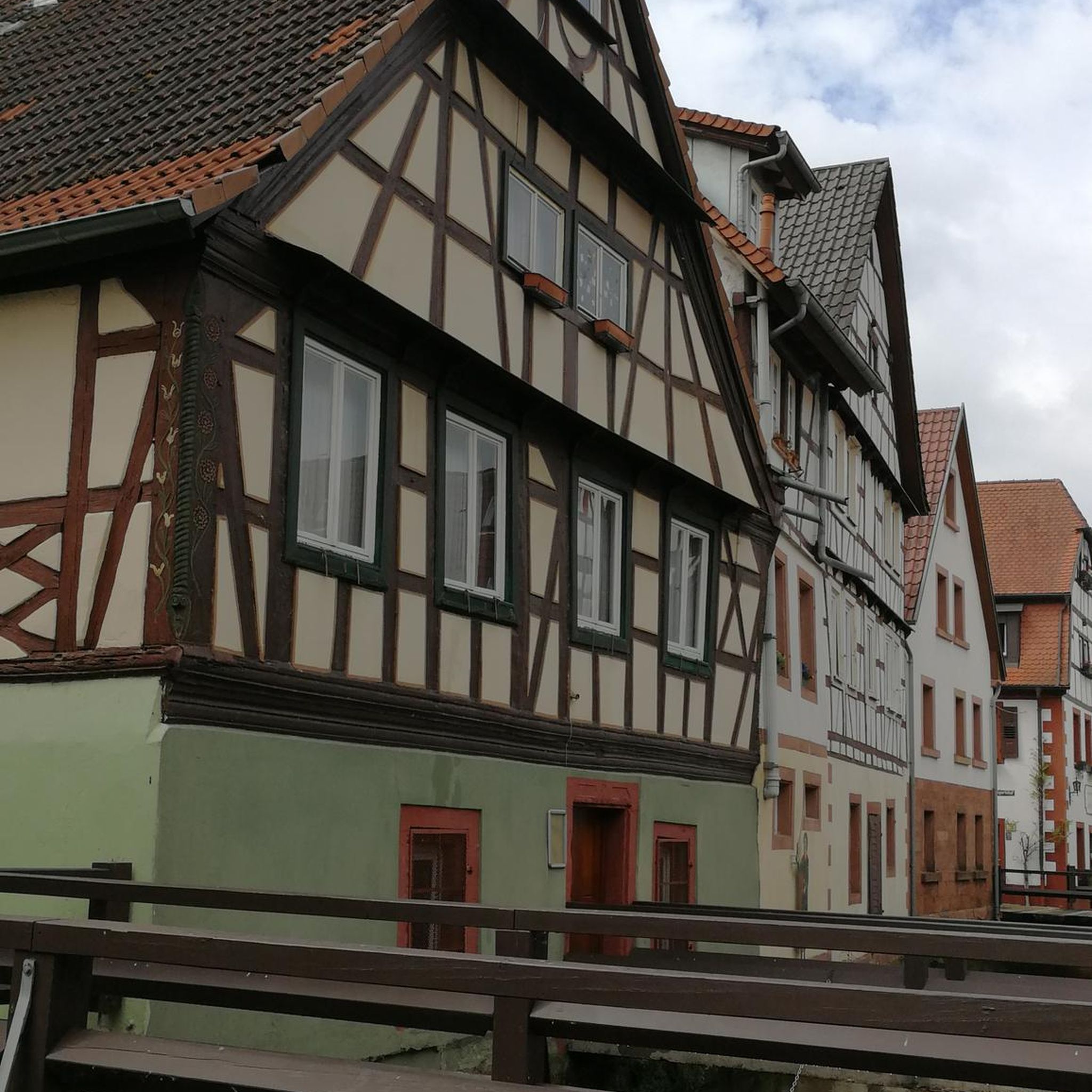
Hunmanby is a village on the edge of the Yorkshire Wolds. It has plenty of eating and drinking options as well as accommodation due to its vicinity to both the Yorkshire coast and the Wolds. It was once the largest village in Britain but has since lost the title. The archway on the edge of the village is a mock gothic ruin, The Old Folly, now a holiday lodge. On display in All Saints Church on Church Hill is a Chain Bible dating from 1541. After the dissolution of the monasteries, Henry VIII demanded that an English bible be housed in every church and read to the congregation. As books were so expensive and rare at the time, the bibles were locked to the church by a chain. This is apparently one of only six surviving 16th century chain bibles.
0
0

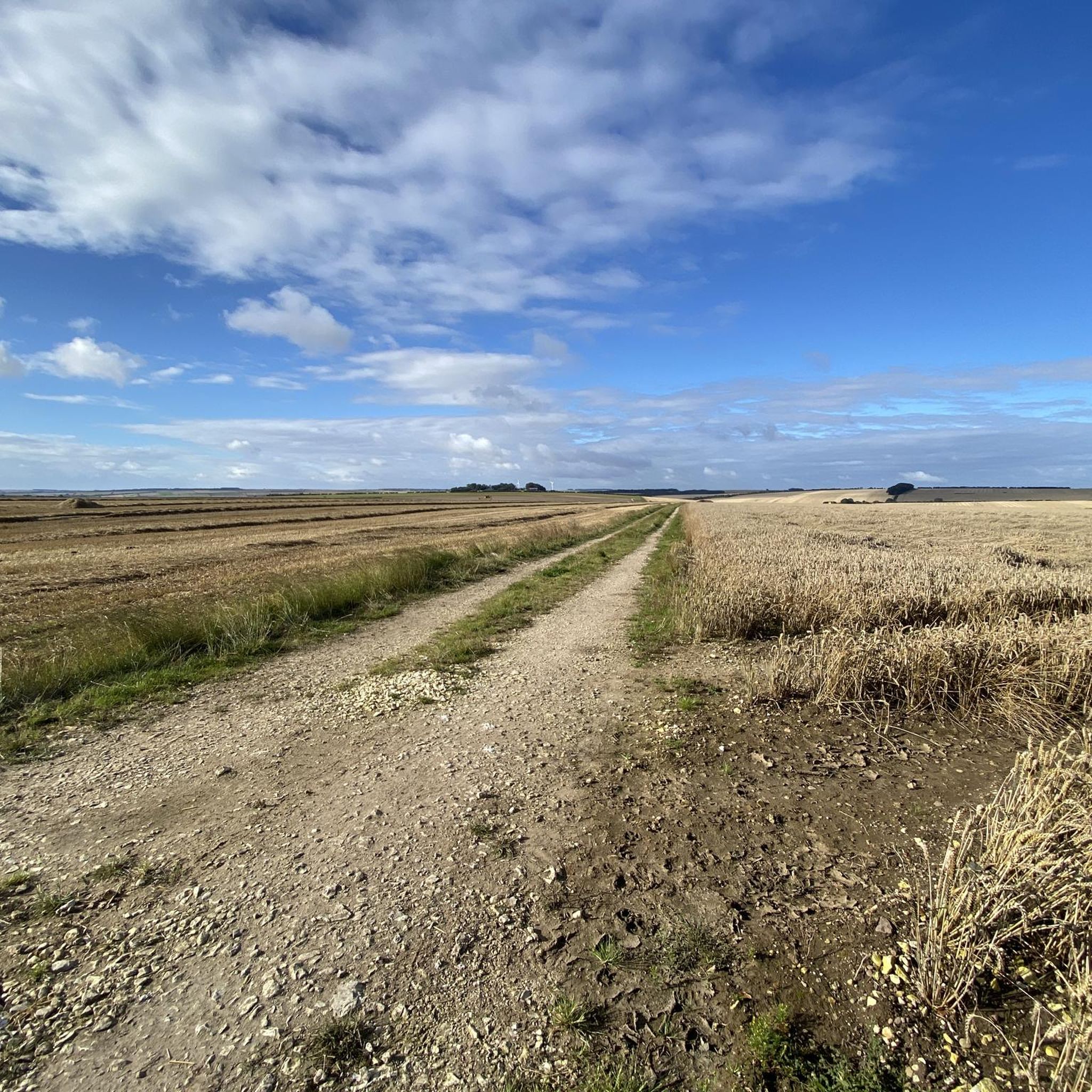
The first (or last) bit of the Way of the Roses, depending on which direction you're riding in. Lovely quiet cycle route most of the way from Driffield to Brid. A pleasure to ride!
1
0

The monolith is 8 metres high, nearly 2 metres wide and a metre thick. The nearest source for the stone is 10 miles away in the Cayton Bay area. It is unclear if the stone was moved by man or by glacial transport.
0
0

good cafe stop and house and gardens if thats your thing
0
0

Built from golden stone, Sledmere House is a regal Grade I listed Georgian country house on the outskirts of Sledmere village. The house was originally built in 1751 and re-built after a fire in 1911. It has belonged to the wealthy Sykes family since its construction. The house is set amongst wonderful gardens and parkland that were designed by the prominent landscape architect Capability Brown. The walled gardens are especially beautiful and featured on the TV show, Gardeners World. Today, you can visit the house, gardens, tea rooms and farm park, and even stay the night. The gardens and cafe are open all year around Tuesday to Sunday from 10am - 5pm. The house is open from 5th April until 25th October. Tickets for adults cost £12.50. You can find more information, here: https://www.sledmerehouse.com/
0
0
Frequently Asked Questions
What historical sites can I visit around Foxholes, North Yorkshire?
The area is rich in history. You can explore St Peter’s Church, Wintringham, a large Norman church featuring a 12th-century chancel, medieval wall paintings, and 15th-century stained glass windows. Another significant site is Sledmere House, a beautiful Georgian estate designed by Samuel Wyatt and Sir Christopher Sykes. Additionally, All Saints Church in Hunmanby houses a rare Chain Bible from 1541, and nearby is The Old Folly, a mock gothic ruin.
Are there any family-friendly attractions near Foxholes?
Yes, several attractions are suitable for families. Sledmere House offers extensive grounds for strolls, and its cafe and farm shop are free to visit. The Way of the Roses: Driffield to Bridlington provides a quiet and enjoyable cycling experience for all ages. Many of the historical churches, like St Peter’s Church, Wintringham, are also welcoming to families.
What natural features or viewpoints can I find in the Foxholes area?
Foxholes is nestled in the Great Wold Valley, with the winterbourne stream, the Gypsey Race, passing to the south. You can experience the elevated landscape of East Heslerton Wold, which offers a sense of being high up on the edge of the Yorkshire Wolds, with quiet lanes and views towards the Vale of Pickering. The area is also part of the scenic Yorkshire Wolds Way.
What outdoor activities are available around Foxholes?
The region offers a variety of outdoor pursuits. You can find numerous hiking trails, including moderate routes like the 'Sledmere House – Sledmere War Memorial loop' or the 'St Peter’s Church, Wintringham loop'. For more details on hiking, visit the Hiking around Foxholes guide. Cycling is also popular, with routes like the Way of the Roses: Driffield to Bridlington, and other easy to difficult cycling tours available in the Cycling around Foxholes guide. Mountain biking trails are also present, with options ranging from easy to moderate, as detailed in the MTB Trails around Foxholes guide.
Are there any notable churches in the Foxholes vicinity besides St Peter's?
Yes, in addition to St Peter’s Church, Wintringham, you can visit St Mary's Church in Foxholes itself, a Grade II listed former Anglican church built in 1866 with neo-Norman architecture. Also, All Saints Church in Hunmanby is notable for its 1541 Chain Bible.
Where can I go for a scenic walk or hike near Foxholes?
The area offers several scenic walking opportunities. You can explore the quiet lanes and elevated views of East Heslerton Wold, which is part of the Yorkshire Wolds Way. There are also various hiking routes, such as the 'Sledmere House – Sledmere War Memorial loop' or the 'Garton Bottom – Cottam Old Ruined Church loop', which are generally moderate in difficulty. For more options, refer to the Hiking around Foxholes guide.
What is the 'Way of the Roses' highlight near Foxholes?
The Way of the Roses: Driffield to Bridlington is a section of a longer, well-known cycle route. This particular segment offers a quiet and enjoyable cycling experience between Driffield and Bridlington, making it a pleasure to ride for cyclists of varying abilities.
What is special about Sledmere House?
Sledmere House is a beautiful Georgian country estate designed by Samuel Wyatt and Sir Christopher Sykes. While there are entry fees for the house itself, visitors can freely access and enjoy strolls through its grounds, and visit the cafe and farm shop, which are known for delicious homemade cakes and local produce.
Are there any nature reserves or wildlife spots nearby?
While not directly within Foxholes, nearby nature reserves include Burton Riggs, known for its large, open lakes and birdwatching opportunities, and Filey Dams, the last remaining freshwater marsh of its size in the area. Chafer Wood is also noted for bluebells, ramsons, and other woodland plants, offering a serene escape for nature lovers.
What is the Gypsey Race?
The Gypsey Race is a winterbourne stream that passes to the south of Foxholes village. It is a natural feature of the Great Wold Valley, characteristic of the local geography.
What is the best way to explore the Yorkshire Wolds from Foxholes?
From Foxholes, you can easily access the Yorkshire Wolds Way, a long-distance walking route. Exploring East Heslerton Wold offers a great starting point, providing elevated views and quiet lanes. The area is ideal for hiking and cycling, with numerous routes available to immerse yourself in the Wolds landscape. Consider the Hiking around Foxholes guide for specific trail suggestions.
Can I find places to eat or stay near the attractions?
Yes, villages like Hunmanby, located on the edge of the Yorkshire Wolds, offer plenty of eating and drinking options, as well as accommodation, due to its proximity to both the Yorkshire coast and the Wolds. Sledmere House also has a cafe and farm shop that can be visited for refreshments.

Get inspired with the komoot mobile app


Explore more
Still not found the Highlight you’re looking for? See guides of the top attractions in other regions:
