Top 20 Castles around Wilsdruff
Best castles around Wilsdruff offer a glimpse into Saxony's rich history and architectural heritage. The region features historical structures, from former moated castles to Baroque residences. These sites provide insight into the area's past, including noble families and evolving architectural styles. Visitors can explore a variety of historical landmarks that reflect centuries of regional development.
Best castles around Wilsdruff
- The most popular castles is Frauenkirche, Dresden, a religious building that features a magnificent Baroque structure. Its church tower provides…
Last updated: May 11, 2026
Frauenkirche, Dresden
Highlight • Religious Site
Translated by Google •
Tip by

Dresden Zwinger
Highlight • Historical Site
Translated by Google •
Tip by

Sign up now to discover places like this
Get recommendations on the best single tracks, peaks, & plenty of other exciting outdoor places.
Sign up for free
Schloss Wackerbarth Winery and Vineyard
Highlight • Castle
Translated by Google •
Tip by

Ruins of Tharandt Castle
Highlight • Castle
Translated by Google •
Tip by

Dresden Zwinger
Highlight • Historical Site
Translated by Google •
Tip by

Sign up for free to discover even more castles around Wilsdruff.
Sign up for free
Already have an account?
Start today with a free account
Your next adventure awaits.
Login or Signup
Popular around Wilsdruff
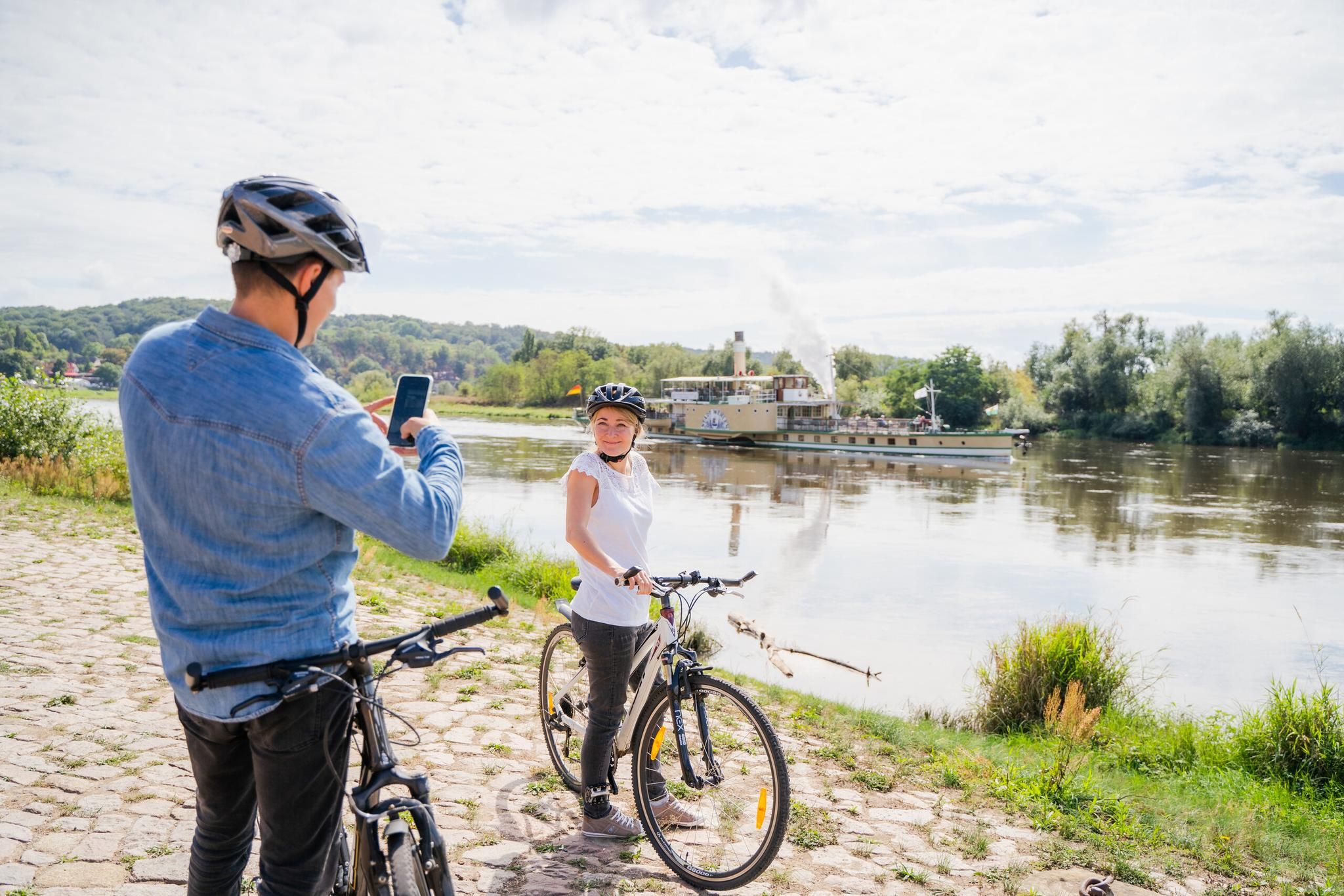
Fun on two wheels – e-bike Tours through Dresden Elbland
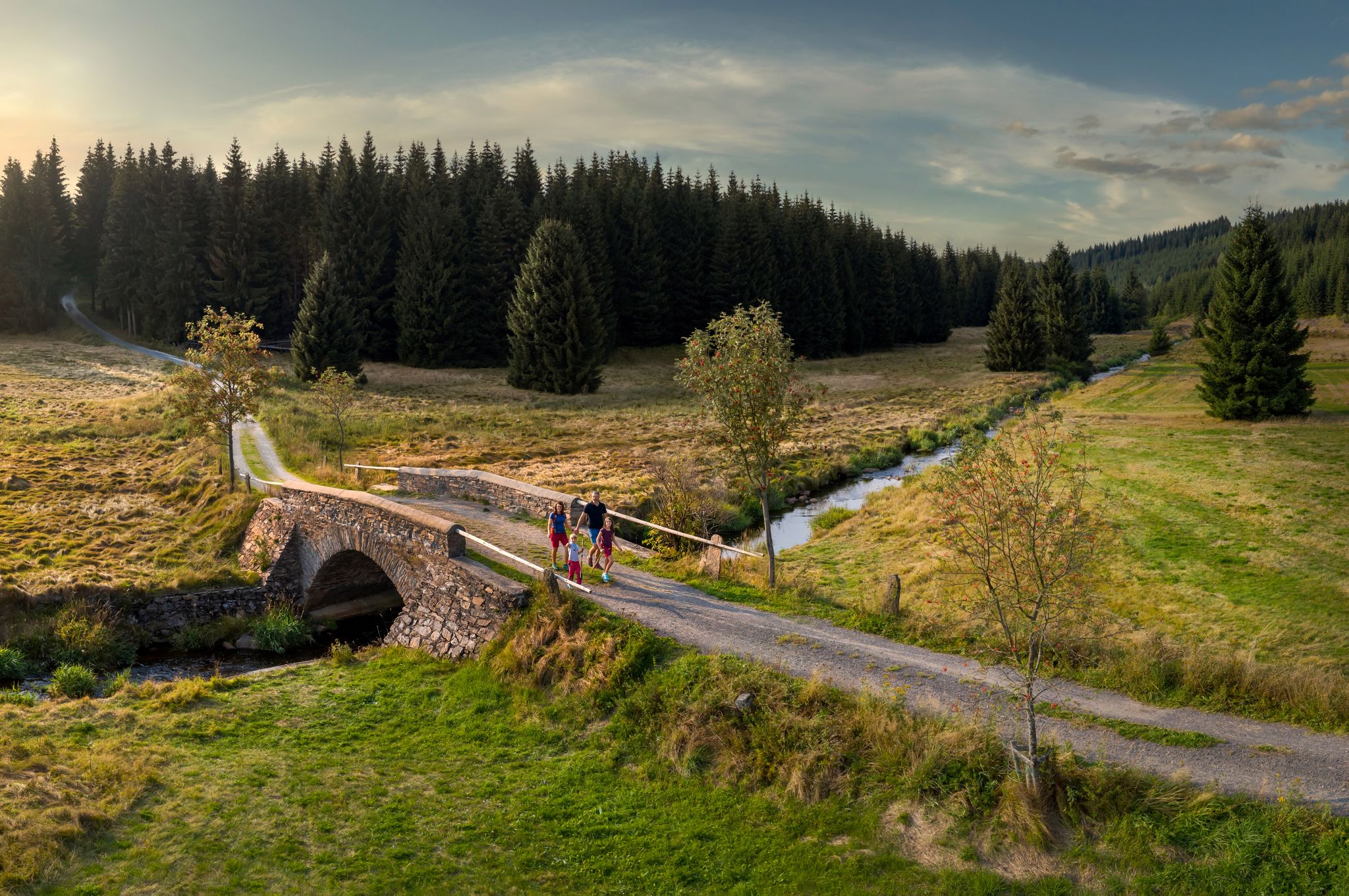
‘Good luck’ in the hiking paradise of the Ore Mountains
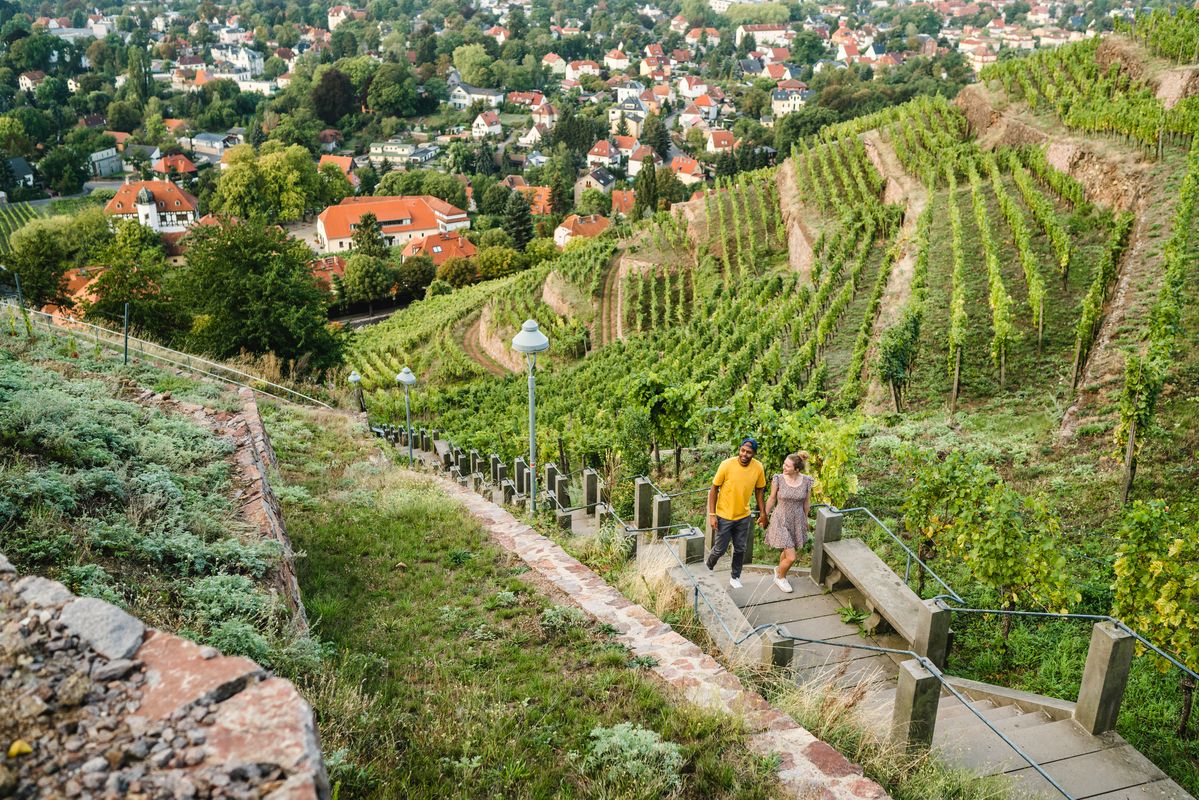
Great places closer to home – nature and fun in the Dresden Elbland
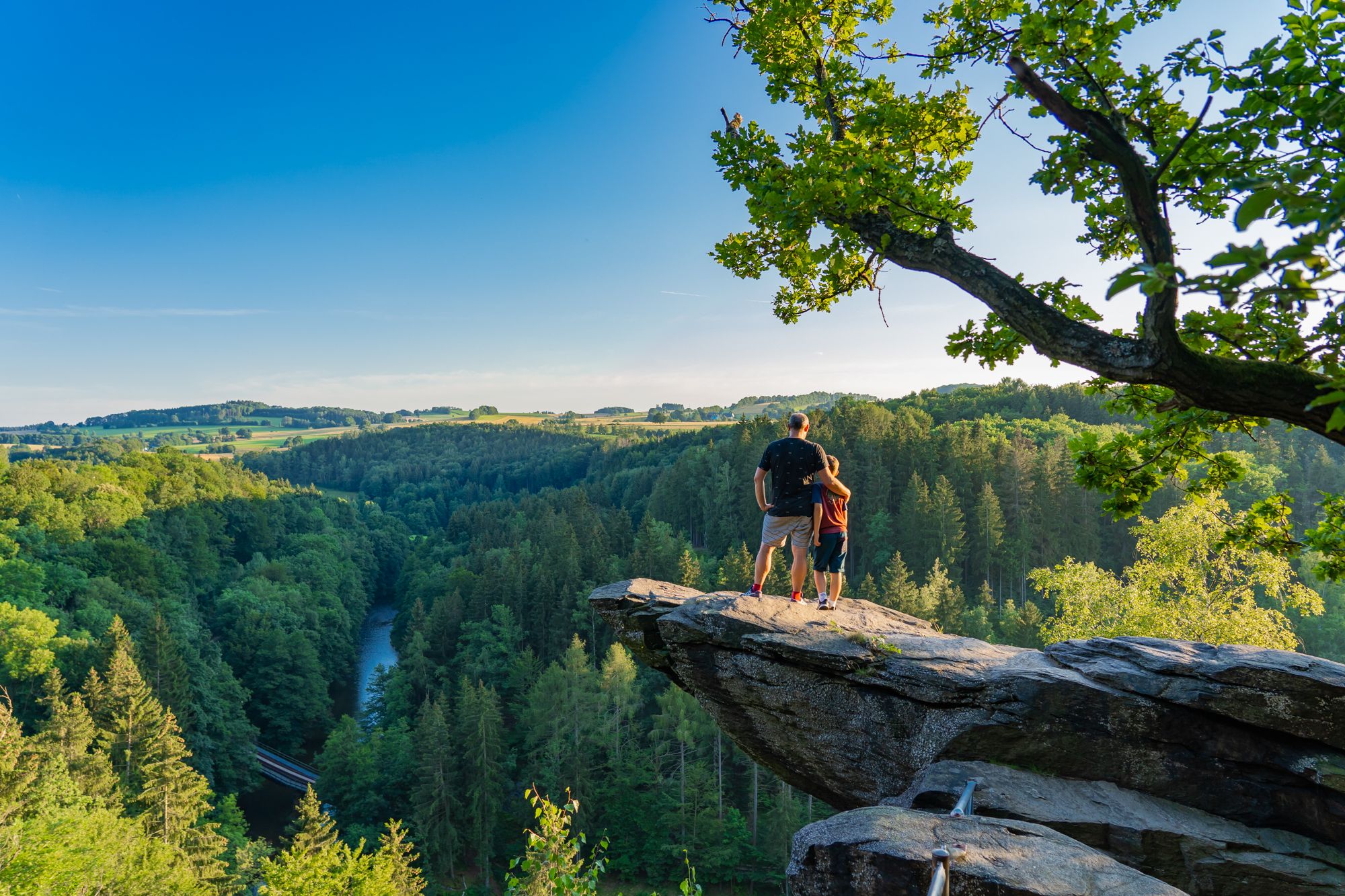
Wandertouren - Gipfelglück
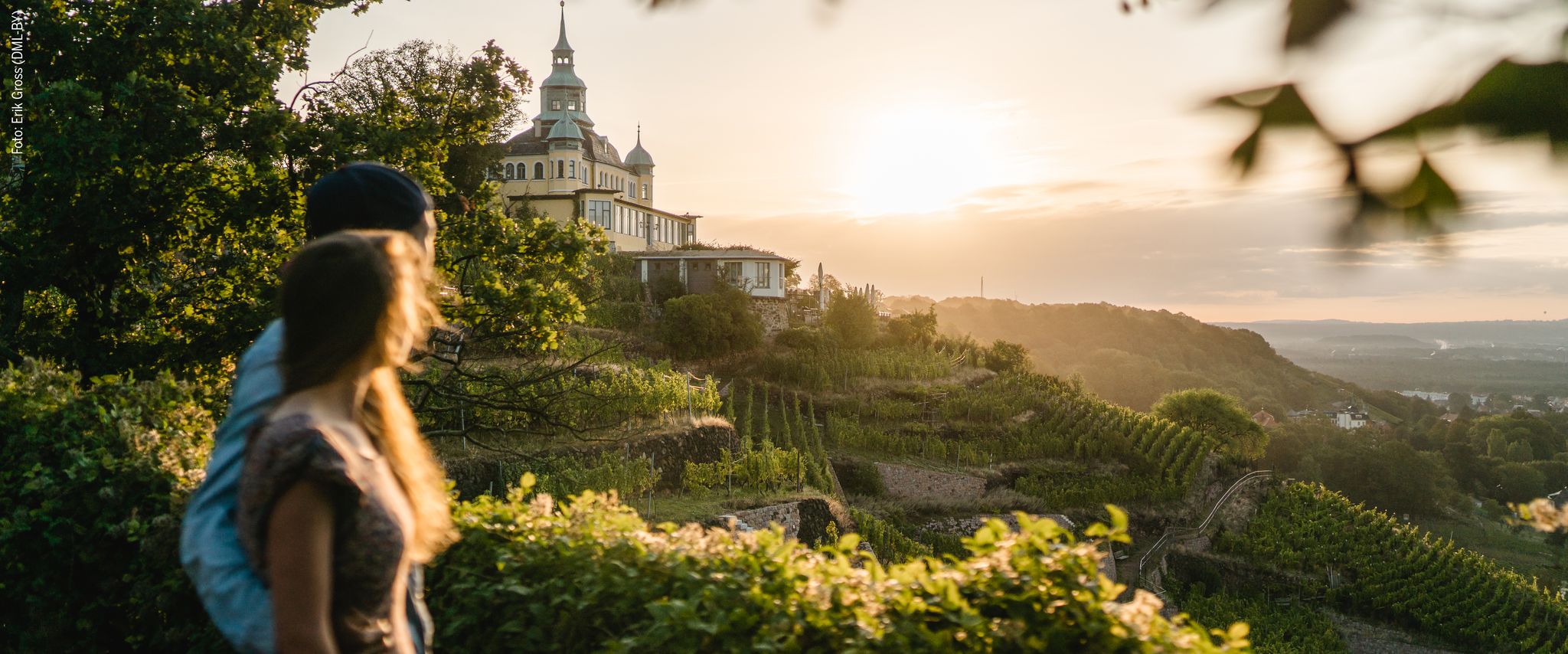
Natur entdecken – 10 Wandertouren abseits der Hauptpfade im Dresden Elbland
Hiking around Wilsdruff
Cycling around Wilsdruff
Running Trails around Wilsdruff
Road Cycling Routes around Wilsdruff
MTB Trails around Wilsdruff
Other adventures around Wilsdruff


Tips from the Community

The Dresden Frauenkirche, a magnificent baroque building, dominates the cityscape of Dresden with its imposing stone dome - the largest north of the Alps. This architectural jewel also stands as a profound symbol of historical events. Destroyed in the Second World War, it remained in ruins for decades until it was finally faithfully rebuilt from its own remains. Of the millions of stones used, approximately 3800 original stones were reused. Today, the Frauenkirche is more than ever a symbol of peace and reconciliation. As a symbol of the city, it shines again in all its grandeur and reminds us of the indefatigable possibility of restoration and hope.
23
2

From the castle there is a beautiful climb up the vineyard and you walk directly between the 🍇 vines. From the top you have a wonderful view 🤩.
12
1

Small winery with guided tours and tastings, as well as a restaurant and summer festivals in the well-kept park.
15
1

A beautiful building and a highlight in Dresden.
8
0


Tharandt Castle dates from around 1200. It is known as a spur castle, is in a prominent position and was used to monitor silver mining and was around 100 meters long. Remains of the outer bailey and impressive parts of the main bailey have been preserved. This is how you come across the outer walls of the imposing keep and the palace with the adjoining defense tower. In addition, other remains of buildings and parts of the circular wall can be seen. The complex invites to visit with its location on the narrow ridge and the well assignable remains. With good views of the valleys and the town of Tharandt. The mountain church "Zum Heiligen Kreuz" was built between 1626 and 1629 using the old masonry of the lower castle of Tharandt and the portal of the castle chapel (around 1250) and consecrated in 1631. Today the Bergkirche is an Evangelical Lutheran Church. During the summer months, the mountain church is open to visitors on Saturdays and Sundays from 2:00 p.m. to 4:00 p.m.
7
0

There is a lot to discover in the grounds of the kennel. From the outside it looks like a square enclosed area, but if you put your foot here and there ... upstairs and downstairs ... you will discover many interesting details!
12
0

The castle in Tharandt was built between 1858 and 1861 instead of a country house and acquired in 1866 by the Polish count and chamberlain Michael Jérôme Leszczyc-Sumiński. He had remodeling work done and in 1898 bequeathed the castle to his stepson Baron von Recum. In 1936 redesign work took place again after the castle was destroyed by fire. The archway has design elements from Indian-Islamic architecture. The castle is located below the castle ruins.
8
1
Frequently Asked Questions
What kind of historical sites can I expect to see around Wilsdruff?
The Wilsdruff area features a mix of historical structures, from former moated castles to Baroque residences. While some, like Schloss Limbach and Schloss Wilsdruff, offer a glimpse into the region's past through their architecture and history, others like Frauenkirche, Dresden, and Dresden Zwinger provide grander historical and architectural experiences.
Are there any unique historical stories or legends associated with castles in Wilsdruff?
Yes, Schloss Wilsdruff, for example, is associated with the local legend of the 'White Lady' (Weiße Frau), a ghost said to appear in the castle and its park on specific dates. While the castle is now private residences, its folklore adds to its unique character.
Are there family-friendly castles or historical sites to visit near Wilsdruff?
Several sites near Wilsdruff are considered family-friendly. Frauenkirche, Dresden, Dresden Zwinger, Schloss Wackerbarth Winery and Vineyard, and Hoflößnitz Castle and Saxon Wine Museum all offer experiences suitable for families, often including museums, gardens, or open spaces to explore.
What outdoor activities can I do near the castles around Wilsdruff?
The Wilsdruff region offers various outdoor activities. You can find numerous MTB trails, cycling routes, and gravel biking routes. For example, you could explore the 'Mulde River Valley – Wilde Sau Forest Path loop' for MTB or the 'Quiet Road Through Kaufbach – View of Begerburg loop' for cycling.
Are there hiking trails near the castles in the Wilsdruff area?
While specific hiking trails directly around Schloss Limbach or Schloss Wilsdruff are not highlighted, the broader region offers many opportunities for walking and hiking. You can find various routes for MTB, cycling, and gravel biking that often include scenic paths suitable for walking, especially around natural features and viewpoints.
What are some notable viewpoints or natural features near the castles?
Many castles and historical sites offer excellent viewpoints. For instance, the church tower of Frauenkirche, Dresden provides extensive views of the city. At Dresden Zwinger, you can walk the balustrades for views of the entire area. The Ruins of Tharandt Castle also offer great views amidst a wildly romantic setting.
What is the best time of year to visit castles and historical sites around Wilsdruff?
The best time to visit largely depends on your interests. Spring and autumn offer pleasant weather for exploring outdoor areas and vineyards like Schloss Wackerbarth and Hoflößnitz. Summer allows for enjoying the inner courtyards and gardens, such as those at Dresden Zwinger. Indoor attractions like museums are accessible year-round.
Are there any castles or historical sites that are easily accessible by public transport near Wilsdruff?
Major attractions like Frauenkirche, Dresden and Dresden Zwinger are located in Dresden, which is well-served by public transport. For sites further afield, checking local bus or train schedules to the nearest towns is recommended. Schloss Limbach and Schloss Wilsdruff are within Wilsdruff itself, making them locally accessible.
What do visitors enjoy most about the castles and historical sites in the Wilsdruff region?
Visitors appreciate the rich history and architectural heritage. Many enjoy the magnificent Baroque structure of Frauenkirche and the extensive views from its tower. The museums and inviting inner courtyard of Dresden Zwinger are also highly rated. The well-kept gardens and wine-tasting opportunities at Schloss Wackerbarth and Hoflößnitz are also popular.
Are there any castles that are currently undergoing renovation or have limited public access?
Yes, Schloss Limbach is currently in a poor state of repair and undergoing renovation, meaning it's not a primary tourist attraction with public access. Similarly, Schloss Wilsdruff is now private residences, so it's not openly accessible as a museum or historical site, though its historical architecture can be viewed from the exterior.
Can I find cafes or restaurants near the castles and historical sites?
Yes, several locations offer dining options. Schloss Wackerbarth Winery and Vineyard has a restaurant in its well-kept garden, and Hoflößnitz Castle and Saxon Wine Museum features a wine tavern and wine terrace. In Dresden, near Frauenkirche and Dresden Zwinger, you'll find numerous cafes and restaurants.
Are there any castle ruins to explore near Wilsdruff?
Yes, the Ruins of Tharandt Castle offer a fascinating historical experience. This wildly romantic castle ruin, with its beautiful mountain church, is a worthwhile destination for those interested in exploring historical remnants.
Most popular routes around Wilsdruff
Most popular attractions around Wilsdruff

Get inspired with the komoot mobile app


Explore more
Looking for the best castles somewhere else? Discover other guides around Wilsdruff:
