Attractions and Places To See around Wighill - Top 20
Attractions and places to see around Wighill include a blend of historical landmarks, natural beauty, and cultural sites in North Yorkshire, England. The area features the picturesque River Wharfe and offers various points of interest for visitors. Wighill provides opportunities to explore historical monuments, scenic trails, and natural features.
Best attractions and places to see around Wighill
- The most popular attractions is Pompocali and Hetchell Wood, a site with conical hills and mounds. This area offers splendid vistas and…
Last updated: October 7, 2026
Harland Way (Wetherby Railway Path)
Highlight • Viewpoint
Tip by

Nellie's Tree
Highlight • Natural Monument
---
Nearly 100 years ago, Vic Stead would walk from his home in Garforth near Leeds, …
Tip by

Sign up now to discover places like this
Get recommendations on the best single tracks, peaks, & plenty of other exciting outdoor places.
St John the Baptist Church, Healaugh
Highlight • Historical Site
Tip by

Pompocali and Hetchell Wood
Highlight • Structure
Tip by
Woodhall Bridge Over the River Wharfe
Highlight • Cycleway
The bridge was constructed in 1868 as a railway bridge by Joseph Whitham and Son …
Tip by

Sign up for free to discover even more attractions around Wighill.
Already have an account?
Start today with a free account
Your next adventure awaits.


Tips from the Community

Traffic free route. Great for children with a stop off to play at”Devils Toenail “
0
0

stop off at the pub or coffee shop after. check opening times. parking on the main road is free
0
0

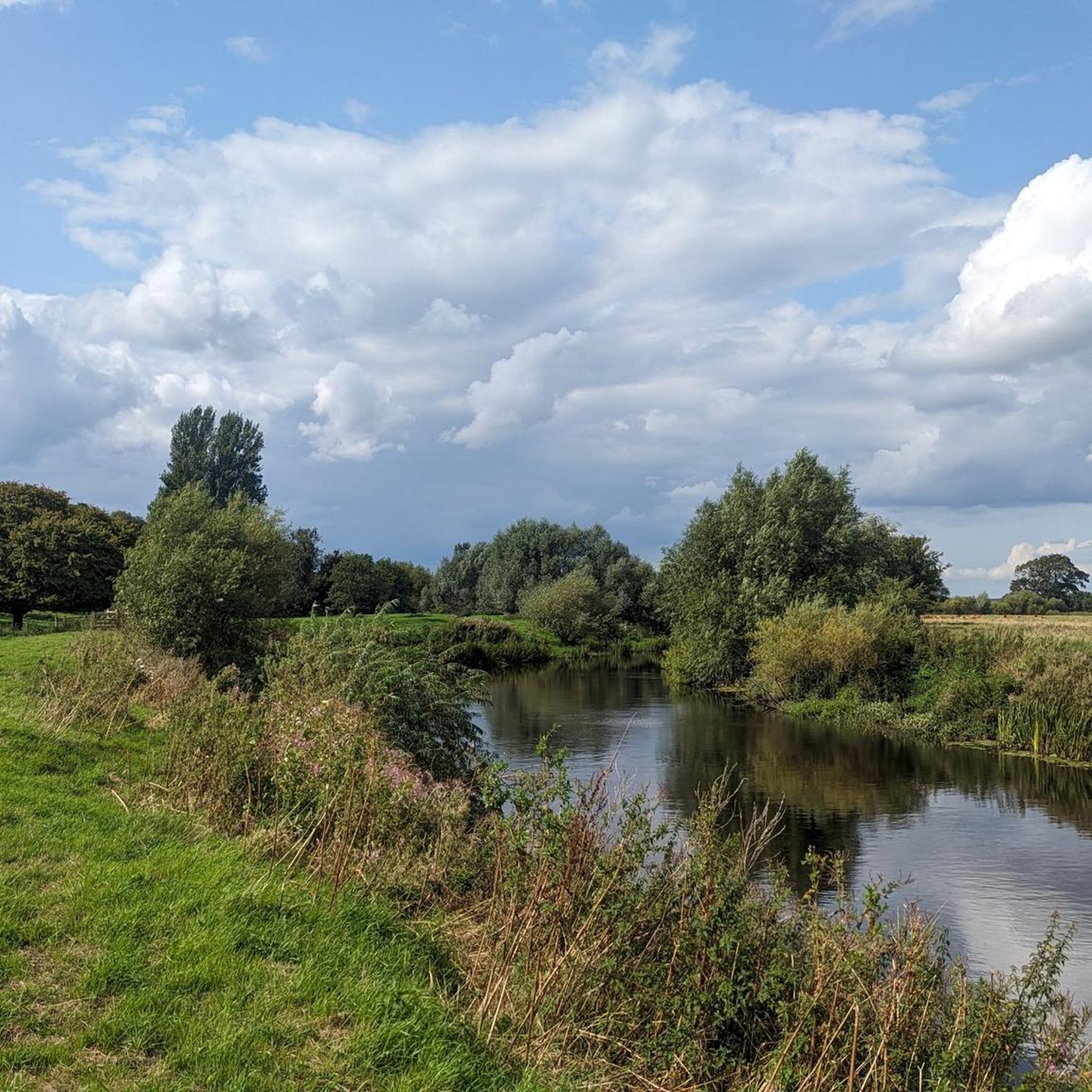
Woodhall Bridge is a beautiful five-span wrought iron truss that spans over the River Wharfe. The bridge was constructed in 1868 as a railway bridge by Joseph Whitham and Son of Leeds, it now acts as a bridleway carrying pedestrians and cyclists over in a scenic woodland area. It's a beautiful place to stop and catch your breath before continuing your meander along the river.
1
0

Previously thought to be a Roman Fort, quarry, or burial site, Pompocali (known by various names across different eras) held a presumption of potentially being quarried by the Romans, although no substantiating evidence exists apart from the adjacent Roman road. Yet, regardless of its historical origins, Pompocali stands as an exquisite locale, offering splendid vistas and an opportunity to ascend its conical hills and mounds, enhancing the experience of this picturesque site.
1
0
The construction of the church is thought to have taken place around 1150, and remnants of the Norman-era structure remain both within its walls and on its exterior. The chancel and the south door stand as the most ancient segments that persist, originating from the earliest times. Subsequently, the north aisle and the priest's door emerged during the final quarter of the 12th century, marking the next stages of architectural evolution. The trio of church bells, crafted by George Dalton in the year 1786. While these bells frequently ring out, their full peal cannot be executed due to a crack within the tower. This precautionary measure is in place to prevent exacerbating the crack's condition through excessive vibrations.
2
0
The pathway, alternatively referred to as the Harland Way, stretches approximately 3 miles alongside a formerly abandoned railway track. It commences with a segment bordered by trees, gradually unveiling expansive countryside vistas that offer delightful glimpses of the neighbouring farmlands. The journey then leads to the picturesque village of Spofforth, where charming 18th-century cottages grace the landscape, accompanied by the captivating presence of Spofforth Castle, which holds a rich history waiting to be explored.
1
1

Really flat, smooth route between Wetherby and Spofforth along the old railway track. Mostly part of National Cycle Route 67.
0
0
Frequently Asked Questions
What historical sites can I visit around Wighill?
Wighill is rich in history. You can explore the Church of All Saints, a Grade I listed building with origins dating back to the 12th century, featuring a Norman doorway and ancient pews. The Marston Moor Battle Monument commemorates a significant English Civil War battle from 1644. Additionally, you can see Wighill Manor, a Grade II listed house built in 1791 on the site of the historic Stapleton family seat.
Are there any natural features or scenic viewpoints near Wighill?
Yes, the area offers several natural highlights. The southern end of Wighill parish borders a picturesque meander of the River Wharfe. You can also visit Pompocali and Hetchell Wood, known for its splendid vistas and conical hills. Don't miss Nellie's Tree, a recognized 'Natural Monument' with a unique local story.
What walking trails are available around Wighill?
There are several walking opportunities. The Harland Way (Wetherby Railway Path) is an approximately 3-mile pathway following an abandoned railway track, offering expansive countryside views and leading to Spofforth. For more options, you can explore various routes listed in the Hiking around Wighill guide, including easy and moderate trails like the Thorp Arch Bridge loop.
Are there family-friendly attractions in the Wighill area?
Many attractions around Wighill are suitable for families. Pompocali and Hetchell Wood offers hills to explore and splendid views. The Harland Way (Wetherby Railway Path) is a gentle trail perfect for family walks or cycling. The Marston Moor Battle Monument provides an educational historical outing.
Where can I find places to eat or drink near Wighill?
For refreshments, The White Swan Inn in Wighill is a traditional 18th-century country pub offering real ales and home-cooked food. It also features a large beer garden with views, making it a popular spot for walkers and cyclists.
What cycling routes are available around Wighill?
Cyclists can enjoy the Harland Way (Wetherby Railway Path), which is also suitable for bikes. The Woodhall Bridge Over the River Wharfe is part of a bridleway for cyclists and pedestrians. For more dedicated cycling, check out the Road Cycling Routes around Wighill guide or the MTB Trails around Wighill guide for various difficulty levels.
Is there a notable bridge or river feature in the area?
Yes, the Woodhall Bridge Over the River Wharfe is a scenic five-span wrought iron truss bridge built in 1868. It now serves as a bridleway for pedestrians and cyclists, offering a beautiful crossing through a woodland area. The River Wharfe itself forms a picturesque border to the south of Wighill parish.
What is the significance of Nellie's Tree?
Nellie's Tree is a 'Natural Monument' with a romantic local legend. It was formed nearly 100 years ago when Vic Stead grafted a beech sapling between two others to create the letter 'N' for Nellie, the woman he was courting. It's also known as the 'Love Tree' by locals.
Are there any accommodations near Wighill?
Brook Hall, adjacent to the Church of All Saints, is a rural mansion constructed in 1835 that now operates as a hotel, offering unspoiled views of the surrounding landscape.
What is the Harland Way?
The Harland Way (Wetherby Railway Path) is an approximately 3-mile pathway that follows a formerly abandoned railway track. It starts near Wighill and offers expansive countryside views, eventually leading to the village of Spofforth, home to Spofforth Castle.
What is Pompocali and Hetchell Wood?
Pompocali and Hetchell Wood is an area known for its splendid vistas and distinctive conical hills and mounds. Historically, it was once thought to be a Roman fort, though no definitive evidence supports this. It's a great spot for exploring and enjoying the scenery.
Can I find information about the Battle of Marston Moor nearby?
Yes, the Marston Moor Battle Monument commemorates the Battle of Marston Moor, a pivotal English Civil War battle that occurred on July 2nd, 1644. The monument provides information about this significant historical event where over 4000 people lost their lives.

Get inspired with the komoot mobile app


Explore more
Still not found the Highlight you’re looking for? See guides of the top attractions in other regions:
