Attractions and Places To See around St Cuthbert Without - Top 20
Best attractions and places to see around St Cuthbert Without include a blend of historical sites and natural landscapes. This civil parish, located immediately south of Carlisle in Cumbria, England, encompasses settlements such as Blackwell, Brisco, Carleton, and Wreay. The area offers opportunities to explore significant historical landmarks and enjoy scenic natural features, making it a notable region for outdoor activities.
Best attractions and places to see around St Cuthbert Without
- The most popular attractions is River Eden Bridge,…
Last updated: August 25, 2026
St Michael's Church, Burgh by Sands
Highlight • Historical Site
Translated by Google •
Tip by

Carlisle Cathedral
Highlight • Historical Site
Tip by

Sign up now to discover places like this
Get recommendations on the best single tracks, peaks, & plenty of other exciting outdoor places.
Sign up for free
Statue of Edward I
Highlight • Monument
Tip by

River Eden Bridge
Highlight • Viewpoint
Translated by Google •
Tip by
Rickerby Park War Memorial
Highlight • Natural Monument
Tip by
Sign up for free to discover even more attractions around St Cuthbert Without.
Sign up for free
Already have an account?
Start today with a free account
Your next adventure awaits.
Login or Signup

Tips from the Community

This is the place where one of the most formidable English monarchs died when he developed fever during a campaign against the Scots in 1307. This is where Edward the First died, and being an iconic historical figure, this small, quaint monument was erected in his honour in 2007.
0
0

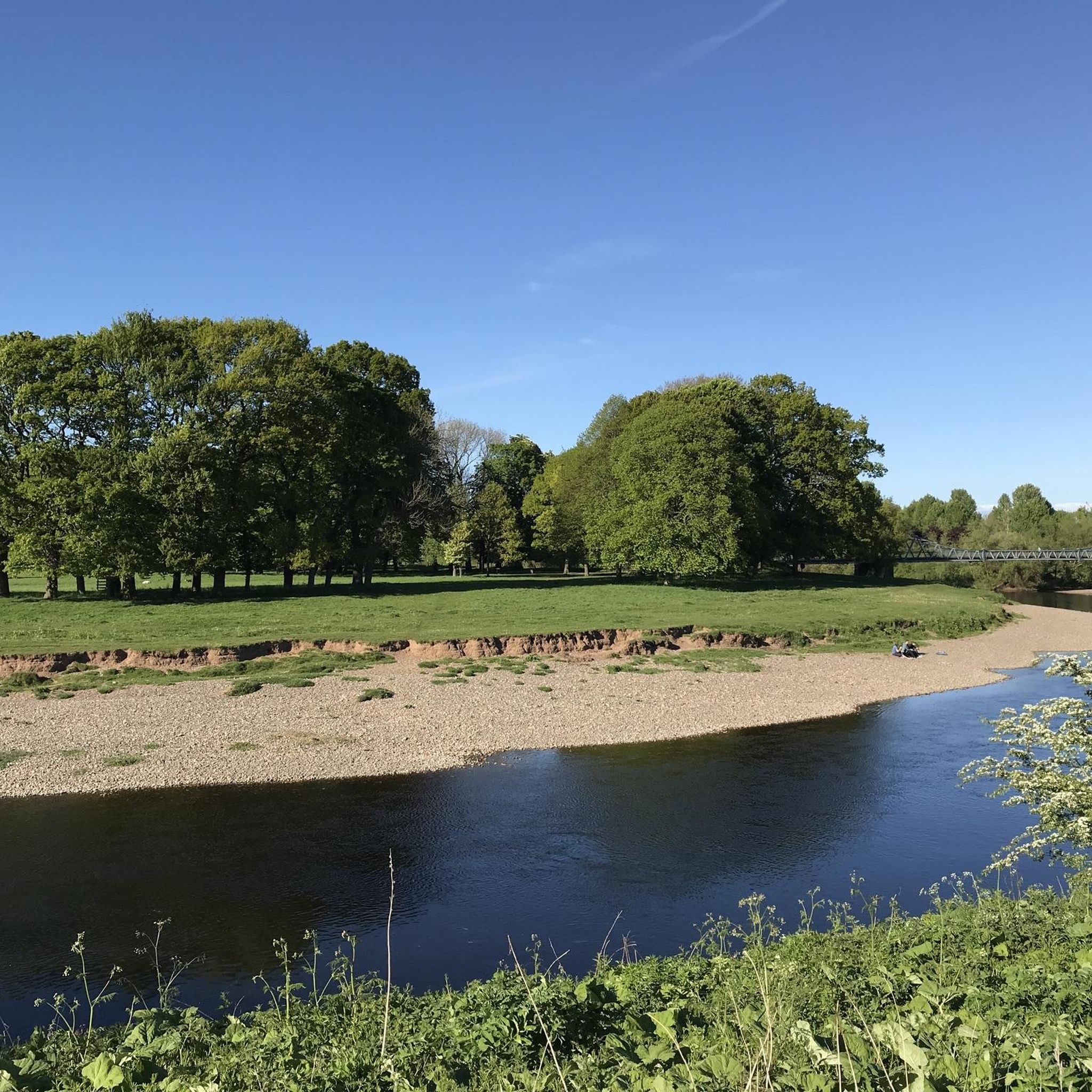
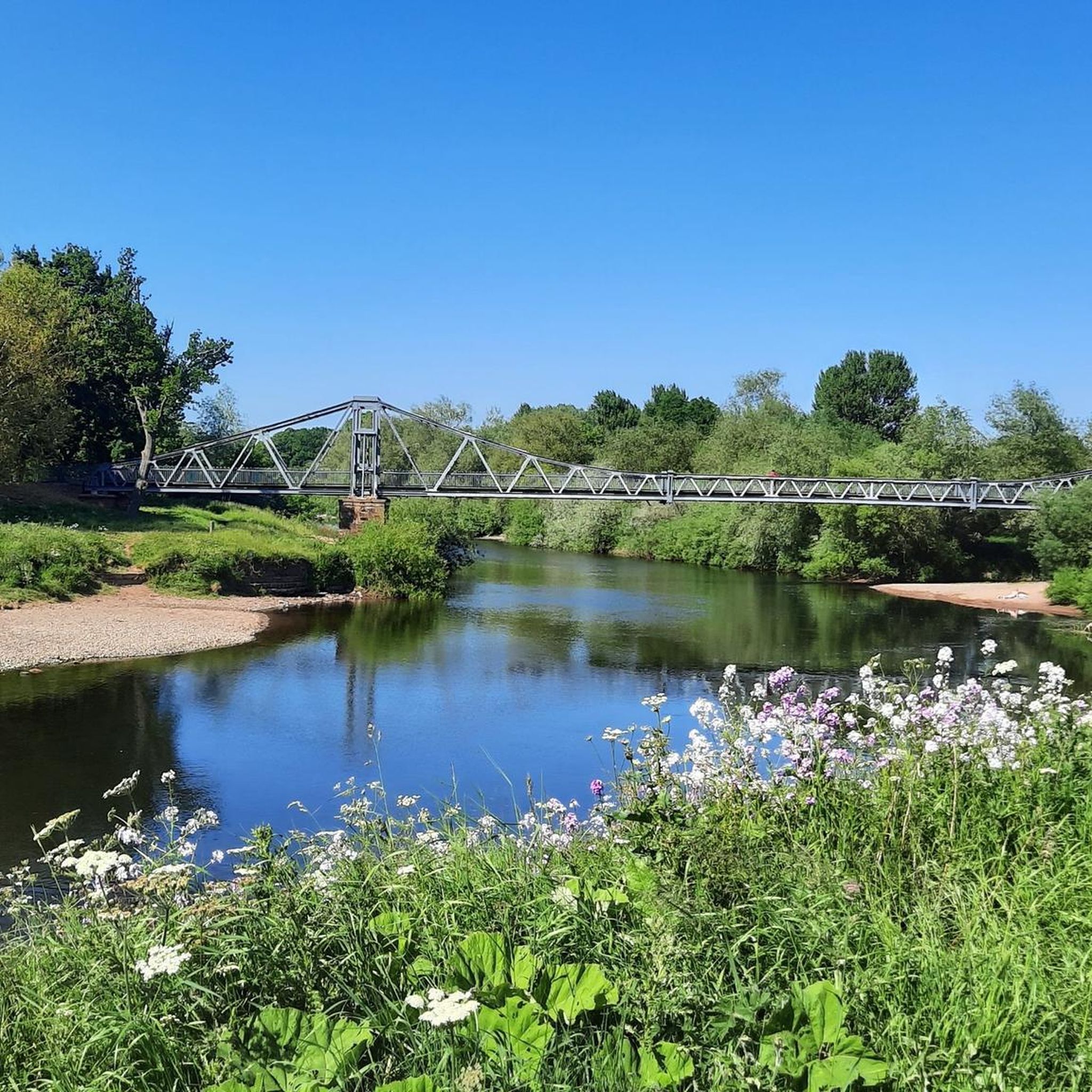
The Rickerby Park Memorial Bridge: The footbridge in Rickerby Park, Carlisle, was built in 1922 as part of a memorial project for the fallen of the First World War. It spans the River Eden and connects the city center with the park. The bridge is part of a larger ensemble with a cenotaph and other memorials, and was funded by the Carlisle Citizens League.
10
0
Originally built in the 12th century on the remains and with stones from the Roman fort of Aballava, part of Hadrian's Wall, King Edward I died near this site in 1307. His body lay in state here before being transferred to Westminster Abbey. It is one of only three surviving fortified churches in Cumbria and has two towers: The west tower has wrought-iron gates, arrow slits, and a crenellated roof—originally built as a shelter during border conflicts. The east tower was later lowered and served as a schoolroom in the 18th century. The architecture is a mix of Norman and Gothic. A decorated entrance features beakhead motifs (a rare Romanesque detail). Stained glass windows depict northern saints and King Edward I. A Roman corbel is set into the wall.
12
0
The statue of King Edward I is located in Burgh by Sands—the place where he died in 1307 during a military campaign against Scotland. Created in 2007 by artist Christopher Kelly, the statue depicts Edward I, also known as Longshanks, in a stately pose wearing medieval armor.
11
0

As well as this modern statue there is also a monument for Edward I north of the village.
2
0
The church dates from the late 12th century. Edward I died in Burgh by Sands in 1307and then lay in state in the church.
2
0

It is possible to refill your drinking water bottles there.
1
0

The bishop's church (cathedral) in Carlisle was not dedicated to one of the many people we venerate as saints, but rather the ONE God in THREE persons - God the Father, God the Son (Jesus Christ) and God's Holy Spirit - was chosen as its patron saint. Father Reinhard Körner writes about the mystery of the Holy Trinity: "Among the great prayer-givers in the history of Christianity... I found prayer texts in which each of the divine three was explicitly addressed - in the same prayer. When I tried to recite the texts, I could sense that these people had not only had God the Father, Jesus Christ and the Holy Spirit in mind individually - they were addressing a divine community. And it seemed to me that they could only do this in their written prayers because they did so otherwise, quietly in their hearts."
0
0
Frequently Asked Questions
What historical sites can I visit around St Cuthbert Without?
The area is rich in history. You can explore the imposing Carlisle Castle, which played a key role in Anglo-Scottish conflicts and once imprisoned Mary Queen of Scots. Another significant site is St Michael's Church, Burgh by Sands, a fortified church built with stones from Hadrian's Wall, where King Edward I lay in state. Don't miss Carlisle Cathedral, known for its medieval choir stalls and stained glass windows.
Are there any family-friendly attractions in St Cuthbert Without?
Yes, several attractions are suitable for families. Both Carlisle Castle and Carlisle Cathedral are tagged as family-friendly, offering engaging historical experiences. Additionally, River Eden Bridge and Rickerby Park War Memorial are located within Rickerby Park, a traditional Victorian parkland perfect for walks and outdoor activities with children.
What natural features or parks can I explore in the region?
St Cuthbert Without offers beautiful natural landscapes. The River Eden meanders through the area, and you can enjoy walks along its banks, particularly in Rickerby Park. This parkland, which also features the Rickerby Park War Memorial, connects to Bitts Park and is part of the Hadrian's Wall Path.
What outdoor activities, like cycling or running, are available near these attractions?
The area is excellent for outdoor enthusiasts. You can find numerous routes for mountain biking, running, and touring cycling. For example, there are easy to moderate MTB trails like the 'Carlisle & River Caldew loop' and 'Metal Warrior Sculpture loop'. Runners can enjoy routes such as 'Far Pasture Wood loop' or 'Currock Pump Track loop'. Cyclists have options like the 'Hesket Newmarket loop' or 'Hadrian's Wall – Lanercost Priory loop'. You can find more details on these activities in the dedicated guides for MTB Trails, Running Trails, and Cycling around St Cuthbert Without.
Are there any unique or lesser-known historical buildings to see?
Beyond the major landmarks, you might be interested in St Mary's Church in Wreay, known for its distinctive architecture, or St Ninian's Well, an ancient well rebuilt by architect Sarah Losh. Newbiggin Hall, a Grade II* listed building, also offers a glimpse into the area's past, originally a 14th-century tower house that was significantly expanded over centuries.
What do visitors enjoy most about the attractions around St Cuthbert Without?
Visitors particularly appreciate the blend of historical significance and natural beauty. The community frequently upvotes and shares photos of sites like the River Eden Bridge for its scenic views and historical context. The rich history of Carlisle Castle and the architectural details of Carlisle Cathedral are also highly valued.
Can I find walking routes that are easy or circular near St Cuthbert Without?
Yes, the countryside around St Cuthbert Without, including settlements like Blackwell, Brisco, Carleton, and Wreay, offers scenic walking routes. Rickerby Park provides easy walking opportunities along the River Eden. While specific circular routes are not detailed here, the general area is recognized for its many hidden gems for hikers, and you can explore various trails suitable for different fitness levels.
Is there a good time of year to visit St Cuthbert Without attractions?
The attractions around St Cuthbert Without can be enjoyed year-round. The historical sites like Carlisle Castle and Carlisle Cathedral are generally open regardless of the season. For outdoor activities and enjoying the natural features like Rickerby Park, spring and summer offer pleasant weather, but autumn provides beautiful foliage, and winter can offer unique, crisp walks, especially along the River Eden.
Where can I find information about the history of St Cuthbert Without parish itself?
St Cuthbert Without is a civil parish immediately south of Carlisle in Cumbria, England, encompassing settlements like Blackwell, Brisco, Carleton, and Wreay. Its history is deeply intertwined with Carlisle and the wider Cumbrian region, featuring Roman influences (Hadrian's Wall) and medieval conflicts. For more detailed historical context, you can refer to resources like Wikipedia's page on St Cuthbert Without.
Are there any sporting venues or activities in the area?
Yes, Carlisle Racecourse, located in Blackwell village, is a notable sporting venue. It has been hosting both flat racing in the summer and National Hunt racing in the winter since 1904, offering a different kind of attraction for visitors interested in equestrian sports.
What is the significance of the River Eden in the region?
The River Eden is a prominent natural feature, flowing through the heart of Carlisle and near St Cuthbert Without. It provides scenic beauty and recreational opportunities, such as walking along its banks in Rickerby Park. The River Eden Bridge, a memorial to WWI fallen, is a key landmark spanning the river and connecting the city center to the park.
Most popular routes around St Cuthbert Without
Most popular attractions around St Cuthbert Without

Get inspired with the komoot mobile app


Explore more
Still not found the Highlight you’re looking for? See guides of the top attractions in other regions:
