Top 5 Castles around Midgeholme
Best castles around Midgeholme are found in the surrounding areas of Cumbria and Northumberland, offering a glimpse into the region's rich history. While Midgeholme itself is known for its mining history, the nearby sites include Roman forts and medieval strongholds. These locations provide historical experiences for those interested in Britain's past.
Best castles around Midgeholme
- The most popular castles is Thirlwall Castle Ruins, a historical site featuring castle ruins that were built between 1300 and 1600. It was strengthened…
Last updated: July 3, 2026
Thirlwall Castle Ruins
Highlight • Historical Site
Tip by

Cawfields Milecastle 42, Hadrian's Wall
Highlight • Historical Site
Tip by

Sign up now to discover places like this
Get recommendations on the best single tracks, peaks, & plenty of other exciting outdoor places.
Sign up for free
Epiacum Roman Fort (Whitley Castle)
Highlight • Historical Site
Tip by
Naworth Castle
Highlight • Other
Tip by

Lanercost Bridge
Highlight • Bridge
Translated by Google •
Tip by

Start today with a free account
Your next adventure awaits.
Login or Signup
Tips from the Community

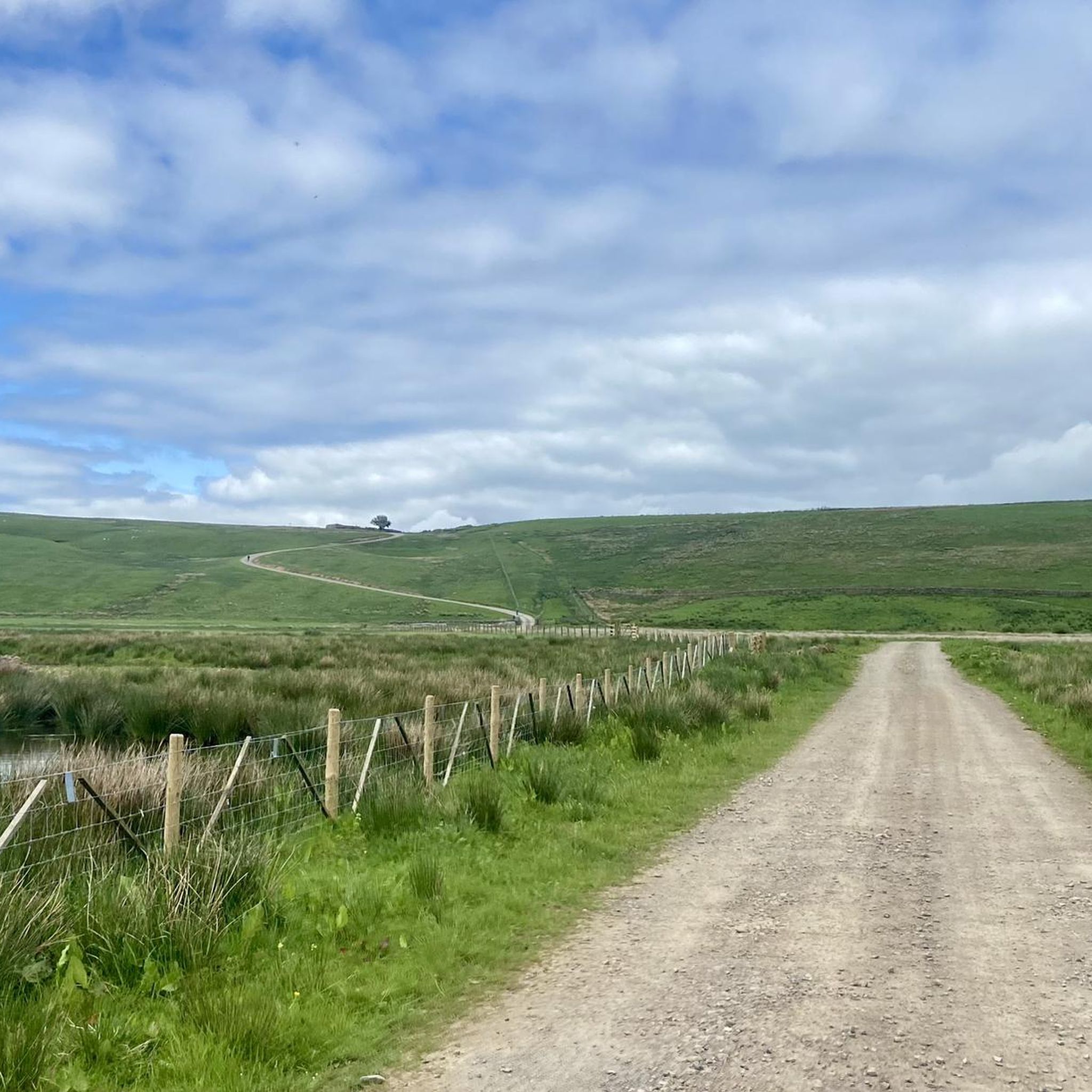
Milecastle 42 is one of those spots on Hadrian’s Wall that feels like you’ve just stumbled on a hidden gem. It’s not huge, but that’s part of the charm – you can properly picture the Roman soldiers posted here, staring out across the wild Northumberland landscape and wondering what on earth they’d signed up for. The views are cracking, the ruins are well-marked, and it gives you that instant connection to history without being swamped by crowds. A quick stop, but a memorable one – exactly what you want on a wall walk.
0
0

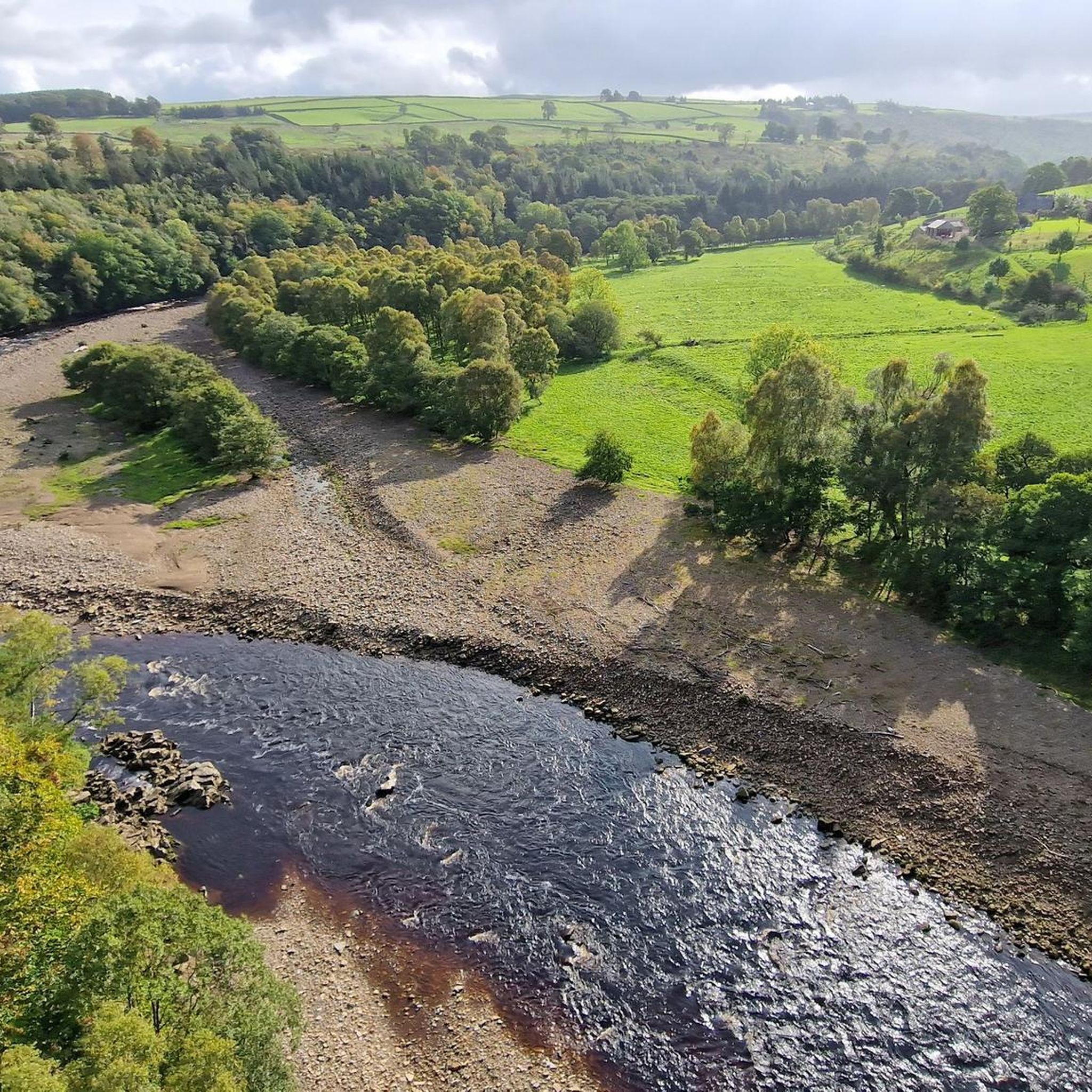
Built in 1724 by four local masons, this bridge replaced earlier wooden structures that had been destroyed by flooding. The bridge consists of two segmental arches: one over the river and one over the old Abbey Mill stream. The red sandstone, the triangular cutwaters, and the gently curving shape give it an authentic character.
11
0

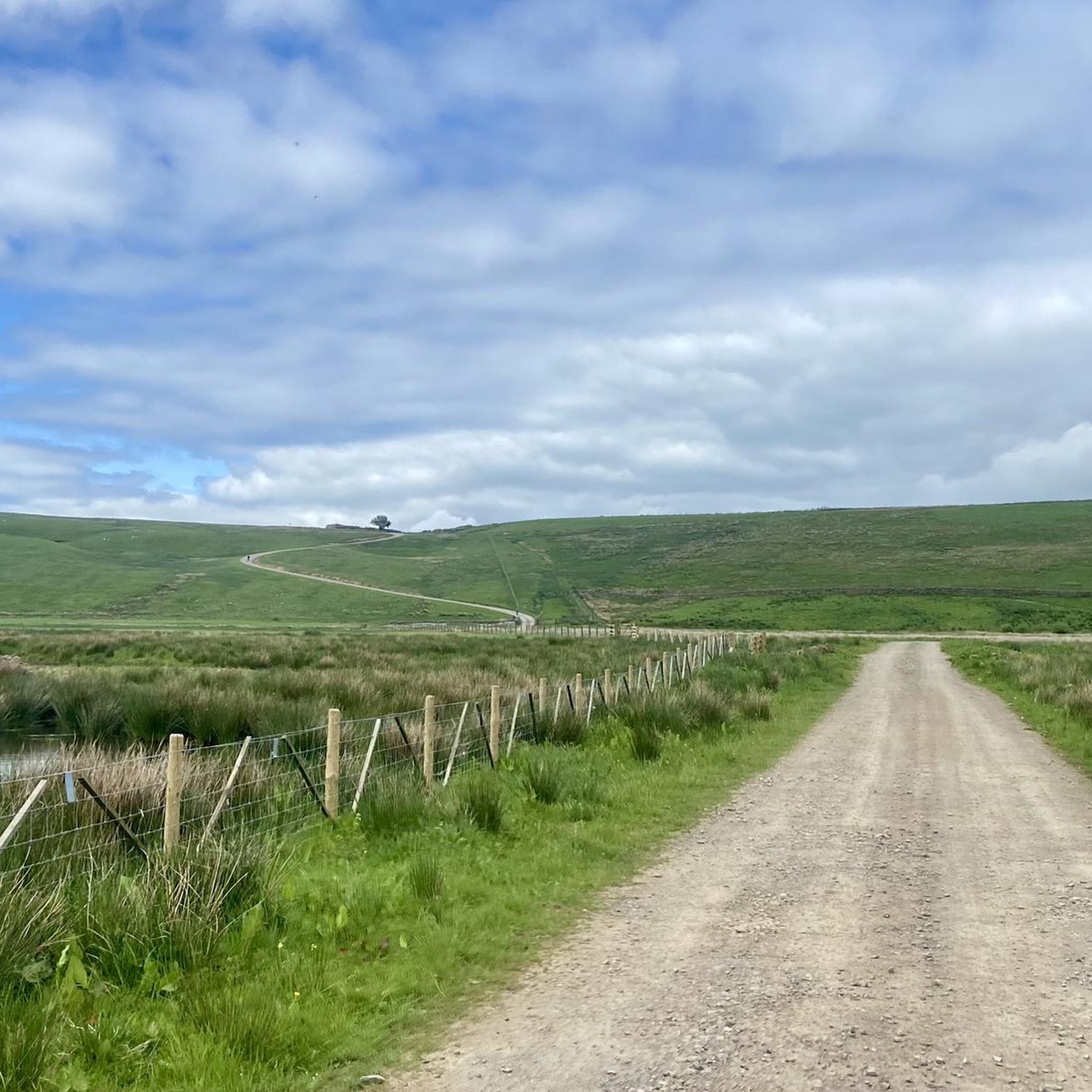
Originally built in the 12th century, and later strengthened using stones from nearby Hadrian’s Wall, Thirlwall Castle began to fall into disrepair in the 17th century. The site is protected by Grade I listed building and Scheduled Ancient Monument status. In 1999, Northumberland National Park Authority acquired a 99-year lease on Thirlwall Castle and 10 hectares of adjacent woodland. This is a great historic vista for the eyes for passing runners and why don't you come back for a picnic in the grounds when your not huffing and puffing so much.
1
0

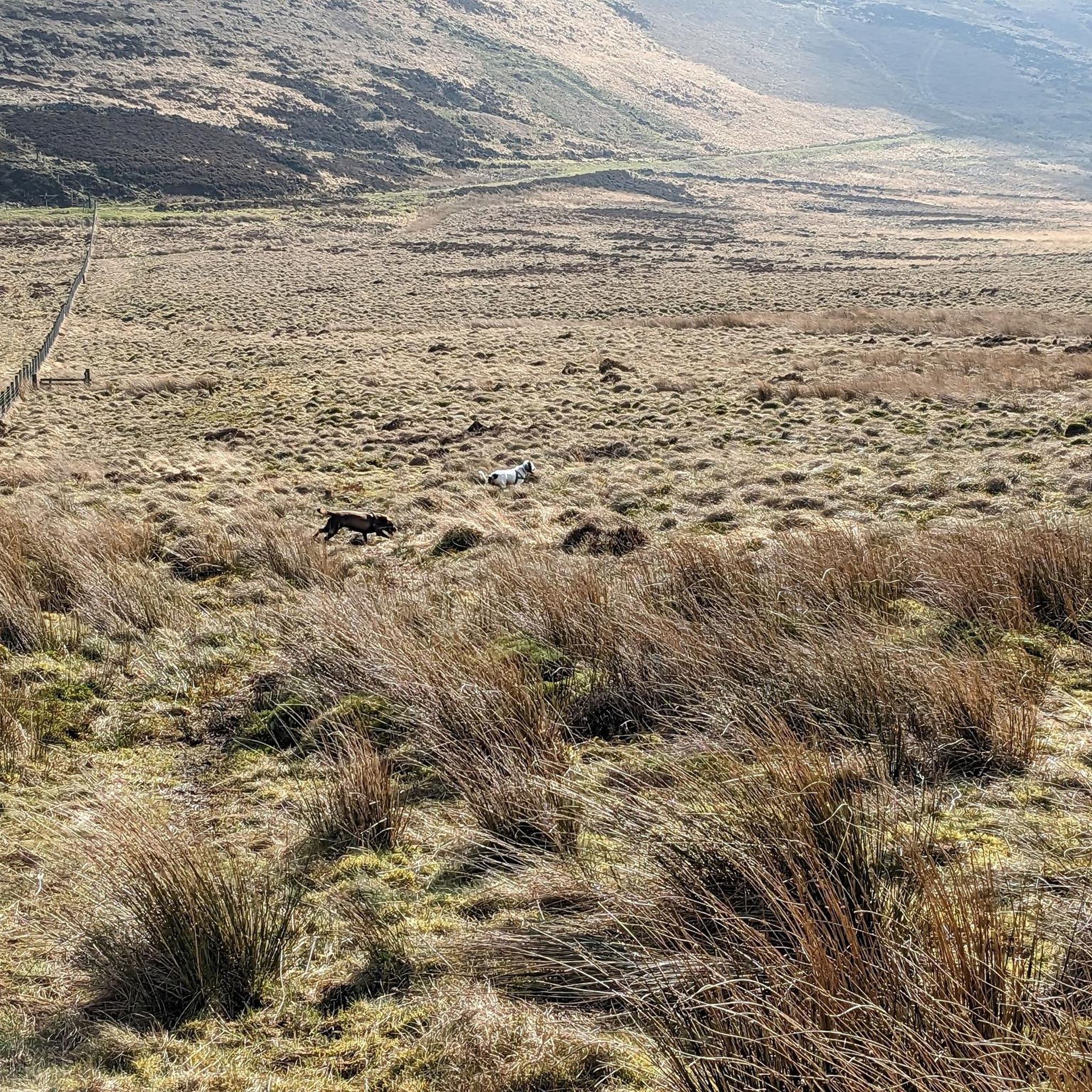
An interesting ruin with a pleasant walk to get to it. Parking and information available in the local village.
0
0


Built in the 13th century, Naworth is a spectacular medieval castle in Cumbria. This former royal-owned castle has hosted a range of nobles during its history. Artist William Morris also once stayed in the castle, which he described as "the most poetical in England." Today, Phillip Hammond the heir to the 13th Earl of Carlisle lives in the castle. You can find out more information about the castle, here: http://www.naworth.co.uk/
2
0

Frequently Asked Questions
What types of historical sites can I explore near Midgeholme?
The area around Midgeholme offers a rich variety of historical sites, including ancient Roman forts and medieval strongholds. You can discover ruins like Thirlwall Castle Ruins, which was built during border conflicts, and well-preserved Roman sites such as Epiacum Roman Fort (Whitley Castle).
What makes Thirlwall Castle Ruins a significant historical site?
Thirlwall Castle Ruins are notable for being built between 1300 and 1600, a period of intense border conflict, and were strengthened with stones taken directly from the nearby Hadrian's Wall. It offers a historic vista and is protected by Grade I listed building status.
What is the historical importance of Epiacum Roman Fort (Whitley Castle)?
Epiacum Roman Fort (Whitley Castle) was constructed in the second century, concurrently with Hadrian's Wall. Its strategic location controlled access along the Maiden Way, an important Roman road, and guarded lead and silver mines, making it a significant site for understanding Roman Britain's defenses and economy.
Can I visit Naworth Castle, and what can I expect to see?
Naworth Castle is a spectacular medieval castle dating back to the 13th century. While it is a private residence, its historical significance as a former royal-owned castle that has hosted various nobles, and its description as "the most poetical in England" by artist William Morris, make it a notable landmark in Cumbria. Public access details may vary, so it's advisable to check their official website for current visiting information.
What is the best time of year to visit the castles around Midgeholme?
The castles and historical sites around Midgeholme can be visited throughout the year. However, spring and summer offer more pleasant weather for exploring ruins and walking trails. Autumn provides beautiful scenery, while winter visits might be quieter but require checking for any seasonal closures or reduced hours, especially for outdoor sites like Thirlwall Castle Ruins.
Are there public transport options to reach the castles near Midgeholme?
Public transport options directly to some of the more remote castle sites like Thirlwall Castle Ruins or Epiacum Roman Fort can be limited. It's often best to plan for a combination of public transport to nearby towns and then a short taxi ride, or to use a car. For Naworth Castle, public transport might be available to nearby villages, followed by a walk or local connection.
Are the castles near Midgeholme family-friendly?
Many of the historical sites, especially those with open ruins or grounds, can be family-friendly. Thirlwall Castle Ruins, for example, offers an interesting ruin to explore and a pleasant walk, which can be enjoyable for families. Epiacum Roman Fort provides a significant historical experience that can engage older children interested in Roman history.
Can I visit the castles near Midgeholme with my dog?
Dog policies vary by site. Open-air ruins and historical sites like Thirlwall Castle Ruins and Epiacum Roman Fort are generally dog-friendly, often requiring dogs to be on a leash. For private properties like Naworth Castle, it's best to check their specific visitor guidelines regarding pets before your visit.
Are there hiking or cycling routes near these historical sites?
Yes, the region around Midgeholme offers various outdoor activities. You can find running trails, road cycling routes, and gravel biking opportunities. For example, there are running trails like the Tindale Tarn loop, and road cycling routes that pass by historical landmarks. You can explore more options in the Running Trails around Midgeholme or Road Cycling Routes around Midgeholme guides.
What are some viewpoints or natural features near the castles?
The castles are situated in scenic areas. For instance, the walk to Thirlwall Castle Ruins offers pleasant views, and the site itself provides a historic vista. The surrounding areas of Cumbria and Northumberland are known for their natural beauty, including the nearby Hadrian's Wall path, which offers expansive views of the landscape.
Where can I find accommodation or places to eat near the castles around Midgeholme?
While Midgeholme itself is a small community, the surrounding towns and villages in Cumbria and Northumberland offer various accommodation options, including B&Bs, guesthouses, and pubs with rooms. You'll also find local cafes and pubs in these areas where you can enjoy a meal or a drink after exploring the castles.
Are there any less-known historical sites or 'hidden gems' near Midgeholme?
Beyond the prominent castles, the region is rich with history. While not a castle, Epiacum Roman Fort (Whitley Castle) is often considered a hidden gem due to its well-preserved nature and less crowded status compared to other Roman sites. Exploring the smaller villages and their local churches can also reveal fascinating historical insights.
Most popular routes around Midgeholme
Most popular attractions around Midgeholme

Get inspired with the komoot mobile app


Explore more
Looking for the best castles somewhere else? Discover other guides around Midgeholme:
