Attractions and Places To See around Kirkandrews - Top 20
Best attractions and places to see around Kirkandrews, located in Cumbria, England, offer a rich blend of history and natural beauty near the Scottish border. This area is characterized by its historical significance, including connections to Hadrian's Wall and the Debatable Lands. Visitors can explore ancient fortifications, historic churches, and expansive natural landscapes like salt marshes. The region provides diverse points of interest for those interested in history and outdoor exploration.
Best attractions and places to see around Kirkandrews
- The most popular attractions is St Michael's Church, Burgh by Sands, a historical site originally built in the 12th century using stones from the Roman fort of Aballava. It is one of only three surviving fortified churches in Cumbria, featuring two towers and a mix of Norman and Gothic architecture.
- Another must-see spot is Carlisle Castle, a castle founded in 1092 by William II. This imposing medieval fortress played a key role in Anglo-Scottish conflicts and has withstood numerous sieges throughout its history.
- Visitors also love Burgh Marsh, a vast salt marsh on the Solway Firth. This area is a Site of Special Scientific Interest and holds historical significance, including being the site where King Edward I died in 1307.
- Kirkandrews is known for its historical sites, natural features, and cultural landmarks. The area offers a variety of attractions to see and explore, from ancient fortifications to significant natural landscapes.
- The attractions around Kirkandrews are appreciated by the komoot community, with more than 70 upvotes and 40 photos shared.
Last updated: July 2, 2026
St Michael's Church, Burgh by Sands
Highlight • Historical Site
It is one of only three surviving fortified churches in Cumbria and has two towers:
The west tower has wrought-iron gates, arrow slits, and a crenellated roof—originally built as a shelter during border conflicts.
The east tower was later lowered and served as a schoolroom in the 18th century.
The architecture is a mix of Norman and Gothic. A decorated entrance features beakhead motifs (a rare Romanesque detail). Stained glass windows depict northern saints and King Edward I. A Roman corbel is set into the wall.
Translated by Google •
Tip by

Carlisle Castle
Highlight • Historical Site
Tip by

Sign up now to discover places like this
Get recommendations on the best single tracks, peaks, & plenty of other exciting outdoor places.
Sign up for free
Burgh Marsh
Highlight • Cycleway
Translated by Google •
Tip by
Statue of Edward I
Highlight • Monument
The statue was unveiled by the Duke of Kent in 2007 and stands proud in the village by the roadside and the playing fields.
Tip by

England–Scotland Border at Gretna Green
Highlight • Settlement
Tip by
Sign up for free to discover even more attractions around Kirkandrews.
Sign up for free
Already have an account?
Start today with a free account
Your next adventure awaits.
Login or Signup
Tips from the Community

This is the place where one of the most formidable English monarchs died when he developed fever during a campaign against the Scots in 1307. This is where Edward the First died, and being an iconic historical figure, this small, quaint monument was erected in his honour in 2007.
0
0
A noteworthy fact about Burgh Marsh is that it was the place where Edward the First, one of the most formidable English monarchs, died when he developed fever during a campaign against the Scots. Where he is supposed to have died on the Marsh is marked by a rarely visited monument that is well worth a visit. It is a tranquil and peaceful place.
1
0

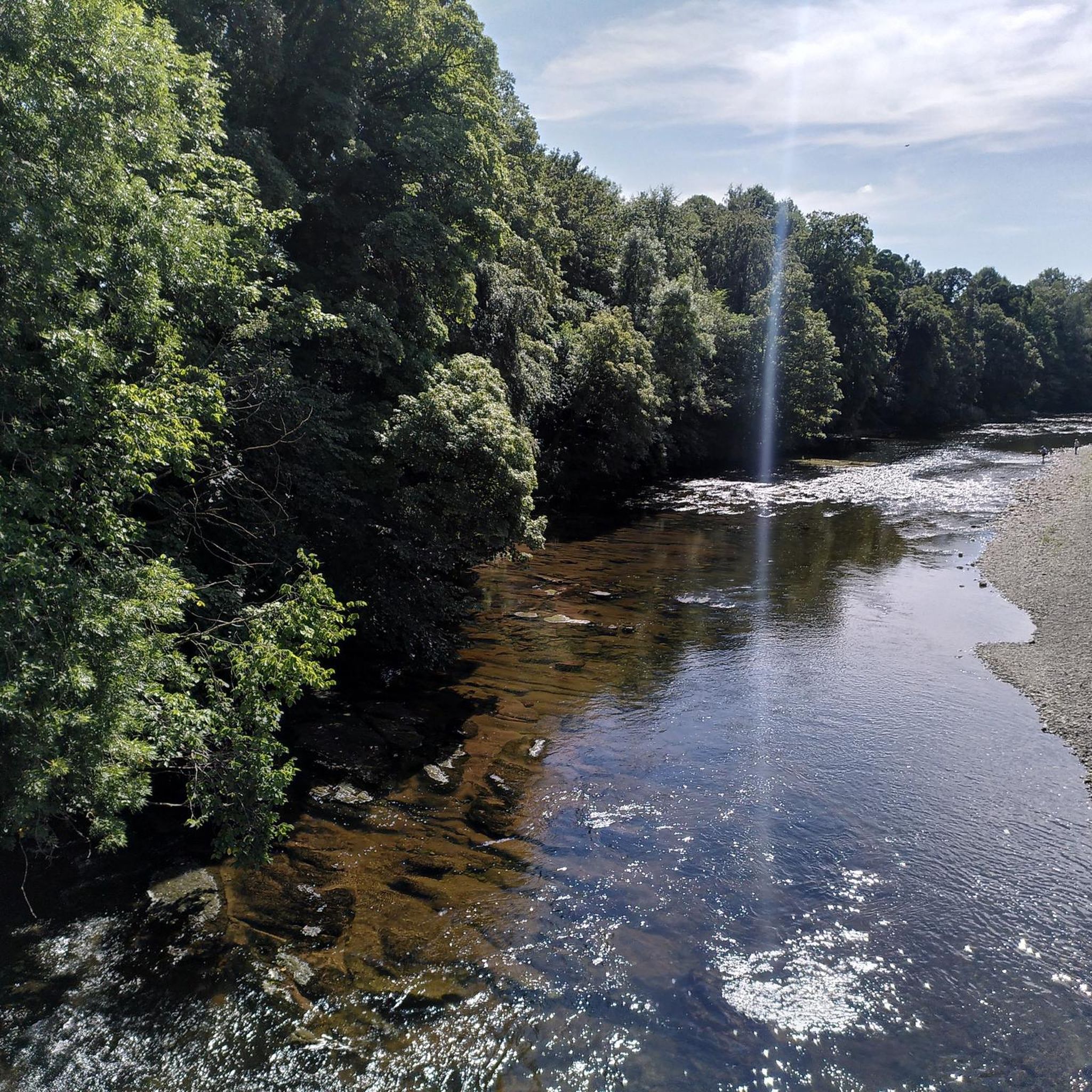
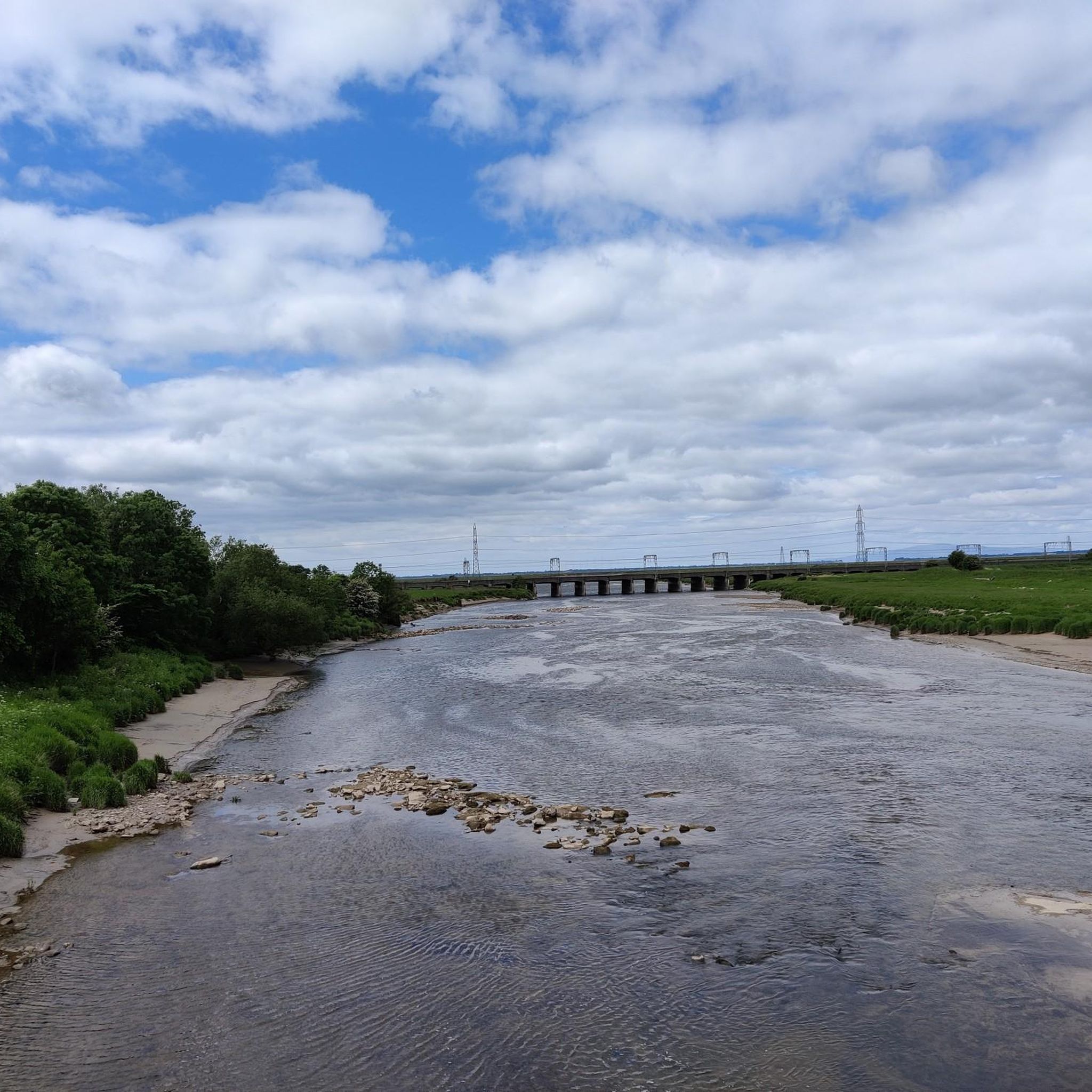
Burgh Marsh is a vast salt marsh on the Solway Firth, where nature, history, and mystery converge. Located near Burgh by Sands, the area forms a key part of the Solway Coast Area of Outstanding Natural Beauty. King Edward I died here in 1307 during his campaign against Scotland, an event marked by a monument in the middle of the marsh. Bordering the western section of Hadrian's Wall, Burgh Marsh also bears traces of the Roman presence. Today, Burgh Marsh stands as a silent witness to centuries of frontier history, with a landscape that invites reflection and exploration.
10
0
Carlisle Castle, built in 1092 by William II, is an imposing medieval fortress on the edge of Carlisle city center, near Hadrian's Wall. The castle played a key role in the Anglo-Scottish conflict, withstanding at least seven sieges between 1174 and 1461. In 1568, Mary Queen of Scots was imprisoned here, and during the Jacobite Rising of 1745, it was the last English fortress to be besieged. Visitors can explore the 12th-century gatehouse, the Tudor gun platform, and the keep with its 15th-century carvings. Also within its walls is Cumbria's Museum of Military Life, which chronicles 300 years of military history.
6
0
Originally built in the 12th century on the remains and with stones from the Roman fort of Aballava, part of Hadrian's Wall, King Edward I died near this site in 1307. His body lay in state here before being transferred to Westminster Abbey. It is one of only three surviving fortified churches in Cumbria and has two towers: The west tower has wrought-iron gates, arrow slits, and a crenellated roof—originally built as a shelter during border conflicts. The east tower was later lowered and served as a schoolroom in the 18th century. The architecture is a mix of Norman and Gothic. A decorated entrance features beakhead motifs (a rare Romanesque detail). Stained glass windows depict northern saints and King Edward I. A Roman corbel is set into the wall.
12
0
The statue of King Edward I is located in Burgh by Sands—the place where he died in 1307 during a military campaign against Scotland. Created in 2007 by artist Christopher Kelly, the statue depicts Edward I, also known as Longshanks, in a stately pose wearing medieval armor.
10
0

As well as this modern statue there is also a monument for Edward I north of the village.
1
0
The church dates from the late 12th century. Edward I died in Burgh by Sands in 1307and then lay in state in the church.
2
0
Frequently Asked Questions
What historical sites can I explore near Kirkandrews?
The area around Kirkandrews is rich in history. You can visit St Michael's Church, Burgh by Sands, a unique fortified church built with stones from the Roman fort of Aballava. Another significant site is Carlisle Castle, an imposing medieval fortress with a long history of Anglo-Scottish conflicts. For a glimpse into the region's past, explore the Kirkandrews Old Churchyard in Dumfries and Galloway, which has religious significance dating back centuries, or the 16th-century Kirkandrews Tower in Cumbria.
Are there any Roman historical sites in the area?
Yes, the region has strong ties to Roman history. St Michael's Church, Burgh by Sands, was constructed using stones from the Roman fort of Aballava. Additionally, Burgh Marsh, a vast salt marsh, bears traces of Roman presence and is located near the western section of Hadrian's Wall. The broader area around Kirkandrews-on-Esk is also associated with the Hadrian's Wall Path.
What natural landscapes or features can I discover around Kirkandrews?
You can explore the expansive Burgh Marsh, a vast salt marsh on the Solway Firth and a Site of Special Scientific Interest. If you're in the Dumfries and Galloway area of Kirkandrews, you'll find picturesque coastal scenery at Kirkandrews Bay and Wigtown Bay, with rocky coastlines, sea caves, and secluded sandy bays. The coastline of Borgue, which includes Kirkandrews, is also recognized for its diverse wildlife, including flowers, birds, and marine life.
What outdoor activities can I do near these attractions?
The area offers various outdoor activities. You can find numerous running trails, such as the 'Gretna Green Signpost – Gretna Green Anvil Monument loop', or explore road cycling routes like 'Gretna Green to Langholm'. For more relaxed options, there are easy hikes available, including the 'River Esk Riverside Walk loop'. You can find detailed information and routes in the Running Trails around Kirkandrews, Road Cycling Routes around Kirkandrews, and Easy hikes around Kirkandrews guides.
Are there family-friendly attractions around Kirkandrews?
Yes, several attractions are suitable for families. St Michael's Church, Burgh by Sands, and Carlisle Castle are both listed as family-friendly historical sites. Burgh Marsh offers an opportunity for families to explore nature and history together. Additionally, Rickerby Park War Memorial is located within a parkland that is also family-friendly, offering green spaces along the River Eden.
What is the significance of the 'Debatable Lands' in Kirkandrews' history?
The area around Kirkandrews-on-Esk was historically part of the 'Debatable Lands,' a territory claimed by both England and Scotland. This region was particularly lawless during the era of the Border Reivers. The 3.5-mile long Scots' Dyke, constructed in 1552, was built to mark the division of these lands and remains part of the parish boundary today. The Battle of Solway Moss in 1542 also took place in this historically contested area.
What unique architectural sites can I find in the Kirkandrews area?
In Kirkandrews, Dumfries and Galloway, you can discover the distinctive Kirkandrews Kirk, a 'Wee Kirk' completed in 1906 with Arts and Crafts and Celtic motifs, and the whimsical Knockbrex 'Toy Fort' Gatepiers. In Kirkandrews-on-Esk, Cumbria, the Church of St Andrew, built in 1776, is a Grade II* listed church with an unusual north-south axis and a landmark bell tower.
Are there any places to see prehistoric markings?
Yes, in the Kirkandrews area of Dumfries and Galloway, you can find prehistoric cup and ring marks. These ancient markings are located on a rock at Tongue Croft, just east of the village, indicating very early human activity in the region.
What do visitors enjoy most about the attractions around Kirkandrews?
Visitors frequently appreciate the rich historical significance and natural beauty of the area. Highlights like St Michael's Church are praised for their unique architecture and historical context, including connections to Hadrian's Wall. Carlisle Castle is valued for its imposing presence and role in Anglo-Scottish history. The vast landscapes of Burgh Marsh are enjoyed for their blend of nature, history, and tranquil views.
Where can I find a border crossing point between England and Scotland?
You can experience the border crossing at England–Scotland Border at Gretna Green. This location is famous for its historical significance as a romantic wedding destination and is clearly marked with a sign welcoming you to Scotland as you cross the River Sark.
Are there any parks or green spaces to visit in the vicinity?
Yes, Rickerby Park War Memorial is situated within Rickerby Park, a traditional Victorian parkland along the River Eden in Carlisle. This park offers a gorgeous stretch of green space and can be linked with other areas like Bitts Park for extended walks. The Hadrian's Wall Path also runs through Rickerby Park.
Most popular routes around Kirkandrews
Most popular attractions around Kirkandrews

Get inspired with the komoot mobile app


Explore more
Still not found the Highlight you’re looking for? See guides of the top attractions in other regions:
