The best walks and hikes around Burgh By Sands
4.2
(358)
2,832
hikers
203
hikes
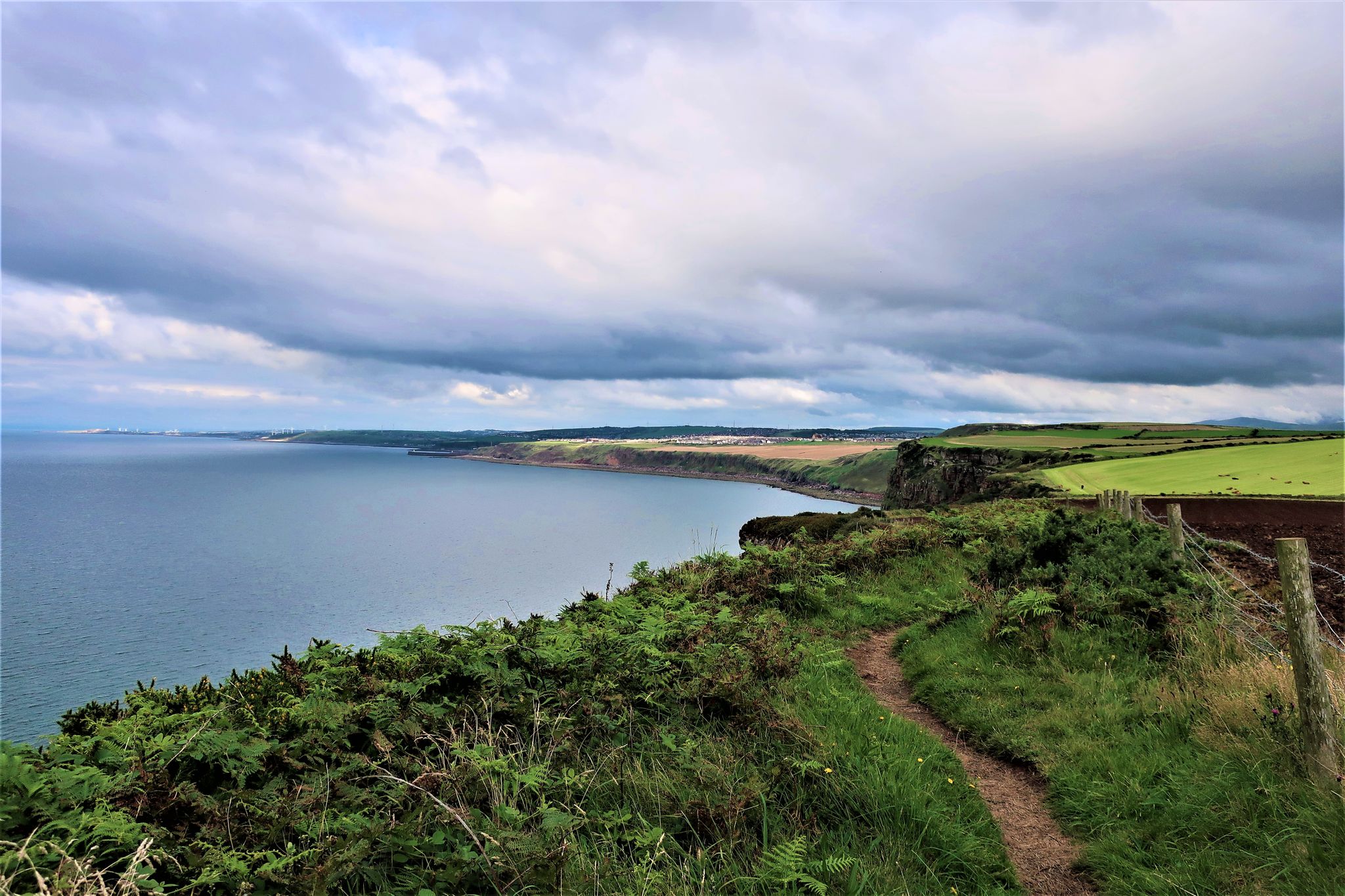
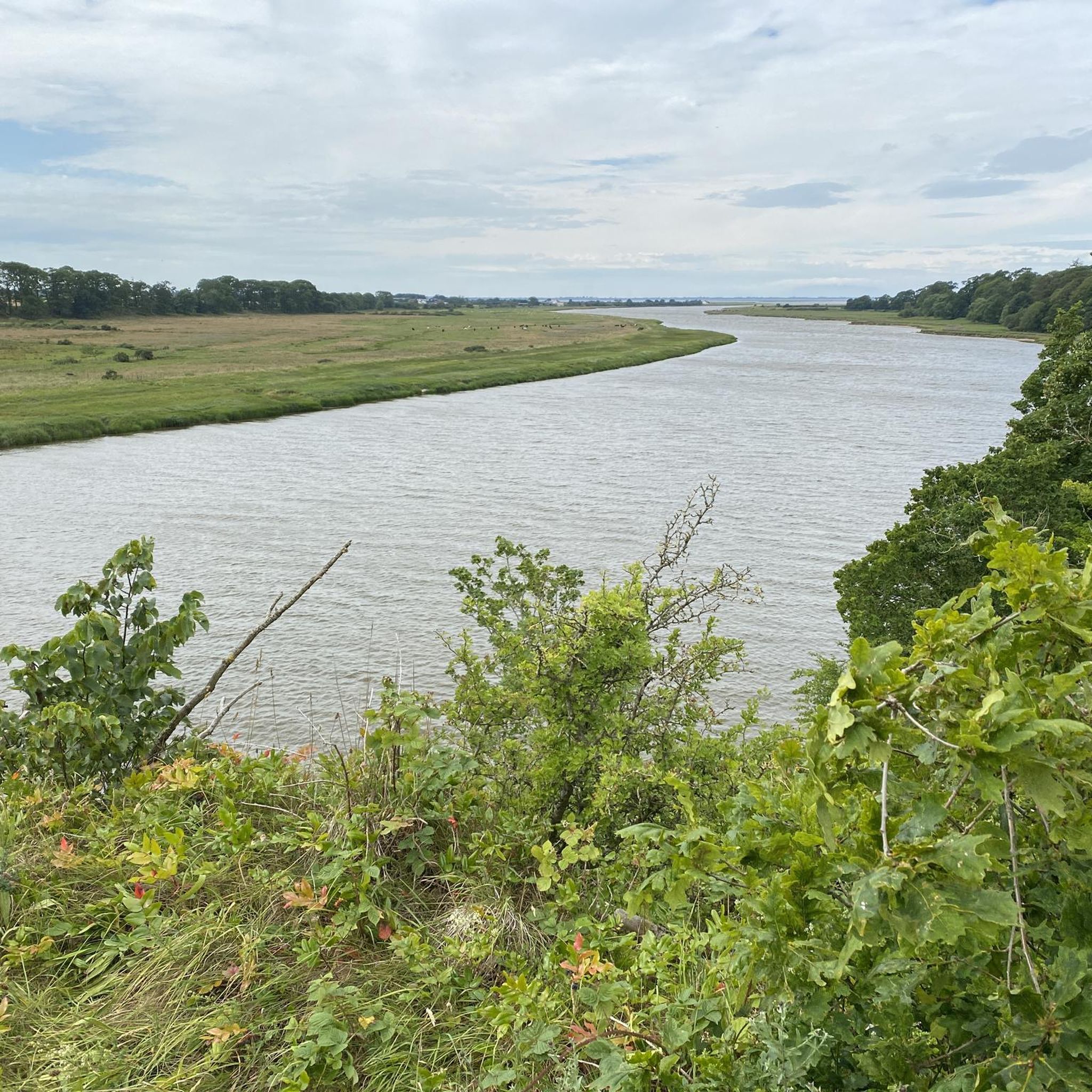
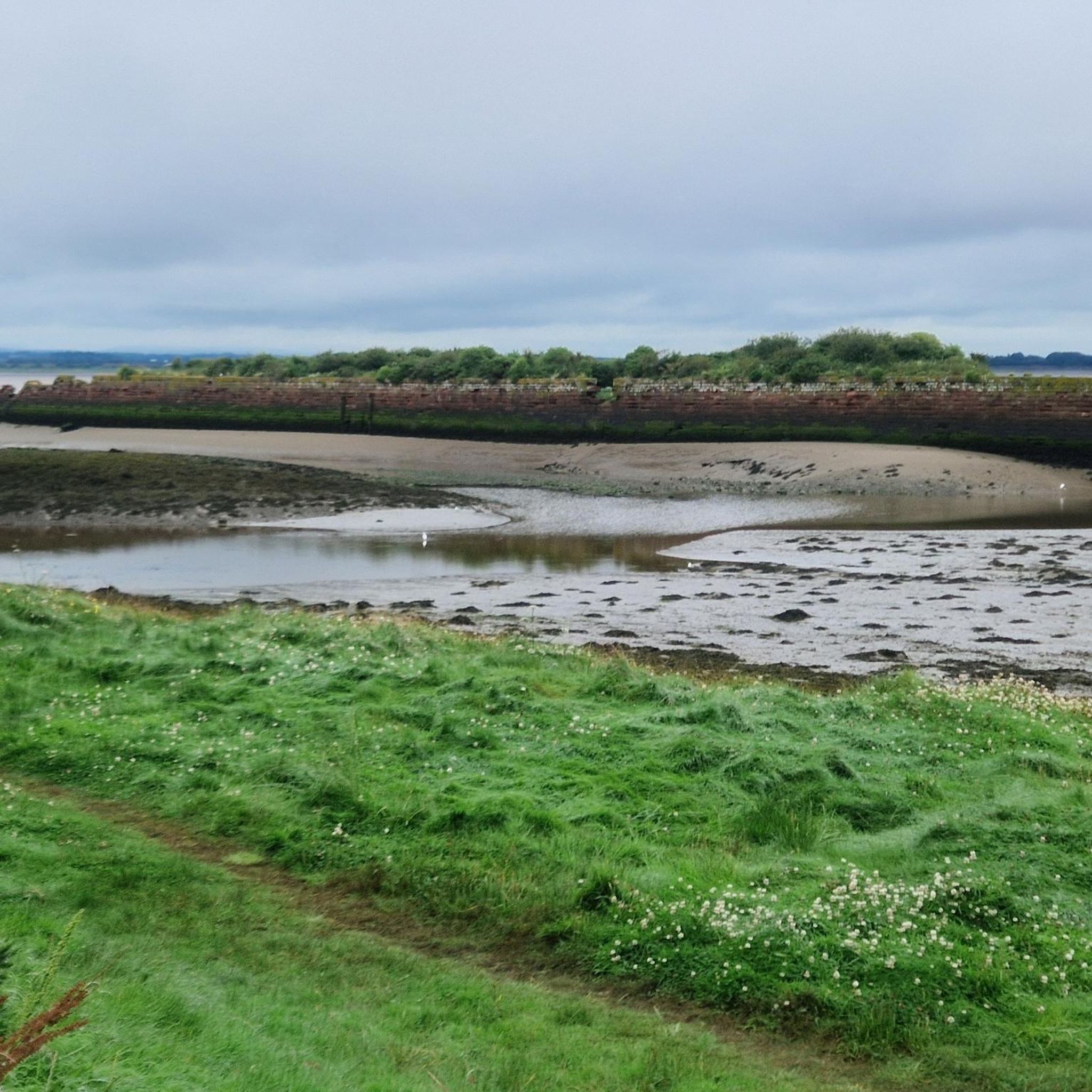
Hikes around Burgh by Sands explore the landscape of the Solway Coast National Landscape, an area defined by expansive saltmarshes, the River Eden, and its position along the Hadrian's Wall Path. The terrain is generally low-lying, featuring a mix of grassy paths, riverside tracks, and quiet country lanes. Many circular walks from Burgh by Sands incorporate historical sites within this natural setting.
Best hiking trails around Burgh by Sands
- The most popular hiking route is the Statue of Edward I – King Edward I Monument loop from Burgh by Sands, a 7.4 mile (11.9 km) trail that takes around 3 hours to complete. This route crosses Burgh Marsh to the monument commemorating where King Edward I died in 1307.
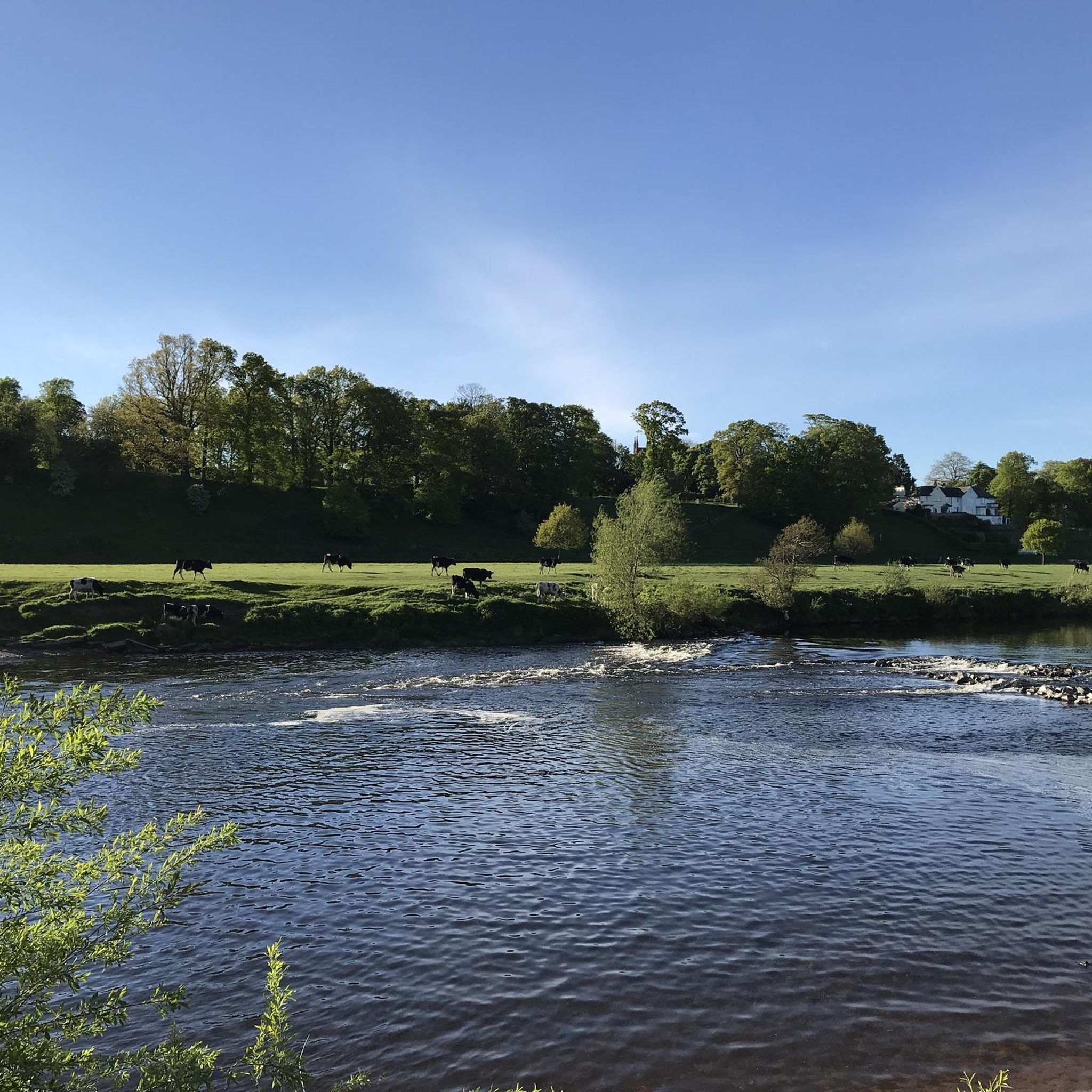
- Another top favourite among local hiking enthusiasts is the Kirk Andrews Footbridge – Honesty Box for Walkers loop from Kirkandrews-on-Eden, an easy 3.9 mile (6.4 km) path. The trail follows sections of the River Eden, offering level terrain suitable for a wide range of abilities.
- Local hiking enthusiasts also love the St Mary's Church, Beaumont – Statue of Edward I loop from Beaumont, a 3.5 mile (5.6 km) trail leading through the Solway Firth's coastal environment, often completed in about 1 hour 30 minutes.
- Hiking around Burgh by Sands is defined by coastal paths along the Solway Firth, expansive saltmarshes, and historic sections of the Hadrian's Wall Path. The network of trails provides options for both short, easy walks and more moderate distance hikes.
- The routes in Burgh by Sands are highly rated by the komoot community with an average score of 4.2 stars from over 250 reviews. More than 2,400 hikers have used komoot to explore Burgh by Sands's varied terrain.
Last updated: September 27, 2026
4.3
(8)
19
hikers
Moderate hike. Good fitness required. Easily-accessible paths. Suitable for all skill levels.
3.2
(11)
34
hikers
Easy hike. Great for any fitness level. Easily-accessible paths. Suitable for all skill levels.

4.0
(1)
6
hikers
Easy hike. Great for any fitness level. Easily-accessible paths. Suitable for all skill levels.
4.0
(1)
9
hikers
3.06km
00:46
10m
10m
Easy hike. Great for any fitness level. Easily-accessible paths. Suitable for all skill levels.
15.5km
04:00
80m
80m
Moderate hike. Good fitness required. Easily-accessible paths. Suitable for all skill levels.
Get access to more routes and recommendations from other explorers.
Already have an account?
Our route recommendations are based on thousands of hikes, rides, and runs completed by other people on komoot.
Start today with a free account
Your next adventure awaits.
Other adventures around Burgh By Sands

Tips from the Community

TP1770 - Burgh By Sands S6626 FB Height: 28.684m #1039 Solway Coast National Landscape Trig Pillar List. County of Cumberland Trig Pillar List.
0
0

This is the place where one of the most formidable English monarchs died when he developed fever during a campaign against the Scots in 1307. This is where Edward the First died, and being an iconic historical figure, this small, quaint monument was erected in his honour in 2007.
0
0

The King Edward I Monument in Burgh by Sands is an impressive and historic memorial marking the spot where King Edward I died in 1307 during his campaign against Scotland. The king died here on 7 July 1307, while preparing to attack Robert the Bruce, his Scottish adversary. Originally built in 1685, it is made of red sandstone and is now a Grade II listed monument* in England. The monument stands alone in the landscape, surrounded by a metal fence, and bears an inscription describing Edward I as the "Hammer of the Scots."
10
0
For cyclists, it's not worthwhile to continue. There's a double lock here, keeping cyclists out. And beyond that, you're in a swampy marsh, which somewhat discourages you from continuing on foot. But here you can also admire the large monument.
11
0
Originally built in the 12th century on the remains and with stones from the Roman fort of Aballava, part of Hadrian's Wall, King Edward I died near this site in 1307. His body lay in state here before being transferred to Westminster Abbey. It is one of only three surviving fortified churches in Cumbria and has two towers: The west tower has wrought-iron gates, arrow slits, and a crenellated roof—originally built as a shelter during border conflicts. The east tower was later lowered and served as a schoolroom in the 18th century. The architecture is a mix of Norman and Gothic. A decorated entrance features beakhead motifs (a rare Romanesque detail). Stained glass windows depict northern saints and King Edward I. A Roman corbel is set into the wall.
12
0
The statue of King Edward I is located in Burgh by Sands—the place where he died in 1307 during a military campaign against Scotland. Created in 2007 by artist Christopher Kelly, the statue depicts Edward I, also known as Longshanks, in a stately pose wearing medieval armor.
11
0

As well as this modern statue there is also a monument for Edward I north of the village.
2
0
The church dates from the late 12th century. Edward I died in Burgh by Sands in 1307and then lay in state in the church.
2
0
Frequently Asked Questions
Are there many circular walks starting from Burgh by Sands?
Yes, the area is well-suited for circular hikes. Many trails begin and end in the village, guiding you through the surrounding landscape of the Solway Coast. A good example of a longer circular route is the Statue of Edward I loop from Burgh by Sands, which covers about 9.6 miles (15.5 km) and explores the historic marshlands.
What is the terrain like on the Hadrian's Wall Path near Burgh by Sands?
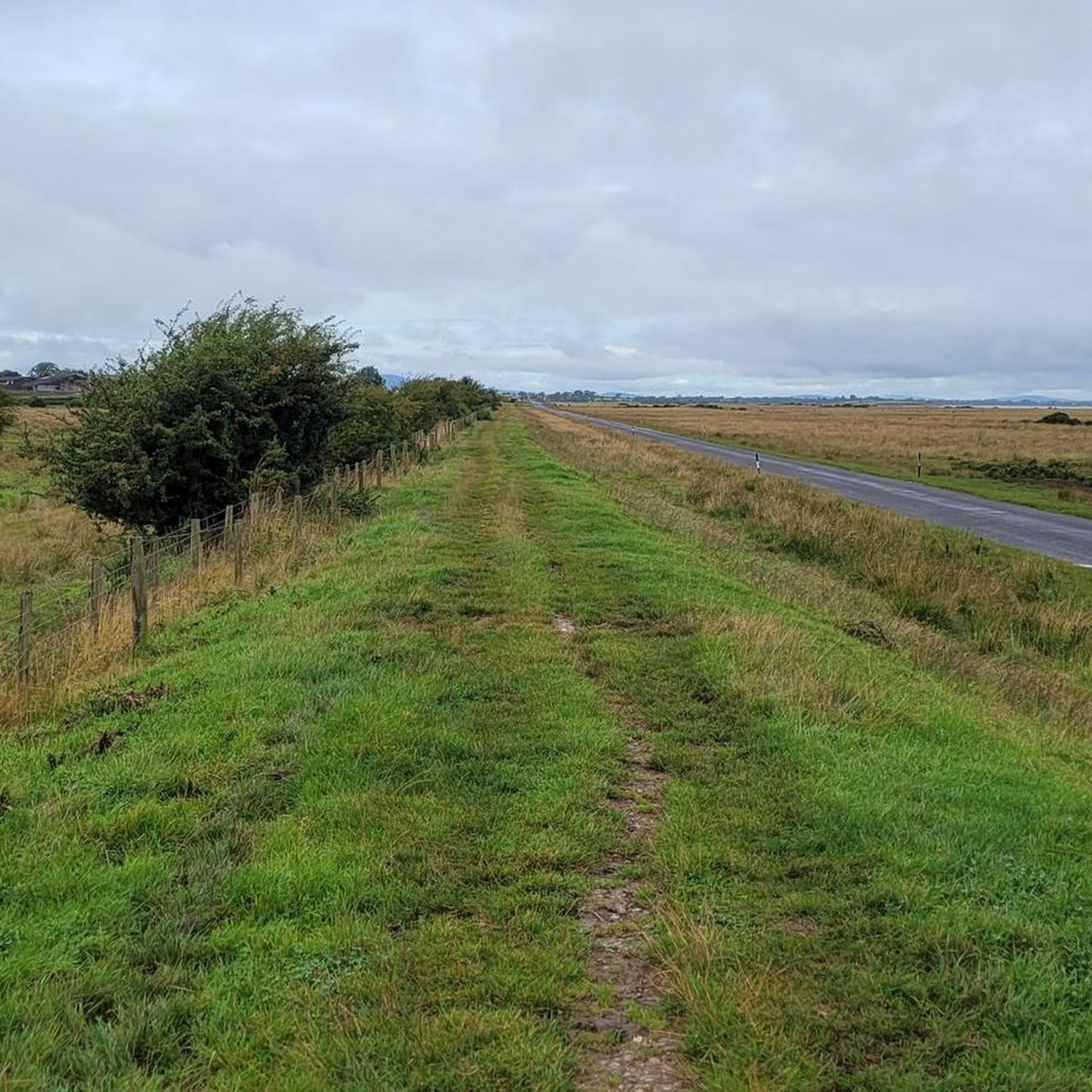
The section of the Hadrian's Wall Path around Burgh by Sands is generally flat and low-lying. It follows a mix of quiet country roads and grassy paths along the Solway Firth estuary. The path through Burgh Marsh can be wet and muddy, so waterproof footwear like ankle or Wellington boots is recommended, especially after rain.
Are there any easy, family-friendly hikes in the area?
Definitely. The landscape is mostly flat, making it great for families. For a short and accessible walk, consider the Bird Feeding Station loop from Great Orton. It's just over 2.2 miles (3.6 km) on very level ground, making it an easy outing for all ages.
Can I take my dog on the walking trails?
Most trails around Burgh by Sands are suitable for dogs, especially the open paths across the marshes and along the coast. However, you will be crossing farmland with livestock, so it's essential to keep your dog on a lead. The Solway Coast is a popular area for dog walking, as noted by many visitors.
What historical landmarks can I see on a walk?
The area is rich in history. Many hikes feature St. Michael's Church, a 12th-century fortified church built with stones from Hadrian's Wall. Another key landmark is the King Edward I Monument on Burgh Marsh, which marks the spot where the king died in 1307. You can also see traditional 'clay dabbin' buildings in the village itself.
Where can I park for a walk starting in Burgh by Sands?
There is on-street parking available within the village of Burgh by Sands, which serves as a convenient starting point for many local circular walks and sections of the Hadrian's Wall Path. It's best to park considerately, as dedicated car parks are limited.
Are there any good pubs for a meal or drink after a hike?
Yes, The Greyhound Inn in Burgh by Sands is a well-known pub in the village, making it a convenient stop for refreshments after completing a local walk. It's often mentioned by those walking the Hadrian's Wall Path.
What kind of wildlife might I see while hiking?
The Solway Firth is a significant location for birdwatching. While walking along the coast and marshes, you can expect to see a variety of wading birds and waterfowl. For a dedicated wildlife experience, the nearby Glasson Moss Nature Reserve is a highly-regarded site for its unique bog habitat and birdlife.
How many hiking trails are there around Burgh by Sands?
There are over 200 routes to explore in the region. These range from short, easy strolls of just a couple of miles to more moderate, longer-distance hikes, with the majority being classified as easy. This variety ensures there's a trail for almost every fitness level.
What do other hikers think of the trails in this area?
The trails around Burgh by Sands are well-regarded by the komoot community. Hikers often praise the combination of historical sites, peaceful riverside paths, and the wide-open spaces of the Solway Firth coastline. The mix of natural beauty and local history is a frequently highlighted feature.
What are some popular places for hiking near Burgh by Sands?
Besides the immediate village trails, hikers often explore the wider region. Popular spots include:
- Solway Coast National Landscape: A beautiful area known for its stunning coastline and excellent walking paths.
- Glasson Moss Nature Reserve: A highly-rated reserve offering unique trails through a protected bog environment.
- Dodd Wood: Praised for its well-signposted trails and beautiful woodland scenery.
Most popular attractions around Burgh By Sands

Get inspired with the komoot mobile app


Explore more
Browse the best Hikes in other regions.
