Top 3 Castles around Askerton
Best castles around Askerton are found in a historically significant border region of Cumbria, England. This area is characterized by its past role in defending against Scottish incursions and Border Reivers. The landscape features medieval fortified manor houses and castles, showcasing architectural adaptations for both defense and comfort. These sites offer insight into the region's turbulent history and its strategic importance.
Best castles around Askerton
- The most popular castles is Thirlwall Castle Ruins, a historical site that was built…
Last updated: May 6, 2026
Thirlwall Castle Ruins
Highlight • Historical Site
Tip by

Ruins of Bewcastle Castle
Highlight • Castle
Translated by Google •
Tip by

Sign up now to discover places like this
Get recommendations on the best single tracks, peaks, & plenty of other exciting outdoor places.
Sign up for free
Askerton Castle
Highlight • Castle
Translated by Google •
Tip by
Naworth Castle
Highlight • Other
Tip by

Lanercost Bridge
Highlight • Bridge
Translated by Google •
Tip by
Start today with a free account
Your next adventure awaits.
Login or Signup
Tips from the Community

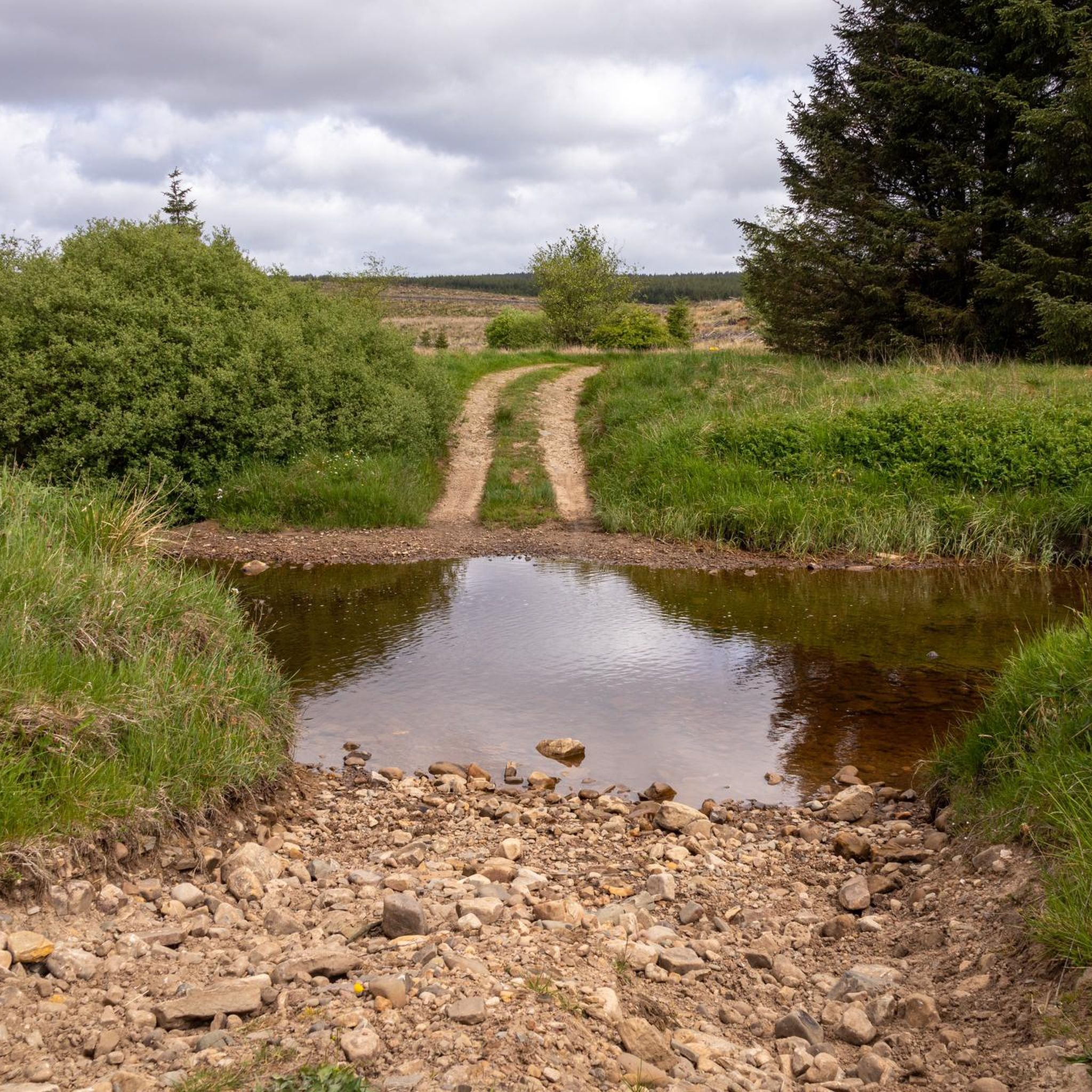
Built in 1724 by four local masons, this bridge replaced earlier wooden structures that had been destroyed by flooding. The bridge consists of two segmental arches: one over the river and one over the old Abbey Mill stream. The red sandstone, the triangular cutwaters, and the gently curving shape give it an authentic character.
11
0
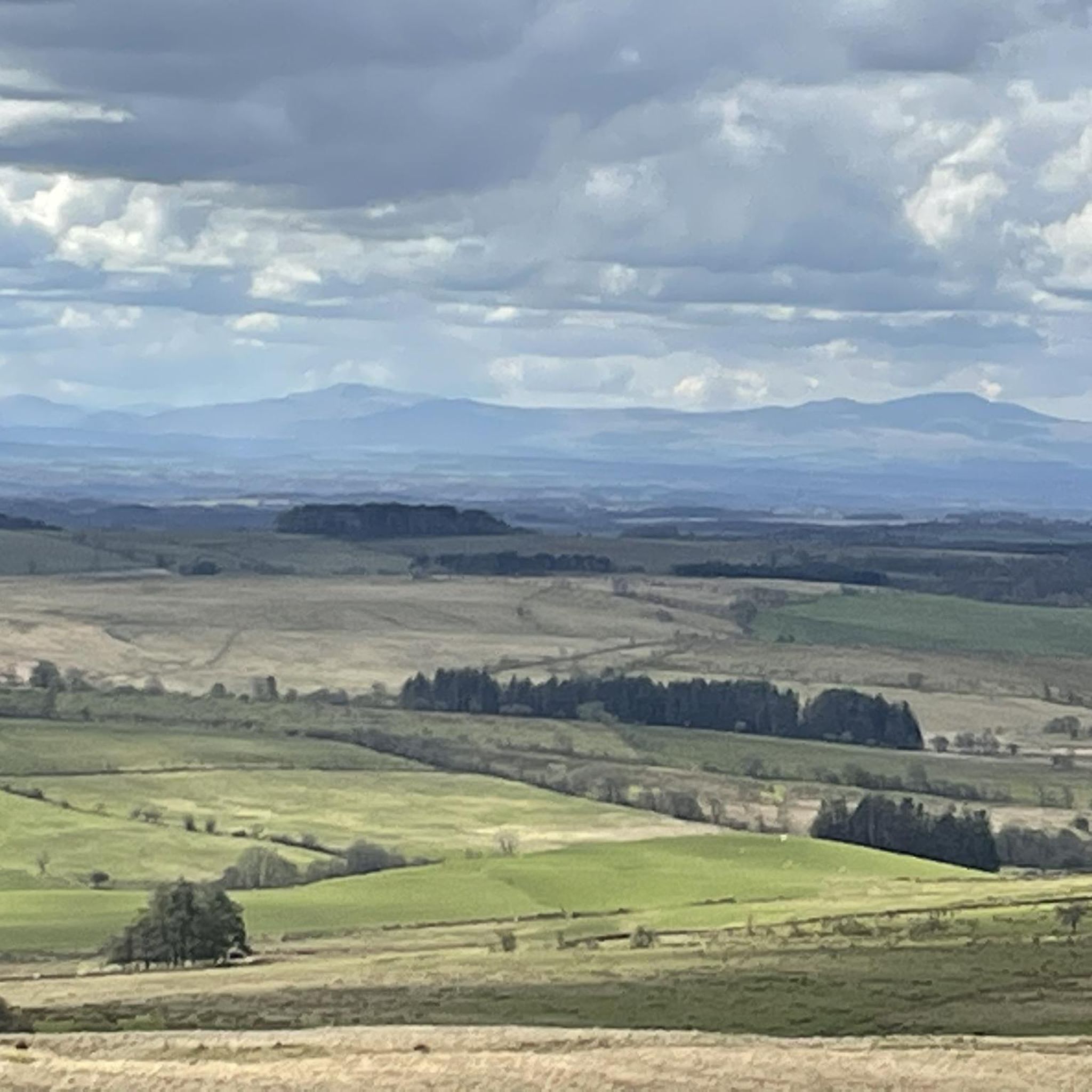
Askerton Castle is a rare example of a fortified medieval manor house, situated in remote north Cumbria, about three miles north of Hadrian's Wall. The original building was constructed around 1290 as an unfortified hall, but in the late 15th century, two battlemented towers—the Dacre Tower and the Dovecot Tower—were added by Thomas, Lord Dacre, as part of a border defense against the notorious Border Reivers. In the 16th century, the complex was expanded with a stable block and additional wings for troop accommodation. A third tower on the northwest corner is believed to have been lost, possibly to fire, but traces of its stonework and staircases are still visible in the walls. The structure contains impressive oak beams, dated between 1494 and 1510, and shows clear stages of architectural evolution—from a simple hall to a military stronghold. Although the castle is not open to the public, it is now part of the Askerton Castle Estate, an organic farm that produces beef, lamb, pork, and poultry. The building is a Grade I listed building, indicating its exceptional historical value.
7
0
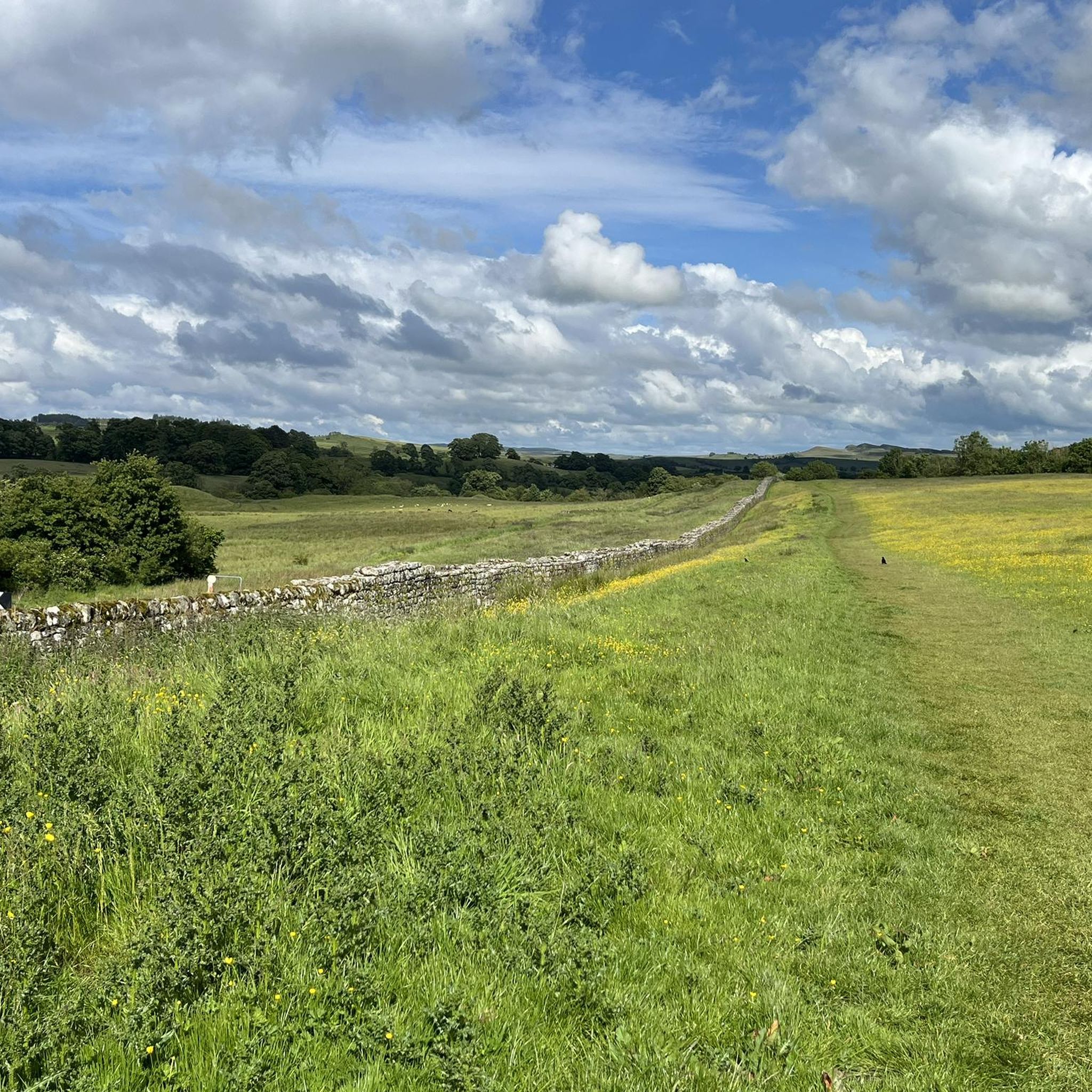
The ruins of Bewcastle Castle lie mysteriously tucked away in the northeastern corner of an old Roman fort in Cumbria. The original castle was built around 1092 on the foundations of the Fanum Cocidii fort and served as a border defense against Scottish incursions. Destroyed in 1173, it was rebuilt in the 14th century by John de Strivelyn, a general of King Edward III. The castle had a square plan of 27 meters, surrounded by a dry moat that partially utilized Roman ditches. Within the walls were buildings surrounding a small courtyard, with a gatehouse added later. The walls are up to 9 meters high, with visible windows and fireplaces on the second floor. Bewcastle Castle was strategically located on the Maiden Way, a Roman road leading to Hadrian's Wall, and played a role in conflicts with the notorious Border Reivers. Today the ruins are unstable and partly inaccessible, but they remain a powerful symbol of border defense and medieval architecture.
9
0


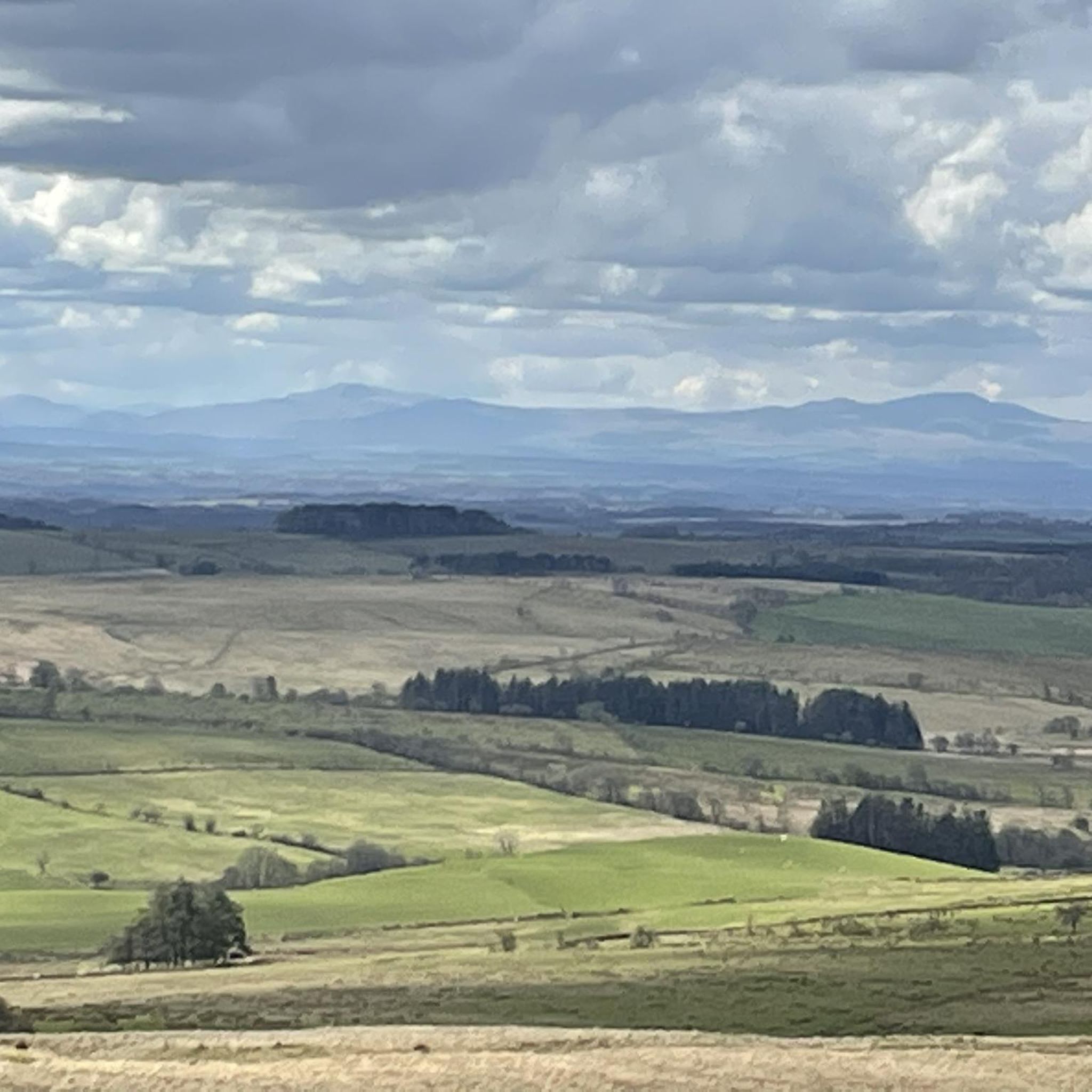
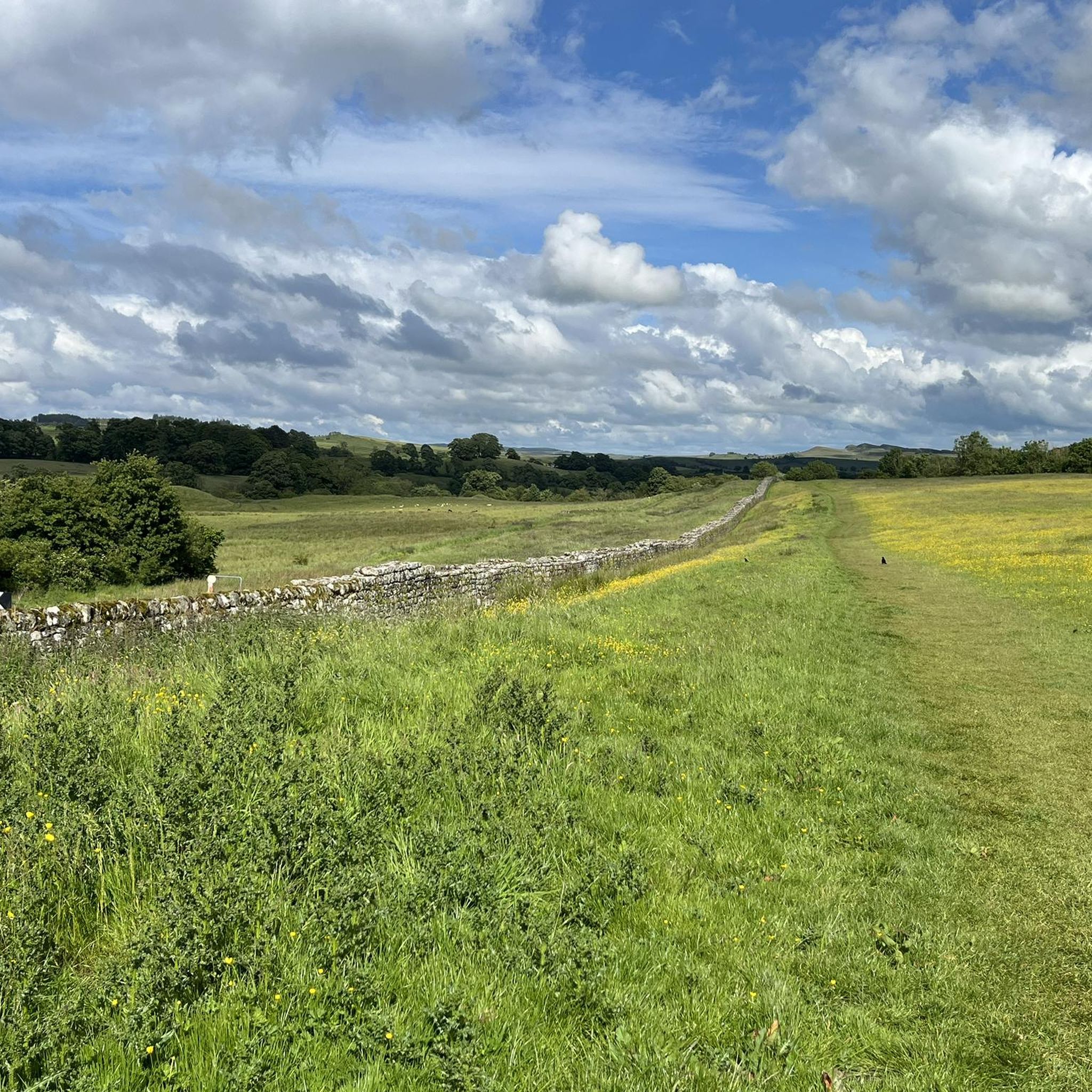
Originally built in the 12th century, and later strengthened using stones from nearby Hadrian’s Wall, Thirlwall Castle began to fall into disrepair in the 17th century. The site is protected by Grade I listed building and Scheduled Ancient Monument status. In 1999, Northumberland National Park Authority acquired a 99-year lease on Thirlwall Castle and 10 hectares of adjacent woodland. This is a great historic vista for the eyes for passing runners and why don't you come back for a picnic in the grounds when your not huffing and puffing so much.
1
0

An interesting ruin with a pleasant walk to get to it. Parking and information available in the local village.
0
0


Now Askerton Castle Estate is an organic livestock farm, you can buy great quality meat but you can't visit the castle.
0
0
Frequently Asked Questions
What kind of castles can I expect to find around Askerton?
The Askerton area is rich in historical fortifications, primarily featuring medieval castle ruins and fortified manor houses. You'll find sites like Thirlwall Castle Ruins, a 12th-century stronghold built with stones from Hadrian's Wall, and the intriguing Ruins of Bewcastle Castle, which stands on the site of a Roman fort. The region's history as a border area with Scotland means many castles were built for defense against incursions.
Are there any family-friendly castles to visit near Askerton?
Yes, the Ruins of Bewcastle Castle are noted as family-friendly. While parts may be inaccessible due to their unstable nature, the general area offers a historical setting that can be explored with children. It's a place where sheep now graze, providing a peaceful environment for a family outing.
Can I visit Askerton Castle itself?
While Askerton Castle is a significant Grade I listed medieval fortified manor house, it is not currently open to the public. It operates as an organic livestock farm, part of the Askerton Castle Estate. Its historical importance lies in its evolution as a border defense and its architectural adaptations over centuries.
What historical insights do these castles offer about the region?
The castles around Askerton, such as Thirlwall Castle Ruins and Ruins of Bewcastle Castle, provide a direct link to the turbulent history of the Scottish Marches. They showcase how wealthy families fortified their homes against border wars, robbery, and kidnapping. Thirlwall Castle even incorporated stones from the nearby Hadrian's Wall, highlighting the continuous strategic importance of the area.
Are there opportunities for walks or hikes around the castles?
Yes, the area around Askerton offers various walking and hiking opportunities. For instance, you can find easy hikes like the 'Hadrian's Wall & Lanercost Priory loop from Lanercost' or the 'Birdoswald Roman Fort – Hadrian's Wall loop from Waterhead'. These routes often pass by or are near historical sites. You can explore more options in the Easy hikes around Askerton guide.
What outdoor activities can I combine with a castle visit?
Beyond exploring the castles, you can enjoy running and cycling in the Askerton area. There are several running trails, including loops around Brampton and Irthington, as well as traffic-free bike rides like the 'Bewcastle Church and Cross – View of Bewcastle Castle loop from Askerton'. For more details, check out the Running Trails around Askerton and Traffic-free bike rides around Askerton guides.
Is there a castle near Askerton that is less crowded?
If you're looking for a less crowded experience, the Ruins of Bewcastle Castle are described as 'mysteriously tucked away' and surrounded by peaceful nature, often used for grazing sheep. This suggests a quieter, more contemplative visit compared to more heavily trafficked sites.
What is the best time of year to visit the castles around Askerton?
Visiting the castles around Askerton is generally best during the warmer, drier months from spring to early autumn (April to October). This allows for more comfortable exploration of the outdoor ruins and surrounding landscapes. However, the historical sites can be atmospheric in any season, just be prepared for potentially wet or cold weather, especially in winter.
Are there any castles that are free to enter?
Yes, the Thirlwall Castle Ruins are free to enter at all times. This site offers a great opportunity to step back in time and is also a perfect spot for a picnic amidst historical surroundings.
What should I know about parking and accessibility for these castles?
Specific parking details vary by site. For remote locations like the Ruins of Bewcastle Castle, access might involve walking from nearby roads. Thirlwall Castle Ruins are generally accessible for visitors. As many are ruins, wheelchair accessibility can be limited due to uneven terrain and historical structures. It's advisable to check local information for each specific site if you have particular accessibility needs.
Can I see a privately owned castle in the area?
While not open to the public, Naworth Castle is a spectacular medieval castle in Cumbria that is privately owned and still inhabited. It has a rich history, having hosted nobles and even artist William Morris, who described it as 'the most poetical in England'.
Most popular attractions around Askerton

Get inspired with the komoot mobile app


Explore more
Looking for the best castles somewhere else? Discover other guides around Askerton:
