The best walks and hikes around Little Clifton
4.6
(345)
3,619
hikers
226
hikes
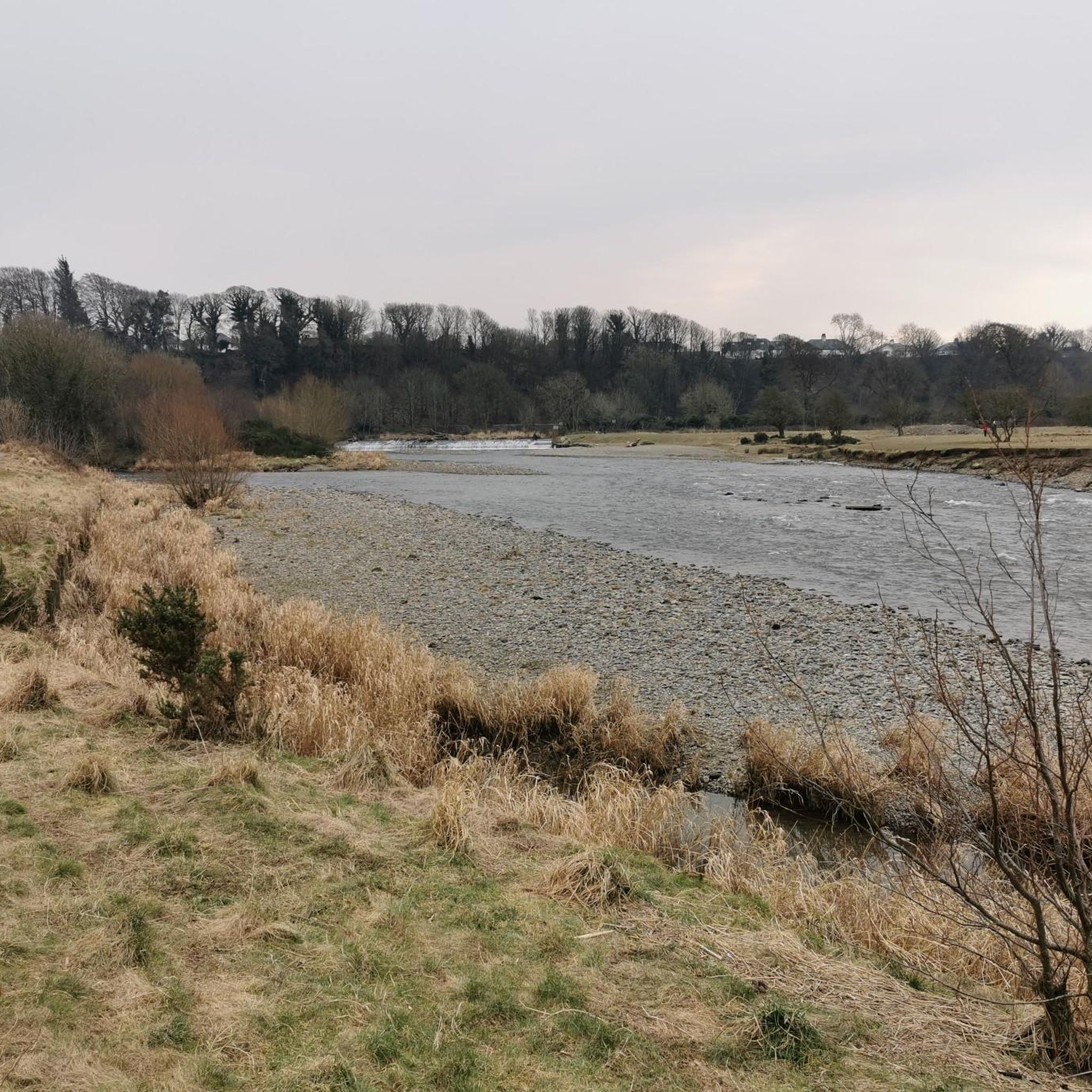
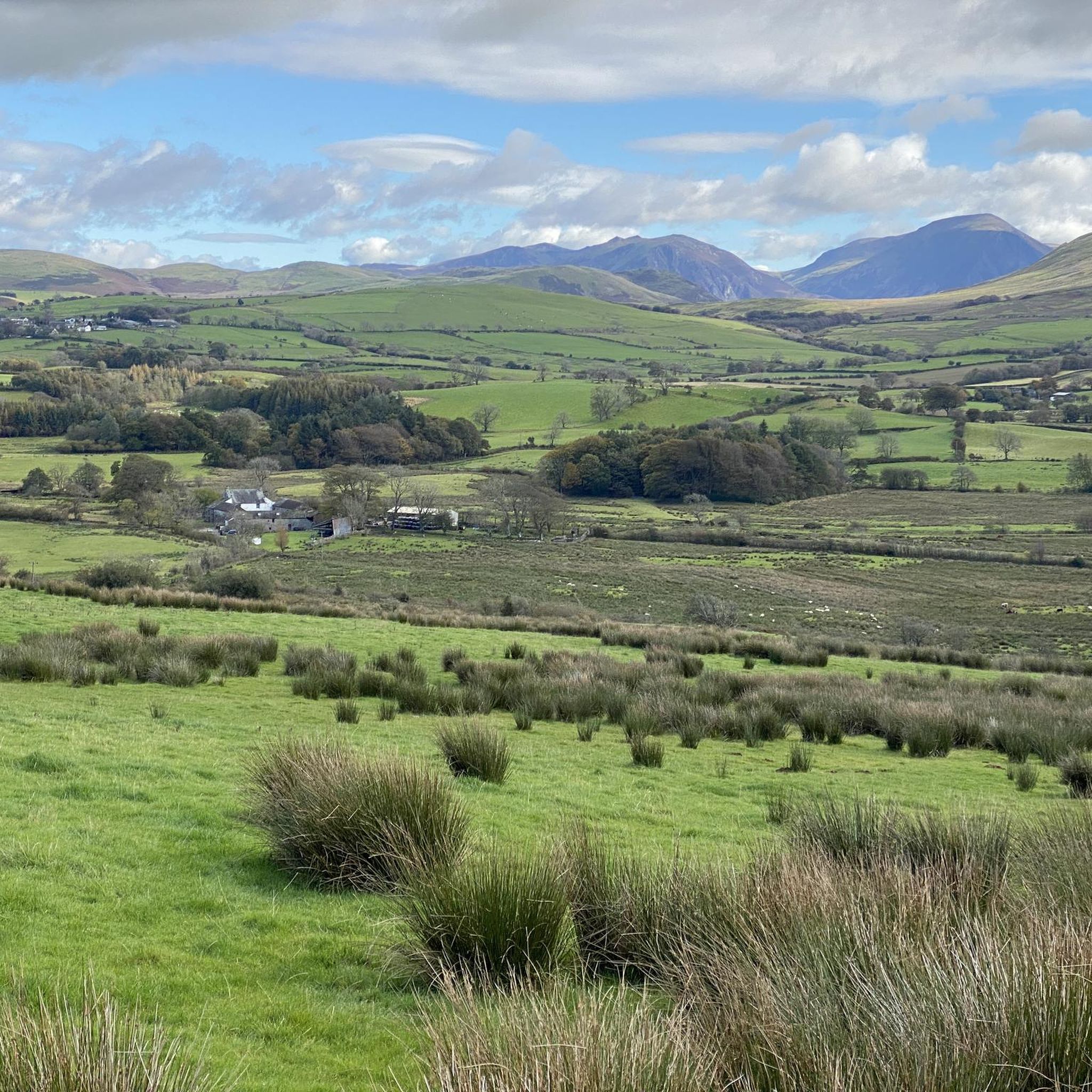
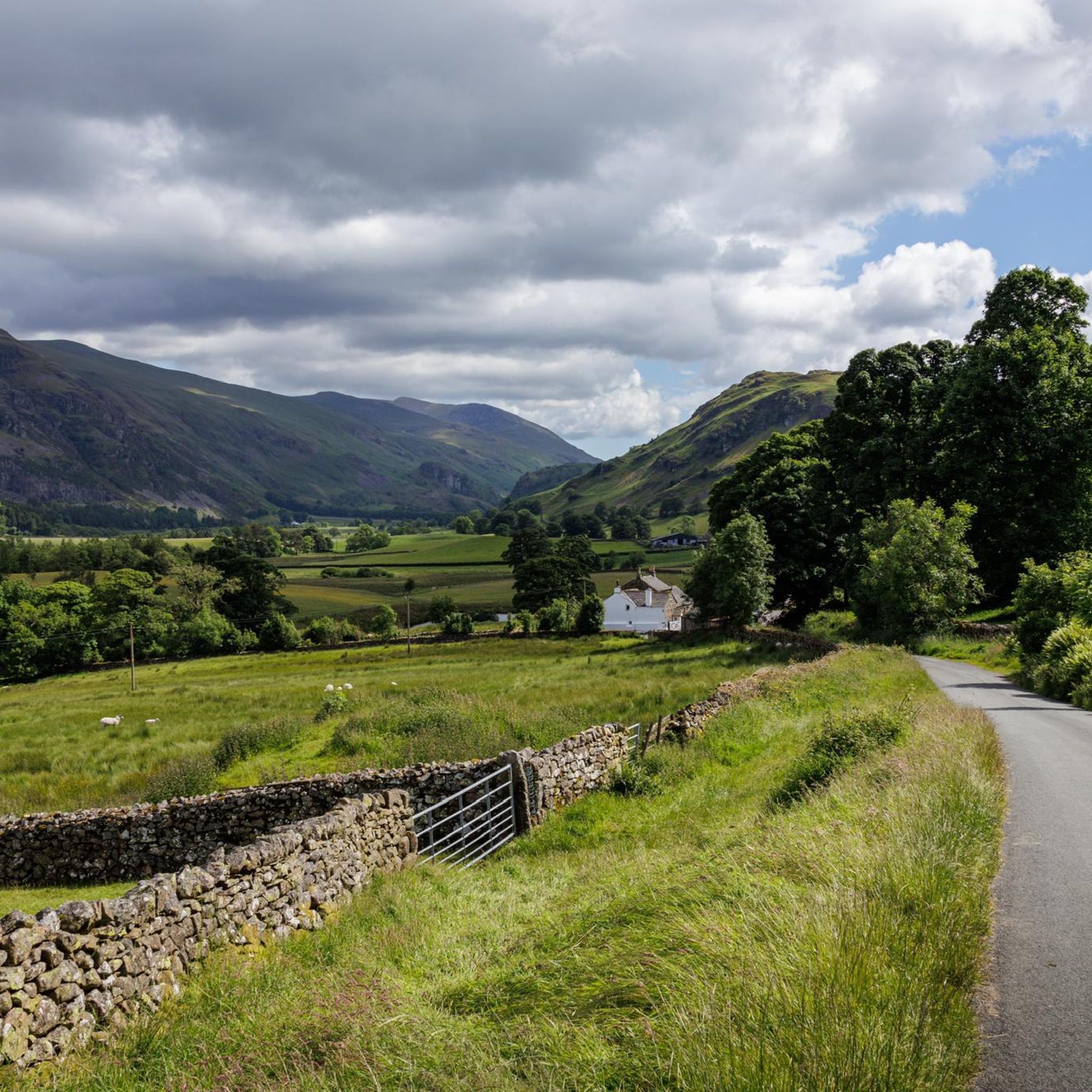
Hikes around Little Clifton explore the landscape of western Cumbria, situated near the River Derwent. The region's terrain is defined by gentle riverside paths, rolling hills, and access to the fells of the Lake District National Park. This variety provides a range of walking trails near Little Clifton Cumbria suitable for different fitness levels.
Best hiking trails around Little Clifton
- The most popular hiking route is Navvies Bridge – The UFO Sculpture loop from Great Clifton, a 7.7 mile…
Last updated: June 25, 2026
3.0
(4)
35
hikers
Moderate hike. Good fitness required. Easily-accessible paths. Suitable for all skill levels.
9
hikers
7.28km
01:56
70m
70m
Easy hike. Great for any fitness level. Easily-accessible paths. Suitable for all skill levels.

Sign up for free
5.0
(2)
9
hikers
12.4km
03:19
130m
130m
Moderate hike. Good fitness required. Easily-accessible paths. Suitable for all skill levels.
2.0
(2)
4
hikers
6.81km
01:47
50m
50m
Easy hike. Great for any fitness level. Easily-accessible paths. Suitable for all skill levels.
6
hikers
8.76km
02:22
120m
120m
Moderate hike. Good fitness required. Easily-accessible paths. Suitable for all skill levels.
Get access to more routes and recommendations from other explorers.
Sign up for free
Already have an account?
Our route recommendations are based on thousands of hikes, rides, and runs completed by other people on komoot.
Start today with a free account
Your next adventure awaits.
Login or Signup

Tips from the Community

Navvies Bridge is a modern pedestrian and cycle bridge over the River Derwent in Workington, Cumbria, built in 2011 to replace an earlier bridge that was destroyed in the 2009 floods. The new bridge is designed as a twin-ribbed untied bowstring arch of steel, with a span of 84.8 metres and a deck width of 3 metres — almost double the width of the original bridge.
10
0
Millers Bridge, also known as Harris Bridge, is a steel pedestrian bridge over the River Derwent in Cockermouth, Cumbria, connecting the northern and southern parts of the city. The original structure was destroyed by severe flooding in 2009, and the bridge was rebuilt in 2010 with modified foundations to address changes in the riverbank caused by erosion. The reopening by HRH The Princess Royal underscored the importance of this connection to the local community. As a functional infrastructure, the bridge not only provides pedestrian access but also views of the surrounding landscape.
9
0
Wordsworth House rises majestically on Main Street in Cockermouth, a charming town on the edge of the Lake District. Built around 1745, the house reflects the understated grandeur of Georgian architecture: a perfectly symmetrical façade of sand-colored bricks, tall rectangular windows with classically framed woodwork, and an ornate yet understated doorway that evokes the sense of order and proportion characteristic of this period. The poet William Wordsmouth was born here in 1770.
9
0

Millers Bridge, as it is known in Cockermouth (official maps refer to it as Harris Bridge), was reopened in 2010 by HRH the Princess Royal after it had suffered severe damage in the 2009 floods and a section of it collapsed into the River Derwent. Part of the steel bridge had to be rebuilt to fit the new shape of the river banks, which were heavily eroded during the floods and have now been fortified.
0
0
This path starts from the compound of Lloyds Cockermouth (BMW/Mini, former Volvo), behind Aldi or from Low Road close. It is the rising section of railway built to link the Workington to Papcastle/ Low Road railway to Cockermouth Station which was the terminus for the Penrith, Keswick and Cockermouth Railway. It was always necessary to change at Cockermouth - there were never any through trains to Workington.
0
0
This is the only road bridge crossing the River Derwent in Cockermouth. This bridge, known as Gote Bridge and built in 1822 carries the A5086 between Cockermouth and Papcastle. It survived the three recent floods in The town. There is also one footbridge just 200m upstream.
0
0
Joe’s walk is a path parallel to Low Road adjacent to Fitz Park and allows safe passage for walkers and cyclists between the Laureates and Cockermouth.
0
0
William Wordsworth and his sister Dorothy were both born in this house (1770 & 1771 respectively) and lived here until 1783 when their father died. The house is now maintained by the National Trust though it narrowly avoided being demolished in the 1960s and replaced by a bus depot before the residents of Cockermouth objected. Only the desk in their father’s office is the family’s original 18th century furniture but the front part of the house has genuine 18th century furniture. The garden is superbly maintained by volunteers in a style appropriate for the time.
1
0
Frequently Asked Questions
Are there many circular walks starting near Little Clifton?
Yes, the area is well-suited for circular hikes. You can find numerous loops that take you along the River Derwent and through the surrounding countryside. A good example of a shorter loop is the 4.2-mile hike from Great Broughton, which explores the local fields and paths.
What are the options for easy, family-friendly walks?
There are plenty of gentle walks perfect for families. Many follow the scenic River Derwent or explore local woodlands like Walkmill Wood. For a straightforward and enjoyable outing, consider the Joe's Walk – The Lakeland Shepherd Monument loop, which is relatively flat and offers pleasant scenery.
Can I bring my dog on the trails around Little Clifton?
Most of the public footpaths and trails in the countryside around Little Clifton are great for walking with dogs. Riverside paths along the Derwent are particularly popular. However, always be mindful of livestock in fields and keep your dog on a lead where required.
How many hiking trails are there in the Little Clifton area?
You'll find a wide variety of options, with over 230 routes to explore around Little Clifton. These range from short, easy strolls to more demanding hikes into the nearby fells of the Lake District.
What do other hikers think of the trails near Little Clifton?
The area is highly regarded by the komoot community, with an average rating of 4.6 stars. Hikers often praise the peaceful riverside scenery along the Derwent and the mix of easy-to-follow paths through the Cumbrian landscape.
Are there any challenging hikes for experienced walkers?
Yes, while the immediate area has many gentle trails, Little Clifton's proximity to the Lake District National Park provides access to more strenuous hikes. Experienced hikers can head towards the western fells, such as Burnbank Fell or Low Fell, for more significant elevation gain and rewarding views.
What kind of scenery can I expect on hikes around Little Clifton?
The landscape offers a lovely contrast of scenery. You'll find gentle, meandering paths along the River Derwent, walks through rolling agricultural fields, and views towards the more rugged fells of the western Lake District. Some routes also pass through pleasant woodlands.
Where can I find good viewpoints on a hike?
For expansive views, the best option is to gain some elevation on the nearby fells. Hikes up Fellbarrow, for instance, are known to offer stunning panoramic vistas of the surrounding fells and the Cumbrian coast on a clear day.
What are the trail conditions like?
Trails vary from well-defined public footpaths and riverside tracks to more rugged, open fellside paths. After rain, paths, especially those across fields or near the river, can become muddy, so waterproof hiking boots are always recommended.
Is it possible to go for a longer hike in the area?
Certainly. There are several moderate, longer-distance options. For a substantial walk that takes in some local history, you could try the loop from Broughton visiting The Lakeland Shepherd Monument, which is just under 7 miles.
Are there any pubs or cafes directly on the walking routes?
While the rural footpaths themselves are generally free of amenities, many routes start or finish in or near villages like Great Broughton or the nearby town of Cockermouth, where you can find traditional pubs and cafes for refreshments after your hike.
What is the best time of year to hike around Little Clifton?
Hiking is possible year-round, but the best conditions are typically from late spring to early autumn (May to September) when the weather is milder and the days are longer. The trails are particularly beautiful in the spring with wildflowers and in the autumn with changing colours.
Most popular attractions around Little Clifton

Get inspired with the komoot mobile app


Explore more
Browse the best Hikes in other regions.
