Attractions and Places To See around Wrockwardine - Top 20
Best attractions and places to see around Wrockwardine is a historic parish in Shropshire, England, known for its elevated terrain offering expansive views across the north Shropshire plain. The area is closely associated with The Wrekin, a prominent local hill, and features a blend of notable landmarks and natural features. Its rich history is reflected in sites like St Peter's Church, mentioned in the Domesday Book, and 17th-century timber-framed cottages. Wrockwardine provides a setting with picturesque countryside and significant historical…
Last updated: May 4, 2026
The Wrekin summit
Highlight • Summit
Tip by

The Iron Bridge (Ironbridge Gorge)
Highlight • Monument
Tip by

Sign up now to discover places like this
Get recommendations on the best single tracks, peaks, & plenty of other exciting outdoor places.
Sign up for free
The Wrekin Hillfort
Highlight • Viewpoint
Tip by

Wellington Rotary Toposcope on the Wrekin
Highlight • Monument
Tip by

Iron Bridge War Memorial
Highlight • Monument
Translated by Google •
Tip by

Sign up for free to discover even more attractions around Wrockwardine.
Sign up for free
Already have an account?
Start today with a free account
Your next adventure awaits.
Login or Signup
Other adventures around Wrockwardine

Tips from the Community

"In order to be able to transport his goods, the ironworks owner Abraham Darby III was looking for an architect who could build him a stable bridge made of "stone, brick or wood" across the five-kilometer-wide valley of the Severn in central England. Thomas Pritchard accepted the challenge, but he built a bridge made of cast iron, the completion of which in 1781 marked the beginning of the new "Iron Age". It was the largest free-floating bridge construction of the time. Built at the highest point of the valley, the Iron Bridge became a symbol of the industrial power of the Darbys and a monument to the Industrial Revolution." With these words, the website for the television series "Treasures of the World - Heritage of Humanity" presents its film contribution (in German) about the UNESCO-recognized World Heritage Site "Iron Bridge": https://www.ardmediathek.de/video/schaetze-der-welt/ironbridge-grossbrittanien-folge-156/3sat/Y3JpZDovL3N3ci5kZS83MTUyMDA4
2
0
As a memorial to the many dead, such memorials – usually called “war memorials” in English – are still very important today. “Now, Lord, you let your servant depart in peace, as you have said...” says the so-called “Hymn of Simeon” (Luke’s Gospel, Chapter 2, Verse 29). However, the people commemorated here did not depart in peace, but became victims of war and tyranny. This is why the term “dead soldiers’ memorial” is now sometimes used in German instead of the previously most common “war memorial”. However, such a war memorial, which one encounters so often on the road, regardless of nationality, language and name, is always a testimony to the horror of war and tyranny – still significant and current today. They all have two essential functions, and this is renewed for each generation: -1- Commemorate and remember the victims -2- Remind people to keep the peace
2
0
"In order to be able to transport his goods, the ironworks owner Abraham Darby III was looking for an architect who could build him a stable bridge made of "stone, brick or wood" across the five-kilometer-wide valley of the Severn in central England. Thomas Pritchard accepted the challenge, but he built a bridge made of cast iron, the completion of which in 1781 marked the beginning of the new "Iron Age". It was the largest free-floating bridge construction of the time. Built at the highest point of the valley, the Iron Bridge became a symbol of the industrial power of the Darbys and a monument to the Industrial Revolution." With these words, the website for the television series "Treasures of the World - Heritage of Humanity" presents its film contribution (in German) about the UNESCO-recognized World Heritage Site "Iron Bridge": https://www.ardmediathek.de/video/schaetze-der-welt/ironbridge-grossbrittanien-folge-156/3sat/Y3JpZDovL3N3ci5kZS83MTUyMDA4
2
0

War memorial to remember and honour the fallen. Lest we forget.
1
0

Labelled, rightly or wrongly, as the "Birthplace of the Industrial Revolution" Ironbridge and its ‘Iron bridge’ is a stunning little county town with a cute high Street, lovely shops, pubs and cafes, a sprinkling of good museums and of course the bridge itself. The latter being the first fabricated from cast iron. It’s a grand beautiful architectural statement from bygone days and well worth a visit!
2
0

The iron bridge that spans the River Severn near to the Shropshire village of Coalbrookdale was the first of its kind anywhere in the world when it was constructed in 1779. This pioneering use of cast iron was afterwards adopted widely in the construction of bridges, aqueducts and other structures. The bridge's fame became so great that it gave its name to the spectacular wooded gorge which surrounds it, now the Ironbridge Gorge World Heritage Site. In 2017-18 English Heritage undertook a £3.6m conservation project on the Iron Bridge to protect the future of this historic example of British ironwork.
2
0
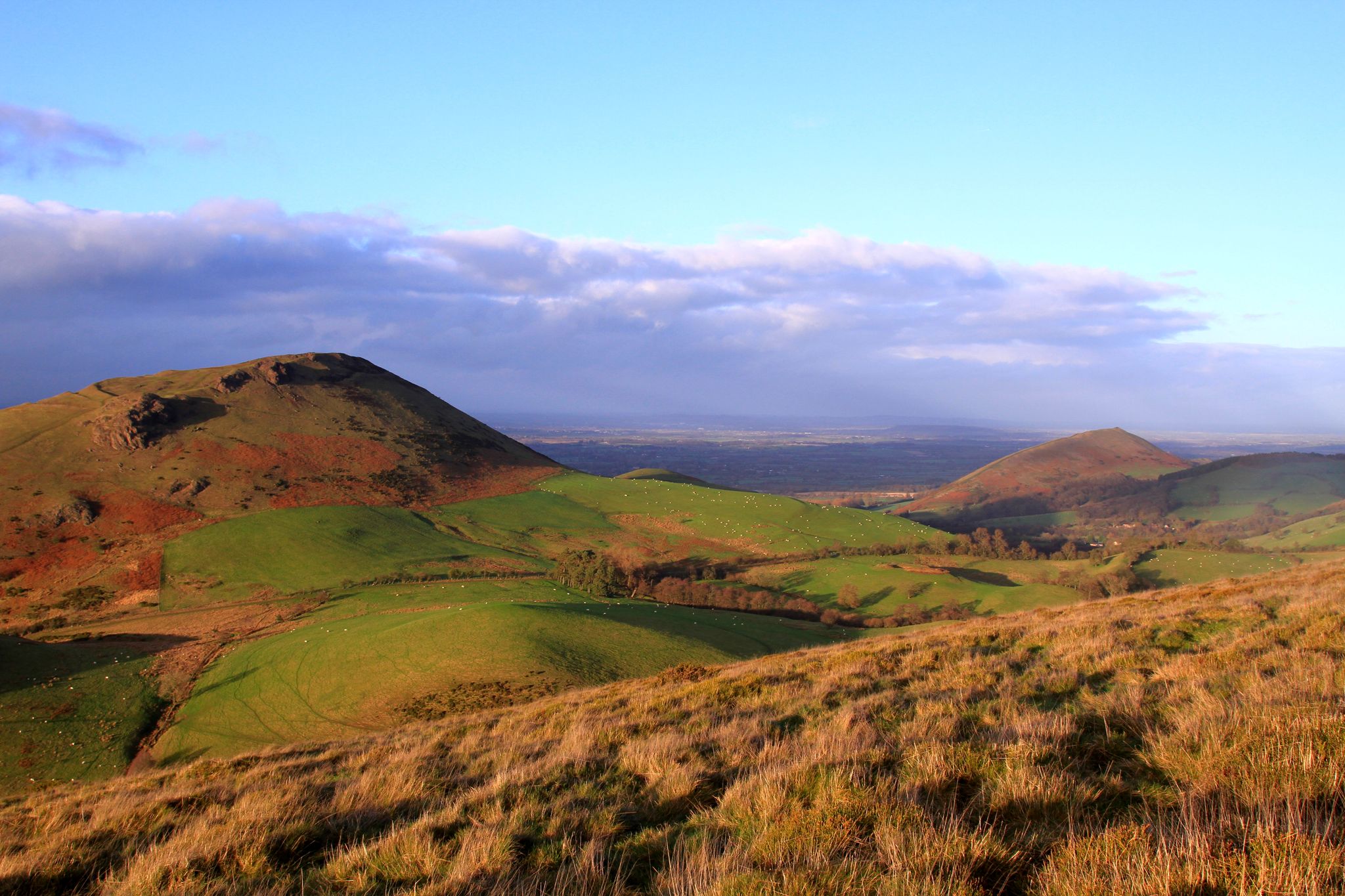
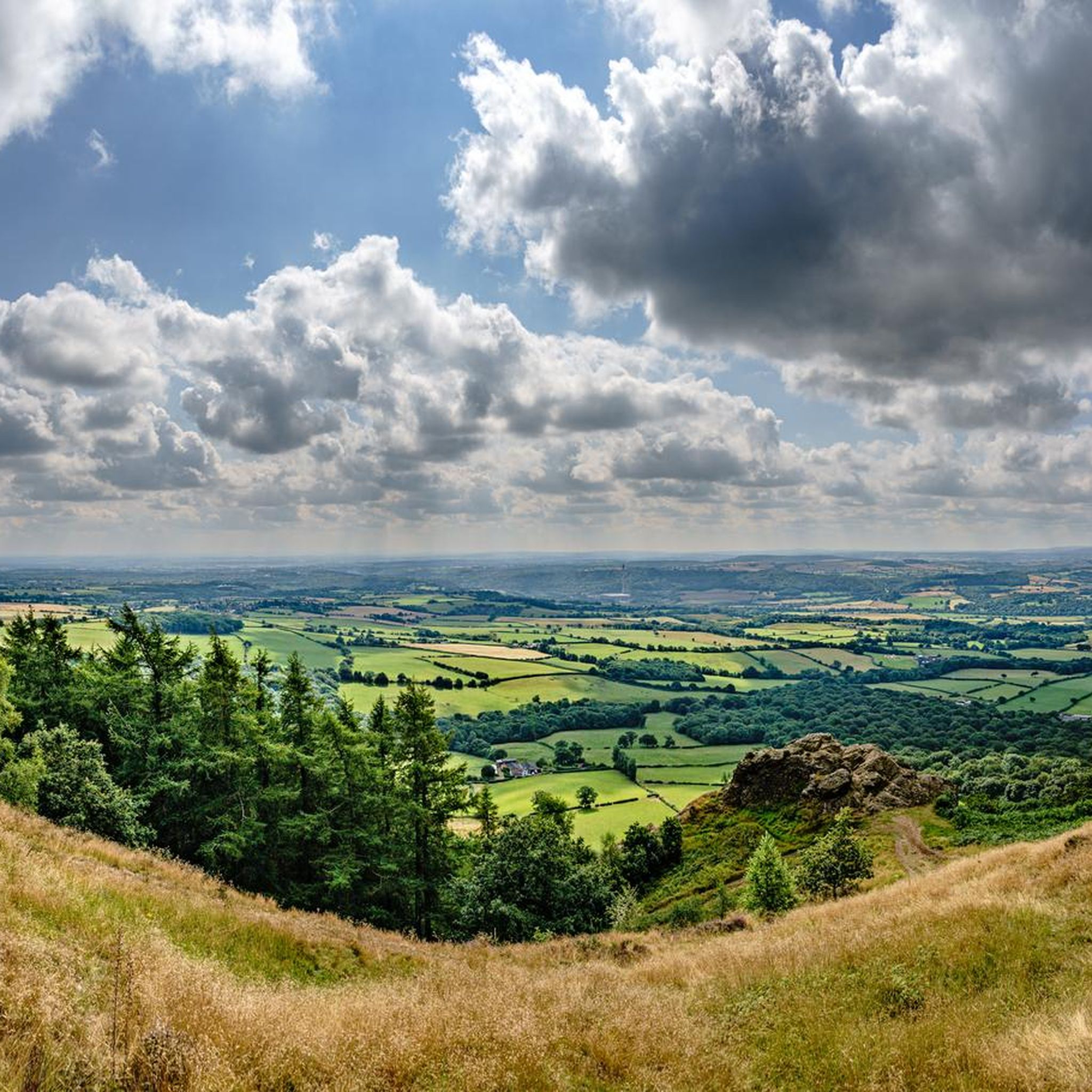
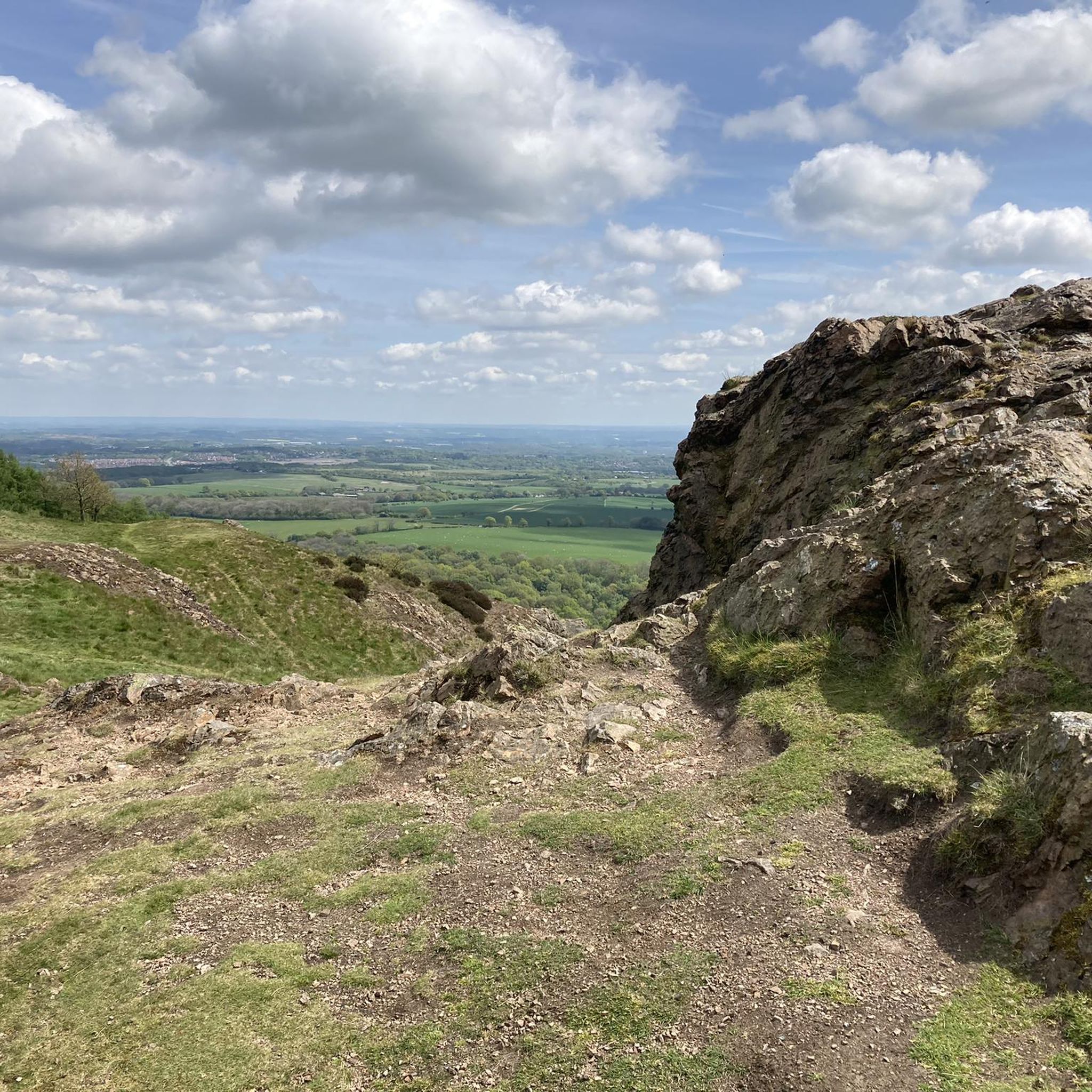
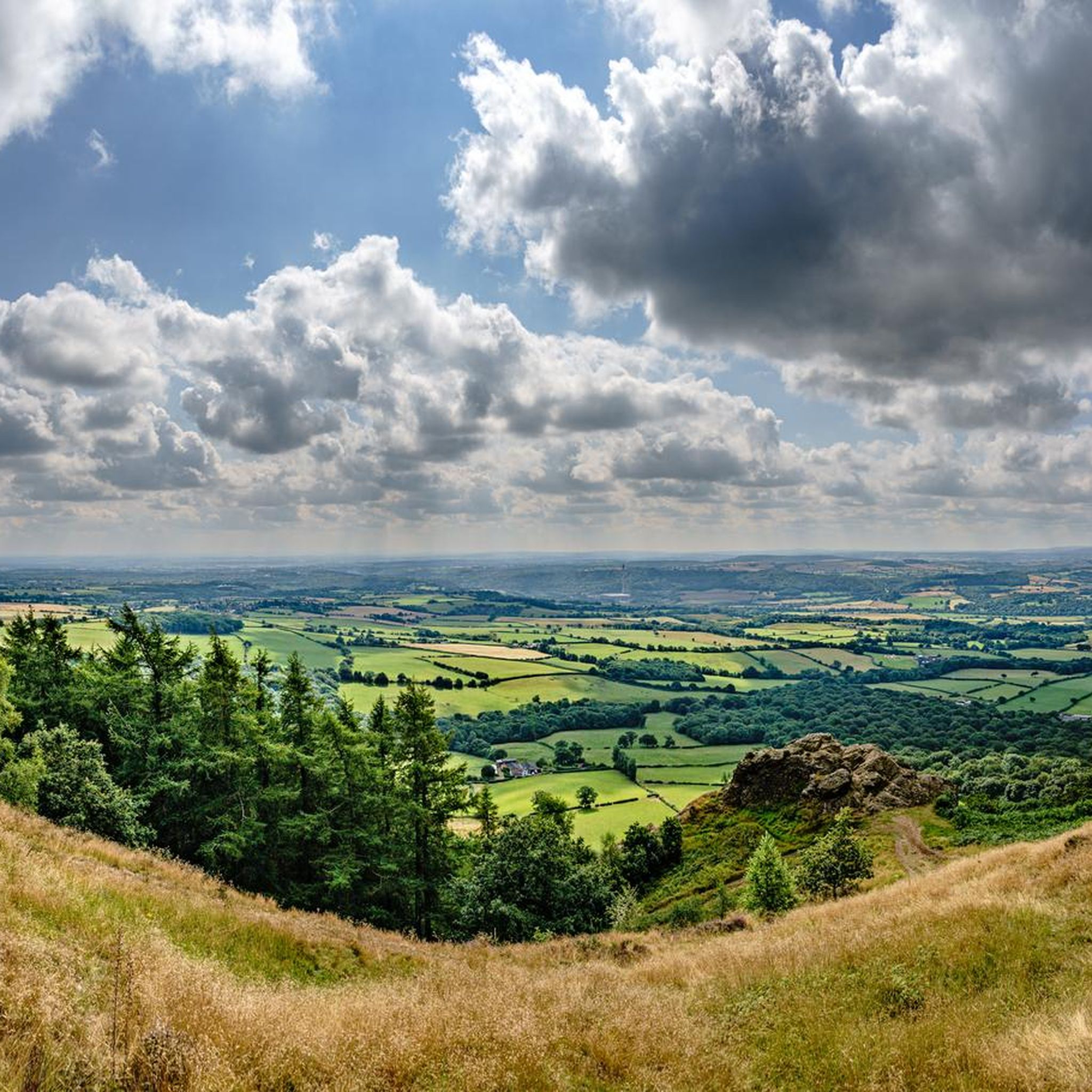
Rising to 407 metres, The Wrekin is a prominent landmark, its visibility from the M54 signalling the entrance to Shropshire. Unlike some of the local hills, The Wrekin was never a volcano in its own right, despite its conical shape, but is composed of various igneous rocks and volcanic processes. The ridgeline either side of The Wrekin makes for some great running, with fabulous views in every direction.
0
0
Frequently Asked Questions
What natural features and viewpoints can I explore around Wrockwardine?
The most prominent natural feature is The Wrekin summit, a 'little mountain' dominating the Shropshire landscape, offering spectacular views and the remains of an Iron Age hill fort. You can also explore The Cockshutt (Wrockwardine Wood & Cockshutt Piece), a Local Nature Reserve with woodlands, grasslands, and extensive footpaths. The elevated terrain of Wrockwardine itself provides expansive views across the north Shropshire plain.
Are there any significant historical or cultural sites in Wrockwardine village itself?
Yes, Wrockwardine village is rich in history. You can visit St Peter's Church, a Grade I listed building of Saxon origin mentioned in the Domesday Book, featuring Norman architectural elements. Wrockwardine Hall, a Grade II* listed building from 1628, is another significant historical residence. The village also boasts several 17th-century timber-framed cottages and an 18th-century almshouse, contributing to its historic ambiance.
What historical sites are easily accessible for a day trip from Wrockwardine?
Several significant historical sites are within a short distance. The iconic The Iron Bridge (Ironbridge Gorge), the world's first iron bridge and a UNESCO World Heritage Site, is about six miles away. Wroxeter Roman City, once the fourth-largest city in Roman Britain, is approximately four miles distant. You can also visit the extensive ruins of Lilleshall Abbey (three miles) and Buildwas Abbey (five to six miles).
What kind of outdoor activities, like hiking or cycling, are available near Wrockwardine?
The area around Wrockwardine offers a variety of outdoor activities. Hiking is very popular, especially on The Wrekin, which has various routes to its summit. You can find numerous hiking trails, including easy and moderate options. For cyclists, there are road cycling routes that explore the surrounding countryside. Explore more options on the Hiking around Wrockwardine and Road Cycling Routes around Wrockwardine guide pages.
Are there easy walking trails suitable for all abilities around Wrockwardine?
Yes, there are several easy walking trails. The Wrekin offers well-surfaced paths, and the nearby Ercall Woods also feature accessible routes. For specific easy hikes, you can check the Easy hikes around Wrockwardine guide, which includes trails like the Wrekin Woodland Trail loop and routes through Ercall Woods.
What family-friendly attractions are there near Wrockwardine?
The The Iron Bridge (Ironbridge Gorge) is a family-friendly historical site that offers an engaging experience for all ages, symbolizing the Industrial Revolution. The Wrekin, with its manageable climb and historical hill fort, is also a popular spot for families to enjoy a walk and explore nature.
Are there any wheelchair-accessible attractions in the area?
The Iron Bridge War Memorial is noted as wheelchair accessible. While many natural trails may have varied terrain, some parts of the Ironbridge Gorge area and specific visitor centers might offer better accessibility. It's always recommended to check specific venue details for the most up-to-date accessibility information.
What is the best time of year to visit Wrockwardine for outdoor activities?
The spring and summer months are ideal for outdoor activities around Wrockwardine. The Cockshutt Local Nature Reserve is particularly vibrant with bird song in the summer, and butterflies like the Dingy Skipper and Green Hairstreak can be spotted. Good weather during these seasons also enhances the experience of hiking The Wrekin and enjoying the expansive views.
Where can I find information about the industrial heritage near Wrockwardine?
The primary site for industrial heritage is the Ironbridge Gorge, home to the world's first iron bridge and a UNESCO World Heritage Site, symbolizing the dawn of the Industrial Revolution. Additionally, The Cockshutt (Wrockwardine Wood & Cockshutt Piece) contains relics from the area's industrial revolution past along its trails.
What do visitors particularly enjoy about The Wrekin?
Visitors love The Wrekin summit for its spectacular views, especially in good weather, and the challenging but manageable climb. It's also appreciated for its historical significance as an Iron Age hill fort (The Wrekin Hillfort) and the beautiful natural surroundings. The Wellington Rotary Toposcope on the Wrekin is a popular spot at the summit to identify distant landmarks.
Are there options for road cycling around Wrockwardine?
Yes, Wrockwardine is a great starting point for road cycling. Routes vary in difficulty from easy to difficult, taking you past scenic spots like the River Tern Weir and Lock, and offering views of The Wrekin and the Iron Bridge. You can find detailed routes on the Road Cycling Routes around Wrockwardine guide page.
What wildlife might I spot in the natural areas around Wrockwardine?
The Cockshutt (Wrockwardine Wood & Cockshutt Piece) Local Nature Reserve is a haven for birdlife, particularly noted for its vibrant bird song in the summer. It's also home to various butterflies, including the Dingy Skipper and Green Hairstreak. The surrounding woodlands and grasslands provide habitats for a range of local fauna.
Can I find places to eat or drink near the walking trails?
While specific cafes and pubs directly on the trails are not detailed, the nearby towns and villages, such as Wellington, offer various options for refreshments. It's advisable to carry snacks and water, especially for longer hikes, and plan your route to pass through or near settlements for dining opportunities.
Most popular routes around Wrockwardine
Most popular attractions around Wrockwardine

Get inspired with the komoot mobile app


Explore more
Still not found the Highlight you’re looking for? See guides of the top attractions in other regions:
