Top 20 Natural Monuments around Strathard
Best natural monuments around Strathard are characterized by dramatic waterfalls, significant natural reserves, and prominent summits. This region in Scotland offers diverse landscapes, from woodlands and moorlands to lochs and mountains. The area provides opportunities to explore varied ecosystems and historical sites.
Best natural monuments around Strathard
- The most popular natural monuments is View of Loch Lomond from Conic Hill, a viewpoint that offers views of Loch Lomond and the Highlands. This location serves as a notable challenge for…
Last updated: September 29, 2026
View of Loch Lomond from Conic Hill
Highlight • Viewpoint
Sometimes it can …
Translated by Google •
Tip by

Ben Lomond Summit
Highlight • Summit
Tip by

Sign up now to discover places like this
Get recommendations on the best single tracks, peaks, & plenty of other exciting outdoor places.
The Cobbler (Ben Arthur)
Highlight • Summit
Tip by

Ben Ledi Summit
Highlight • Viewpoint
Tip by
Path to Conic Hill Summit
Highlight (Segment) • Trail
Tip by

Sign up for free to discover even more natural monuments around Strathard.
Already have an account?
Start today with a free account
Your next adventure awaits.
Popular around Strathard
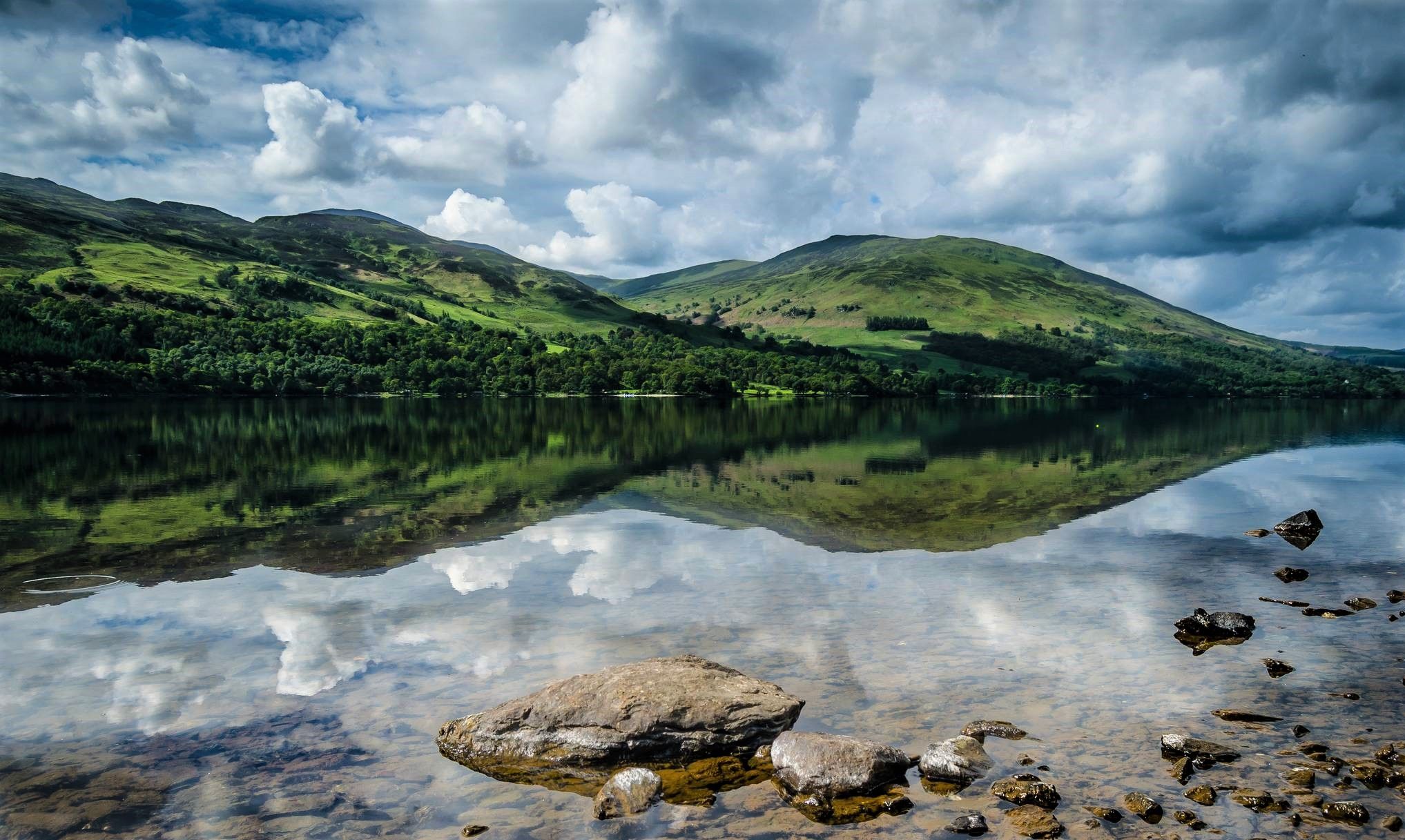
Rob Roy Way — An enchanting outlaw trail for Highland Rogues
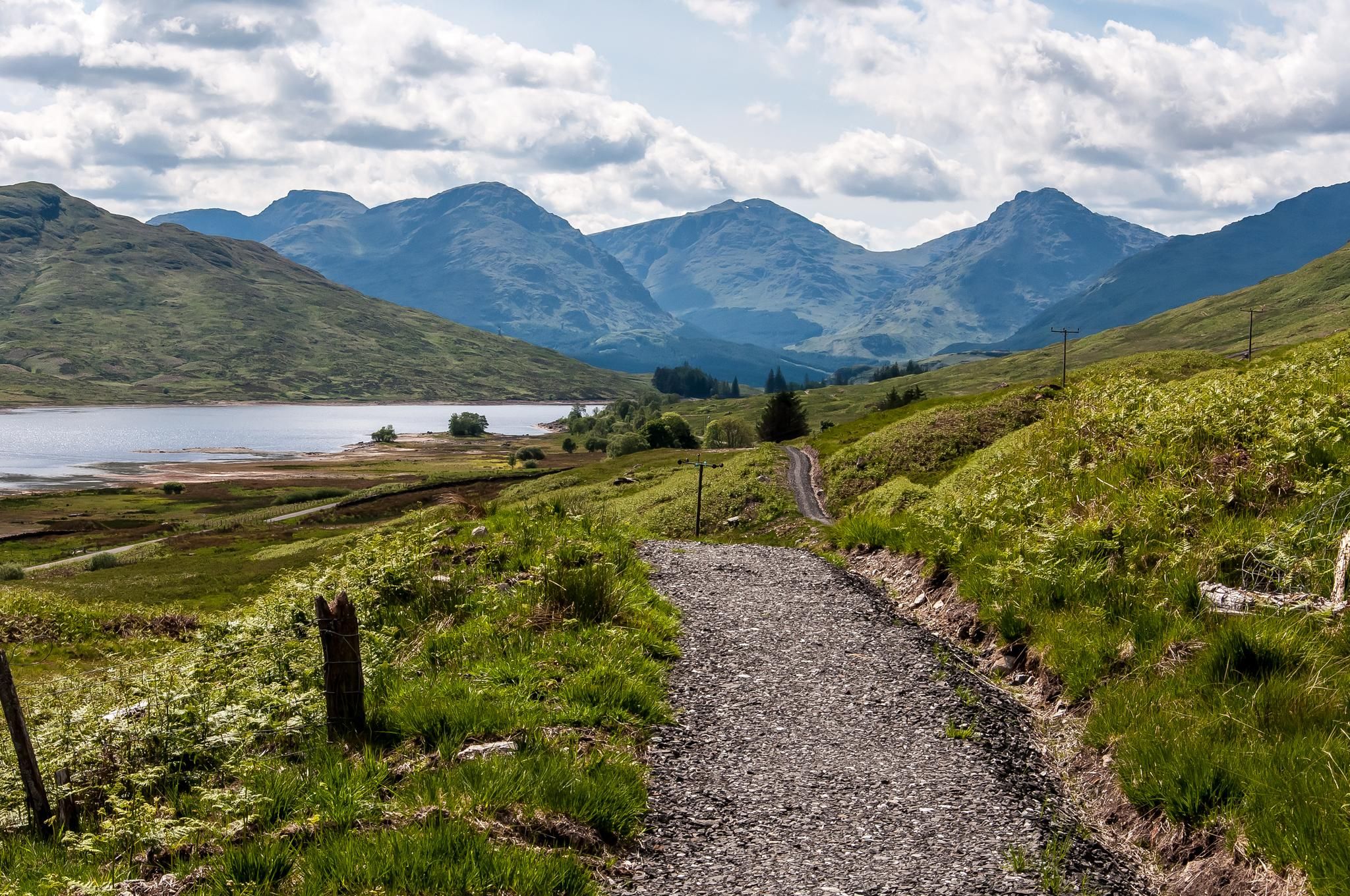
Hike one of Scotland's Great Trails – Great Trossachs Path
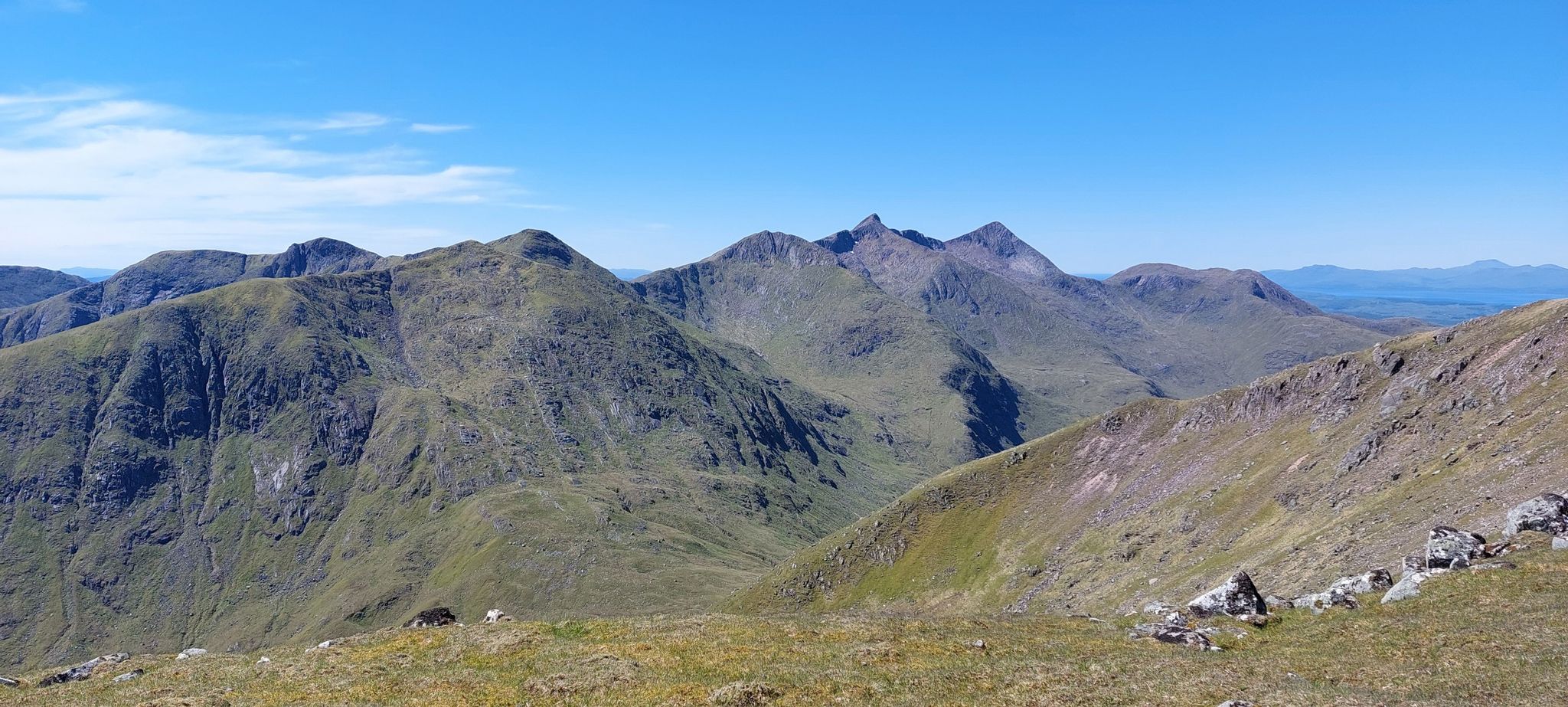
Glorious glens and magical Munros – hiking the Southern Highlands
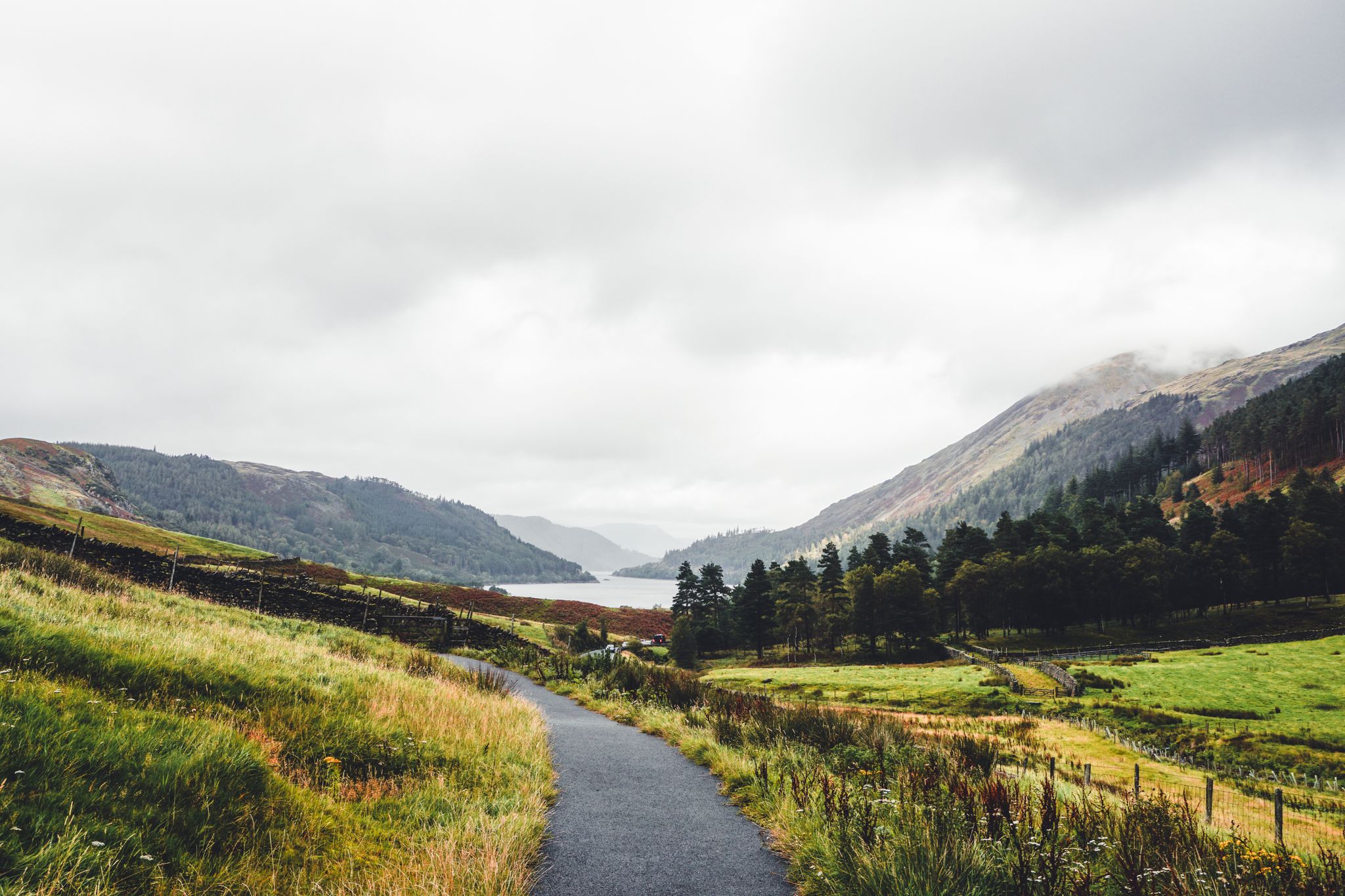
Gravel bike in the UK's wildest landscapes with Wild Cycles
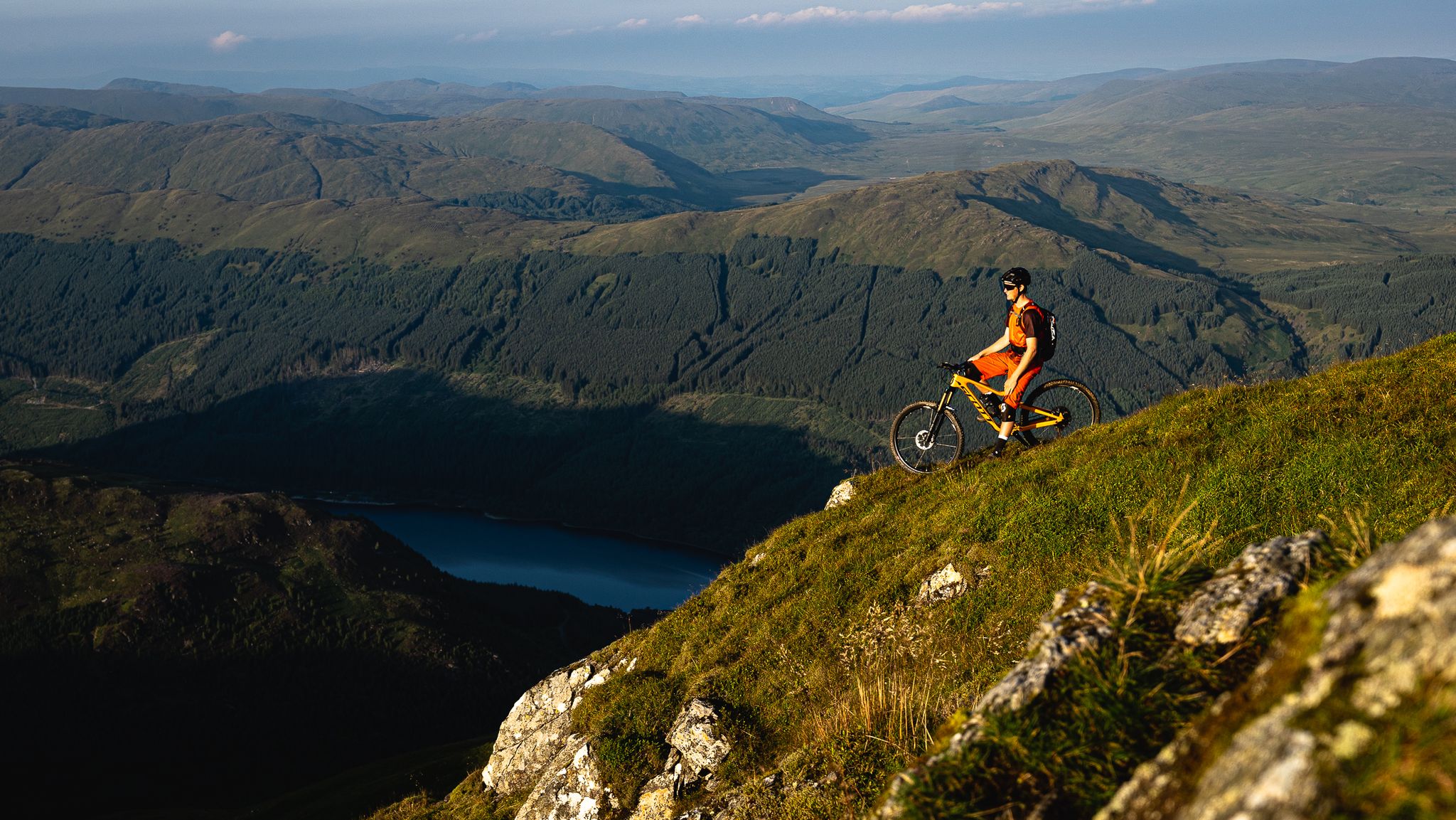
No trails like home — Stirling MTB Rides
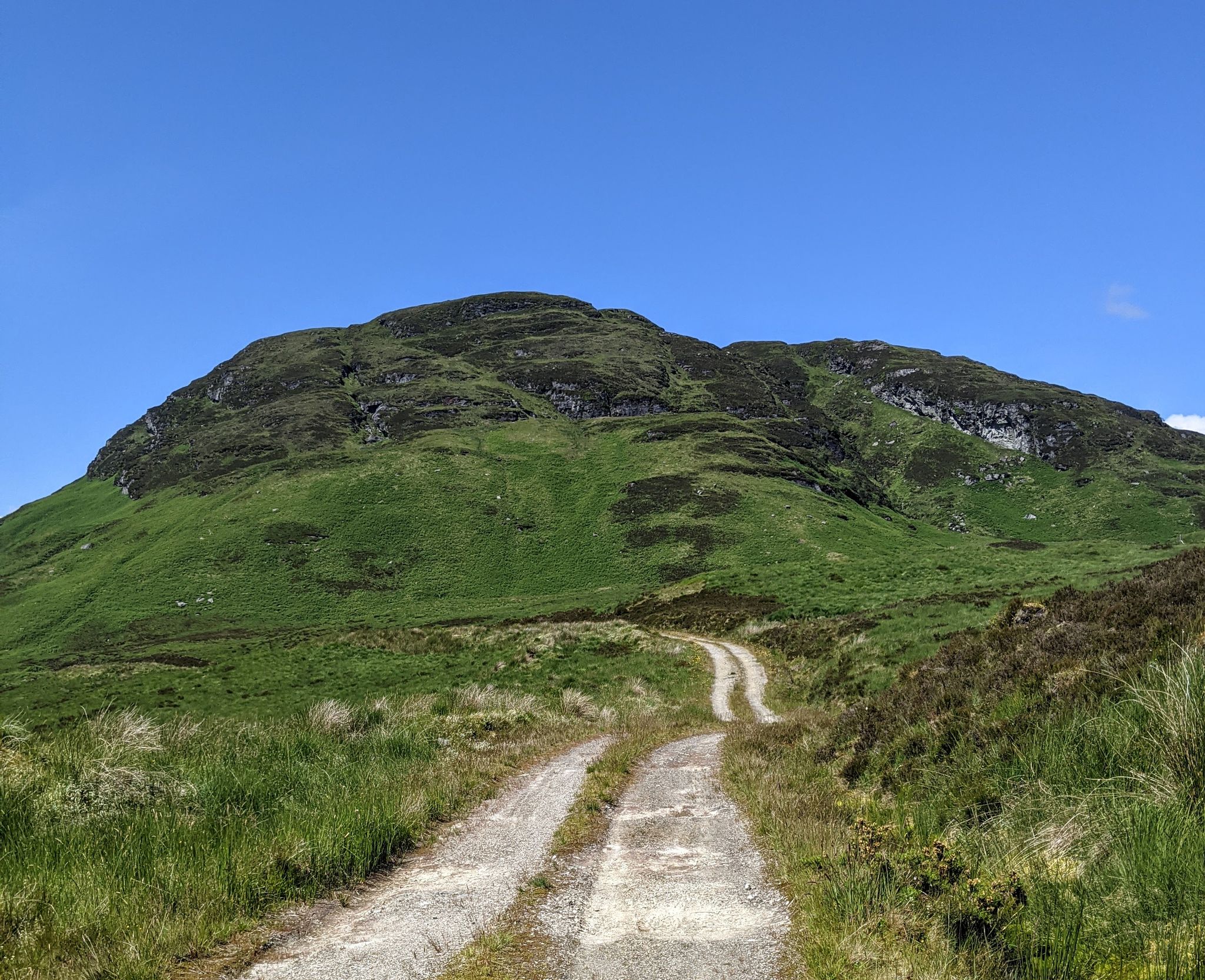
Spectacular mountain biking in Loch Lomond and the Trossachs
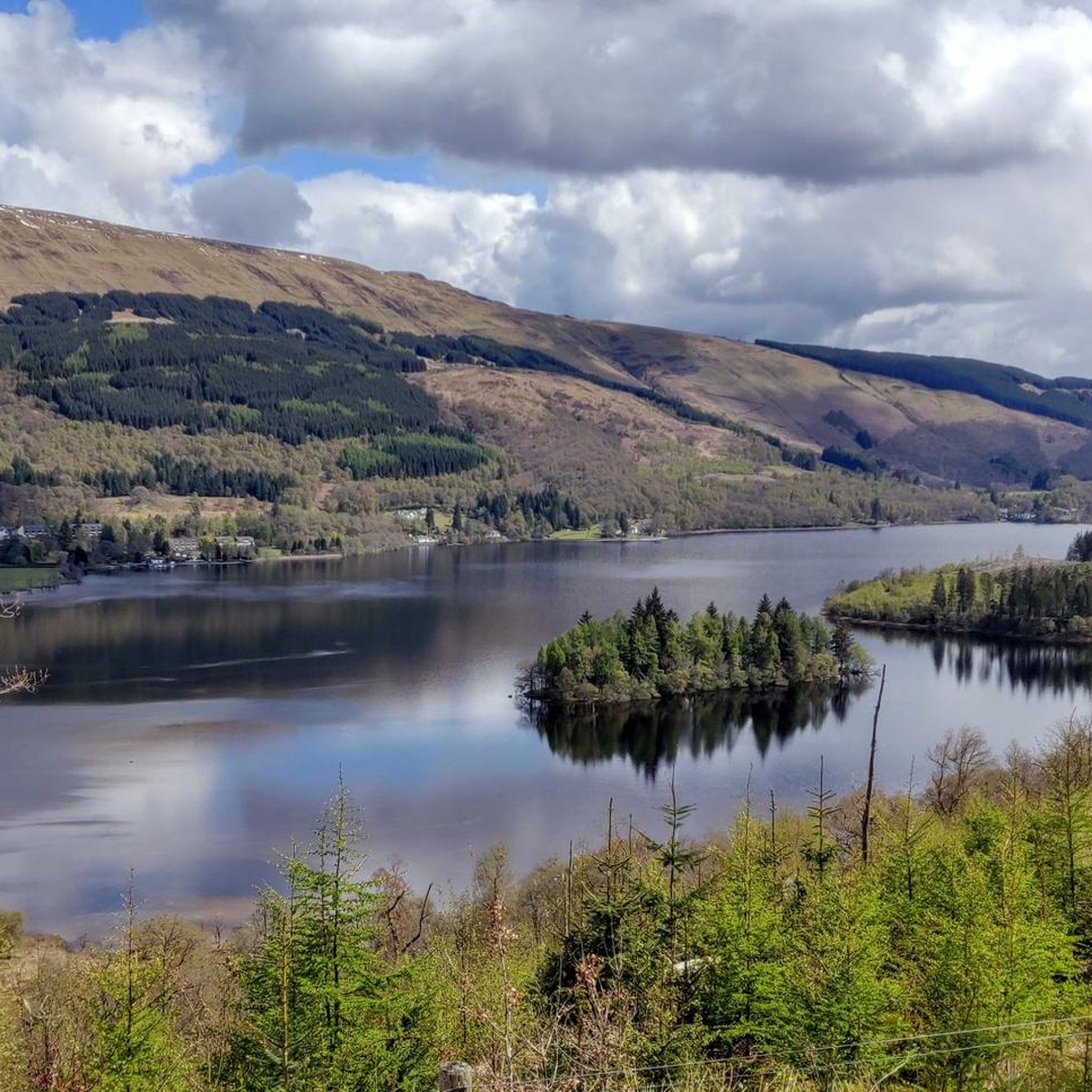
Cycling around Strathard
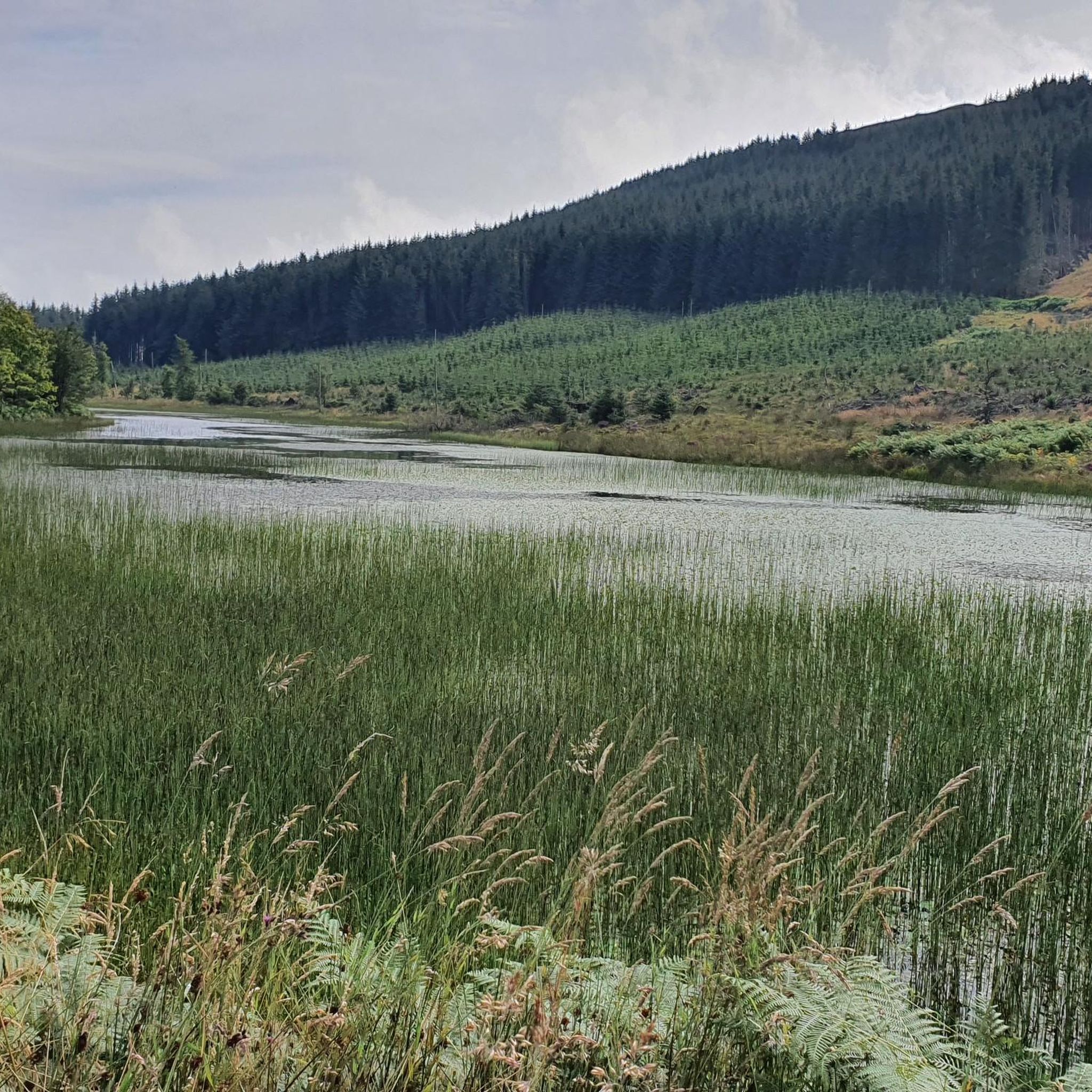
Hiking around Strathard
MTB Trails around Strathard

Gravel biking around Strathard
Other adventures around Strathard


Tips from the Community

The summit path to Conic Hill is one of the most beautiful sections of the West Highland Way. From Balmaha, the well-developed, partly steep path leads uphill through heathland and over stony steps. With every metre gained in altitude, the view of Loch Lomond becomes more impressive. Once at the top, a fantastic panorama awaits over the loch, its islands, and the surrounding Highlands. The short ascent is certainly challenging – but for this view, a few beads of sweat are gladly accepted.
2
0

There are stone steps for over 2km - so it's worth getting out your hiking poles...
2
0


The hike to Cobbler takes you through the picturesque landscape of the Arrochar Alps, offering breathtaking views along the way. The path, which rises from the shores of Loch Long, is well developed and takes walkers through a diverse natural backdrop that becomes increasingly spectacular with every meter of elevation. One of the highlights of the climb is the moment when the summit becomes fully visible for the first time, a sight that immediately makes you forget the hardships of the climb. The summit section of the Cobbler consists of three peaks, with the central peak marking the highest point. For the more adventurous, climbing the central peak offers an additional challenge: the so-called "window" climb, a narrow crevice that leads to a narrow ridge. Although this passage does not require climbing equipment, it should only be attempted in dry conditions and by hikers who are not afraid of heights. Despite its popularity as a hiking destination, the Cobbler is no easy feat. The Scottish weather can change quickly and the paths can become slippery when wet, particularly due to the mica schist that forms the rock of the mountain. Thorough preparation, appropriate equipment and carrying navigation aids are therefore essential.
1
0
At 974 meters high, it offers breathtaking views over Loch Lomond and the Scottish Highlands from its summit, which serves as a reward for the climb. The walk begins in Rowardennan, an idyllic spot on the east bank of Loch Lomond. From here there are two main routes to the summit: the more direct and popular route, suitable for beginners and experienced hikers alike, and the slightly more demanding Ptarmigan Ridge, recommended for those seeking a greater challenge. Both trails offer unique perspectives of the mountain and its surroundings, and the ability to combine both for a circular hike makes the experience even more worthwhile. Despite its popularity - over 30,000 people attempt the climb each year - Ben Lomond retains a wild beauty so treasured by the Scottish mountains. The views from the summit are scenically breathtaking, with a panorama taking in the loch islands and the vast Highlands. On a clear day the view can sweep far over the surrounding countryside, and the contrast between the calm waters of the loch and the rugged peaks of the Highlands is a sight unlike any other. While the walk is popular, it is important to note the local regulations of Loch Lomond and The Trossachs National Park and prepare accordingly. Good footwear, sufficient water and provisions as well as protective clothing against changeable weather are essential. Respect for nature and the responsibility to leave no trace help ensure that Ben Lomond remains an unforgettable hiking destination for future generations.
5
0
Conic Hill, a picturesque peak on Scotland's famous West Highland Way, offers walkers the first real challenge on their route north. Sitting as a sentinel over Loch Lomond, the 361 meter climb is a steep and strenuous stage, with gradients of up to 24%. However, anyone who makes the effort will be rewarded with magnificent views over Loch Lomond, and on a clear day the summit of Ben Lomond, Scotland's southernmost Munro, can even be seen. The beauty of the view of the lake and the Highlands is a motivating start to the rest of the West Highland Way. Despite the popularity and the associated overcrowding of the route, especially by day tourists from Balmaha, the climb up Conic Hill remains worthwhile. The views from the top of the southern end of Loch Lomond are breathtaking, and the vastness of the summit offers enough space for a relaxing picnic. While the climb may be steep and busy, alternative paths such as the routes suggested by Komoot offer quieter and more scenic paths. However, access can sometimes be restricted by locked gates, which can create challenges. The best time to climb is outside the peak season, June to September, to avoid the crowds and associated erosion of the slope. Still, even on a busy Saturday morning, the climb is worth the effort, especially for the rewarding view from the summit. Celebrate reaching the summit with a 360-degree spin and take in the truly breathtaking views. If you're lucky, the waters of Loch Lomond sparkle at your feet and the view to the north reveals the majestic Ben Lomond. As part of Scotland's Munro heritage - named after Sir Hugh Munro, who first cataloged them - this is a moment not easily forgotten.
4
0

Ben Lomond is a superb mountain offering excellent views across Loch Lomond and the rugged mountains beyond, as well as southwards towards the lowlands. The paths are substantial and well maintained, making for fast walking, but don't expect to be alone here - its justifiably very popular. The circuit up the Ptarmigan ridge and down the main path is recommended
5
0

Now (2023) very elaborately paved with natural stones. Not very conducive to weak knees after a long day of hiking. Looks great, it was definitely a lot of work, but natural ground is simply more pleasant.
2
0
Frequently Asked Questions
What are some prominent natural landmarks and viewpoints in Strathard?
Strathard offers several impressive natural landmarks and viewpoints. You can experience stunning vistas from View of Loch Lomond from Conic Hill, which provides panoramic views of Loch Lomond and the Highlands. For a more challenging ascent, Ben Lomond Summit, the most southerly Munro, offers spectacular views over the loch's islands. Other notable summits include The Cobbler (Ben Arthur), known for its distinctive outline and technical challenges, and Ben Ledi Summit, offering excellent views towards the Central Belt and Southern Highlands.
What kind of natural features can I expect to see in Strathard?
Strathard is characterized by dramatic waterfalls, significant natural reserves, and prominent summits. The region is particularly renowned for its numerous impressive waterfalls, such as Avon Dhu Falls, Falls of Bruach Coaruinn, Black Linn of Blairvaich, Falls of Ledard, Stank Falls, and the Waterfall of the Little Fawn (Allt a'Mhangan). You'll also find diverse landscapes including woodlands, moorlands, and lochs.
Are there family-friendly natural monuments or walks in Strathard?
Yes, Strathard offers options for families. While some summits are challenging, many of the waterfall locations provide accessible walks. For example, the Waterfall of the Little Fawn (Allt a'Mhangan) is situated above Aberfoyle, close to the David Marshall Lodge on the Duke's Pass, which often has family-friendly facilities and trails. The RSPB Inversnaid Reserve also has trails suitable for walking and bird watching.
What outdoor activities can I do near the natural monuments in Strathard?
The area around Strathard's natural monuments is excellent for various outdoor activities. You can find numerous hiking trails, including easy to moderate options like the 'Loch Ard & Rob Roy’s Cave loop' or the 'Falls of Little Fawn – Duke's Pass loop'. For mountain biking, routes like the 'Aberfoyle and Loch Venachar loop' or 'Gravelfoyle: Lomond View and Aqueduct Loop' are popular. More challenging mountain hikes are also available, such as those around Ben A'an or Ben Arthur. You can explore more routes in the Hiking around Strathard, Mountain Hikes around Strathard, and MTB Trails around Strathard guides.
What is the best time to visit the natural monuments in Strathard?
The natural monuments in Strathard can be enjoyed throughout the year, but the best time often depends on your preferred activity. Spring (April-June) is excellent for bird watching at RSPB Inversnaid Reserve, when birds like the Wood Warbler are singing. Summer offers longer daylight hours for hiking. The sound of the waterfalls is particularly powerful after rainfall, which can happen at any time of year. For challenging climbs like Ben Lomond or The Cobbler, dry conditions are generally preferable.
Are there any natural reserves in Strathard worth visiting?
Yes, the RSPB Inversnaid Reserve, located on the eastern banks of Loch Lomond, is a prime example. It encompasses over 800 hectares of rare Atlantic oak woodland and moorland, providing a rich habitat for diverse wildlife. Visitors can spot birds like the Black Grouse, Pied Flycatcher, Red Start, and even Ospreys, Golden Eagles, and Peregrines. The reserve also features trails that pass historic 17th and 18th-century buildings.
What historical connections do some of Strathard's natural monuments have?
Many of Strathard's natural monuments are steeped in history. The Avon Dhu Falls are near the site of a former millpond. The Falls of Bruach Coaruinn are situated above a deserted historical settlement. The Black Linn of Blairvaich gained fame as a filming site for the 1953 movie 'Rob Roy, the Highland Rogue'. The Falls of Ledard captivated writer Walter Scott, who featured the site in his novels 'Waverley' and 'Rob Roy'. Additionally, the RSPB Inversnaid Reserve's trails lead past historic buildings reminiscent of Rob Roy Macgregor's time.
What do visitors enjoy most about the natural monuments in Strathard?
Visitors frequently praise the stunning views, especially from summits like Conic Hill and Ben Lomond. The challenging yet rewarding climbs, such as those to The Cobbler, are also highly appreciated for their unique rock formations and sense of achievement. The diverse ecosystems and the powerful beauty of the waterfalls also leave a lasting impression on visitors.
Are there any specific waterfalls known for their botanical interest?
Yes, the Waterfall of the Little Fawn (Allt a'Mhangan), located above Aberfoyle, is particularly noted by botanists. Its abrupt gorge is well-known for its rich flora, making it a valuable site for nature enthusiasts interested in plant life.
Can I find information about the waterfalls in the Trossachs, including those in Strathard?
For more detailed historical and geographical context on the waterfalls in the Trossachs region, which includes many of Strathard's falls, you can refer to resources like Strathard Heritage.
What are the typical terrain and difficulty levels for trails around Strathard's natural monuments?
The terrain around Strathard's natural monuments varies significantly. You'll find well-maintained paths for easier walks, especially near popular waterfalls and visitor centers. However, many routes to summits like Ben Lomond or The Cobbler involve steep ascents, rocky sections, and can be challenging, sometimes requiring scrambling. Trails through woodlands and moorlands can be uneven. Always check specific route descriptions for elevation and difficulty before heading out.
Are there dog-friendly natural monuments or trails in Strathard?
Many of the natural monuments and trails in Strathard are dog-friendly, especially for walks in the lower areas and forests. However, it's always advisable to keep dogs on a lead, particularly in nature reserves like RSPB Inversnaid, to protect wildlife, and near livestock. For more challenging mountain ascents, consider your dog's fitness and safety on rocky or steep terrain.
Most popular routes around Strathard
Most popular attractions around Strathard

Get inspired with the komoot mobile app


Explore more
Extend your search for the best caves by checking out these guides of the top ones around Strathard:
