Attractions and Places To See around Gulberwick, Quarff And Cunningsburgh - Top 20
Best attractions and places to see around Gulberwick, Quarff And Cunningsburgh offer a blend of historical sites, natural landscapes, and cultural heritage. The region features distinctive glacial valleys, scenic beaches, and significant archaeological discoveries, including evidence of Stone Age and Viking occupation. Visitors can explore ancient forts, historic churches, and coastal areas that reveal geological formations. This area provides opportunities to experience the natural environment and historical depth of the Shetland Islands.
Best attractions and places to see around Gulberwick, Quarff And Cunningsburgh
- The most popular attractions is Lerwick Town Centre and Broch of Clickimin, a settlement that serves as the largest city and administrative center of the Scottish Shetland Islands. It features a pedestrian street, historic buildings, and the nearby Broch of Clickimin.
- Another must-see spot is Clickimin Broch, a historical site. This ancient broch tower, built between 400 and 100 BC, offers insights into prehistoric life and defensive structures, with ruins that developed over nearly 1,000 years.
- Visitors also love Fort Charlotte, a historical site. This fortress, completed in 1781, provides views over the harbor and is freely accessible, showcasing military architecture from the 17th and 18th centuries.
- Gulberwick, Quarff And Cunningsburgh is known for its historical sites, natural features like beaches and glacial valleys, and archaeological discoveries. The area offers a variety of attractions to see and explore, from ancient forts to community hubs and coastal walks.
- The attractions around Gulberwick, Quarff And Cunningsburgh are appreciated by the komoot community. More than 100 upvotes and over 270 photos have been contributed by visitors exploring these locations.
Last updated: May 6, 2026
Lerwick Town Centre and Broch of Clickimin
Highlight • Settlement
Translated by Google •
Tip by

Fort Charlotte
Highlight • Historical Site
Translated by Google •
Tip by

Sign up now to discover places like this
Get recommendations on the best single tracks, peaks, & plenty of other exciting outdoor places.
Sign up for free
Clickimin Broch
Highlight • Historical Site
Translated by Google •
Tip by
Lerwick Town Hall
Highlight • Historical Site
See picture for opening times.
Translated by Google •
Tip by

St Ninian's Chapel Ruins
Highlight • Religious Site
Translated by Google •
Tip by
Sign up for free to discover even more attractions around Gulberwick, Quarff And Cunningsburgh.
Sign up for free
Already have an account?
Start today with a free account
Your next adventure awaits.
Login or Signup
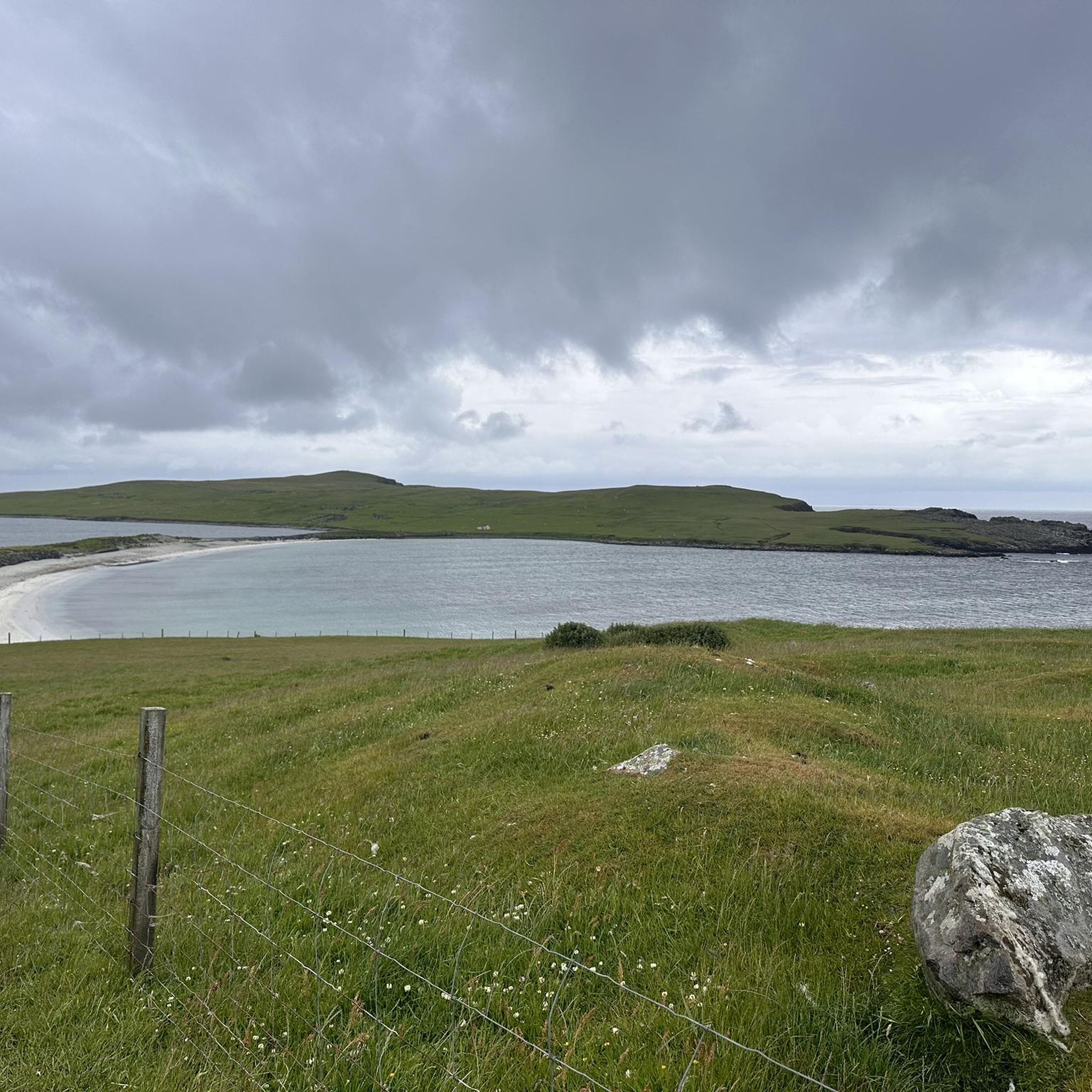
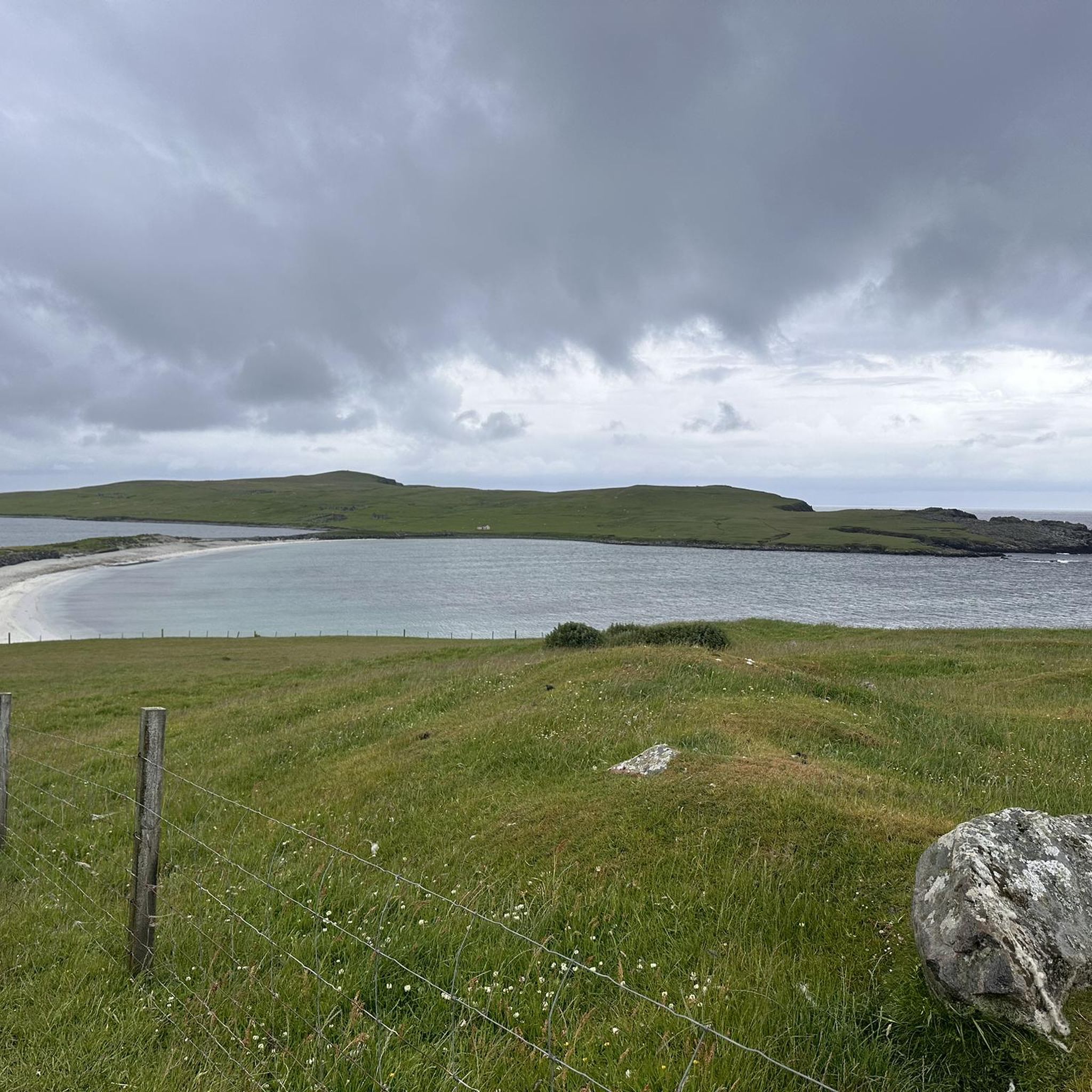
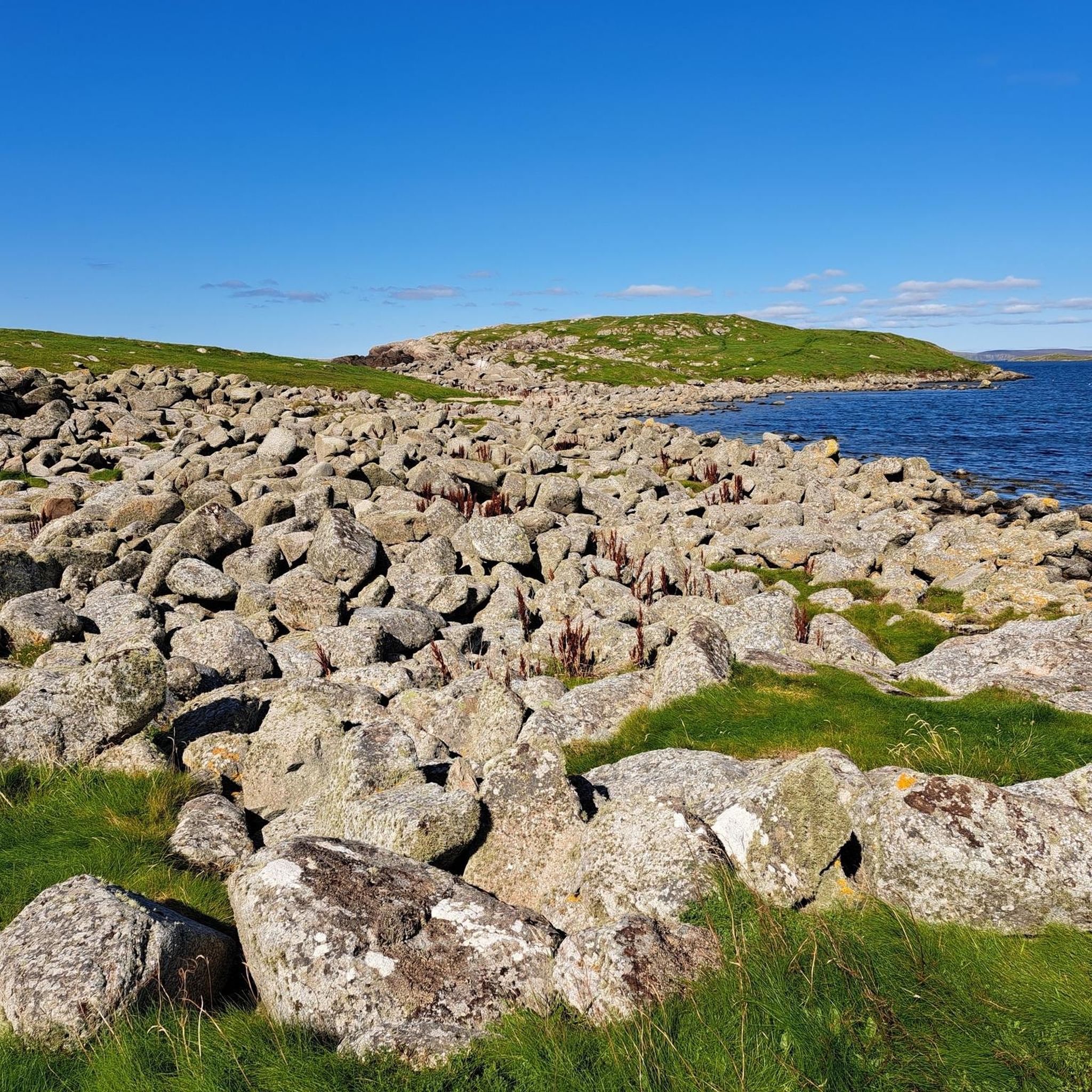
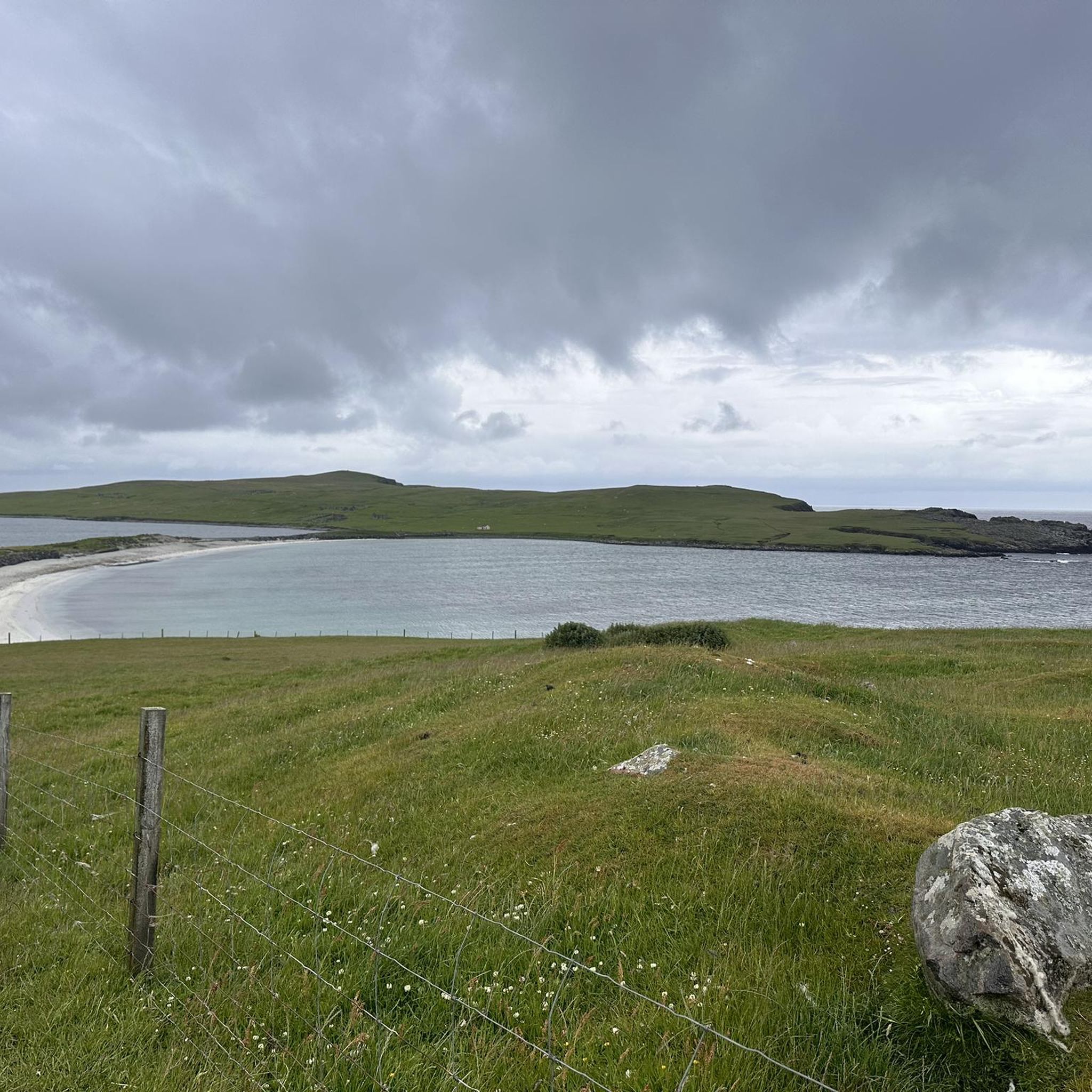
Tips from the Community

This is definitely worth a photo
1
0

The surviving broch of Clickimin is, along with the broch of Mousa, the best-preserved in Shetland and one of the best-preserved in the world. It has been designated a Scheduled Monument since 1882 and is thus protected as a historical monument. During the Norse Bronze Age, around 700 BC, the first oval stone structure, similar to the Orcadian structures of Skara Brae, was built on the small island, which was grassy and surrounded by marsh and accessible via an artificial causeway. Its remains lie against the northwest wall of the broch.
3
0
Frequently Asked Questions
What historical sites can I explore in Gulberwick, Quarff, and Cunningsburgh?
The region is rich in history. In Gulberwick, you can visit Lerwick Town Centre and Broch of Clickimin, which includes the ancient Clickimin Broch, a prehistoric fort. Gulberwick also features Hollander's Knowe, commemorating a 1500s trading point, and the remains of an Iron Age Dun on an island in Loch of Brindister. Quarff is home to the historic Quarff Church, designed by Thomas Telford, and evidence of Stone Age occupation. In Cunningsburgh, explore the Catpund prehistoric steatite quarry, where ancient inhabitants and Vikings carved soapstone, and the Cunningsburgh History Hut with local exhibits.
Are there any natural attractions or scenic viewpoints in the area?
Yes, the area offers diverse natural beauty. Gulberwick Beach is ideal for walks, and Loch of Brindister provides scenic views. Quarff is set within a distinctive glacial valley, with Easter Quarff near the east coast and Wester Quarff facing the Atlantic. Along the Quarff coast, you can observe a significant geological unconformity. Cunningsburgh boasts Cunningsburgh Beach, popular for various water sports and wildlife spotting, and Aiths Voe, a quiet inlet surrounded by flower meadows. Helli Ness offers fine walking country with views of Bressay and Noss.
What outdoor activities are available near these attractions?
The region is excellent for outdoor activities. You can find numerous hiking and cycling opportunities. For easy walks, consider routes like the Lerwick Coastal Walk and Clickimin Loch, or the Helli Ness, Greenmow trail. If you're interested in cycling, there are routes such as the Scalloway & Lerwick loop or the more challenging North Sea Cycle Route: Shetland Mainland Loop. You can find more details on these activities in the easy hikes guide, general hiking guide, and cycling guide for the area.
Are there family-friendly attractions around Gulberwick, Quarff, and Cunningsburgh?
Many attractions in the area are suitable for families. Lerwick Town Centre and Broch of Clickimin, Clickimin Broch, and Fort Charlotte are all listed as family-friendly. The Cunningsburgh History Hut offers engaging displays for all ages, and the various beaches like Gulberwick Beach and Cunningsburgh Beach provide opportunities for walks and play.
Where can I see Shetland Ponies in the area?
The Loch of Brindister, located just north of Quarff, is known as a good place to see Shetland Ponies, as they are bred at a nearby farm. This offers a chance to observe these iconic animals in their natural setting.
What is the significance of the Catpund quarry in Cunningsburgh?
Catpund is a historically significant prehistoric steatite (soapstone) quarry site. Ancient inhabitants and Vikings carved bowls and utensils from the soft rock here. You can still see the shapes left from these carvings by the Catpund Burn, offering a tangible connection to the region's past.
What cultural heritage can be found in the region?
The area is rich in cultural heritage. Gulberwick has yielded a Viking silver brooch and its church is part of the largest Church of Scotland congregation in Shetland. Quarff historically served as a crucial transport route and was a filming location for the BBC series "Shetland." Cunningsburgh is home to an ancient runestone (now in the National Museum of Scotland) and is part of the South Mainland Up Helly Aa fire festival, which notably had the first female Guizer Jarl.
Are there any unique geological features to explore?
Yes, Quarff is particularly notable for its geology. The area is spread along a distinctive glacial valley. Along the coast in Quarff, especially visible by taking the turning signposted to Casho from the A970, visitors can observe a significant geological unconformity where breccia sits on phyllite, representing a 260-million-year gap in the geological record. This area allows for walks along an ancient land surface.
What do visitors enjoy most about the attractions in this region?
Visitors appreciate the blend of history, natural beauty, and the accessibility of many sites. Highlights like Fort Charlotte offer beautiful views over the harbor and are freely accessible. The ancient Clickimin Broch provides insights into prehistoric life, with its ruins developing over nearly 1,000 years. The overall appeal lies in the opportunity to explore historical landmarks and enjoy the magnificent nature of the Shetland Islands.
Where can I find accommodation or a base for exploring the South Mainland?
The Cunningsburgh Touring Park offers excellent facilities and serves as a good base for exploring the South Mainland of Shetland. This provides a convenient option for visitors looking to stay in the area while discovering its attractions.
Are there any specific places for birdwatching or wildlife spotting?
Cunningsburgh Beach is a captivating coastal destination that offers opportunities for birdwatching and general wildlife spotting due to its rich natural environment. Additionally, Aiths Voe, a quiet inlet surrounded by flower meadows, provides a serene setting for observing local flora and fauna.
What is the best time to visit Gulberwick, Quarff, and Cunningsburgh for outdoor activities?
The Shetland Islands generally experience cool, windy weather, so the warmer months from late spring to early autumn (May to September) are typically best for outdoor activities. During this period, you'll find more daylight hours and milder temperatures, making hiking, cycling, and exploring coastal areas more comfortable. However, the region's unique charm, including its historical sites and community events, can be appreciated year-round.
Most popular routes around Gulberwick, Quarff And Cunningsburgh
Most popular attractions around Gulberwick, Quarff And Cunningsburgh

Get inspired with the komoot mobile app


Explore more
Still not found the Highlight you’re looking for? See guides of the top attractions in other regions:
