The 8 Most Amazing Peaks around Earlston
Best mountain peaks around Earlston are characterized by prominent hills rather than towering mountains. The area features elevated landscapes such as the Eildon Hills and Black Hill, which offer distinct characteristics and historical significance. These features provide diverse hiking terrain and viewpoints across the Scottish Borders landscape. The region's natural features include the eroded remnants of igneous sills forming the Eildon Hills, contributing to its unique geological profile.
Best mountain peaks around Earlston
- The most popular mountain peaks is Eildon…
Last updated: October 6, 2026
Eildon Hill North
Highlight • Summit
Tip by

St Cuthbert's Way at Eildon Mid Hill
Highlight • Summit
Tip by

Sign up now to discover places like this
Get recommendations on the best single tracks, peaks, & plenty of other exciting outdoor places.
Black Hill Summit Trig Point
Highlight • Summit
Tip by

New Cairn
Highlight • Viewpoint
Tip by

Chester Hill Cairn
Highlight • Summit
Tip by
Sign up for free to discover even more peaks around Earlston.
Already have an account?
Start today with a free account
Your next adventure awaits.

Tips from the Community

At just under 980 feet (300 metres), this cairn provides great views over Galashiels and Balmoral. Lower than some of the more famous hiking spots, it makes for a great hike that can be completed in a couple of hours. The Galashiels/Tweedbank area is a haven for hiking in Scotland, with multiple great peaks in one area. Galashiels is easily accessible by train so it's a fantastic place to start a hike up the New Cairn.
0
0

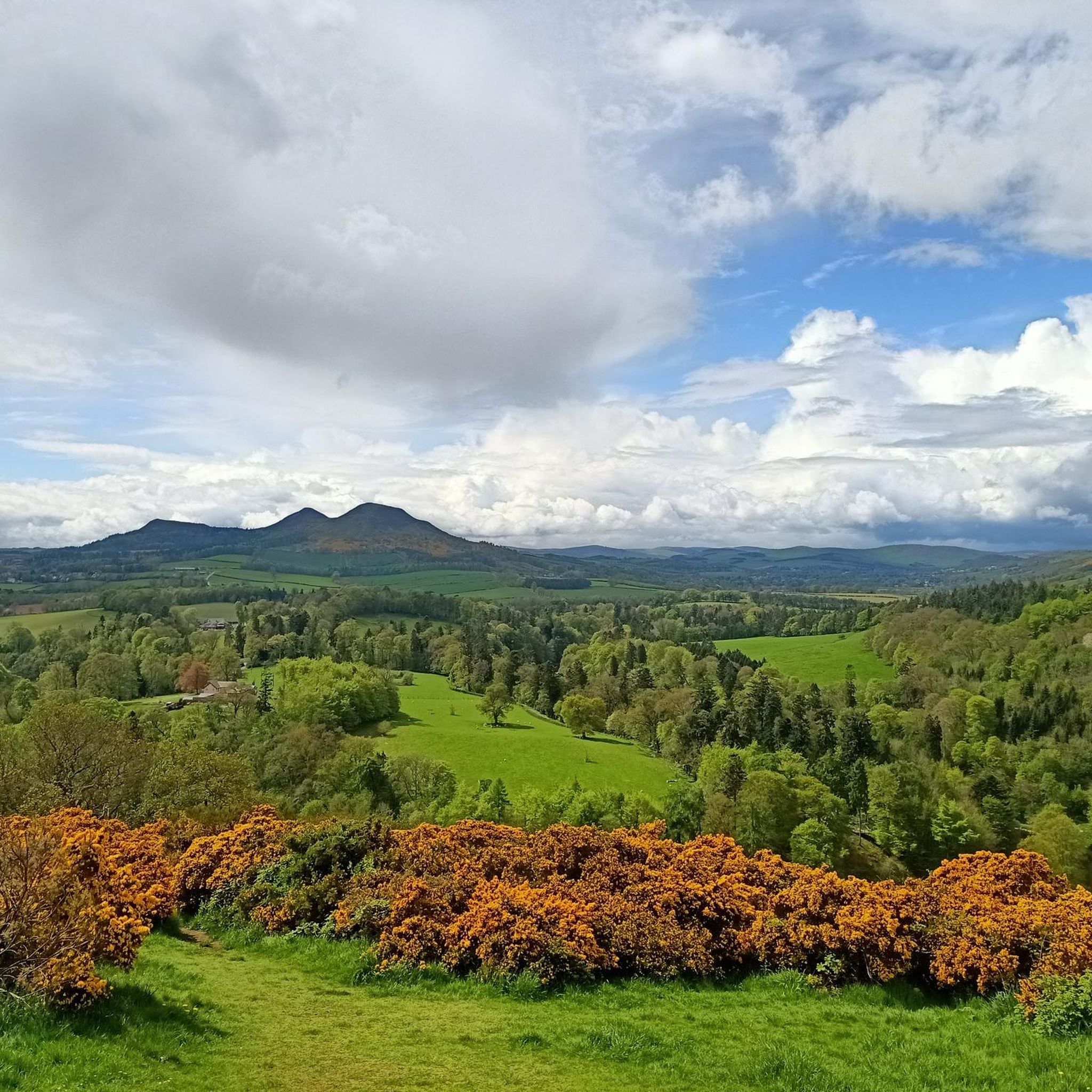
Eildon Hill North is an historic, photogenic and widely visible landmark in the Scottish Borders. At 1325 feet (404 m) this peak is the second highest of the three Eildon (pronounced ‘Eeldon’) Hills located just south of Melrose. The significance of Eildon Hill North was recognised by Bronze Age and Iron Age peoples and by the Romans. This peak was the site of the largest Iron Age hill fort in Scotland. Up to 2000 people are thought to have lived here at the same time. Today the pockmarks from hundreds of roundhouse platforms and nearly 1-mile of defences are still visible. When the Romans came in about 80 AD they built their mighty garrison fort called ‘Trimontium’ (named after the three Eildon peaks) immediately below Eildon Hill North and also placed a signal station on this summit. Trimontium was the largest Roman settlement north of Hadrian’s Wall. The short but steep climb up Eildon Hill North is well worth the effort! On a clear day you will be rewarded with stunning views. The popular St Cuthbert’s Way that runs from Melrose Abbey to Holy Island in Northumberland climbs over the col in the Eildon Hills and provides a pleasant way up Eildon Hill North.
2
0

Chester Hill, just outside the town of Lauder, is on the Souther Upland Way long-distance trail. There is a cairn on top (cairns are always good to rest your backpack against), and the spot offer wonderful views over Lauderdale.
1
0
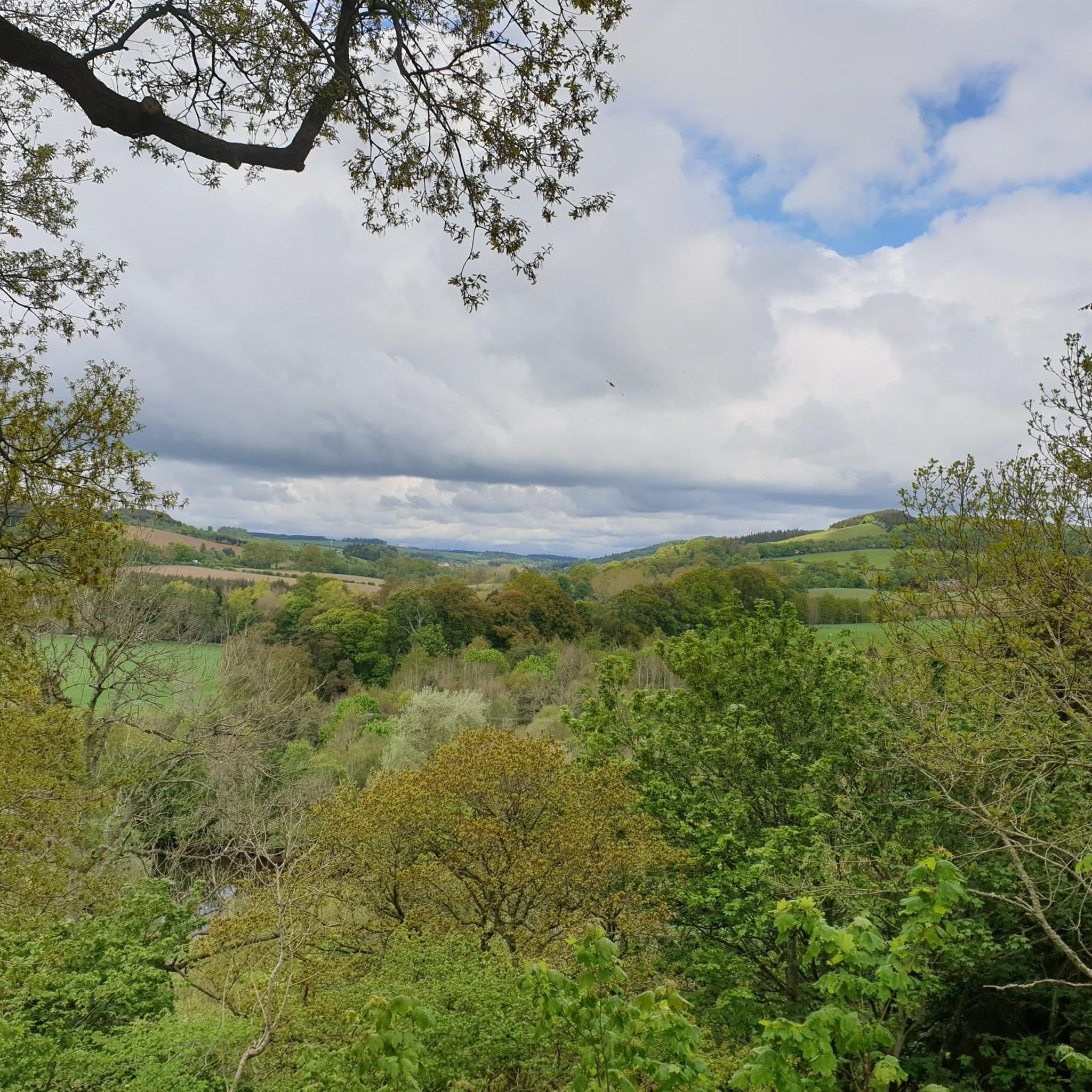
It is worth stopping at this cairn to admire the views in all directions - back to the north toward Galashiels and then to the south to Yair Hill Forest. Beautiful!
1
0

The north summit of the Eildon Hills stands at 404m. It was the largest Iron Age hill fort in Scotland with spaces flattened for at least 300 dwellings and a set of walls and ramparts around the whole summit. Later the Romans built a signalling station here. Today it's a great running loop from Melrose taking in the three summits in a nice loop.
0
0
Great views of the surrounding area and the other Eildon HIlls. A steep mid section adds an element of toughness but the majority of the climb is pretty easy going.
0
0

At 314m, this Marilyn is the highest hill around, other than the Eildon hills. This hill can be tackled by parking on the minor road from Cowdenknowes and walking up the farm track to the hillside. The fastest approach from there is directly up the side of the hill.
1
0

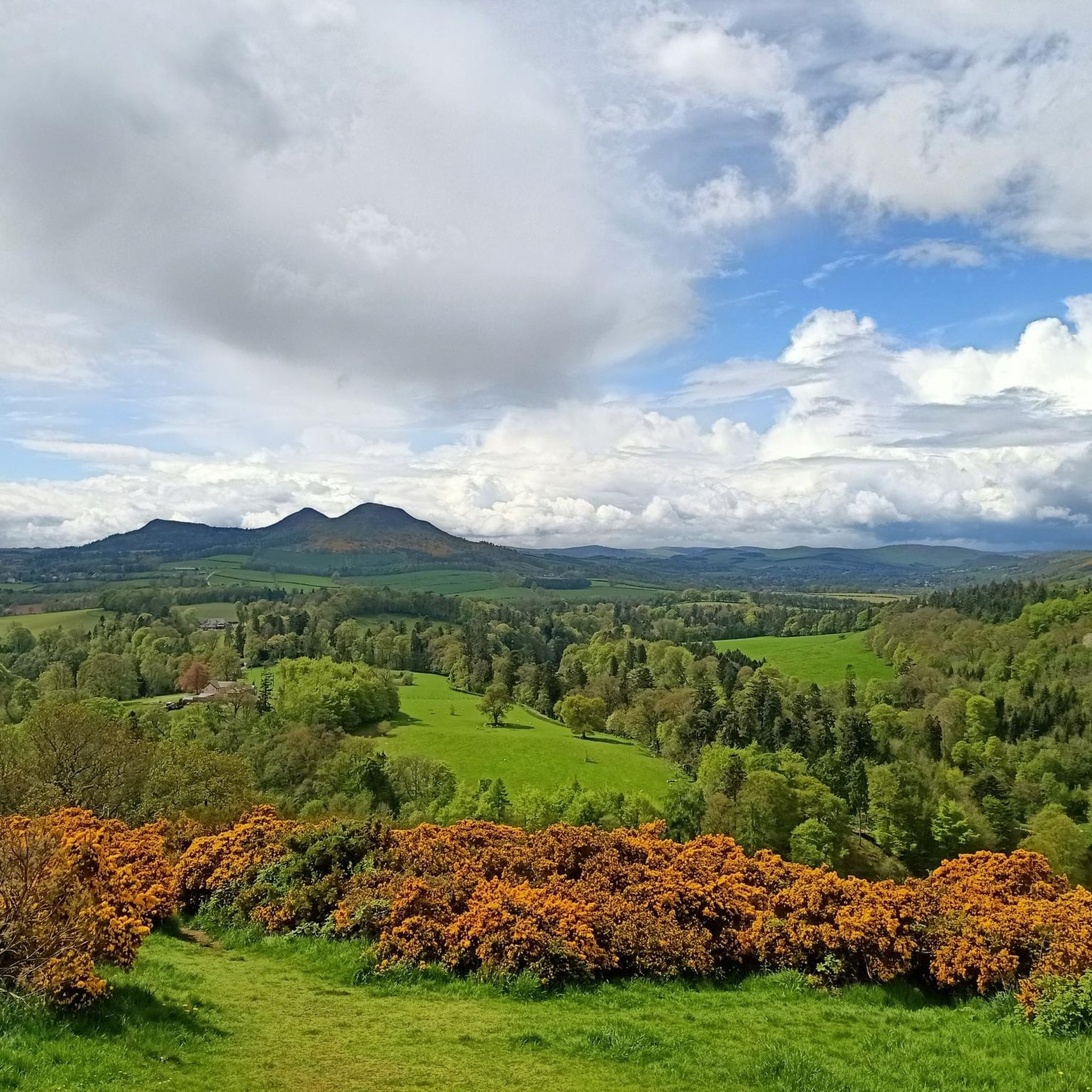
The three shapely summits of the Eildon Hills are an iconic part of the Scottish Borders landscape and afford breathtaking views. Excavations have found evidence that the hill fort was occupied in the Bronze Age.
4
0
Frequently Asked Questions
What are the most prominent mountain peaks and hills around Earlston?
The Earlston area is known for its picturesque rolling hills rather than towering mountains. The most prominent are the iconic Eildon Hills, which include three distinctive summits: Eildon Hill North, Eildon Mid Hill Summit, and Eildon Wester Hill. Another significant hill is Black Hill Summit Trig Point, located southeast of Earlston.
What historical significance do the peaks around Earlston hold?
Many peaks in the area have rich historical connections. Eildon Hill North was once the site of Scotland's largest Iron Age hillfort, with evidence of occupation dating back to the Bronze Age. The Romans also recognized its importance, building their garrison fort 'Trimontium' nearby and placing a signal station on the summit. Black Hill Summit Trig Point also features an Iron Age fort at its top.
Which peaks offer the best panoramic views of the Scottish Borders?
For breathtaking vistas, Eildon Mid Hill Summit, the highest of the Eildon Hills, provides sumptuous views of the surrounding countryside. Eildon Hill North also offers stunning views, especially on a clear day. Black Hill Summit Trig Point is a 'hidden gem' known for its sweeping panoramic views of the Southern Uplands and the Eildon Hills.
What is the typical difficulty and terrain like for hiking these hills?
The Eildon Hills generally involve a short but steep climb, particularly on Eildon Hill North, which has a steep mid-section. However, much of the climb is considered pretty easy going. Black Hill Summit Trig Point is described as moderately difficult, with a slow incline to the summit, especially when approached from the east side.
Are there family-friendly hiking options among the peaks near Earlston?
While specific 'family-friendly' categories aren't assigned, the Eildon Hills and Black Hill are popular with thousands of walkers annually, suggesting routes suitable for various fitness levels. The smaller Eildon Wester Hill offers a rewarding trek with views back towards the other Eildon peaks, which might be a good option for families. Always consider the fitness level of your group and choose routes accordingly.
What is the best time of year to hike the peaks around Earlston?
Late summer is a particularly glorious time to explore the Eildon Hills, especially when the heather is at its most vibrant. Generally, spring through autumn offers pleasant conditions for hiking in the Scottish Borders, with longer daylight hours and milder weather. Winter hiking is possible but requires appropriate gear and awareness of potentially challenging conditions.
What natural features can I expect to see on these hills?
The Eildon Hills are formed from the eroded remnants of ancient igneous sills, showcasing a unique geological profile. You'll find diverse flora, and in late summer, the heather blooms vibrantly across the hills. The area offers rich natural beauty with expansive views of the Scottish Borders countryside.
Are there any popular hiking trails that include these peaks?
Yes, the popular St Cuthbert’s Way, which runs from Melrose Abbey to Holy Island, climbs over the col in the Eildon Hills, providing a pleasant way up Eildon Hill North. For Black Hill Summit Trig Point, the 'Leader Water and Black Hill loop from Earlston' is a popular 7.1-mile (11.5 km) trail that takes approximately 3 hours and 15 minutes to complete.
What other outdoor activities can I do near the peaks around Earlston?
Beyond hiking, the region offers excellent opportunities for cycling. You can find various routes for touring bicycles, mountain biking, and road cycling. For more details on routes, explore the Cycling around Earlston, MTB Trails around Earlston, and Road Cycling Routes around Earlston guides.
Is there parking available for accessing these hiking areas?
While specific parking information for every trailhead isn't detailed, for Black Hill Summit Trig Point, you can typically park on the minor road from Cowdenknowes and walk up a farm track to the hillside. For the Eildon Hills, Melrose is a common starting point, where parking facilities are available in the town.
What do visitors enjoy most about the peaks around Earlston?
Visitors consistently praise the 'sumptuous' and 'breathtaking' views from the summits, particularly from Eildon Mid Hill Summit and Eildon Hill North. The historical significance of sites like the Iron Age hillforts also adds a unique dimension to the hiking experience. The natural beauty, especially the heather in bloom, is also a highlight for many.
Are dogs allowed on the trails around Earlston's peaks?
Generally, dogs are welcome on public footpaths and hills in the Scottish Borders. However, it's crucial to keep dogs under close control, especially when near livestock, and to follow the Scottish Outdoor Access Code. Always clean up after your dog to preserve the natural environment for everyone.
Most popular routes around Earlston
Most popular attractions around Earlston

Get inspired with the komoot mobile app


Explore more
See even more amazing summits around Earlston with these guides:
