Attractions and Places To See around Crailing, Eckford And Nisbet - Top 20
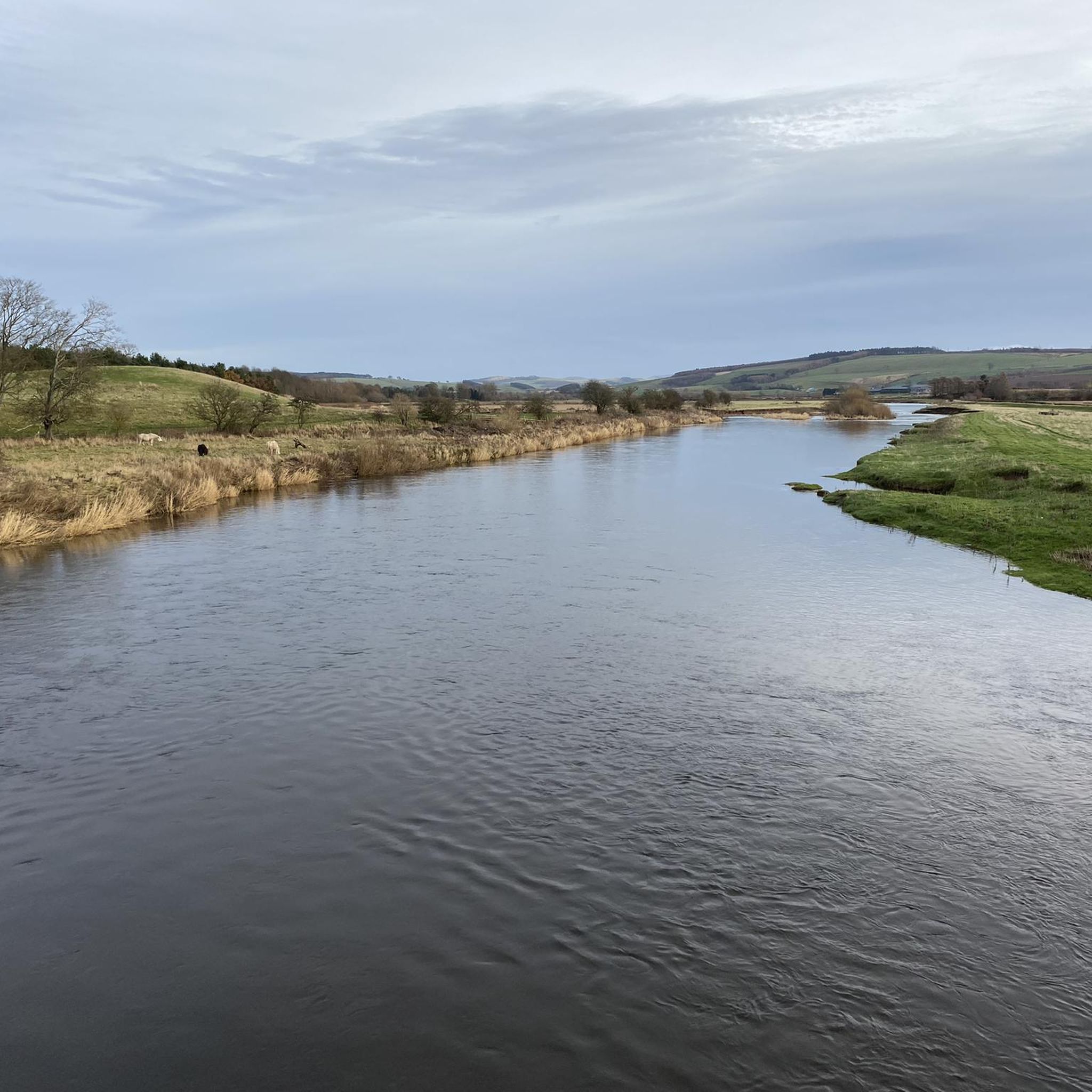
Best attractions and places to see around Crailing, Eckford And Nisbet include a blend of historical landmarks, natural beauty, and cultural sites within the Teviotdale region of the Scottish Borders. The area features charming villages, historic buildings, and picturesque walking trails. Visitors can explore significant architectural sites and natural features like the River Teviot. This region offers diverse points of interest for those seeking historical and outdoor experiences.
Best attractions and places to see around Crailing, Eckford And Nisbet
- The most popular attractions is Dryburgh Suspension Bridge, a historical site that provides a picturesque and sturdy crossing over the river. It offers scenic views of the river and the surrounding landscape.
- Another must-see spot is Jedburgh Abbey, a historical site. This ruined Augustinian abbey from the 12th century features a mix of Romanesque and early Gothic architecture.
- Visitors also love Waterloo Monument on Peniel Heugh, a historical site constructed between 1817 and 1824 to commemorate the Battle of Waterloo. It offers panoramic views of the Scottish Borders.
- Crailing, Eckford And Nisbet is known for historical landmarks, natural features, and cultural sites. The area offers a variety of churches, mansions, and walking routes to explore.
- The attractions around Crailing, Eckford And Nisbet are appreciated by the komoot community, with 70 upvotes and 35 photos shared.
Last updated: August 27, 2026
Jedburgh Abbey
Highlight • Historical Site
Tip by

Temple of the Muses
Highlight • Historical Site
Tip by
Sign up now to discover places like this
Get recommendations on the best single tracks, peaks, & plenty of other exciting outdoor places.
Sign up for free
Waterloo Monument on Peniel Heugh
Highlight • Historical Site
[1] scotlandstartshere.com/point-of-interest/the-waterloo-monument/
Tip by

Floors Castle
Highlight • Monument
This is an unmissable place. It is open to tourists. Please see the Castle's website for more information and tickets: floorscastle.com
Tip by
Dryburgh Suspension Bridge
Highlight • Historical Site
Tip by
Sign up for free to discover even more attractions around Crailing, Eckford And Nisbet.
Sign up for free
Already have an account?
Start today with a free account
Your next adventure awaits.
Login or Signup
Tips from the Community

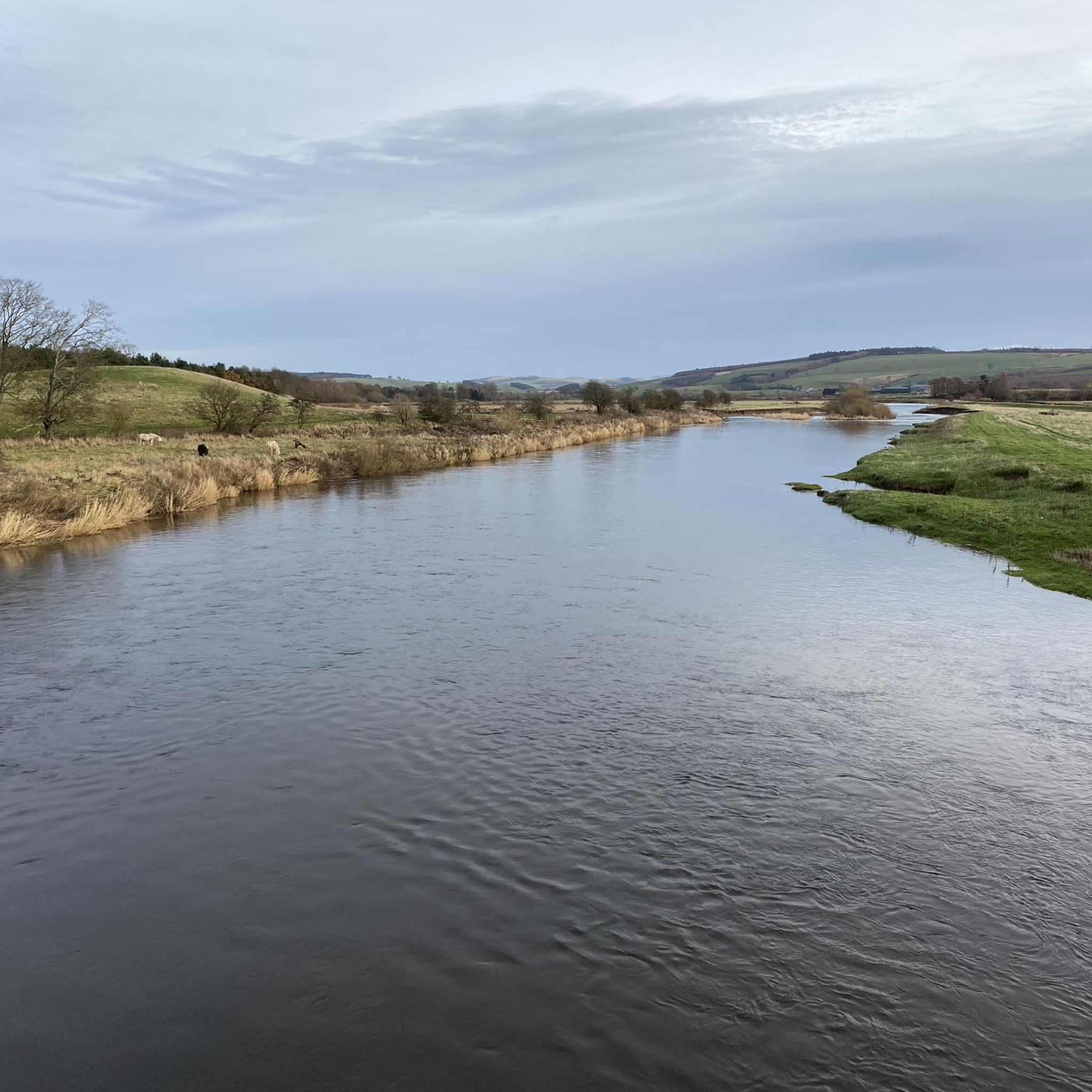
this exists irl and it did not collapse when we cycled over it. it made an interesting and exciting noise as we rode across
0
0

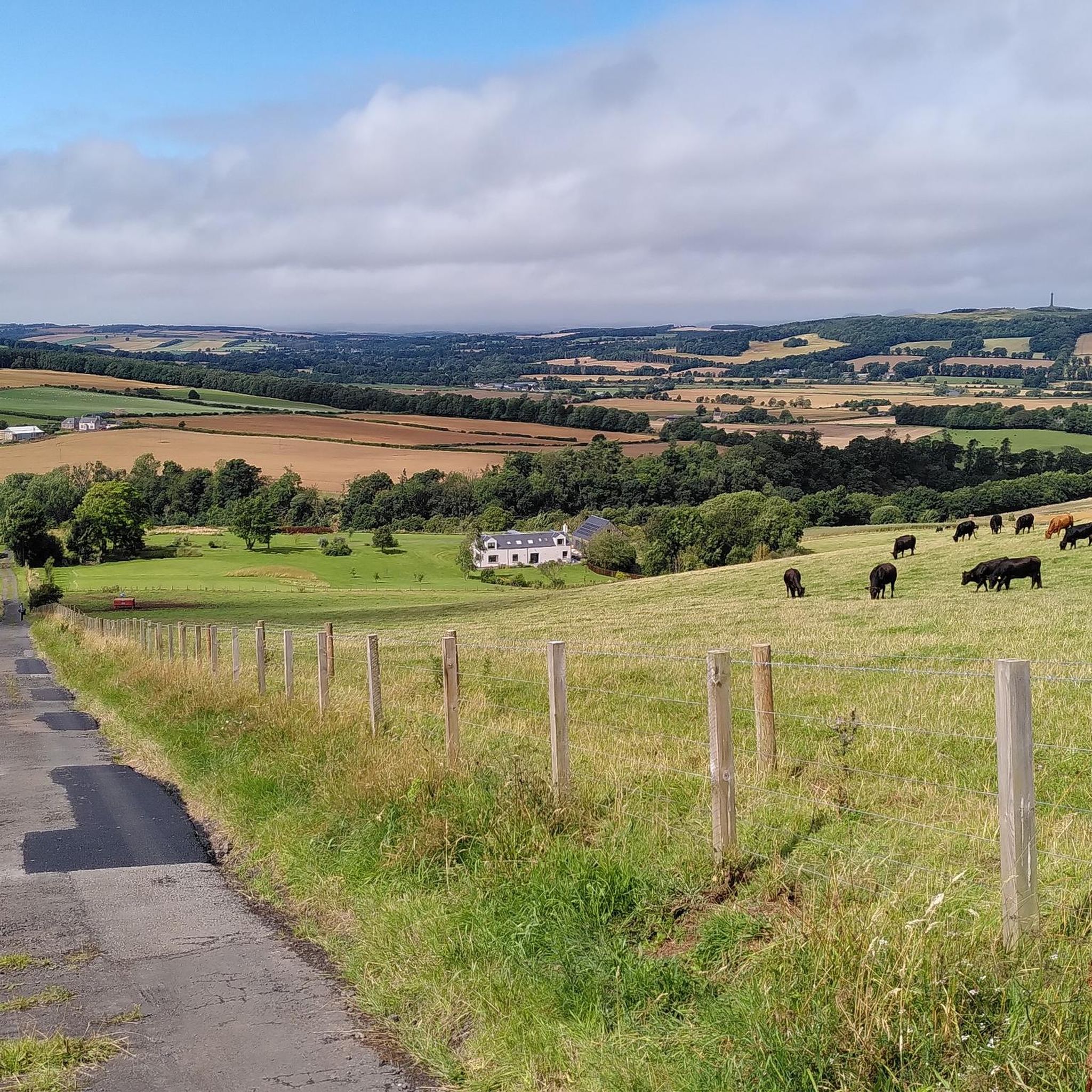
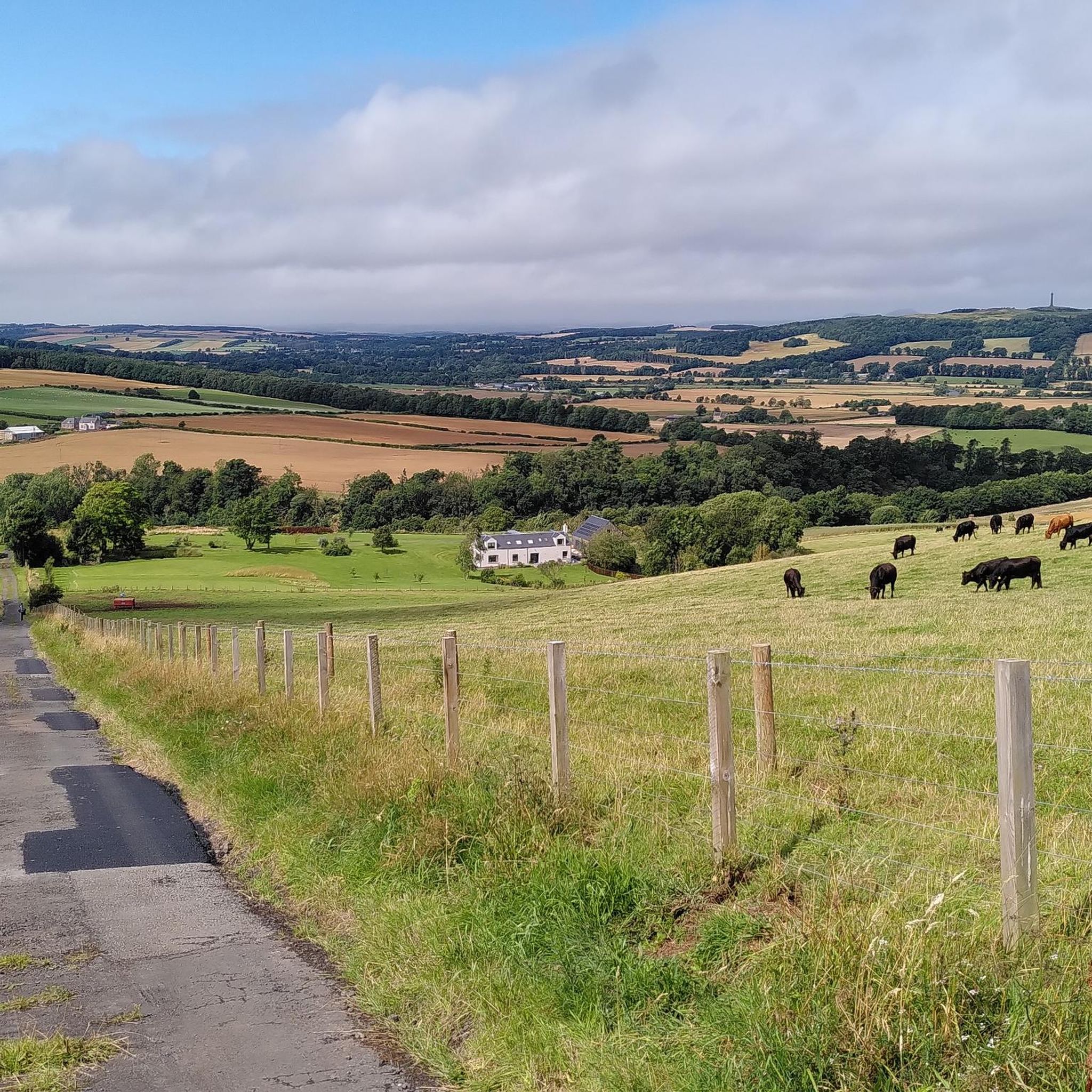
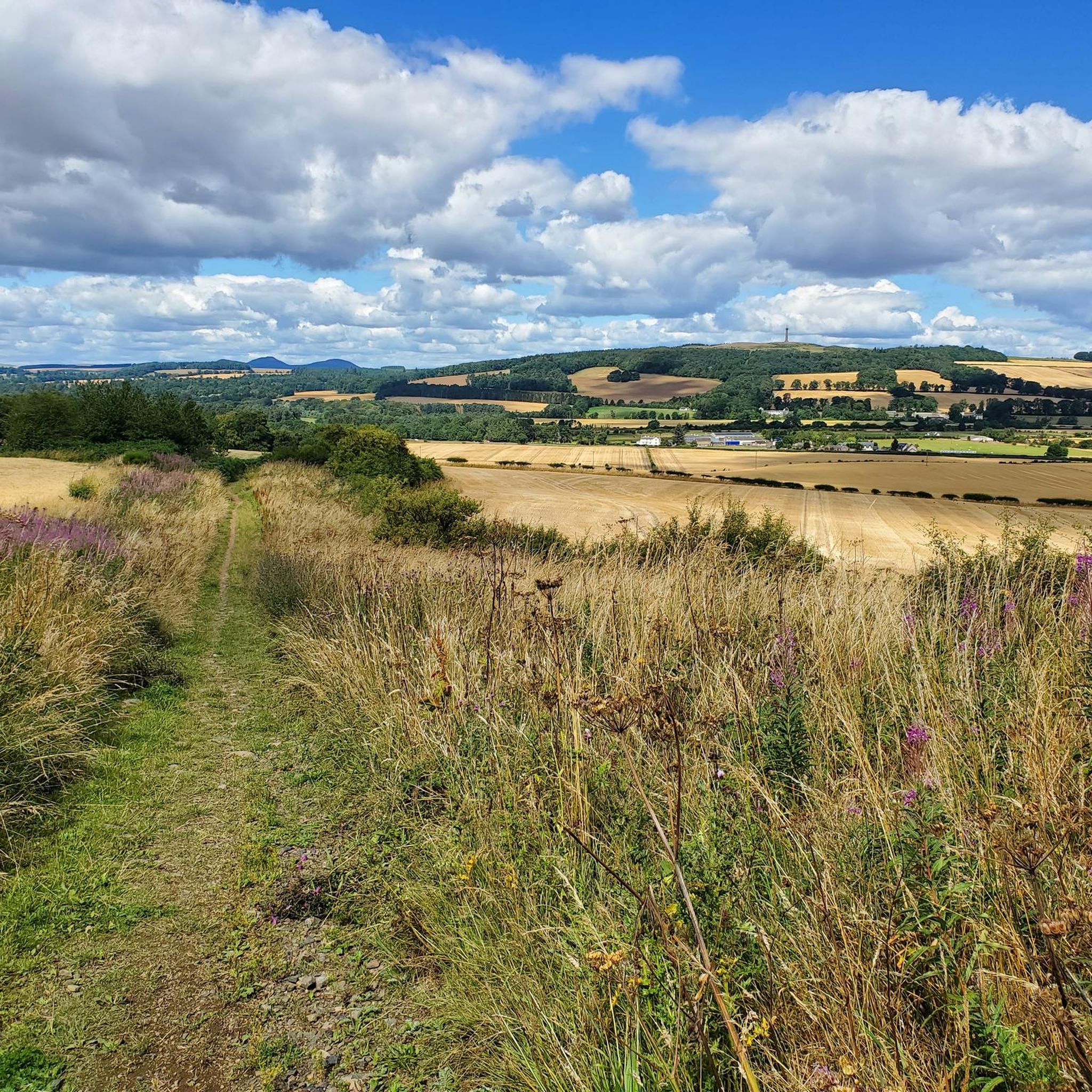
For a unique experience at the Waterloo Monument atop Peniel Heugh, consider visiting during the late afternoon. The setting sun casts a warm glow over the Scottish Borders, enhancing the panoramic views from the summit. To access the monument's interior and climb the spiral staircase to the viewing platform, you can borrow a key from the Lothian Estates Office in nearby Bonjedward for a small fee. Remember to check the office's opening hours in advance to ensure availability. [1] https://scotlandstartshere.com/point-of-interest/the-waterloo-monument//
0
0

From a distance, the roof of the building, which stands on a small hill, and the striking red columns shimmer through the trees. The architecture could indicate a small round temple or a pavilion. As you get closer, you can see people inside - no, there are statues placed there! "THE MUSE OF NATURE" is the title of the work of art.
0
0


If you are visiting the Dryburgh Abbey in the Scottish Borders, you might want to cross the Dryburgh Suspension Bridge* over the River Tweed. This footbridge was first built in 1817as the first chain bridge in Scotland, but it was blown down twice and replaced by a steel wire cable suspension bridge in 1911. The bridge has a span of about 260 feet and offers scenic views of the river and the surrounding landscape. The bridge was refurbished in the early 1990s and is open to the public.
1
0
If you are visiting the Scottish Borders, you might want to check out the Temple of the Muses, a charming rotunda that overlooks the River Tweed near Dryburgh Abbey. It was built in 1817 by the 11th Earl of Buchan, a passionate admirer of the poet James Thomson, who wrote The Four Seasons and Rule Britannia. The temple has nine columns, each inscribed with the name of one of the nine muses of Greek mythology, and a bust of Thomson on top. You can reach the temple by following the signs from the William Wallace Statue or crossing the Chain Bridge from Dryburgh Village
2
0

A truly magnificent castle, and a Category A listed building. It is the home of the Duke of Roxburghe, and, apparently, the largest inhabited castle in Scotland. It was built for the 1st Duke in 1721-26 by William Adam, on the site of a previously existing house (House of Floris), and then extensively redone by W H Playfair in 1837-47 from the Georgian original to the way it is looking now. This is an unmissable place. It is open to tourists. Please see the Castle's website for more information and tickets: https://www.floorscastle.com/
1
0
The Waterloo Monument on Peniel Heugh was constructed between 1817 and 1824 to commemorate the Battle of Waterloo (1815). The timber cap on top of the Monument was added in 1867. It's a place of historical interest and with beautiful panoramic views.
1
0
Frequently Asked Questions
What historical sites can I explore in the Crailing, Eckford And Nisbet area?
The region is rich in history. You can visit Jedburgh Abbey, a magnificent 12th-century Augustinian abbey. Other notable historical sites include Nisbet House, a 17th-century mansion incorporating an older pele tower, and Crailing Parish Church, built around 1775 on an ancient site. Eckford Church also features parts dating from circa 1665, with many fine 17th-century gravestones.
Are there any natural features or scenic viewpoints to enjoy?
Yes, the area offers beautiful natural landscapes. The River Teviot winds through the parish, providing picturesque riverside walks. For panoramic views of the Scottish Borders, visit the Waterloo Monument on Peniel Heugh. The Dryburgh Suspension Bridge also offers scenic views of the river and surrounding landscape.
What walking routes are available in Crailing, Eckford And Nisbet?
The Crailing, Eckford & Nisbet Jubilee Path is a 12.5-mile (20 km) circular route connecting the three villages, offering glorious views and passing through areas rich in history and wildlife. Parts of this path also follow the St Cuthbert's Way and the Borders Abbeys Way. You can find more walking and running routes in the area by exploring the Running Trails around Crailing, Eckford And Nisbet guide.
Are there family-friendly attractions in the region?
Many attractions are suitable for families. The Dryburgh Suspension Bridge offers a fun wobble over the river, and its proximity to the Temple of the Muses makes for an enjoyable outing. Floors Castle, Scotland's largest inhabited castle, also welcomes visitors and has extensive grounds to explore.
Where can I go cycling around Crailing, Eckford And Nisbet?
The area provides various cycling opportunities. You can find routes like the 'Denholm and Lilliesleaf Cycle Route' or the 'Kalemouth and Nisbet Cycle Route'. For a comprehensive list of options, refer to the Cycling around Crailing, Eckford And Nisbet guide, which includes both touring and road cycling routes.
What kind of wildlife can I spot in the area?
Along the Crailing, Eckford & Nisbet Jubilee Path and near the River Teviot, you might observe various wildlife. This includes rabbits, hares, foxes, badgers, otters, and a variety of bird species, such as kingfishers.
Are there any hidden gems or less-known places to visit?
Beyond the main attractions, consider visiting the Crailing Community Orchard, which features old apple, pear, and plum varieties. The Dunse Spa, an 18th-century source of mineral water, also has its spa house still standing north of the Nisbet estate, offering a glimpse into the area's past.
What is the best time of year to visit Crailing, Eckford And Nisbet?
The Scottish Borders are beautiful year-round, but spring and summer (April to September) generally offer the most pleasant weather for outdoor activities like walking and cycling, with longer daylight hours. Autumn brings vibrant foliage, while winter can offer crisp, scenic walks, though some facilities might have reduced hours.
Can I visit Nisbet House?
Nisbet House is an impressive 17th-century mansion and a Category A listed building. While it is a significant historical landmark, it is a private residence and not generally open to the public for tours. You can appreciate its architecture from a distance. More historical information can be found on Wikipedia.
What do visitors enjoy most about the attractions around Crailing, Eckford And Nisbet?
Visitors frequently appreciate the blend of historical significance and natural beauty. The impressive architecture of sites like Jedburgh Abbey and Floors Castle, combined with the panoramic views from the Waterloo Monument and the picturesque walks along the River Teviot, are often highlighted as particularly enjoyable experiences.
Are there any specific architectural highlights in the churches of the area?
Crailing Parish Church, redesigned in the late 19th century, features an impressive curved apse. Eckford Church, while repeatedly destroyed during Border raids, retains architectural fragments from 1668 and an aisle from 1724, showcasing its resilient history and various alterations over centuries.
Where can I find information about cycling routes for road bikes?
For road cycling enthusiasts, there are several routes available, such as the 'Jedburgh Abbey – Kalemouth Suspension Bridge loop' and the 'Kelso Abbey – Jedburgh Abbey loop'. Detailed information and more routes can be found in the Road Cycling Routes around Crailing, Eckford And Nisbet guide.
Most popular routes around Crailing, Eckford And Nisbet
Most popular attractions around Crailing, Eckford And Nisbet

Get inspired with the komoot mobile app


Explore more
Still not found the Highlight you’re looking for? See guides of the top attractions in other regions:
