Attractions and Places To See around Chirnside - Top 20
Best attractions and places to see around Chirnside, a historic village in the Scottish Borders, include a blend of historical landmarks and natural landscapes. Situated on a hillside near the Tweed Valley, the area offers views of the Cheviot Hills and access to the Whiteadder River. Visitors can explore a variety of sites, from ancient ruins and significant bridges to coastal beaches and walking routes. The region provides opportunities for those interested in history, outdoor activities, and scenic exploration.
Best attractions and places to see around Chirnside
- The most popular attractions is Coldingham Sands Beach, a beach known for its sandy shores and colorful beach huts. It offers a family-friendly environment with facilities like a free car park and public toilets.
- Another must-see spot is Union Bridge (Tweed), a man-made monument and historical site. This suspension bridge, opened in 1820, spans the River Tweed and marks the border between England and Scotland, being the oldest suspension bridge still carrying road traffic.
- Visitors also love Berwick Bridge, a historical site and viewpoint. It is one of three bridges in Berwick-upon-Tweed, a coastal town near the Scottish Border, offering views across the River Tweed estuary.
- Chirnside is known for its historical sites, scenic bridges, and coastal attractions. The area provides a variety of places to see and explore, from ancient castles to picturesque beaches and significant engineering feats.
- The attractions around Chirnside are appreciated by the komoot community, with over 60 photos and upvotes highlighting their appeal.
Last updated: October 6, 2026
Norham Castle Ruins
Highlight • Historical Site
The castle is open daily from April to October and entrance is free. You can find out more information, here: english-heritage.org.uk/visit/places/norham-castle/#beforeyougo
Tip by

Eyemouth Harbour
Highlight • Settlement
Tip by

Sign up now to discover places like this
Get recommendations on the best single tracks, peaks, & plenty of other exciting outdoor places.
Union Bridge (Tweed)
Highlight • Monument
The bridge was opened in 1820 to carry traffic over the River Tweed.
Spanning 449 feet (137 m), it used to be the longest iron suspension bridge in the world. Today, it is still the oldest suspension bridge carrying road traffic and is Grade-I listed.
Tip by
Berwick Bridge
Highlight • Historical Site
Tip by
Coldingham Sands Beach
Highlight • Beach
Translated by Google •
Tip by

Sign up for free to discover even more attractions around Chirnside.
Already have an account?
Start today with a free account
Your next adventure awaits.
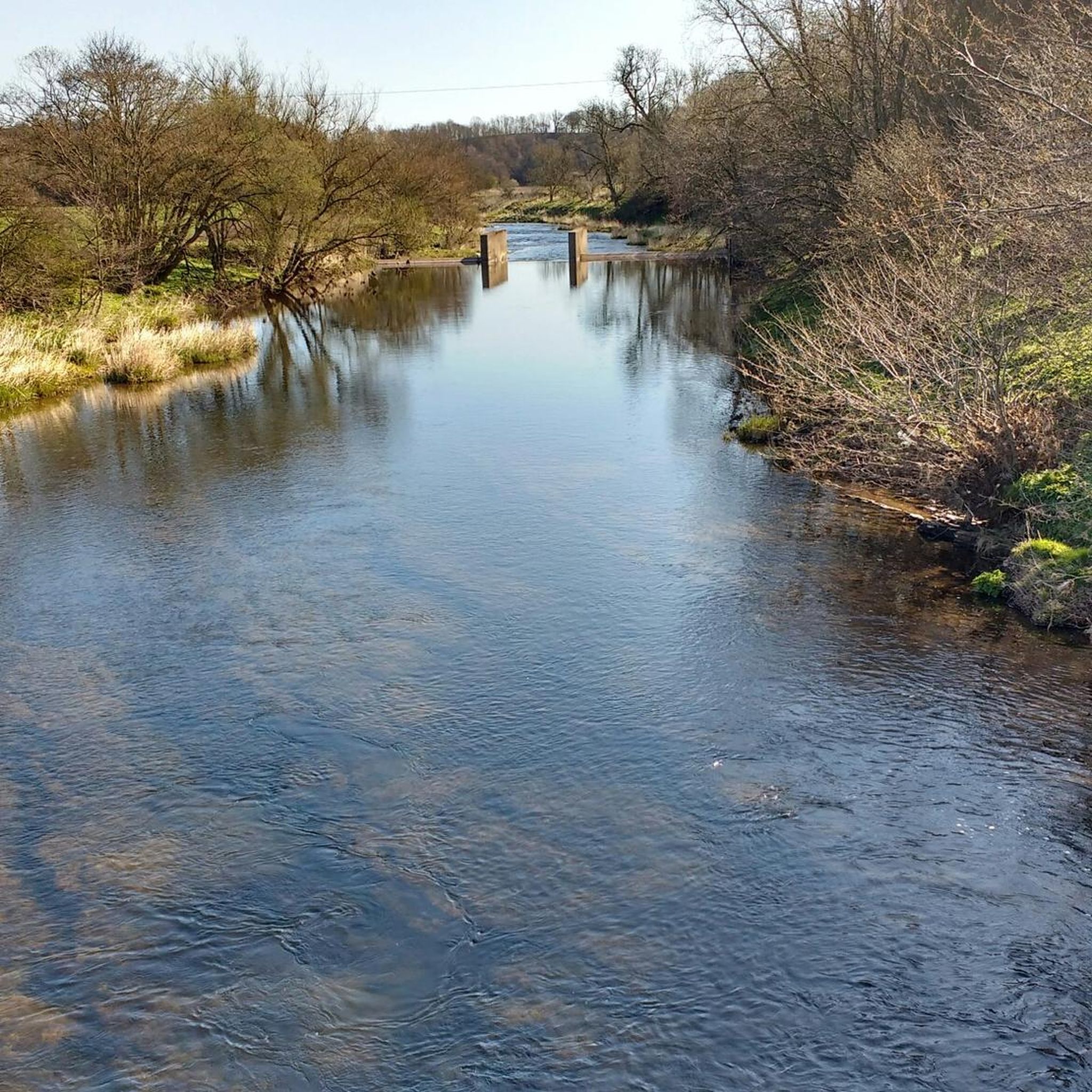
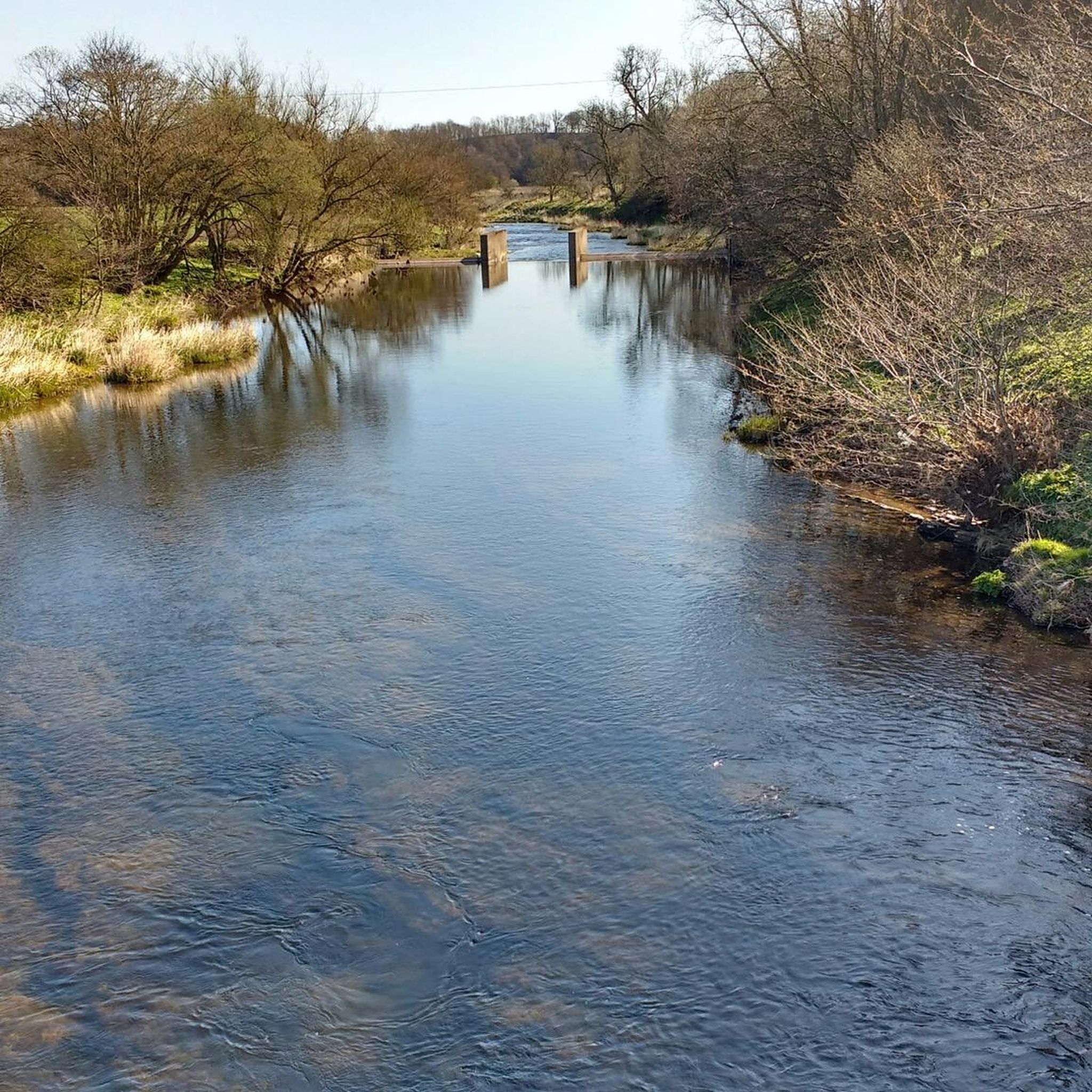
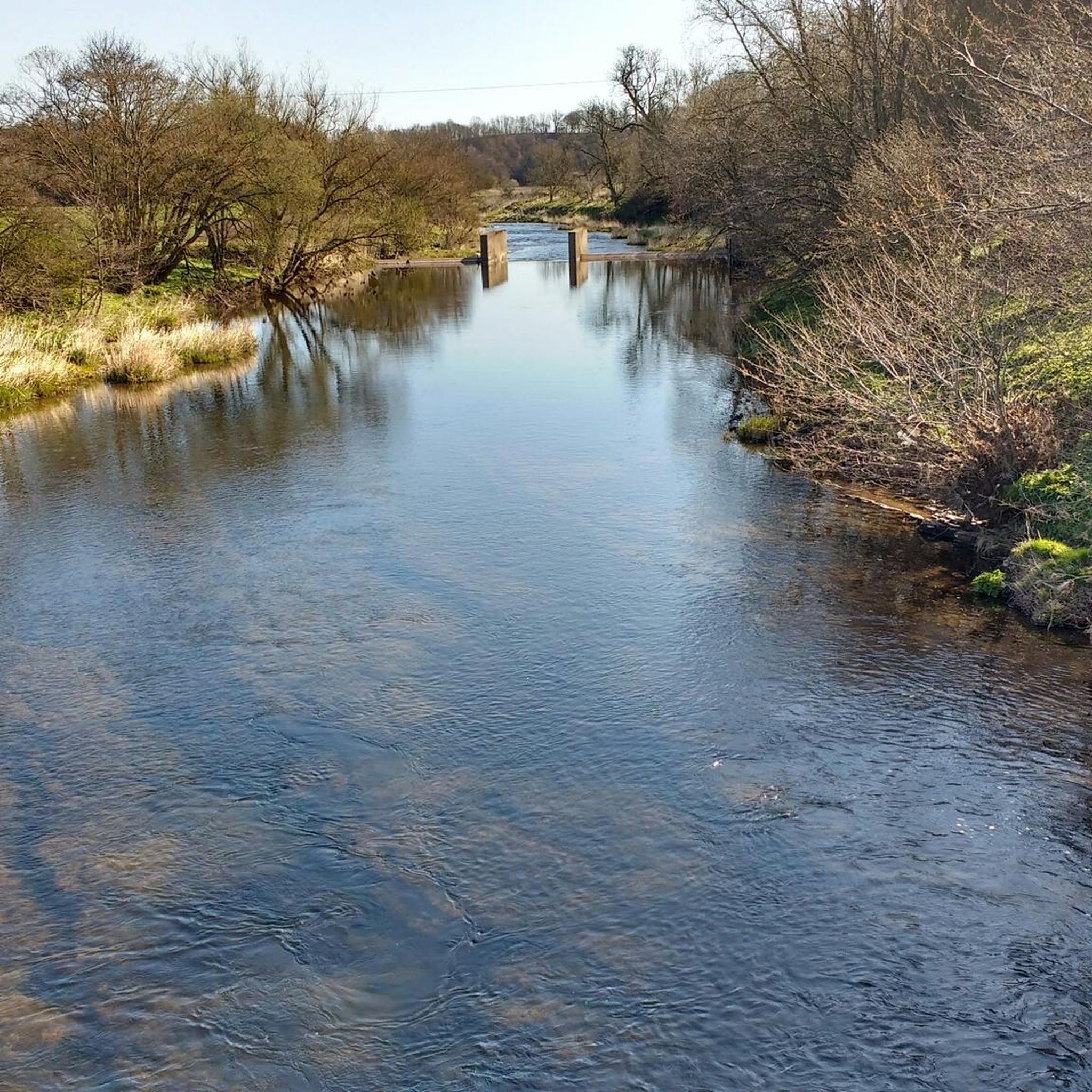
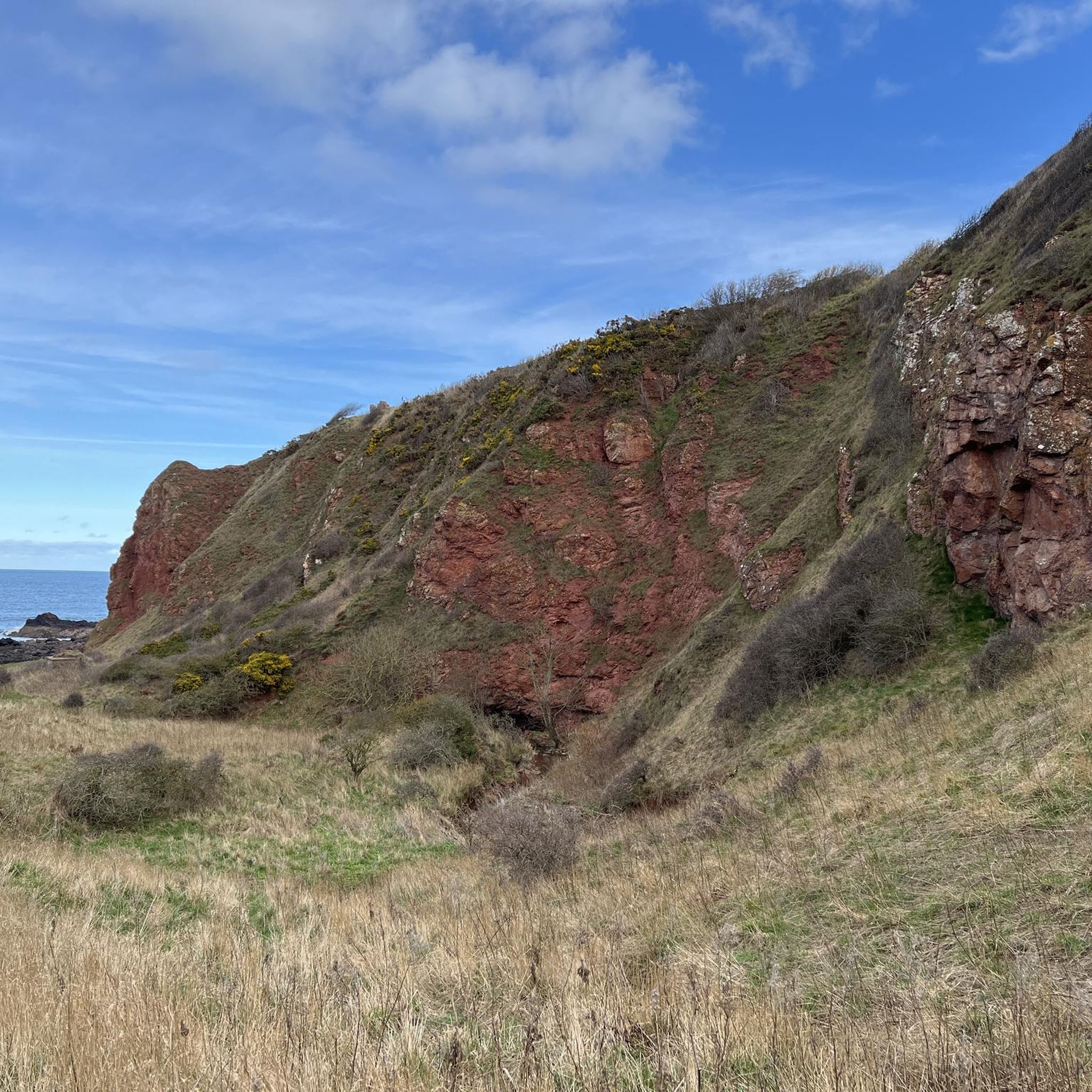
Tips from the Community

Great sheltered bay for paddling, snorkelling and other water sports
0
0

A beautiful sandy beach with colourful beach huts in the background. There is a free car park, public toilets and in summer there are also lifeguards on the beach.
3
0


The tourist walk through the city is called the "Smuggler's Trail" and leads to the most important places in the city. Everyone can make up their own mind about it. Eyemouth - All smugglers? Eyemouth became important, at least for Scotland, when Berwick-upon-Tweed fell to the English in the 15th century. There was a lot of fighting in this border region, then at some point the borders were as they are and Eyemouth became Scotland's southernmost port, market place and church district. In 1695, 304 people lived here, not including the poor, it is noted in the local museum, they were not counted. Witches were also burned here, of both sexes, two dozen men, women and unfortunately also children. Fishing wasn't really popular here at the beginning. The harbor was inadequately protected from northern storms and was not safe. In the first half of the 19th century the port was expanded and formed the basis for the subsequent rapid development of the fishing industry. At the 14th. In October 1881, a catastrophe occurred that is encountered here again and again. Eyemouth's fleet had sailed to the fishing grounds in bright sunshine, but without warning - there were no good forecasts in those days - a violent storm broke out and few made it back to safety. 129 Eyemouth fishermen died. Many died within sight of their families, a sculpture on the beach clearly shows this. About 30 years earlier, more than 100 people died of cholera here in six weeks. What did people here have to go through back then? But what about the smugglers? Eyemouth was popular as a focal point for them. Roughly close to Norway and mainland Europe, a coast with many hideouts and narrow streets in the city that you could duck into.
1
0

Norham stands as one of the most captivating sights in the border region. Perched atop a lush hillock, it commands a crucial ford over the River Tweed, having held immense significance as a formidable stronghold in this historically turbulent area. It endured frequent assaults from the Scots, facing no less than 13 sieges, including a nearly year-long encirclement led by Robert Bruce. Despite the strength of its robust 12th-century keep and imposing towered bailey walls, it ultimately succumbed to the might of James IV's formidable cannons in 1513, just prior to his fateful defeat at Flodden Field. The extensive reconstruction during the 16th century, tailored to accommodate artillery, still bears evident marks, showcasing the fortress's adaptation to changing times.
0
0

Clean and quiet beach. Good swimming spot. Lifeguards on duty in the summer.
0
0

Norham Castle was built in the 12th century and had a rough time in the first few hundred years surviving at least 12 sieges before falling to the heavy cannon of James 4th. It was rebuilt with artillery in the 16th century but with stabilisation between England and Scotland Elisabeth 1st decided not to spend any more money on the castle and it slowly fell into ruin. English Heritage took over the manegment in 1923. The castle is free to explore, open daily in the summer and weekends over the winter.
0
0
Frequently Asked Questions
What family-friendly attractions are there around Chirnside?
For families, Coldingham Sands Beach is a popular choice with its sandy shores and colorful beach huts, offering a great spot for a day out. The historic Norham Castle Ruins also provide an engaging historical experience for all ages. Additionally, Eyemouth Harbour offers a lively atmosphere with its fishing boats and local charm, and Berwick Bridge provides scenic views that can be enjoyed by everyone.
Where can I find historical sites near Chirnside?
Chirnside and its surroundings are rich in history. You can visit the ancient Norham Castle Ruins, which date back to the 11th century. The iconic Union Bridge (Tweed), the oldest suspension bridge still carrying road traffic, is another significant historical landmark. In Chirnside village itself, explore the Chirnside Parish Church with its Norman doorway, the Jim Clark Memorial, and the 16th-century Ninewells Doocot. The nearby Billie Castle Ruins also offer a glimpse into the area's turbulent past.
Are there good walking or hiking trails near Chirnside?
Yes, the area around Chirnside offers several walking and hiking opportunities. You can find routes along the Whiteadder River and through the Tweed Valley. For specific trails, consider the 'Union Bridge (Tweed) – Union Chain Bridge loop from Paxton' or 'Union Chain Bridge – Statue of Captain Samuel Brown loop from Horncliffe', both of which are easy hikes. You can explore more options in the Hiking around Chirnside guide.
What kind of natural features can I explore around Chirnside?
Chirnside is nestled on a hillside offering scenic views of the Cheviot Hills and the Tweed Valley. The Whiteadder River provides pleasant footpaths for walks. For coastal beauty, Coldingham Sands Beach is a beautiful sandy beach, and the nearby Eyemouth Harbour offers views of the North Sea. Further afield, St Abbs Head National Nature Reserve is known for its dramatic cliffs and seabird colonies.
What cycling routes are available near Chirnside?
Cyclists can enjoy a variety of routes in the area. Options range from moderate to difficult, such as the 'Norham Castle Ruins – Union Bridge (Tweed) loop from Foulden' or the longer 'Lindisfarne Causeway – View of Northumberland Coast loop from Reston'. These routes allow you to explore the scenic landscapes and historical sites by bike. More detailed cycling routes can be found in the Cycling around Chirnside guide.
Are there any coastal attractions or beaches nearby?
Absolutely. Coldingham Sands Beach is a highly recommended sandy beach with colorful beach huts, perfect for swimming and relaxing. Just a short distance away, Eyemouth Harbour offers a bustling fishing port atmosphere and a chance to see local marine life. The coastal town of Berwick-upon-Tweed, with its Elizabethan walls, also provides stunning views of the North Sea.
What are some notable viewpoints in the Chirnside area?
The area around Chirnside offers several scenic viewpoints. From the village itself, you can enjoy views across the Tweed Valley towards the Cheviot Hills. Berwick Bridge provides excellent vistas across the River Tweed estuary and the town of Berwick-upon-Tweed. Additionally, the coastal areas like Eyemouth Harbour and St Abbs Head National Nature Reserve offer dramatic sea views.
What is the significance of the bridges around Chirnside?
The bridges in this region are historically and engineeringly significant. The Union Bridge (Tweed), opened in 1820, is notable as the oldest suspension bridge in the world still carrying road traffic, marking the border between England and Scotland. Berwick Bridge is one of three prominent bridges in Berwick-upon-Tweed, offering picturesque views over the River Tweed estuary and contributing to the town's historic character.
Are there any attractions related to famous people from Chirnside?
Yes, Chirnside has connections to notable figures. The village features a memorial plaque and clock honoring Jim Clark OBE, a two-time Formula One world champion racing driver who was from Chirnside. Additionally, the renowned Enlightenment philosopher David Hume grew up in Ninewells House, located in the south of the village, though the house itself was demolished in 1954.
What are some lesser-known historical gems to discover?
Beyond the main attractions, you can explore the 16th-century circular beehive Ninewells Doocot, accessible via a short walk from the Chirnside graveyard. Another dovecot, the Whitehall Doocot, is rectangular and also worth a visit. The Billie Castle Ruins, located north of Chirnside, offer a glimpse into a castle that saw significant conflict in the 16th century before being abandoned.
What do visitors enjoy most about the attractions around Chirnside?
Visitors frequently highlight the blend of historical significance and natural beauty. They appreciate the well-preserved ruins like Norham Castle Ruins for their atmospheric charm, and the engineering marvel of Union Bridge (Tweed). The stunning coastal scenery at Coldingham Sands Beach and the vibrant atmosphere of Eyemouth Harbour are also highly praised, especially for their family-friendly appeal and picturesque views.
Can I find industrial heritage sites in the area?
Yes, the Chirnside Bridge Paper Mill, originally constructed in 1842 and 1857, stands as a surviving industrial landmark in the area. While many mills have disappeared, this site offers a connection to the region's industrial past.
Most popular attractions around Chirnside

Get inspired with the komoot mobile app


Explore more
Still not found the Highlight you’re looking for? See guides of the top attractions in other regions:
