The best road cycling routes around Elgin
4.9
(10)
1,961
riders
112
rides
Road cycling routes around Elgin are characterized by a mix of coastal and inland terrain in Moray, Scotland. The area features rolling hills, river valleys, and proximity to the Moray Firth coastline. Cyclists can expect varied landscapes, from open agricultural land to forested sections and historic townscapes. The region offers routes with moderate elevation changes, suitable for different road cycling preferences.
Best road cycling routes around Elgin
- The most popular road cycling route is Lossiemouth & Findhorn loop from Elgin, a 45.2 miles (72.7 km) trail that takes 3 hours to complete. This moderate route connects coastal towns and offers views of the Moray Firth.
- Another top favourite among local road cyclists is Lake in Cooper Park – Knockando Hill Road Climb loop from Elgin, a moderate 41.8 miles (67.3 km) path. This route includes a notable climb and passes through varied rural scenery.
- Local road cyclists also love the Lossie Harbour – Elgin Cathedral Ruins loop from Elgin, a 40.5 miles (65.2 km) trail leading through coastal areas and historic sites, often completed in about 3 hours.
- Road cycling around Elgin is defined by coastal paths, rolling hills, and historic landmarks. The network offers options for different ability levels, from easier loops to more challenging routes with significant climbs.
- The routes in Elgin are highly rated by the komoot community with an average score of 4.5 stars from 10 reviews. More than 2000 road cyclists have used komoot to explore Elgin's varied terrain.
Last updated: June 27, 2026
48
riders
72.7km
03:01
380m
380m
Moderate road ride. Good fitness required. Mostly well-paved surfaces and easy to ride.
4.2
(5)
91
riders
65.2km
03:04
300m
300m
Moderate road ride. Good fitness required. Mostly well-paved surfaces and easy to ride.

Sign up for free
102
riders
44.2km
02:13
370m
370m
Moderate road ride. Good fitness required. Mostly well-paved surfaces and easy to ride.
73
riders
67.3km
03:17
560m
560m
Moderate road ride. Good fitness required. Mostly well-paved surfaces and easy to ride.
80
riders
35.9km
01:40
180m
180m
Easy road ride. Great for any fitness level. Mostly well-paved surfaces and easy to ride.
Get access to more routes and recommendations from other explorers.
Sign up for free
Already have an account?
Our route recommendations are based on thousands of hikes, rides, and runs completed by other people on komoot.
Start today with a free account
Your next adventure awaits.
Login or Signup
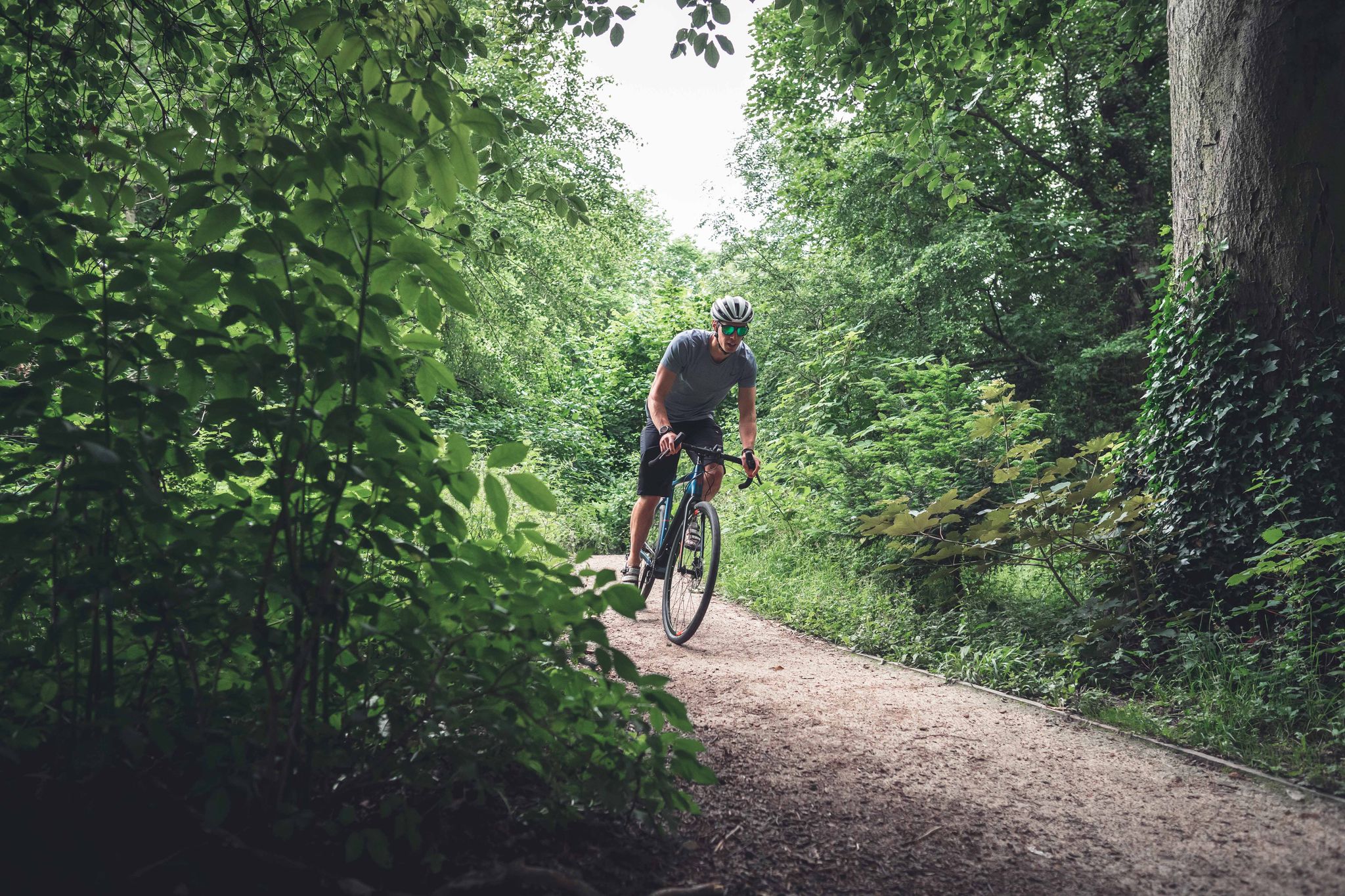
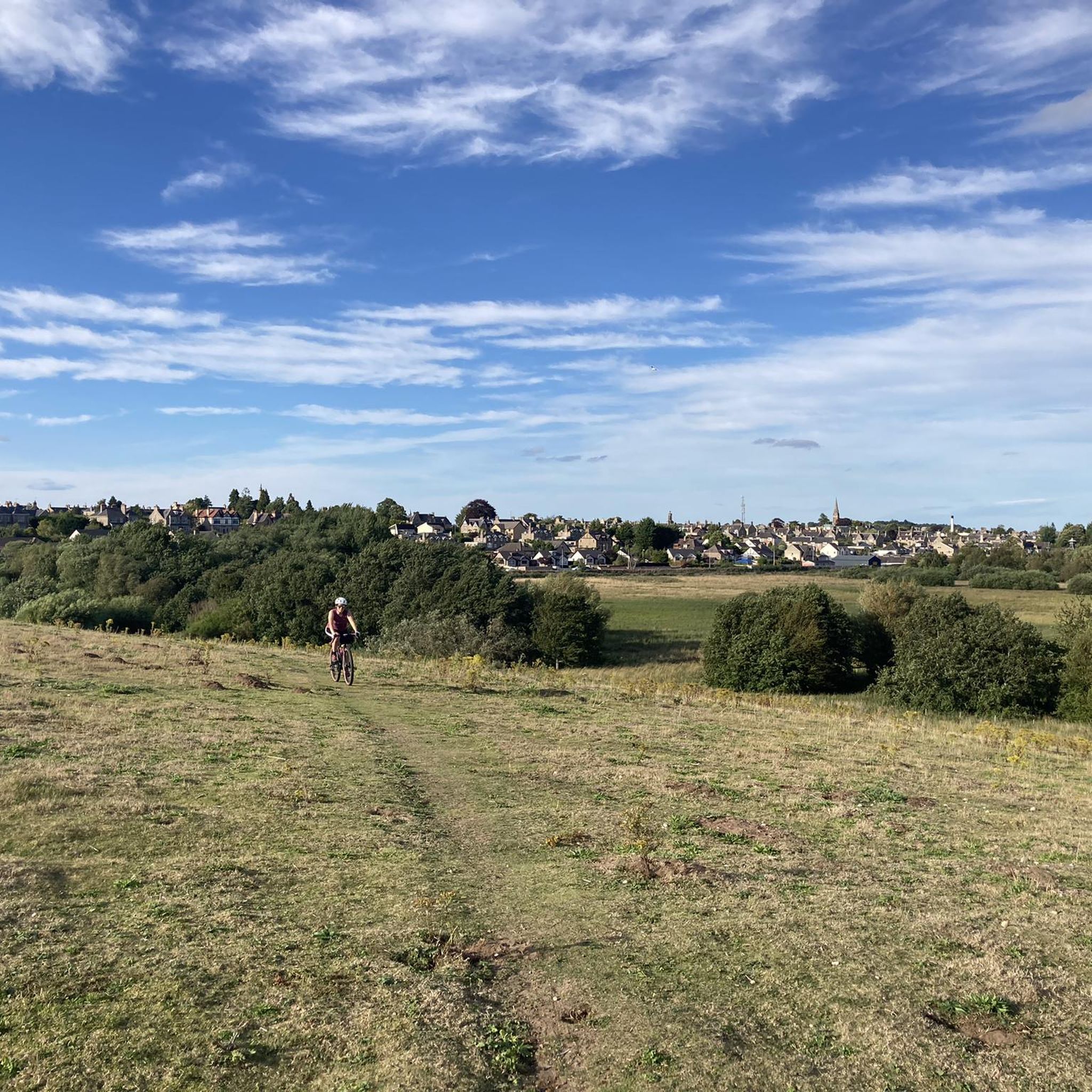
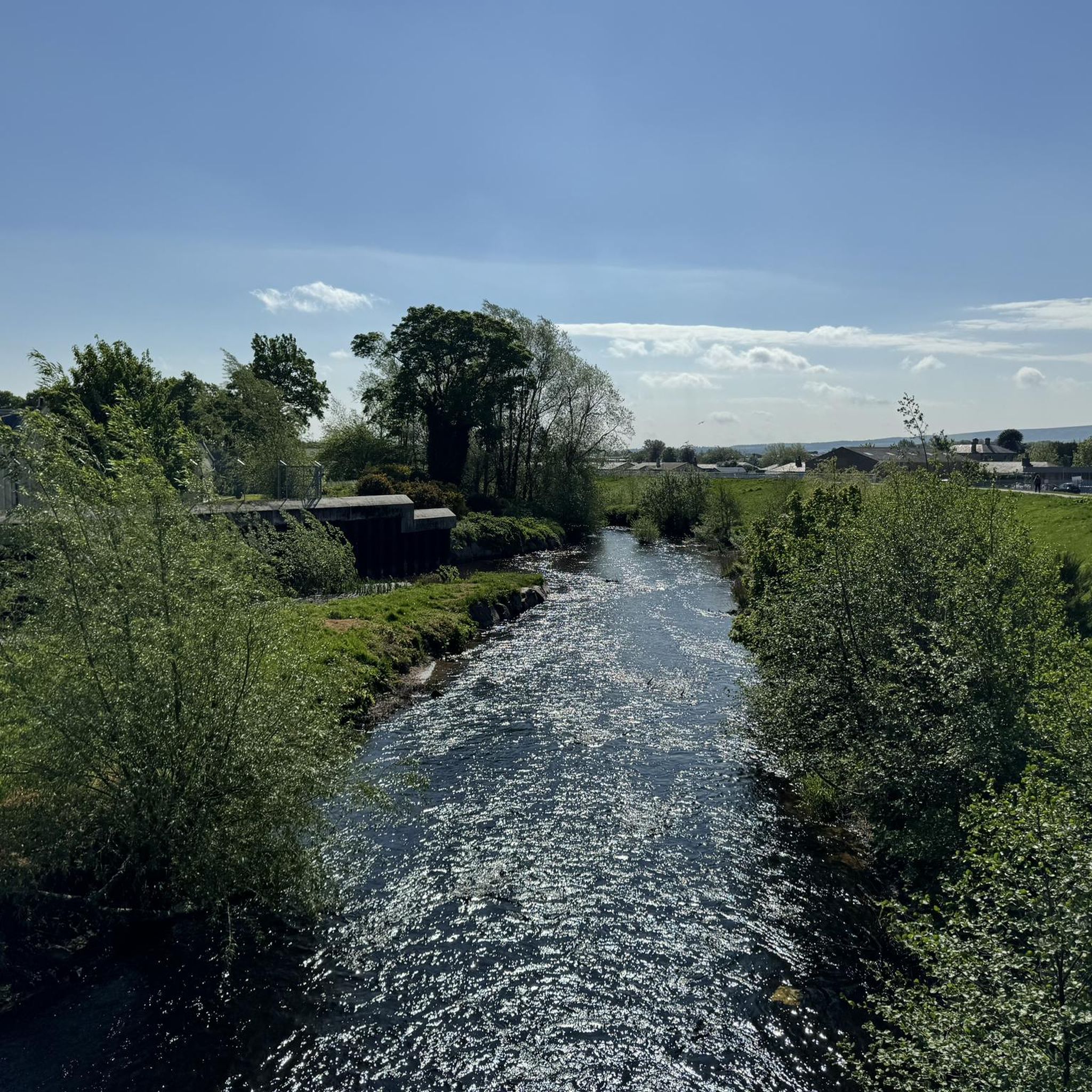
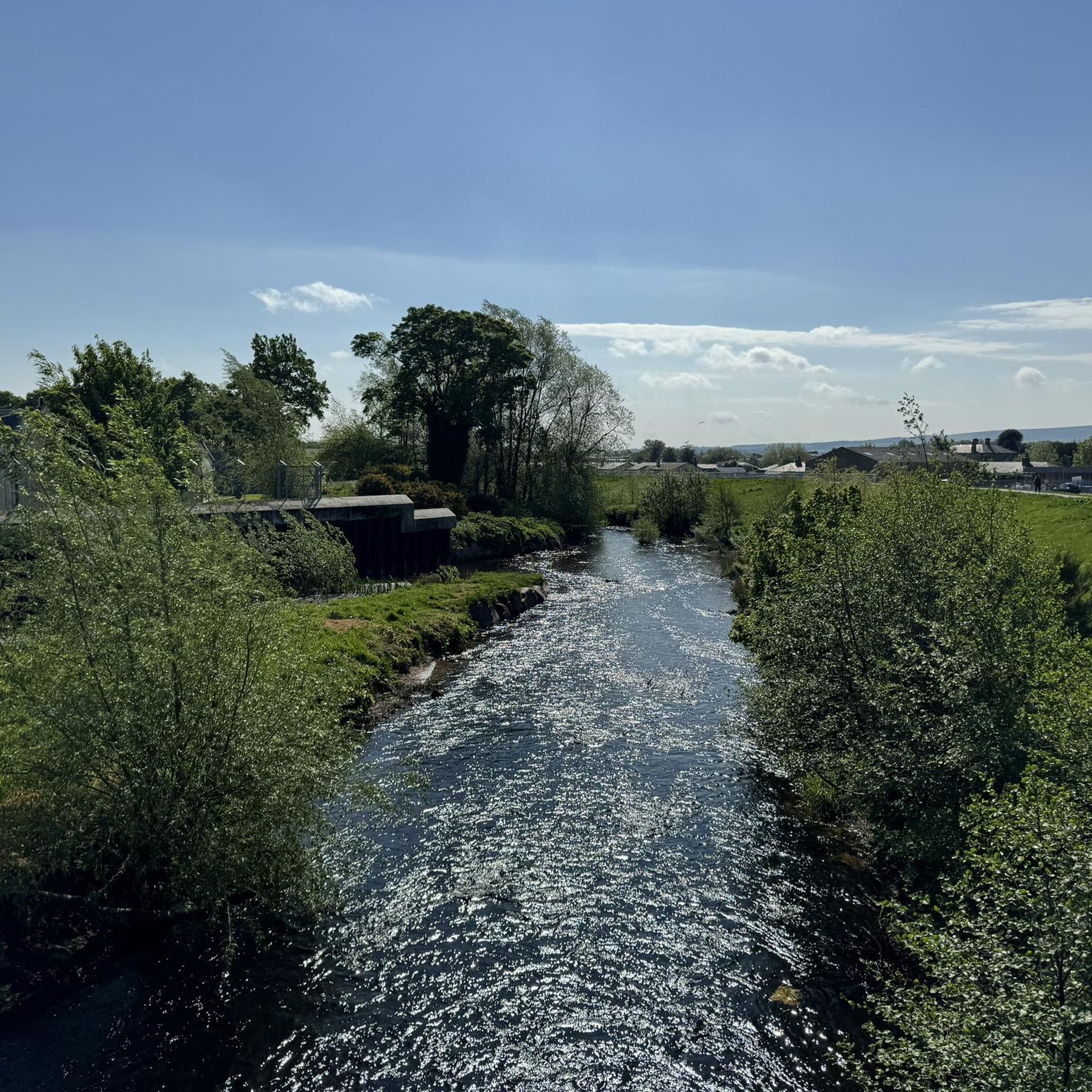

Other adventures around Elgin

Tips from the Community

Elgin is the largest town in Moray, Scotland, with a population of approximately 23,128, and is also its administrative centre
5
0

Sadly, as of early 2024, this place is now closed permanently.
0
0

Elgin Cathedral, a historic ruin in northeast Scotland, was dedicated to the Holy Trinity. It was established in 1224 on land granted by King Alexander II and stood outside the burgh of Elgin, close to the River Lossie. It replaced the cathedral at Spynie located 3 kilometres (2 mi) to the north, which was served by a small chapter of eight clerics. By 1226, the new and developing cathedral was staffed with 18 canons, a number that increased to 23 by 1242. A damaging fire in 1270 led to significant enlargement. It remained unscathed during the Wars of Scottish Independence but suffered extensive fire damage in 1390 when attacked by Robert III's brother Alexander Stewart, Earl of Buchan, also known as the Wolf of Badenoch. In 1402, the cathedral precinct faced another incendiary attack by the Lord of the Isles followers.
0
0
Didn't go into the grounds of the cathedral but was pretty satisfied with the views afforded from the paths around it. Plenty of street parking around the Cathedral.
0
0


Now the only RAF base in Scotland. The airfield opened in 1939 and was operated by the RAF, predominantly as part of Bomber Command, until 1946 when it transferred to the Fleet Air Arm (FAA) and became known as RNAS Lossiemouth or HMS Fulmar. Lossiemouth was used as a training station by the FAA until it was handed back to the RAF in September 1972, after which it has largely operated as a fast-jet base.
0
0
The RAF station opened on 1 April 1939 and served as a training establishment during the Second World War. After the war it was handed over to Coastal Command to monitor Soviet ships and submarines in the Norwegian Sea. Until 2010 it was the main base for the RAF's fleet of Hawker Siddeley Nimrod MR.2 maritime patrol aircraft. It was intended that the MR2 would be replaced by the Nimrod MRA.4, but the MRA4 was cancelled in the Strategic Defence and Security Review of October 2010. As a result, Kinloss became surplus to RAF requirements and regular flying operations ceased on 31 July 2011. In November 2011, the Ministry of Defence and 12 (Air Support) Engineer Group of the British Army announced that 930 personnel from 39 Engineer Regiment (Air Support) would move from Waterbeach Barracks, near Cambridge, to Kinloss in summer 2012. The first personnel of 39 Engineer Regiment arrived in June 2012, with the majority arriving in July 2012. The airfield is maintained as a relief landing site by Eurofighter Typhoon FGR.4s from nearby RAF Lossiemouth. On 26 July 2012 the RAF Ensign was lowered for the last time, and replaced by the flag of 39 Engineer Regiment, marking the establishment of Kinloss Barracks. In December 2009, the Ministry of Defence (MOD) announced the retirement of the Nimrod MR2 by March 2010, twelve months earlier than originally planned. It was also announced that the in-service date of its replacement, the BAE Systems Nimrod MRA4, would be delayed until Autumn 2012, with the aircraft expected to start arriving at Kinloss in February 2010.[18] This was delayed again in June 2010 when it was announced that the MRA4 would arrive at the end of 2010. With Nimrod MR2 operations having ended in March 2010, the Strategic Defence and Security Review in October 2010 revealed that the Nimrod MRA4 programme would in-fact be cancelled and that RAF Kinloss would close. Station commander Group Captain James Johnston said there had been disbelief when the announcement was made. As a result, No. 120, No. 201 and No. 42(R) Squadron (the Operational Conversion Unit) were disbanded on 26 May 2011 at a ceremony attended by the station's Honorary Air Commodore, Prince Philip, Duke of Edinburgh. The RAF station ceased to be operational on 31 July 2011
0
0
The abbey was founded in 1150 by King David I and was first colonised by monks from Melrose Abbey. It received its Papal Bull from Pope Alexander III in 1174, and later came under the protection of the Bishop of Moray in 1187. The abbey went on to become one of the largest and wealthiest religious houses in Scotland, receiving the valuable salmon fishing rights on the River Findhorn from Robert the Bruce in 1312.
0
0
Frequently Asked Questions
How many road cycling routes are available around Elgin?
There are nearly 120 road cycling routes around Elgin, offering a wide variety of options for different skill levels and preferences. You'll find everything from easier loops to more challenging rides with significant climbs.
What types of terrain can I expect on road cycling routes in Elgin?
Road cycling routes around Elgin feature a diverse mix of coastal and inland terrain. You can expect rolling hills, picturesque river valleys, open agricultural land, and forested sections. Many routes also offer views of the Moray Firth coastline.
Are there easy road cycling routes suitable for beginners in Elgin?
Yes, Elgin offers a good selection of routes suitable for beginners. Approximately 40 of the available routes are rated as easy. An example of an easier route is the Elgin Cathedral Ruins – The Elgin Drummer Statue loop from Elgin, which covers about 36 km.
What are some longer distance road cycling options around Elgin?
For longer rides, you can explore routes like the Lossiemouth & Findhorn loop from Elgin, which is over 72 km, or the Lake in Cooper Park – Knockando Hill Road Climb loop from Elgin, spanning over 67 km. These routes provide a good challenge and take several hours to complete.
Are there challenging road cycling routes in the Elgin area?
Yes, for those seeking a challenge, Elgin has routes with more significant climbs. There are 15 routes rated as difficult. The Lake in Cooper Park – Knockando Hill Road Climb loop from Elgin, for instance, includes a notable climb and offers varied rural scenery.
What do other cyclists say about road cycling in Elgin?
The road cycling routes in Elgin are highly rated by the komoot community, with an average score of 4.5 stars from over 2000 visitors. Cyclists often praise the varied terrain, from coastal paths to rolling hills, and the presence of historic landmarks along the way.
Are there circular road cycling routes around Elgin?
Many of the road cycling routes around Elgin are designed as loops, allowing you to start and finish in the same location. Examples include the Lossiemouth & Findhorn loop from Elgin and the Lossie Harbour – Elgin Cathedral Ruins loop from Elgin.
What scenic viewpoints or attractions can I see along the road cycling routes?
Many routes pass by notable attractions. You can cycle past the historic Elgin Cathedral Ruins, enjoy views of Lossiemouth East Beach, or even spot the Covesea Lighthouse and Caves on coastal rides. Other points of interest include the Bunker and Anti-Tank Blocks on Burghead Beach and the Hopeman Beach Huts.
What is the best season for road biking in Elgin?
While road cycling is possible year-round, the spring and summer months typically offer the most favorable weather conditions with milder temperatures and longer daylight hours, making it ideal for exploring the coastal and inland routes around Elgin.
Are there routes that combine coastal views with historic sites?
Absolutely. Routes like the Lossie Harbour – Elgin Cathedral Ruins loop from Elgin offer a blend of coastal scenery and access to significant historic landmarks, providing a rich cycling experience.
Are there any routes that pass through parks or green spaces in Elgin?
Yes, routes often incorporate or pass near local green spaces. For example, the Bomb Sculpture – Lake in Cooper Park loop from Elgin takes you past Cooper Park, offering a pleasant urban green space experience within your ride.
Most popular routes around Elgin
Most popular attractions around Elgin

Get inspired with the komoot mobile app


Explore more
Browse the best Road cycling routes in other regions.
