Attractions and Places To See around Kilmuir - Top 20
Best attractions and places to see around Kilmuir, located on the Trotternish peninsula of the Isle of Skye, offer a blend of natural beauty, rich history, and cultural insights. This area is known for its dramatic landscapes, including iconic rock formations and coastal views. Visitors can explore historical sites and gain insight into traditional island life.
Best attractions and places to see around Kilmuir
- The most popular attractions is The Quiraing, a natural monument that is an astonishing landslip…
Last updated: August 11, 2026
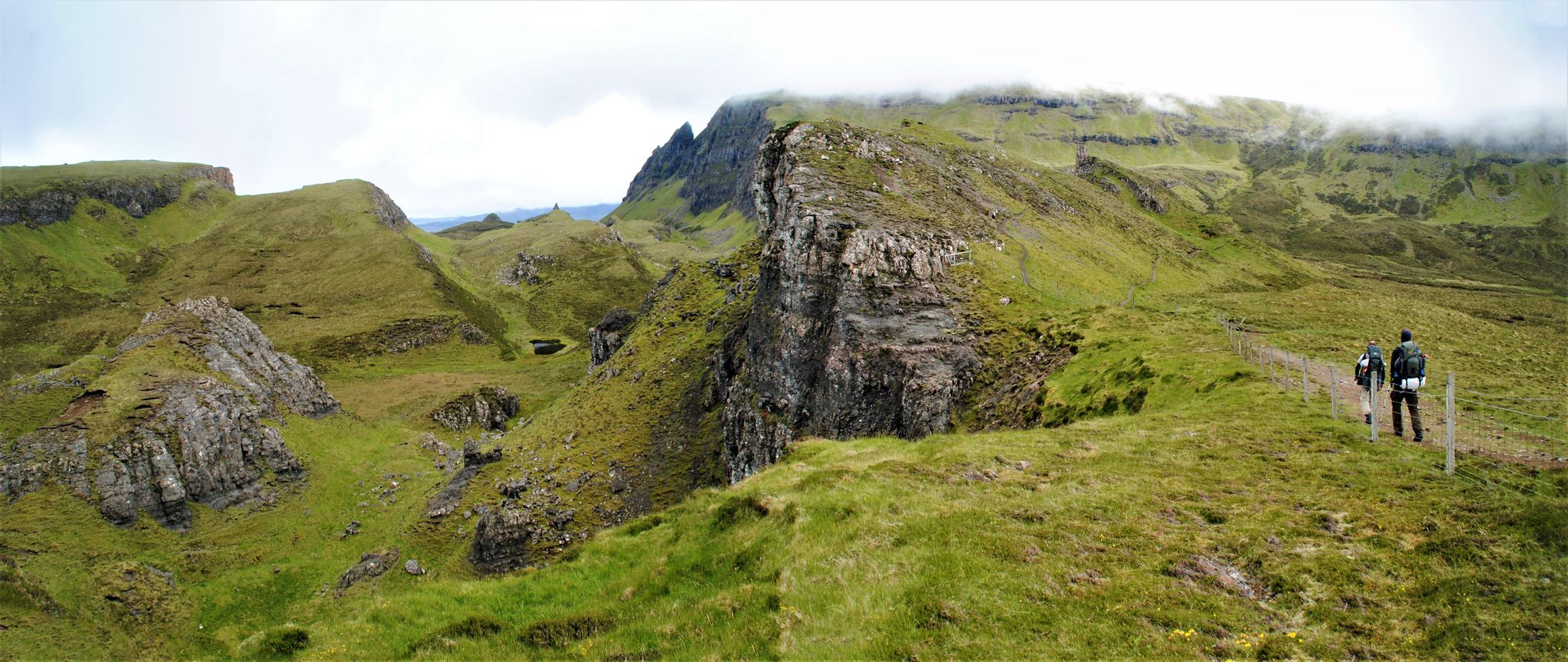
The Quiraing
Highlight • Natural Monument
Tip by

Fir Bhreugach
Highlight • Natural Monument
Tip by

Sign up now to discover places like this
Get recommendations on the best single tracks, peaks, & plenty of other exciting outdoor places.
Sign up for free
Stone Circle at Fairy Glen
Highlight • Natural Monument
Tip by

Castle Ewen
Highlight • Natural Monument
Tip by

The Prison (Quiraing rock formation)
Highlight • Natural Monument
Tip by
Sign up for free to discover even more attractions around Kilmuir.
Sign up for free
Already have an account?
Start today with a free account
Your next adventure awaits.
Login or Signup
Popular around Kilmuir
Other adventures around Kilmuir


Tips from the Community

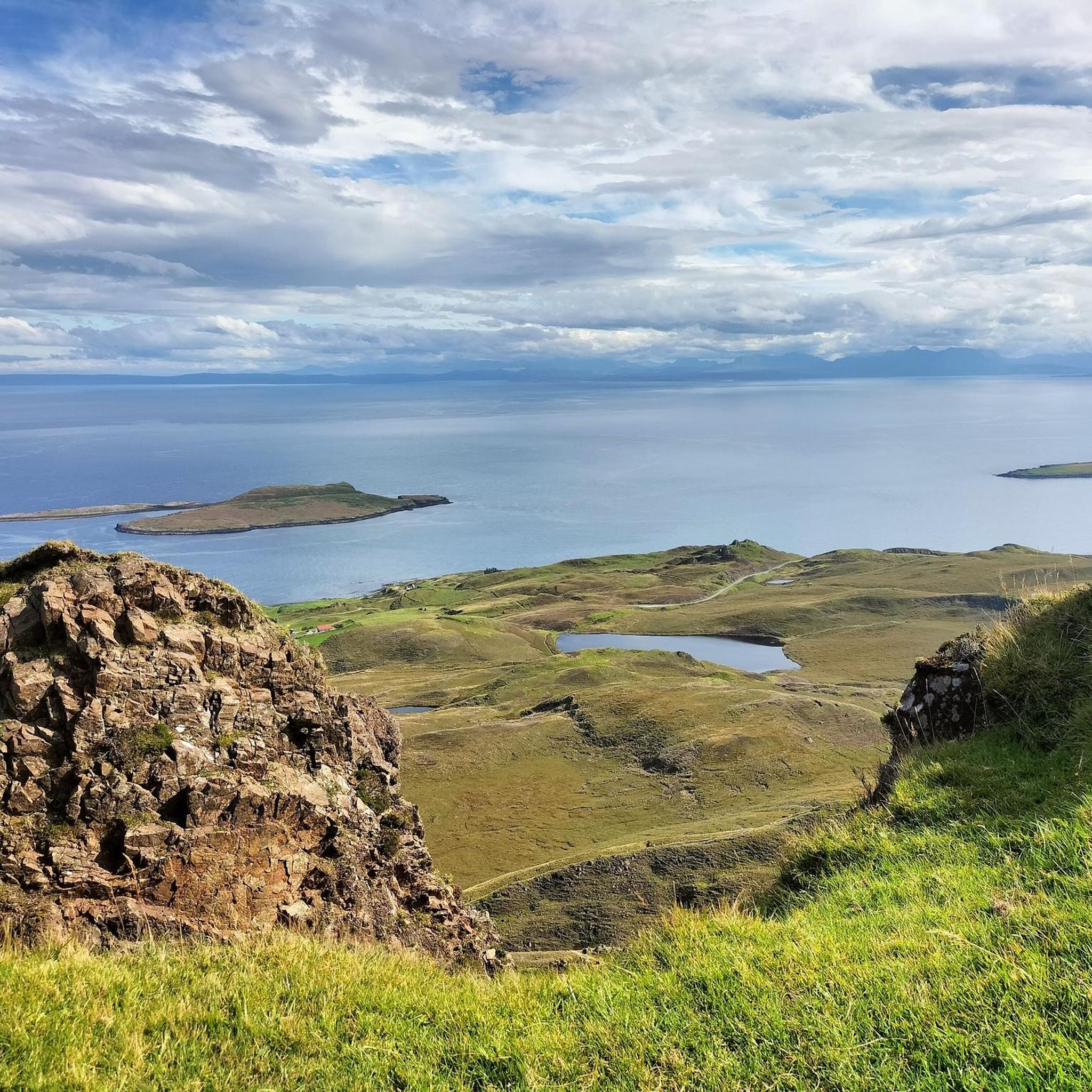
Fir Bhreugach is a striking rock formation in the Quiraing area on the Isle of Skye. The name comes from Gaelic and means approximately "the false man" or "the deceiver", referring to the unusual, almost human-like silhouette of the rocks. Like many formations on the Trotternish Peninsula, Fir Bhreugach was formed by landslides and erosion, which are constantly changing the landscape. Today, it is a less well-known but fascinating part of the Quiraing, contributing to the mysterious, almost mythical atmosphere of this unique landscape.
0
0
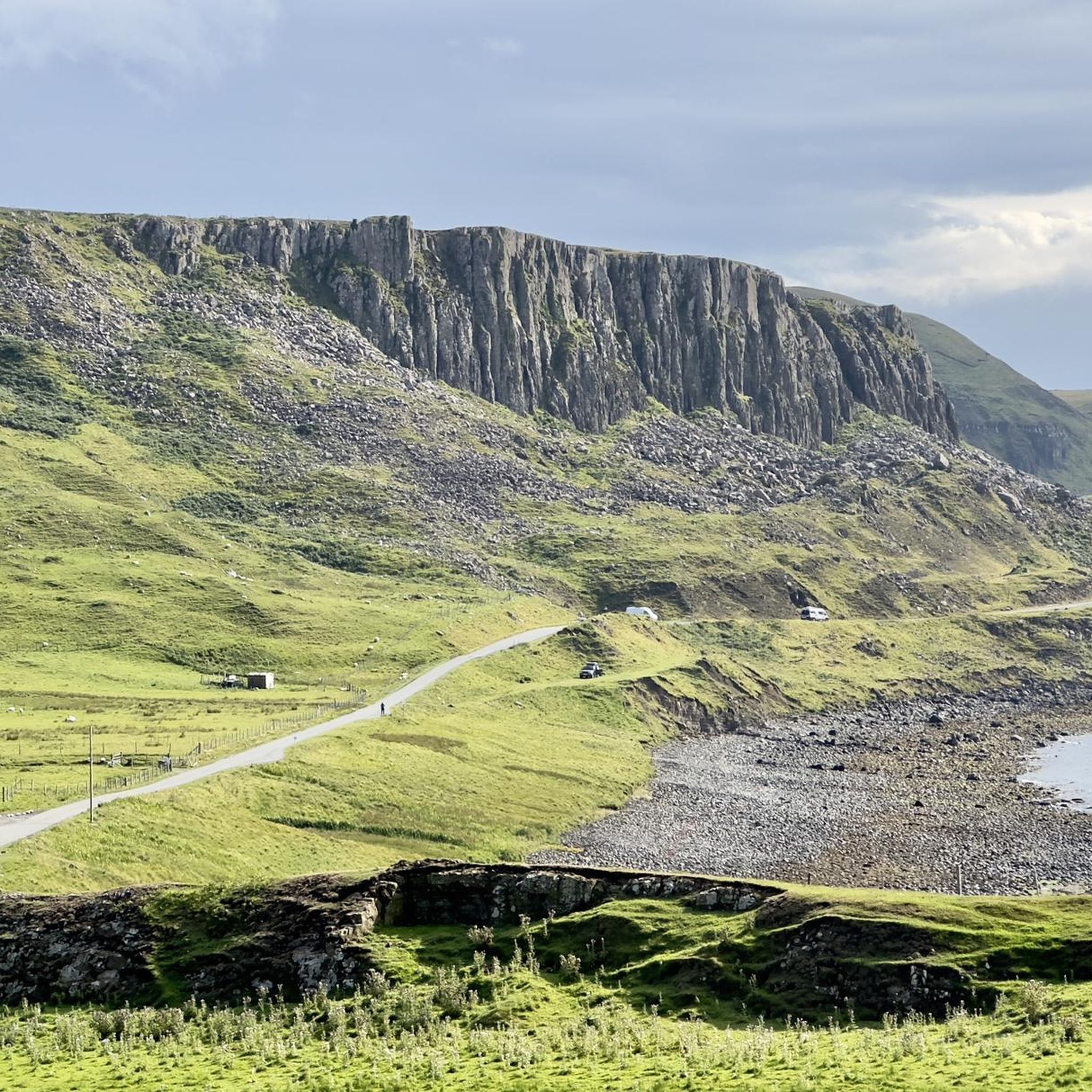
The Prison am Quiraing on the Isle of Skye is a striking rock formation with steep, almost vertical walls, reminiscent of a natural fortress or prison – hence the name. It was formed by ancient landslides that shaped the terrain of the Trotternish Peninsula and continue to change it slightly to this day. The Prison is one of the most famous geological landmarks of the Quiraing and is particularly popular with hikers and photographers. From here, you can enjoy impressive views of the island's rugged, dramatic landscape.
0
0
The Fairy Glen stone circles are located on the Isle of Skye in Scotland and are a fascinating spectacle of nature and culture. Fairy Glen, meaning "Fairy Valley" in German, is known for its gently rolling green hills, unusual rock formations, and the stone circles laid by visitors, which seem created by fairy hands. Although the stone circles are not of prehistoric origin but were arranged by travelers in modern times, they have a mystical appeal and contribute to the magical atmosphere of the place. The valley itself was formed by geological processes and looks like a miniature version of the Scottish Highlands. Visitors experience a special tranquility here as they wander among the circles, which blend harmoniously into the gentle landscape. Legends tell that fairies inhabit this valley and use the stone circles as magical gathering places. A walk through the Fairy Glen stone circles is an unforgettable experience for nature lovers, photographers, and anyone seeking a touch of mysticism.
1
0
Castle Ewen lies picturesquely amidst the green hilly landscape near the Fairy Glen Pools on the Scottish island of Skye. It is often referred to as a natural "fairy fortress" because it was not built of stone but shaped by nature itself. The steeply rising rocks are reminiscent of the walls and towers of an old castle, which is why the locals call this place "Castle Ewen". The area is characterized by a fairytale atmosphere: green hills, small streams, and the mysterious Fairy Glen Pool create a backdrop reminiscent of legends and stories about fairies and spirits. Visitors often wander through the labyrinths of grass and natural stones, created by past travellers and locals. Although Castle Ewen is not a historical fortress, it offers an unparalleled view over the Fairy Glen and the surrounding nature. Especially in fog or in the soft light of the evening sun, the place seems to have sprung from another world. For photographers, nature lovers, and anyone seeking a piece of mystical landscape, Castle Ewen is an unforgettable excursion destination.
0
0

The lower section of the circular trail offers a new perspective on the fascinating rock formations with every step. And you're right in the middle of it all. The upper section of the trail offers additional, expansive views. Easily manageable with sturdy footwear. This rock looks like the ruins of an old fortress. A highly recommended trail!
0
0
Wonderful landscape, magnificent views, great hiking!
0
0

The point as a bad thing is very beautiful and also recommendable. The stone circle is a joke....
0
1

The Quiraing is a remarkable geological formation located. It is part of a mountain range and is located in the northernmost part of the Trotternish Peninsula. The Quiraing is unique in that it is still moving, meaning the road needs to be repaired every year. The area is known for its curious rock peaks formed by a series of landslides. A walk through the Quiraing is not just a hike. It is a tough 7 kilometers that alternate with up and down narrow paths with sometimes deep abysses. It is therefore not recommended to go hiking there if it rains (a lot) or there is a lot of fog. But in clear weather you can see bizarrely far. It is one of the most popular walks on the island.
2
0
Frequently Asked Questions
What are the best hiking trails around Kilmuir?
Kilmuir offers a variety of hiking trails, from challenging routes to easier walks. The iconic The Quiraing is a must-do for its unique rock formations and expansive views. For a rewarding climb with stunning vistas, consider Fir Bhreugach. You can also explore routes like the Gorge Descent to Loch Hunish, which offers dramatic coastal scenery. For more options, check out the easy hikes around Kilmuir guide.
Where can I find historical sites related to Flora MacDonald in Kilmuir?
Kilmuir is deeply connected to Flora MacDonald. You can visit her final resting place at Kilmuir Cemetery, marked by a prominent Celtic cross. Her story is also told at the Skye Museum of Island Life, and she famously stayed at Monkstadt House with Bonnie Prince Charlie.
Are there any family-friendly attractions in Kilmuir?
Yes, Kilmuir offers several family-friendly options. The Skye Museum of Island Life provides an engaging look into traditional crofting life. Staffin Beach is excellent for fossil hunting, with its famous dinosaur footprints. The enchanting Fairy Glen offers a magical landscape for exploration and gentle walks, perfect for families.
What unique natural rock formations can I see in Kilmuir?
The Trotternish Ridge, particularly The Quiraing, is renowned for its unique geological features. Here you'll find formations like 'The Prison' and 'The Needle'. Another iconic rock formation, though a short drive away, is the Old Man of Storr, offering extraordinary views after a hike.
Where can I find ancient ruins or archaeological sites?
Kilmuir is rich in ancient history. You can explore the crumbling ruins of Duntulm Castle, a 14th-century clifftop stronghold. The Kilvaxter Souterrain is an Iron Age underground passage, around 2000 years old, that you can explore with a torch. Additionally, the Dun Borneskitaig Broch and Cairn are remnants of an Iron Age broch and possible prehistoric fort.
What is the best time of year to visit Kilmuir attractions?
The best time to visit Kilmuir is generally during the spring (April-May) and autumn (September-October) for hiking, as the weather is often milder and the landscapes are vibrant. Summer (June-August) offers longer daylight hours and warmer temperatures, ideal for exploring all attractions, though it can be busier. Winter provides a dramatic, rugged beauty, but some paths may be slippery, and facilities might have reduced hours.
Are there opportunities for cycling or mountain biking near Kilmuir attractions?
Yes, there are several routes for cycling and mountain biking. You can find challenging cycling loops around The Quiraing, or easier routes like the 'Deserted Village of Erisco – Gorge Descent to Loch Hunish loop from Duntulm Castle'. For mountain biking, there are difficult trails such as the 'Portree to Quairaing Pass loop'. More details are available in the cycling around Kilmuir and MTB Trails around Kilmuir guides.
What cultural insights can I gain in Kilmuir?
The Skye Museum of Island Life is an excellent place to immerse yourself in traditional crofting life, with preserved thatched cottages and historical artifacts. You can also visit Skye Weavers to see sustainable textile innovation, or explore Uig Village for local delicacies and a taste of island life.
Where can I find stunning viewpoints for photography?
Kilmuir is a photographer's paradise. The Quiraing offers awe-inspiring vistas and unique rock formations. Rubha Hunish Lookout Bothy, at the northernmost tip of Skye, provides spectacular views over the sea and Little Minch, with chances to spot marine wildlife. Fir Bhreugach also offers amazing views onto the Quiraing landslip and surrounding landscape.
Are there any hidden gems or less-known spots worth visiting?
Beyond the well-known sites, consider visiting the Ruined Church of Borneskitaig, an atmospheric ruin dating from 1810. The Cave of Gold (Uamh Oir) is a fascinating sea cave formed by basalt columns. For a remote experience, the 5-mile circular walk to Loch Sneasdal offers tranquility and views towards the Outer Hebrides.
What do visitors enjoy most about the attractions in Kilmuir?
Visitors frequently praise the dramatic and unique landscapes, especially the geological formations of The Quiraing, often describing them as 'impressively beautiful' even in challenging weather. The panoramic views from summits like Fir Bhreugach and coastal spots like Rubha Hunish Lookout Bothy are also highly rated. Many appreciate the blend of natural beauty with rich history, such as at Kilmuir Cemetery and Duntulm Castle.
Most popular attractions around Kilmuir

Get inspired with the komoot mobile app


Explore more
Still not found the Highlight you’re looking for? See guides of the top attractions in other regions:
