Attractions and Places To See around Caithness West - Top 20
Best attractions and places to see around Caithness West offers a distinctive landscape in the northernmost reaches of mainland Scotland. This region features a variety of attractions, including dramatic coastal scenery, ancient historical sites, and unique natural features. Visitors can explore rugged peninsular landscapes and significant historical landmarks. The area's geology is primarily Old Red Sandstone, shaping its coastline with cliffs and geos.
Best attractions and places to see around Caithness West
- The most popular attractions is The Clett Sea…
Last updated: October 5, 2026
Holborn Head Lighthouse
Highlight • Viewpoint
The two keeper’s cottages are holiday accommodation.
The walk to Holborn Head is accessed on the …
Tip by

Thurso Beach
Highlight • Viewpoint
Translated by Google •
Tip by

Sign up now to discover places like this
Get recommendations on the best single tracks, peaks, & plenty of other exciting outdoor places.
Sir George Sinclair Memorial Fountain
Highlight • Monument
Translated by Google •
Tip by
The Clett Sea Stack
Highlight • Viewpoint
Be aware that the path …
Tip by
Forsinard Flows Gravel Road
Highlight (Segment) • Trail
Tip by

Sign up for free to discover even more attractions around Caithness West.
Already have an account?
Start today with a free account
Your next adventure awaits.
Tips from the Community

A very beautiful old lighthouse. Unfortunately, it's not open to visitors as it's privately owned.
0
0

Sir John George Tollemache Sinclair, 3rd Baronet (8 November 1825 – 30 September 1912) was a Scottish landowner and Liberal politician who sat in the House of Commons from 1869 to 1885.
5
0
Sinclair, the eldest son of Sir John Sinclair, 1st Baronet of Ulbster, and Diana, only daughter of Alexander Macdonald, 1st Baron Macdonald, was born in Edinburgh. His siblings were John, William, and Catherine Sinclair. At ten, he entered Harrow School under Dr. Drury, where he studied with Lord Byron and Sir Robert Peel. Byron described Sinclair as "the prodigy of our school days. He made exercises for half the school (in the true sense of the word), verses at will, and subjects without them. He was a friend of mine, and as near to me." At sixteen, Sinclair left Harrow for Göttingen. He was arrested as a spy and brought before Napoleon, who interrogated him and ordered his release. In 1826, Sinclair published a privately printed account of the interview (Edinburgh, 1826, 8vo).
5
0
What a beautiful beach overlooking Scrabster. It's always special to walk along the seafront, watching and listening to the waves. Access to the beach was via a few steps at either end. On the day I visited, it was beautifully clean and the wind was blowing quite strongly. It's a truly superb location.
2
0

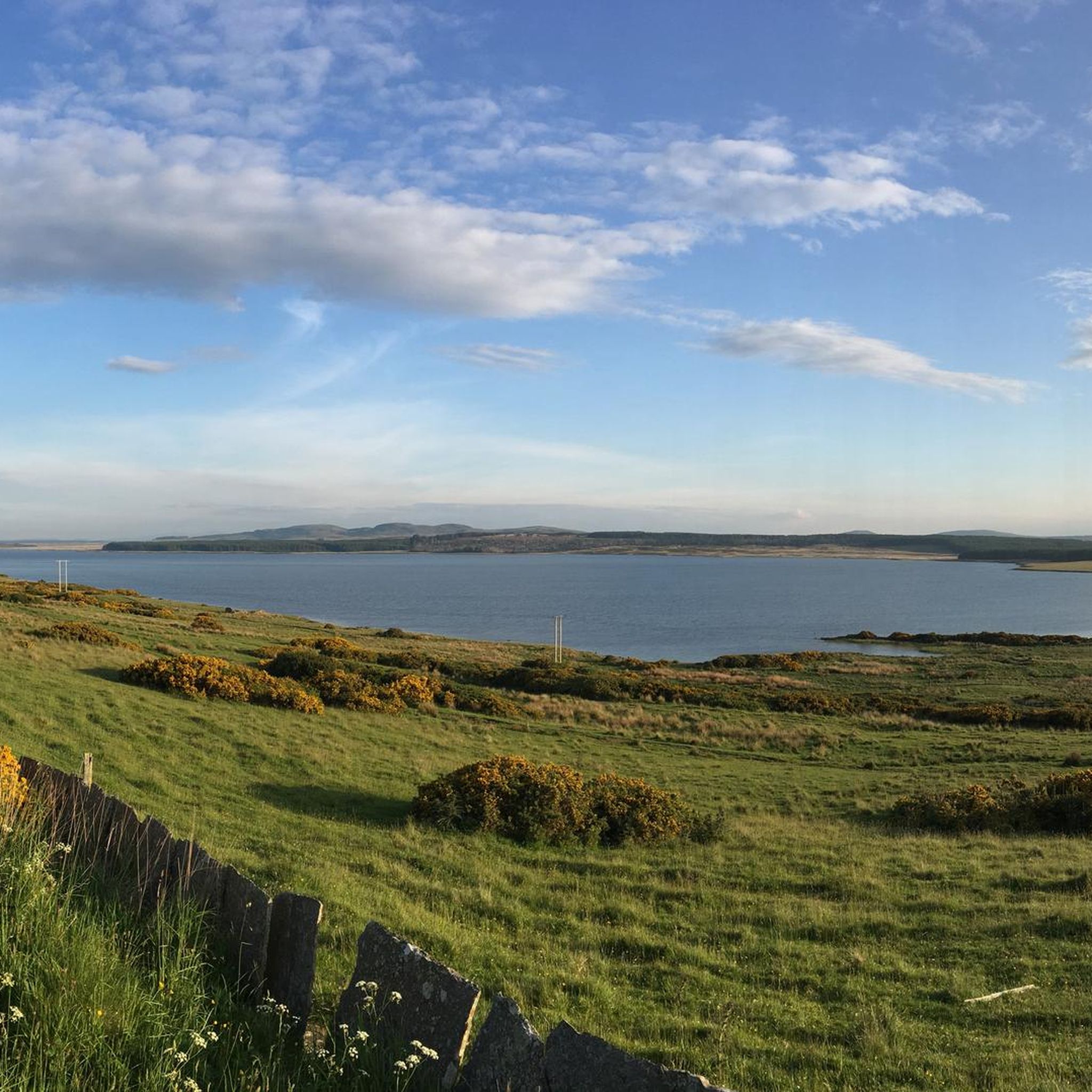
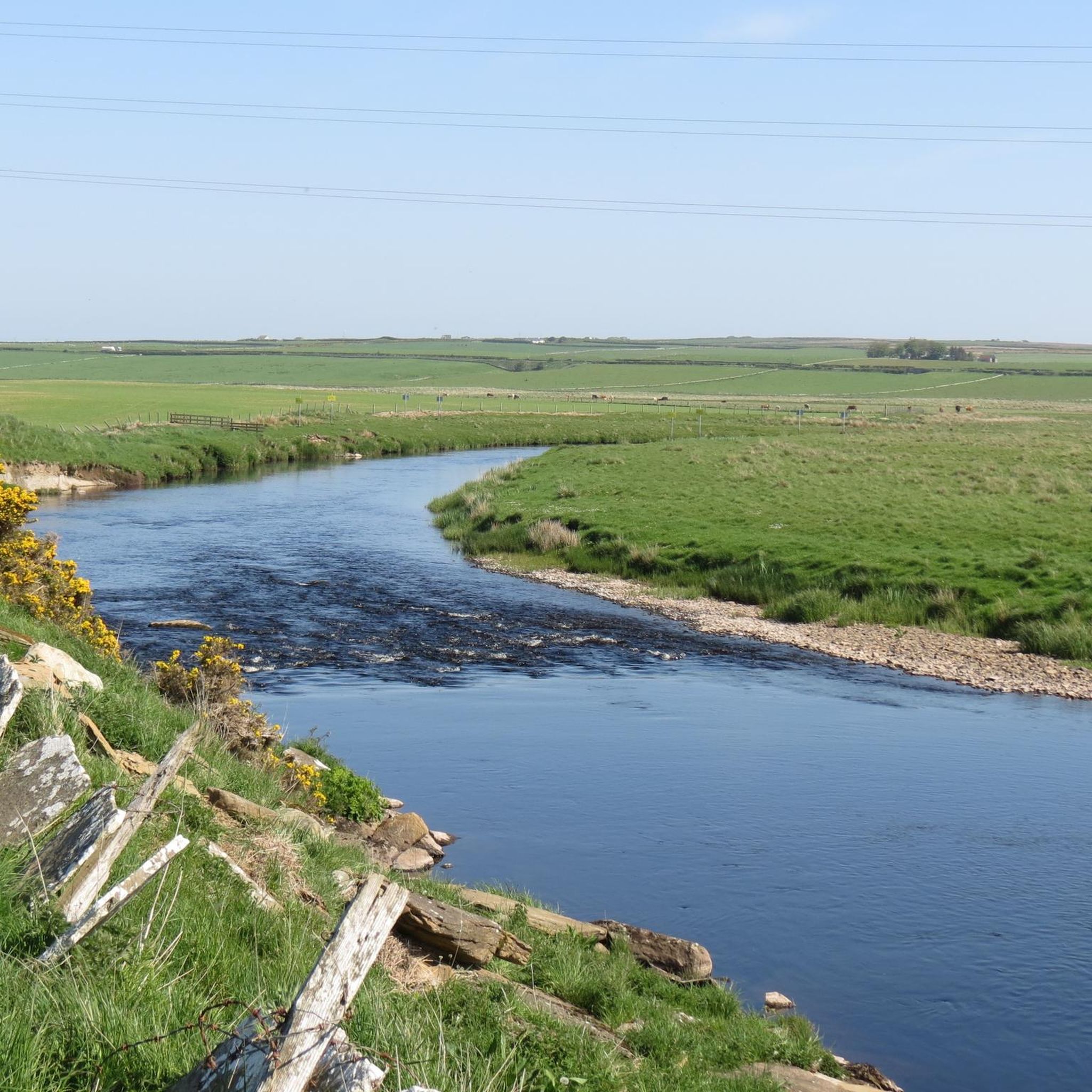
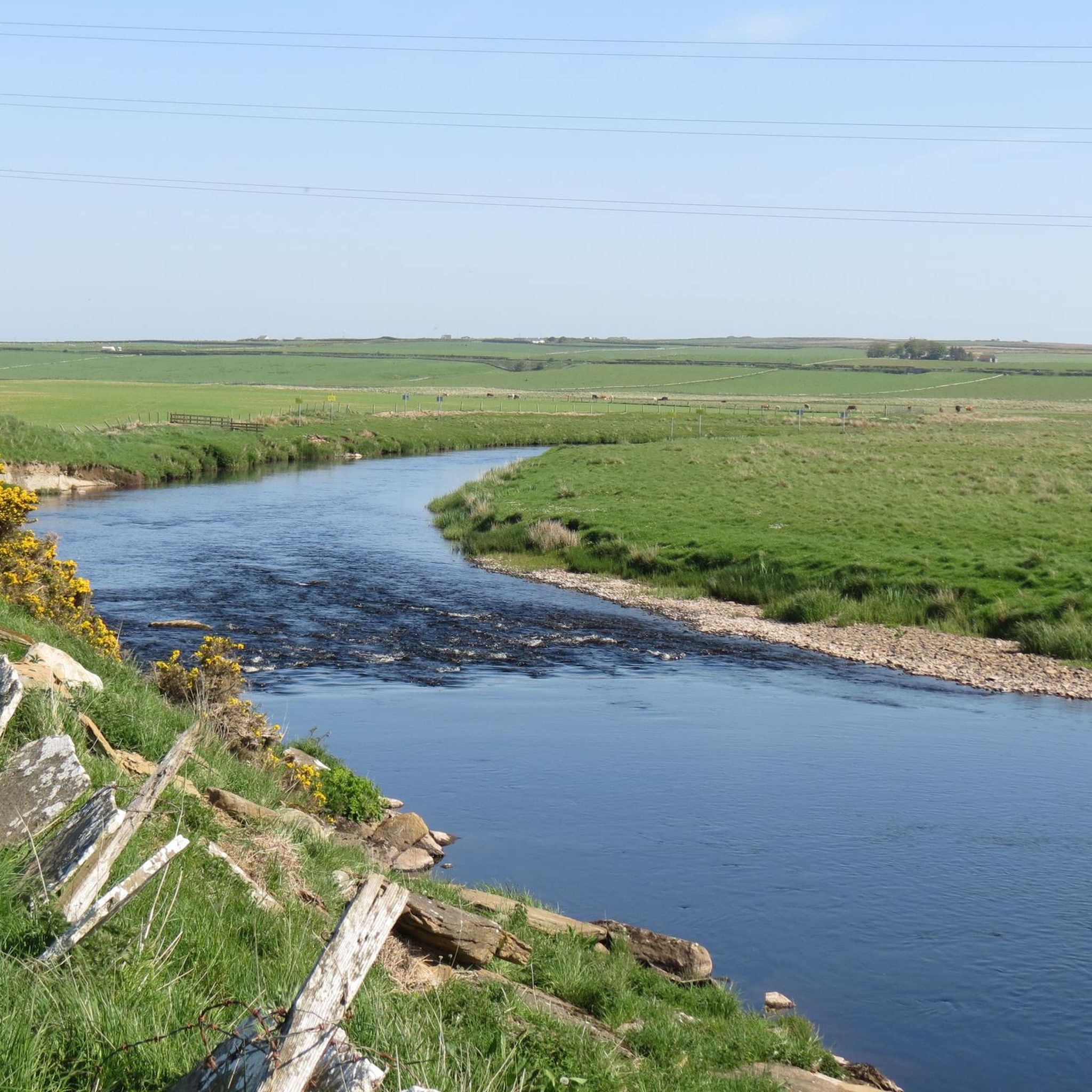
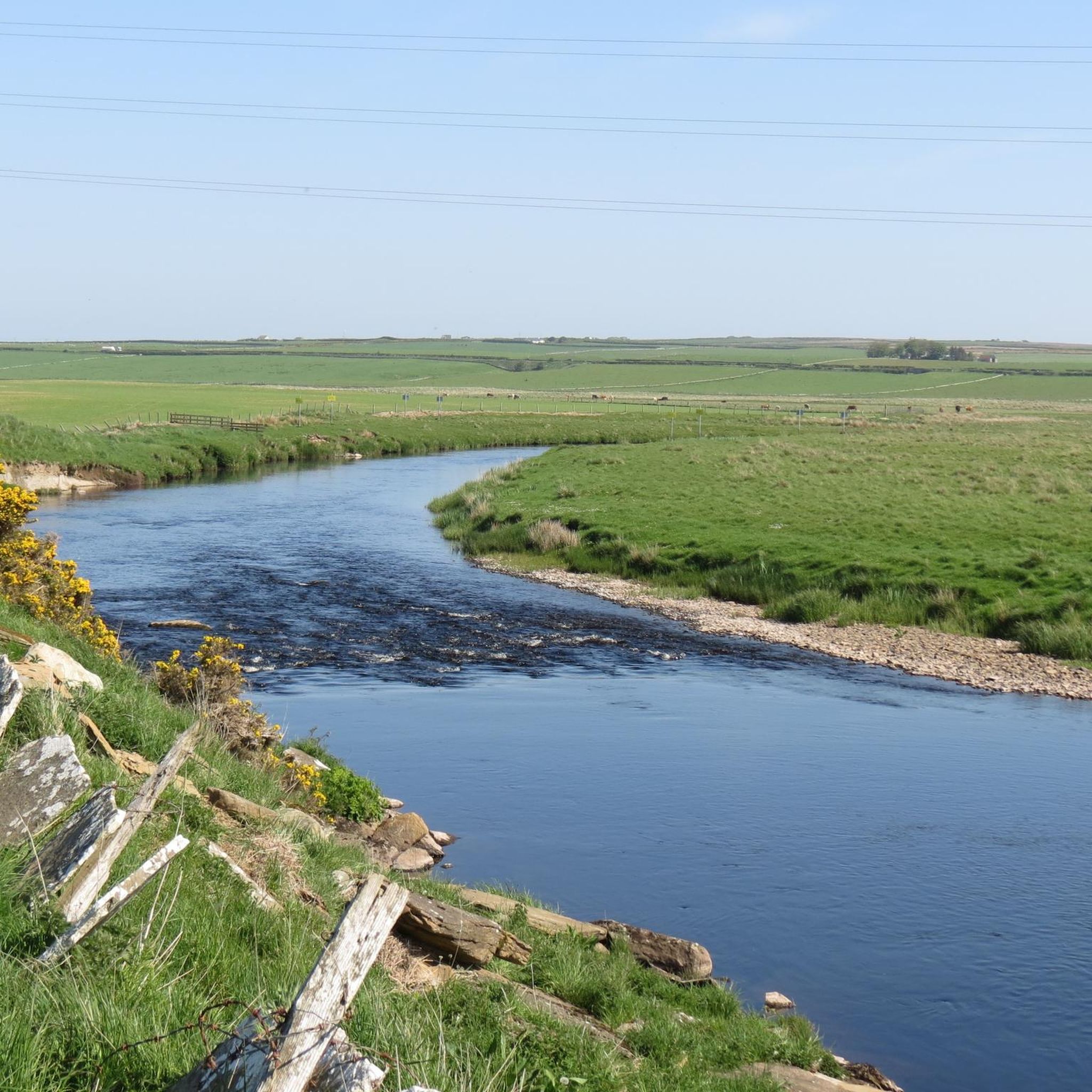
Forsinard Flows is a vast expanse of blanket bogs, one of the largest and most intact in Europe. These ecosystems are rare and essential to biodiversity, supporting a specific fauna and flora that depend on this wet and acidic habitat. Forsinard Flow offers panoramic views of wild and unspoilt landscapes, where vast expanses of bog meet hills and lakes. It is a true immersion in wild Scotland, far from the beaten track.
0
0

The River Thurso, which flows into the sea at one side of the beach, is a Site of Special Scientific Interest and the beach is popular with fossil hunters. This is Caithness' main town beach so the facilities, access and parking are all excellent. The beach itself is a mix of sand and rocks. The offshore reefs also make this a popular surfing location. (Manonabeach.com)
9
0
Sir George Sinclair, 2nd Baronet (28 August 1790 – 23 October 1868), was a Scottish politician and writer. He was Member of Parliament (MP) for the County of Caithness, which he represented on and off for many years. Sinclair was an active writer for the press and author of many pamphlets. His earliest work, Travels in Germany, in two volumes, describing his visits to the continent, was printed for private distribution. Only one copy is known. (Wikipedia)
8
0

Holborn Head features some amazing coastal scenery. The path passes an impressive sea stack known as the Clett, with an arch on the west side. Be aware that the path is on the outside of the fence passing along some high cliffs, at one point quite close to the edge. If vertigo isn't a problem for you, when looking down at times you can spot sea caves at the bottom.
1
0
Frequently Asked Questions
What natural features can I explore in Caithness West?
Caithness West boasts a variety of natural features. You can visit The Clett Sea Stack, an impressive sea stack with an arch, or enjoy the mix of sand and rocks at Thurso Beach, which is also popular for surfing and fossil hunting. The region is also home to dramatic coastal scenery, including the rugged peninsular landscapes of Dunnet Head, and the unique blanket bog ecosystem of The Flow Country.
Are there significant historical sites to visit in Caithness West?
Yes, Caithness West is rich in history. You can explore Holborn Head Lighthouse, a decommissioned lighthouse offering impressive coastal views. The area also features ancient sites like the Nybster Broch and the fascinating Achavanich Standing Stones. For a broader understanding of the region's past, the North Coast Visitor Centre in Thurso provides insights into local history and heritage.
Where can I find the best coastal walks around Caithness West?
For stunning coastal walks, the path around Holborn Head Lighthouse offers incredible views and leads to The Clett Sea Stack. The cliffs of Dunnet Head, the most northerly point of mainland Britain, are also excellent for rugged coastal exploration and seabird watching. You can find specific hiking routes, such as the 'Holbornhead Circular from Scrabster harbour', on the Hiking around Caithness West guide.
What family-friendly attractions are available in Caithness West?
Families will enjoy Thurso Beach, which offers a mix of sand and rocks, perfect for playing or fossil hunting. The North Coast Visitor Centre provides engaging exhibits suitable for all ages to learn about the region's history. Exploring the dramatic coastal scenery and looking for seabirds at places like Dunnet Head can also be a fun family outing.
What outdoor activities are popular in Caithness West?
Caithness West is ideal for outdoor enthusiasts. The wild waters are popular for surfing, paddleboarding, kayaking, and sailing. The region also offers numerous opportunities for hiking and cycling. You can explore various routes and trails, including those listed in the Hiking around Caithness West and Cycling around Caithness West guides.
Are there hiking trails near the attractions in Caithness West?
Yes, there are several hiking trails. For example, you can take the 'Holbornhead Circular from Scrabster harbour' or the 'Holborn Head Lighthouse – The Clett Sea Stack loop from Wolfburn Distillery' to experience the coastal scenery. For more options, including routes around Holborn Head Lighthouse and The Clett Sea Stack, consult the Hiking around Caithness West guide.
Can I find cycling routes around Caithness West?
Absolutely! Caithness West offers a variety of cycling routes. Popular options include the 'Scrabster, Forss Waterfall & Isauld loop from Thurso' and the 'Holborn Head Lighthouse – Scrabster Beach loop from Thurso'. For detailed information on these and other routes, check out the Cycling around Caithness West guide.
What is the best time of year to visit Caithness West for walking?
The best time for walking in Caithness West is generally during the warmer months, from late spring to early autumn (May to September), when the weather is milder and daylight hours are longer. This period is ideal for enjoying coastal walks and exploring natural features. However, the dramatic landscapes offer unique beauty in all seasons, provided you dress appropriately for the conditions.
Are there any wheelchair-accessible attractions in Caithness West?
Yes, some attractions in Caithness West offer wheelchair accessibility. The North Coast Visitor Centre is designed to be accessible, providing insights into local history. Additionally, the Sir George Sinclair Memorial Fountain is located in a central area that is generally accessible.
What kind of wildlife can I spot in Caithness West?
Caithness West is a fantastic destination for wildlife enthusiasts, especially birdwatchers. The cliffs of Dunnet Head are a haven for seabirds, and the Forsinard Flows Nature Reserve is particularly noted for its comprehensive collection of bird species. You might also spot various marine life along the dramatic coastline.
What do visitors enjoy most about the attractions in Caithness West?
Visitors frequently praise the dramatic coastal scenery and the sense of history found throughout Caithness West. The impressive views from Holborn Head Lighthouse and the unique formation of The Clett Sea Stack are often highlighted. Many also appreciate the peacefulness and natural beauty of Thurso Beach and the informative exhibits at the North Coast Visitor Centre.
Are there opportunities for running near the attractions?
Yes, there are several running trails available. You can enjoy routes like the 'Holbornhead loop from Scrabster harbour' or the 'Thurso Beach – Thurso War Memorial loop from Thurso'. These routes offer a great way to experience the local scenery while staying active. More running options can be found in the Running Trails around Caithness West guide.

Get inspired with the komoot mobile app


Explore more
Still not found the Highlight you’re looking for? See guides of the top attractions in other regions:
