The best running trails around Thornwood
4.8
(26)
1,423
runners
21
runs
Jogging routes around Thornwood often feature urban river paths and green spaces. The area is characterized by its proximity to the River Clyde and River Kelvin, offering flat to gently undulating terrain suitable for running. These routes frequently pass through established parks and along waterways, providing accessible options for various fitness levels.
Best jogging routes around Thornwood
- The most popular jogging route is The Clydeside Distillery – Clyde Walkway Cycle Path loop from Partick (Rail), a 6.4 miles (10.3…
Last updated: May 25, 2026
5.0
(20)
502
runners
10.3km
01:04
40m
40m
Moderate run. Good fitness required. Mostly paved surfaces. Suitable for all skill levels.
110
runners
11.3km
01:10
80m
80m
Moderate run. Good fitness required. Mostly paved surfaces. Suitable for all skill levels.

Sign up for free
4.0
(1)
94
runners
10.9km
01:08
60m
60m
Moderate run. Good fitness required. Mostly paved surfaces. Suitable for all skill levels.
88
runners
Moderate run. Good fitness required. Mostly paved surfaces. Suitable for all skill levels.
5.0
(2)
119
runners
7.86km
00:49
40m
40m
Moderate run. Good fitness required. Mostly paved surfaces. Suitable for all skill levels.
Get access to more routes and recommendations from other explorers.
Sign up for free
Already have an account?
Our route recommendations are based on thousands of hikes, rides, and runs completed by other people on komoot.
Start today with a free account
Your next adventure awaits.
Login or Signup

Other adventures around Thornwood

Tips from the Community

The Islay Inn is a traditional Scottish pub on Argyle Street in Glasgow, not far from Kelvingrove Park. It is considered a typical example of the city's vibrant pub culture, offering a mix of bar, restaurant, and meeting place for locals and visitors alike. The history of the site dates back to the 19th century, with the pub having had several names and concepts over time before acquiring its current character. Today, the Islay Inn is known for its Scottish cuisine, a wide selection of whisky, and regular live music that contributes to the authentic atmosphere.
0
0
The Kelvingrove Art Gallery and Museum in Glasgow opened in 1901 and is one of the most visited museums in Great Britain. The Spanish-Baroque style building is already a landmark. The collection comprises over 8,000 objects, including works of art by Rembrandt and Salvador Dalí, as well as natural history and historical exhibits. The painting "Christ of Saint John of the Cross" is particularly well-known. The museum combines art, history, and science and is today a central cultural attraction of the city.
0
0
The University of Glasgow is one of Great Britain's oldest and most renowned universities. It was founded in 1451 by a papal bull, making it the fourth-oldest university in the English-speaking world. Today, it is a public research university and a member of the Russell Group, an association of leading British universities. The institution has around 38,000–43,000 students from over 140 countries and comprises several colleges, for example for humanities, social sciences, and natural and life sciences. The main campus in Gilmorehill is characterized by neo-Gothic architecture and a distinctive tower. The university played an important role in the Scottish Enlightenment and produced prominent figures, including Adam Smith, James Watt, and Lord Kelvin. Today, it is regularly ranked among the top 100 universities worldwide and is known for its strong research and international focus.
0
0
The River Kelvin flows through Kelvingrove Park and significantly shapes its landscape. It originates north of Glasgow and flows into the River Clyde. In the park, it meanders in curves, accompanied by green spaces, paths, and bridges. The Kelvin contributes to the calm, natural atmosphere and provides a habitat for animals such as birds and fish. At the same time, it forms an important recreational area for visitors and connects nature with the urban environment of Glasgow.
0
0
The Stewart Memorial Fountain in Kelvingrove Park in Glasgow was erected in 1872 and commemorates Lord Provost Robert Stewart, who drove forward the city's modern water supply. The richly decorated fountain in Neo-Gothic style was designed by James Sellars and created with sculptures by John Mossman. It symbolizes Glasgow's successful supply of clean drinking water from Loch Katrine and thus an important advance for the health of the population. Today it is considered one of the most important monuments in the park.
0
0

The Clyde Arc is a road bridge spanning the River Clyde in Glasgow, connecting the Finnieston area with Pacific Quay.
0
0
The views of the River Clyde shows the Finnieston Crane and the Clyde Arc Bridge
0
0
It was constructed in 1931 and began operation in 1932 to lift heavy machinery, such as steam locomotives and tanks, onto ships for export.
0
0
Frequently Asked Questions
How many jogging routes are available around Thornwood?
There are over 20 running routes around Thornwood, offering a variety of options for different fitness levels. Most of these are considered moderate, with a few easier paths available.
What kind of terrain can I expect on Thornwood's running routes?
Jogging routes around Thornwood primarily feature urban river paths and green spaces. The terrain is generally flat to gently undulating, making it suitable for various running styles. You'll often find yourself along the River Clyde and River Kelvin.
Are there any circular running routes in the Thornwood area?
Yes, many of the routes around Thornwood are circular, providing convenient starting and ending points. For example, the The Clydeside Distillery – Clyde Walkway Cycle Path loop from Partick (Rail) and the River Kelvin – Stewart Memorial Fountain loop from Partick are popular circular options.
What are some notable landmarks or attractions I might see while jogging near Thornwood?
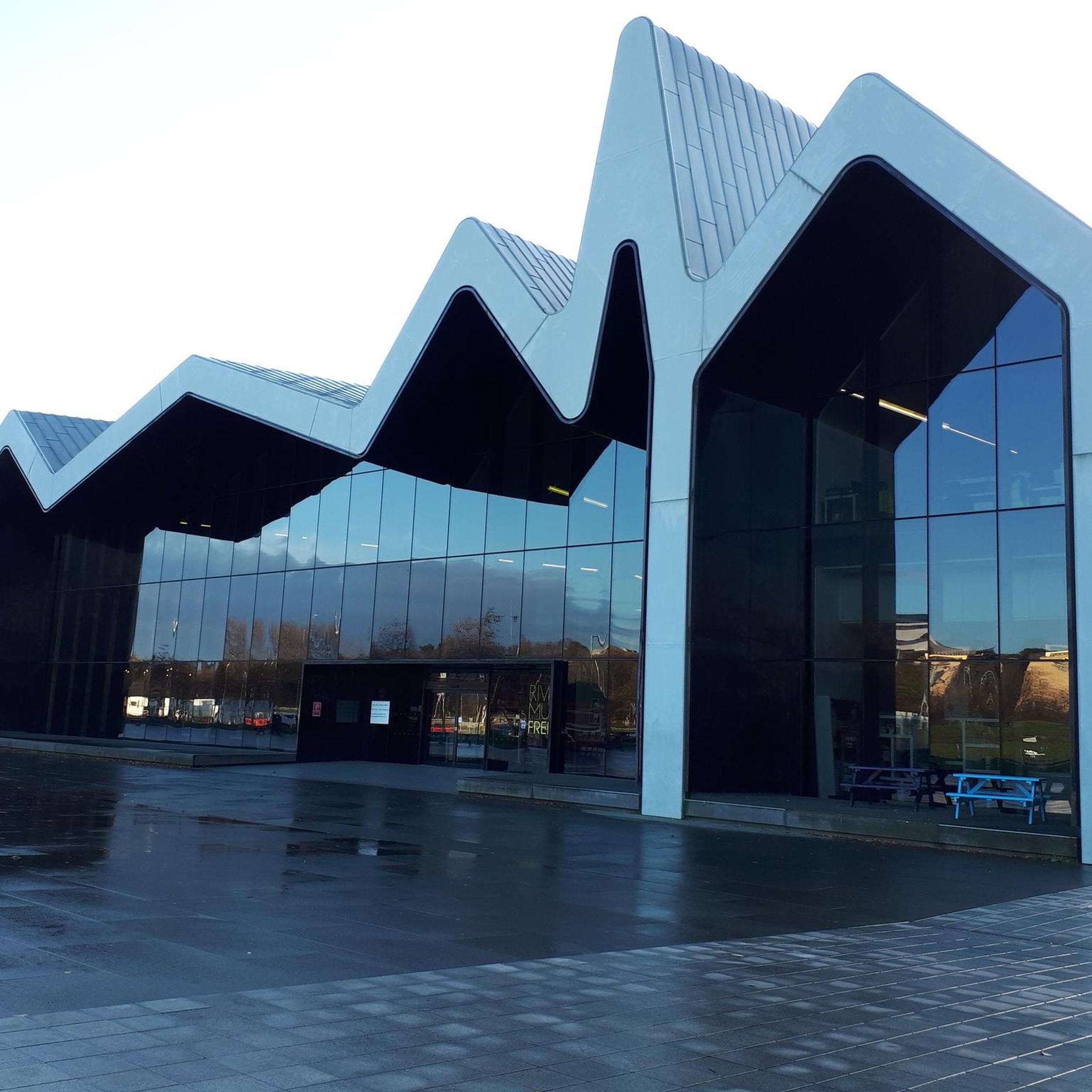
You can enjoy various sights along the routes. The Riverside Museum – Bell's Bridge loop from Partick (Subway) passes by the modern architecture of the Riverside Museum. Other routes might take you near the Forth and Clyde Canal Towpath, Glasgow Green, or the George Square.
Are there any running routes that pass by waterfalls?
While not directly on the main river paths, the wider Thornwood area does have natural features like waterfalls. You might find routes that can be extended or detoured to include sights such as Craigie Linn Waterfall or Linn Park Waterfall, though these may require a short journey from the immediate Thornwood routes.
What do other runners say about the routes in Thornwood?
The running routes in Thornwood are highly rated by the komoot community, with an average score of 4.8 stars from over 25 reviews. Runners often praise the accessible river paths, urban green spaces, and the variety of options for different ability levels.
Are the running trails around Thornwood suitable for families?
Many of the routes, especially those along the River Clyde and River Kelvin, are relatively flat and pass through parks, making them suitable for family jogs. The accessible nature of these paths means they can be enjoyed by a wide range of ages and fitness levels.
Can I access Thornwood's running routes using public transport?
Yes, many routes are easily accessible via public transport. For instance, routes like the Kelvin Aqueduct – River Kelvin loop from Partick (Rail) start near Partick train and subway stations, providing convenient access.
Are there any easy running routes for beginners in Thornwood?
While most routes are moderate, there are easier options available. The general characteristic of flat river paths and urban green spaces means many sections are suitable for beginners looking for a gentle jog. Look for routes with minimal elevation gain.
What is the best time of year to go jogging in Thornwood?
Thornwood's running routes are generally accessible year-round. Spring and autumn offer pleasant temperatures and scenic views as the foliage changes. Summer is also popular, while winter runs can be invigorating, though paths might be damp. Always check local weather conditions.
Are there any long-distance running options in the Thornwood area?
Yes, you can find longer routes by combining sections of the river paths. For example, the River Kelvin – Stewart Memorial Fountain loop from Partick is over 11 km, and the extensive network along the Clyde and Kelvin rivers allows for extended runs.
Are there any viewpoints or scenic spots along the running routes?
Many routes offer scenic views, particularly along the rivers. The Glasgow Necropolis, while not directly on a running path, is a notable viewpoint in the wider area, offering panoramic city views that could be incorporated into a longer run or visited separately.
Most popular routes around Thornwood
Most popular attractions around Thornwood

Get inspired with the komoot mobile app


Explore more
Browse the best Running Trails & Routes in other regions.
