Attractions and Places To See around North Kelvin - Top 20
Best attractions and places to see around North Kelvin, a vibrant neighborhood in Glasgow's West End, offer a blend of natural beauty, historical landmarks, and cultural sites. The area is characterized by its green spaces like the Botanic Gardens and the River Kelvin, alongside notable architecture such as the Sixty Steps and various churches. Visitors can explore a variety of points of interest, from community gardens to independent shops. This guide provides an overview of the top places to visit…
Last updated: October 5, 2026
George Square
Highlight • Monument
Tip by

Forth and Clyde Canal Towpath
Highlight • Cycleway
Tip by

Sign up now to discover places like this
Get recommendations on the best single tracks, peaks, & plenty of other exciting outdoor places.
West Highland Way Starting Obelisk (Milngavie)
Highlight • Monument
Tip by

Duke of Wellington Statue, Glasgow
Highlight • Historical Site
Translated by Google •
Tip by

Mugdock Castle
Highlight • Castle
Tip by

Sign up for free to discover even more attractions around North Kelvin.
Already have an account?
Start today with a free account
Your next adventure awaits.
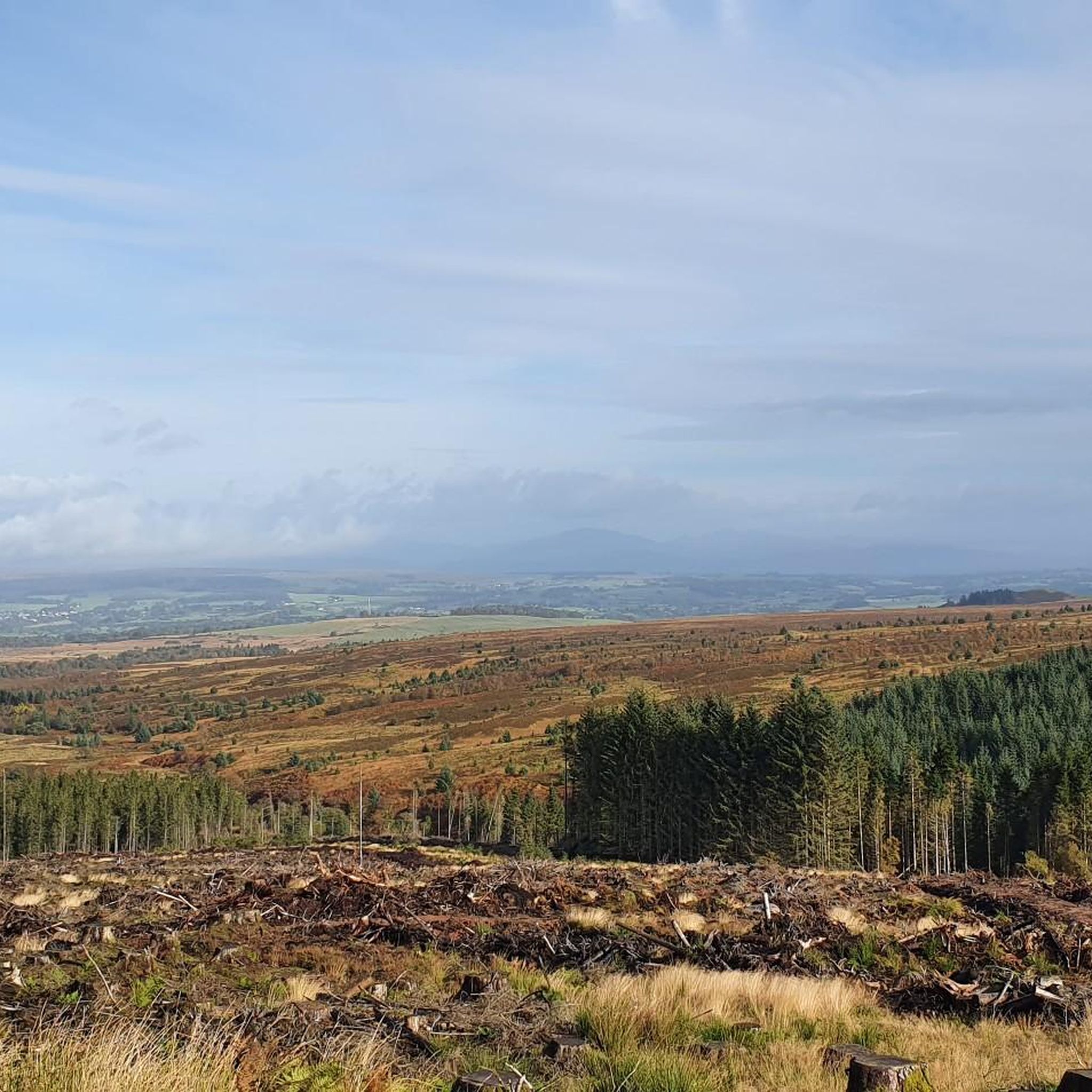
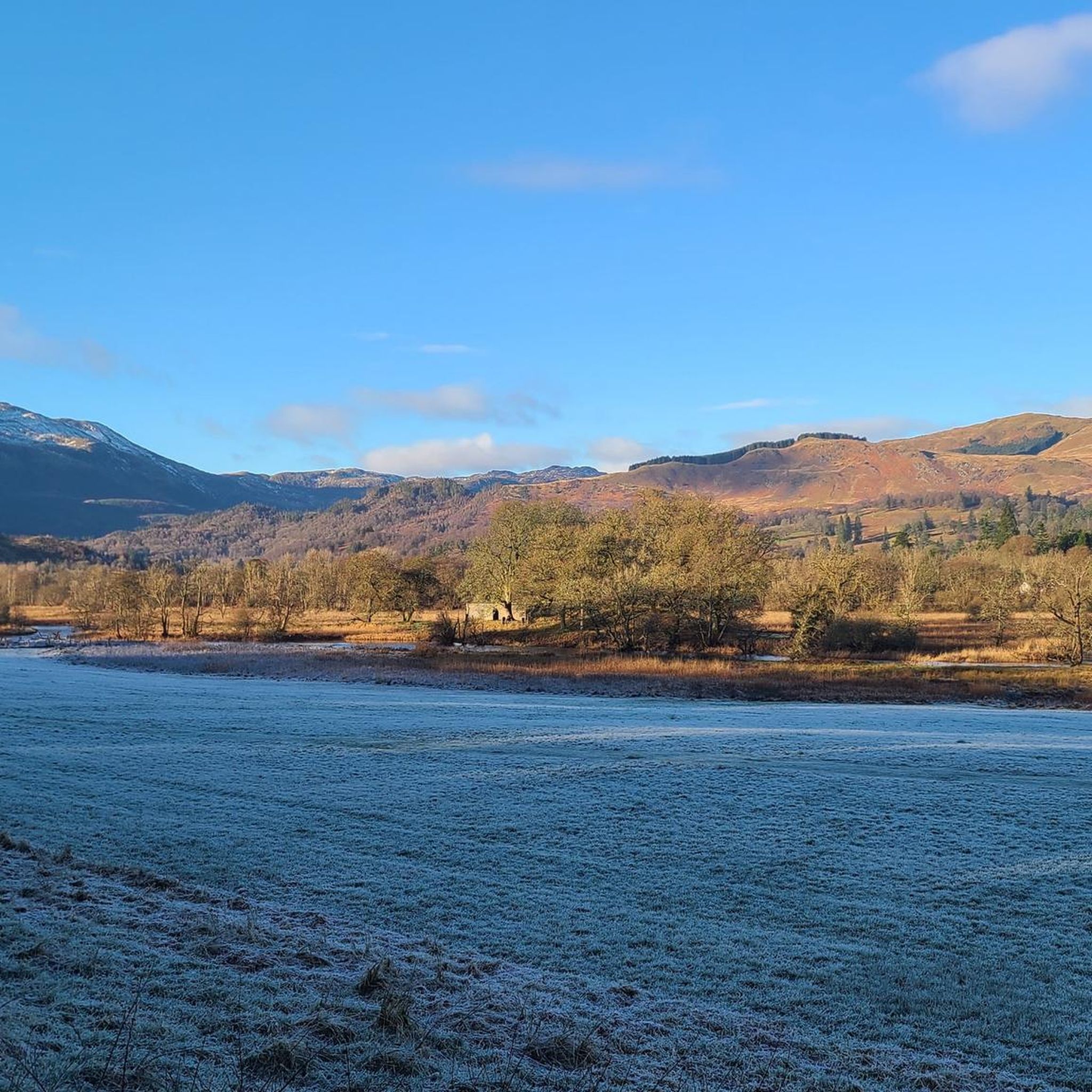
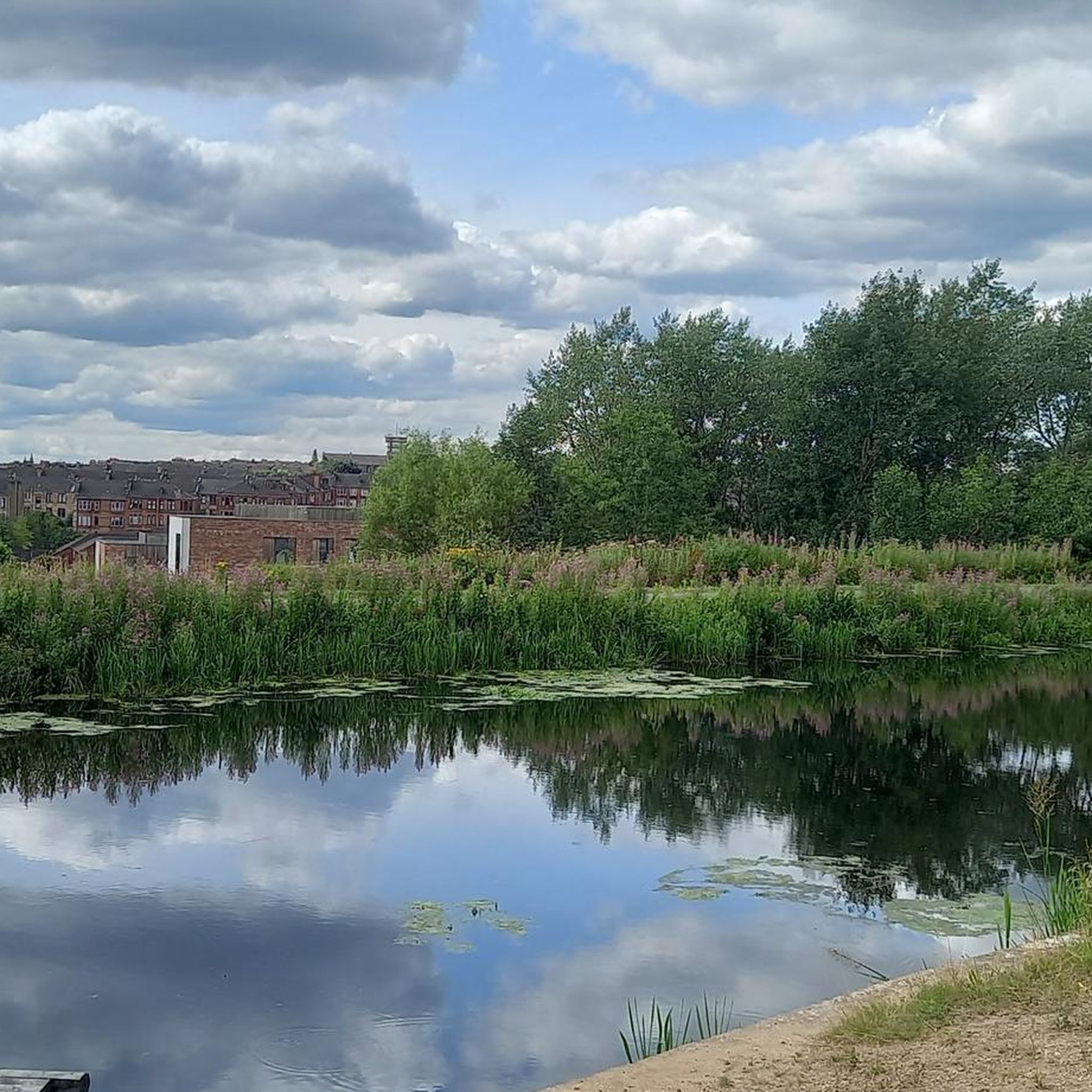

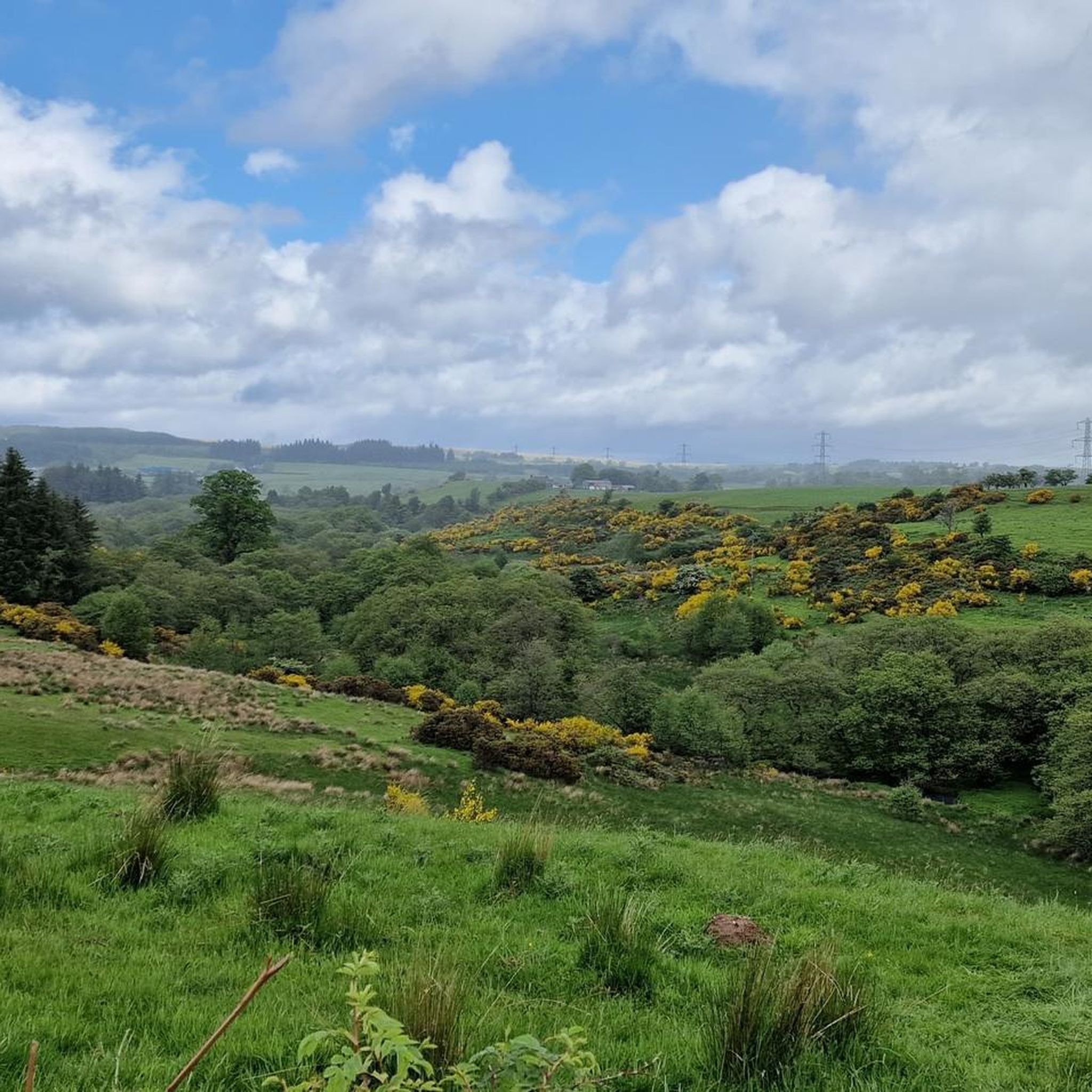
Tips from the Community

Above all, the path through Mugdock-Forest is worth it.
2
0

The original Castle on this site was built in the 13th century by the Graham family. The Grahams were a family on the rise and the family were made the Earls of Montrose in 1505. The most famous Graham resident of Mugdock Castle was James Graham (1612-1650) known as The Great Montrose. He was a poet and soldier who fought for the cause of King Charles I during the Wars of The Three Kingdoms (more commonly referred to as The English Civil Wars) and was marked as one of the greatest soldiers of the time. So great was his military fame that King Louis XIV offered him the role as Marshal of France. His success ultimately ran out in 1650 with the loss of The Battle of Carbisdale in Rosshire. Montrose was betrayed by a fellow Scotsman and was ultimately Hung, Drawn and Quartered for his part in the war. His campaigns were immortalised by Sir Walter Scott in his 1819 novel A Legend of Montrose.
2
0

Glasgow Art Museum, which was added to the highest category of the Scottish heritage list in 1966.
3
0

The start of the West Highland Way is very urban, and the first section will feel more like a country park. Good paths and signs will lead you out of the town towards Loch Lomond.
4
1

A nice starting point for the West Highland Way. There is a lot to look at and to read. A photo with the obelisk is probably a must. 😊
9
1


Frequently Asked Questions
What natural attractions and green spaces can I explore in North Kelvin?
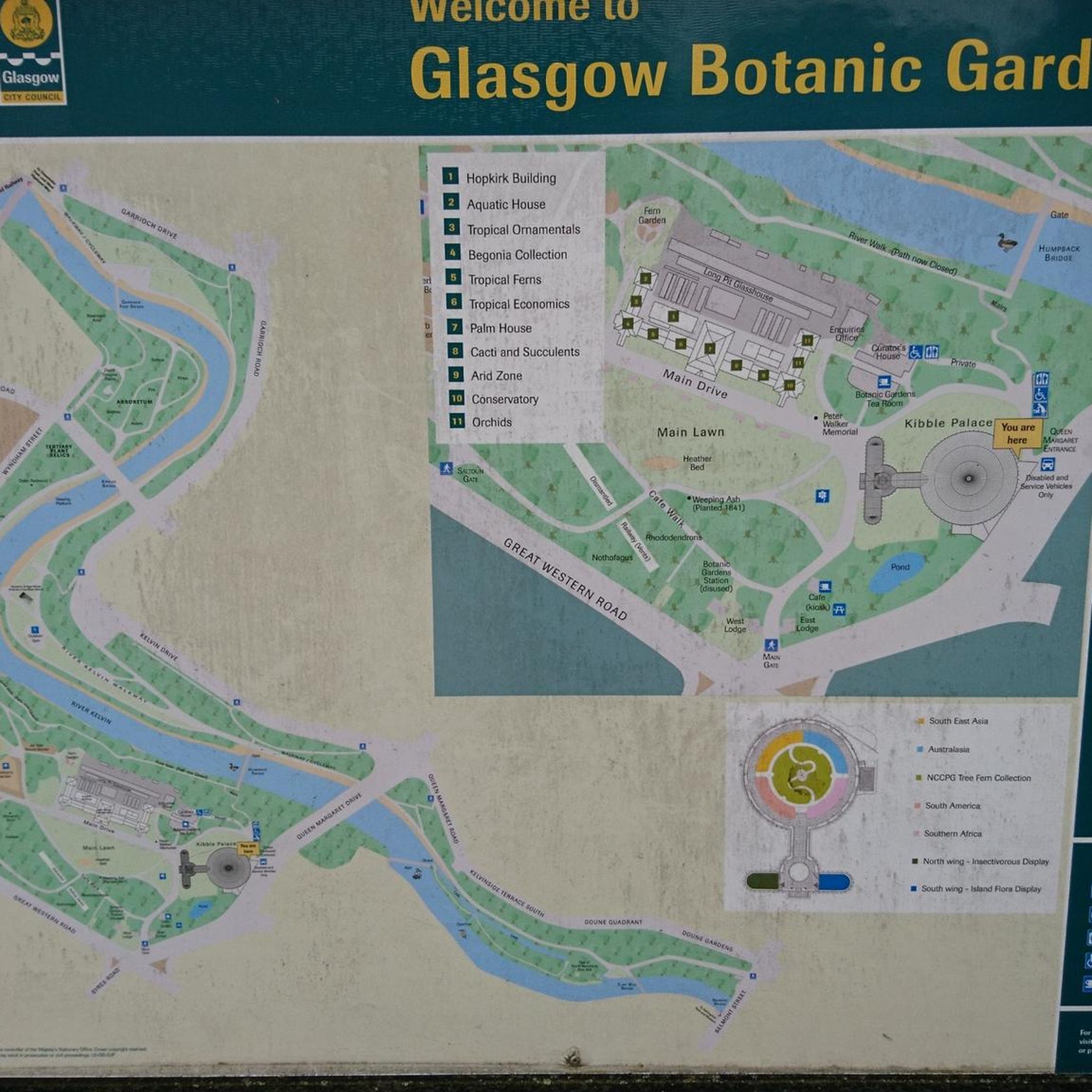
North Kelvin boasts several beautiful natural attractions. The Forth and Clyde Canal Towpath offers scenic views and walking opportunities. You can also visit the Glasgow Botanic Gardens, known for its diverse plant collections and the historic Kibble Palace. The North Kelvin Meadow and Children's Wood provide a re-wilded community green space, while the River Kelvin and its accompanying Kelvin Walkway offer pleasant riverside strolls.
Are there any historical landmarks or notable architecture to see in North Kelvin?
Yes, North Kelvin is rich in historical and architectural sites. You can find the distinctive Sixty Steps, designed by Alexander 'Greek' Thomson. The area also features several churches of architectural interest, including the Kelvin Stevenson Memorial Church and the Modernist-style St. Charles Parish Church. The Mackintosh Church at Queen's Cross, designed by Charles Rennie Mackintosh, is also nearby.
What are some family-friendly attractions in North Kelvin?
For families, the Glasgow Botanic Gardens offer a wonderful experience with their extensive plant collections and glasshouses. The North Kelvin Meadow and Children's Wood are also great for outdoor exploration and community events. The Forth and Clyde Canal Towpath is suitable for family walks and cycling, and Mugdock Castle and its country park are free to enter and offer historical exploration for all ages.
Where can I find unique shops and cafes in North Kelvin?
Queen Margaret Drive is a hub for independent shops and cafes, offering a variety of options for brunch, lunch, and afternoon tea. There's also a row of small independent shops and cafes within North Kelvinside itself. For unique spirits and craft beers, The Hidden Dram is a notable establishment.
What outdoor activities can I do near North Kelvin attractions?
North Kelvin is well-suited for outdoor activities. You can enjoy cycling along the Forth and Clyde Canal Towpath, which offers good straights and scenic views. There are also various cycling routes, including touring and gravel biking options, that explore the wider area. For more detailed routes, you can check out the Cycling around North Kelvin guide or the Gravel biking around North Kelvin guide.
Are there any good walking routes in North Kelvin?
Yes, the Kelvin Walkway runs along the River Kelvin, connecting Kelvingrove Park and the Botanic Gardens, offering a pleasant walking experience. The Forth and Clyde Canal Towpath is also excellent for walks, with sections that are easy to navigate. The North Kelvin Meadow and Children's Wood provide a tranquil setting for a stroll amidst re-wilded nature.
What is the significance of George Square in Glasgow?
George Square is Glasgow's principal civic square, laid out in 1781 and named after King George III. It is surrounded by important buildings like the Municipal Chambers and features many significant statues, including those dedicated to Robert Burns, James Watt, and Sir Walter Scott. It's a central point for city life and a starting point for many tours.
Can I visit Mugdock Castle, and is there an entrance fee?
Mugdock Castle stands on a rocky promontory and offers historical significance. It is free to enter, and there is also free parking available. For current opening times and more information, you can visit the official website: mugdock-country-park.org.uk.
What is the best way to get around North Kelvin attractions?
North Kelvin is a walkable area, especially for exploring the Botanic Gardens, North Kelvin Meadow, and the Kelvin Walkway. Public transport options are available to reach the neighborhood, and many attractions are accessible by bus. For longer distances or exploring the canal paths, cycling is a popular choice.
Are there any unique cultural points of interest in North Kelvin?
Beyond its natural beauty and architecture, North Kelvin has some unique cultural spots. The area was home to the former BBC Scotland Headquarters on Queen Margaret Drive. There's also a historic pub in North Kelvinside that was a filming location for the movie *Trainspotting*, adding a touch of cinematic history to the neighborhood.
What kind of residential architecture can I see in North Kelvin?
North Kelvinside is known for its attractive residential architecture, reflecting its development from the mid-to-late nineteenth century and early 20th century. You can observe beautiful blonde sandstone tenements on Clouston Street and distinctive red sandstone variations on Garrioch Road, showcasing the area's rich architectural heritage.
Is the Forth and Clyde Canal Towpath suitable for cycling?
Yes, the Forth and Clyde Canal Towpath is a popular cycle way, known for its good straights and class scenery. While some sections may have roots growing under the tarmac, it generally offers a pleasant cycling experience with lovely views and places to eat along the route.
Most popular routes around North Kelvin
Most popular attractions around North Kelvin

Get inspired with the komoot mobile app


Explore more
Still not found the Highlight you’re looking for? See guides of the top attractions in other regions:
