Top 6 Castles around North Glenrothes
Best castles around North Glenrothes are found in the broader Glenrothes area and the surrounding region of Fife, offering a rich historical landscape. This area of Scotland is characterized by its varied terrain, from coastal locations to inland hills, providing diverse settings for historical sites. The region's history is deeply intertwined with Scottish royalty and medieval conflicts, reflected in its numerous castles. Visitors can explore a range of architectural styles and historical periods within a short distance of North Glenrothes.
…Last updated: July 2, 2026
MacDuff's Castle
Highlight • Castle
Tip by

Falkland Palace
Highlight • Historical Site
Inspired by the grand châteaux of France, in the 16th century James …
Tip by

Sign up now to discover places like this
Get recommendations on the best single tracks, peaks, & plenty of other exciting outdoor places.
Sign up for free
Torbain Tower
Highlight • Historical Site
Tip by

Ravenscraig Park
Highlight (Segment) • Historical Site
Tip by

Start today with a free account
Your next adventure awaits.
Login or Signup
Tips from the Community


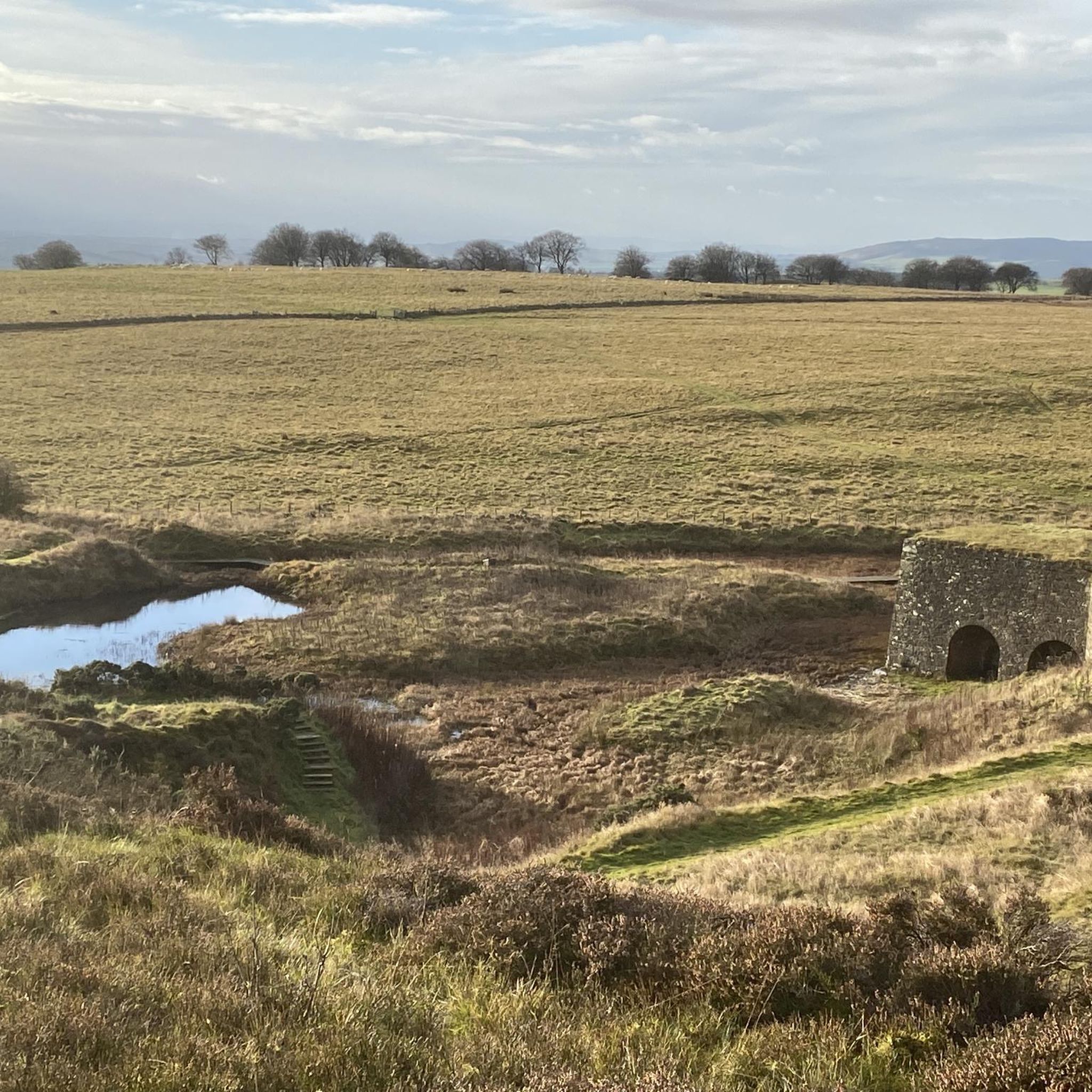
A well preserved tower which must have been a castle exists along Torbain Road. Prominent, you can not miss it when passing by.
0
0

In 1929, 85 acres (34 ha) of the estate, including the castle, was given to the town of Kirkcaldy by the Nairn family as a public park. Ravenscraig Castle was passed into state care in 1955 and has been open to the public by the owners Historic Scotland since 1971.
0
0

Stopped here for soup at Campbells Cafe which was great. The Royal Palace (16 century) is impressive too.
0
0

Falkland Palace is a beautiful renaissance palace that boasts one of the oldest tennis courts in Britain. Managed by the National Trust for Scotland, the palace is set amongst lovely gardens. Although the building is a shell of its former glory, it's easy to see how opulent the renaissance architecture would once have been. Entrance costs £5 for adults and £4 for concessions. For more information, see: https://www.nts.org.uk/visit/places/falkland-palace
0
0

Falkland Palace & Garden provides a unique opportunity to explore a royal ‘pleasure palace’ with a Victorian twist. Inspired by the grand châteaux of France, in the 16th century James IV and his son, James V, transformed this favoured retreat of the royal Stuarts – the palace became one of the finest examples of Renaissance architecture in Scotland. One of Falkland’s most famous royal residents – Mary, Queen of Scots – was enchanted with the palace, and took advantage of Falkland’s vast estate to pursue falconry and hunting, while also enjoying a game of tennis in what is now the oldest surviving real (or royal) tennis court in the world. Today, visitors can wander through our historic orchard, complete with a living willow labyrinth, and marvel at the beauty of our formal gardens designed by Percy Cane. Although it fell into disrepair after 1660, Falkland Palace was saved from ruin in the 19th century by the 3rd Marquess of Bute. Innovative and passionate, Bute gave the palace a new lease of life. Intricate wood panelling, impressive painted ceilings and beautifully carved furniture provide a visually stunning insight into Bute’s artistic vision, showcasing his respect for the palace’s Renaissance roots. Source: https://www.nts.org.uk/visit/places/falkland-palace
1
0

MacDuff's Castle was originally built in the 11th century. However, nothing survives from this period and the ruins you see today are from the 14th and 15th centuries. You can explore the castle for free, at your leisure, as there is no tourist infrastructure. Be warned, though, the castle is said to be haunted by the grey lady, who has also been sighted around the caves below. Locals say it is the ghost of Mary Sibbald, who was found guilty of theft and died in the castle.
1
0

MacDuff's Castle was originally a late 13th century stone courtyard fortress, founded by Michael Wemyss. The site is traditionally associated with Macduff, Thane of Fife but in 1306, King Edward I ordered the Earl of Pembroke to burn the castle. Rebuild in the mid 14th century, Sir John Wemyss added the north-western gatehouse to the quadrangular court. From 1530 the Colvilles remodelled the castle, blocking the old gateway they built the south-western four storey tower, with a new gatehouse range in-between. In the late 16th or early 17th century, an outer court encased by a wall with angle turrets and pierced with gun-ports was created on the three landward sides. Allowed to decay from the late 17th century, only the south-west tower, the west wall and its southern angle tower of the outer court remain. The rest of the castle buildings are extremely ruinous and lie buried under mounds of rubble or vegetation. 2 miles south-west is Wemyss Castle and 3 miles north at Kennoway is Maiden Castle.
0
0
Frequently Asked Questions
What are some of the most popular castles to visit near North Glenrothes?
While North Glenrothes itself doesn't have castles directly within its immediate boundaries, the broader region of Fife offers several notable options. MacDuff's Castle is a popular choice for its atmospheric ruins, while Falkland Palace is highly regarded as a royal pleasure palace with beautiful gardens.
Are there any family-friendly castles in the area?
Yes, Falkland Palace is categorized as family-friendly, offering beautiful gardens and a historic real tennis court that can be engaging for all ages. Ravenscraig Park, which includes Ravenscraig Castle, is also family-friendly and provides green space alongside historical interest.
Which castles offer a glimpse into Scottish royal history?
Falkland Palace was a favored retreat of the Stuart monarchs, including Mary, Queen of Scots, and showcases magnificent Renaissance architecture. Lochleven Castle, located on an island in Loch Leven, is famously known as the prison of Mary, Queen of Scots, offering a compelling historical experience.
Can I explore any ruined or atmospheric castles?
Absolutely. MacDuff's Castle near East Wemyss offers freely accessible ruins from the 14th and 15th centuries, providing a raw and atmospheric experience. Balgonie Castle also features a well-preserved 14th-century keep alongside roofless ruins, giving a sense of its medieval past.
What kind of architecture can I expect to see at these castles?
The castles near North Glenrothes showcase a range of architectural styles. Falkland Palace is a prime example of Scottish Renaissance architecture, inspired by French châteaux. Balgonie Castle features a robust 14th-century keep with additions up to the 18th century, reflecting medieval Scottish design. MacDuff's Castle presents the ruins of a 14th and 15th-century stone courtyard fortress.
Are there opportunities for outdoor activities near these castles?
Yes, the region offers various outdoor activities. You can find numerous running, hiking, and gravel biking routes. For example, there are running trails like the 'Rural Path Near Glenrothes loop from Leslie' and hiking routes such as the 'Balbirnie House Hotel – Balbirnie Stone Circle loop from Markinch'. For gravel biking, consider routes like 'Harperleas Reservoir loop from Falkland Palace'. You can find more details on these and other routes in the Running Trails around North Glenrothes, Hiking around North Glenrothes, and Gravel biking around North Glenrothes guides.
Are there hiking trails around the castles?
Yes, many castles are situated in areas with walking and hiking opportunities. For instance, trails around East Lomond and Balbirnie Stone Circle are accessible from Glenrothes, offering scenic walks. While not directly adjacent to every castle, these routes provide excellent ways to explore the natural landscape surrounding the historical sites. Check the Hiking around North Glenrothes guide for specific routes.
What are the parking facilities like at these castles?
Parking facilities vary by castle. Larger, more established sites like Falkland Palace typically have dedicated parking areas. For more remote or ruined sites like MacDuff's Castle, parking might be less formal, often roadside or in nearby village areas. It's advisable to check specific visitor information for each castle before your visit.
How long should I plan for a visit to these castles?
The duration of a visit depends on the castle and your interest. For extensive sites like Falkland Palace with its interiors and gardens, you might spend 2-3 hours. Smaller ruins like MacDuff's Castle can be explored in 30 minutes to an hour. Lochleven Castle also requires time for the boat trip to the island.
Are there any castles associated with ghost stories or local folklore?
Yes, some castles in the area are steeped in local legends. Balgonie Castle is associated with ghost stories, including that of a 'green lady'. MacDuff's Castle is also said to be haunted by a 'grey lady', adding an eerie, atmospheric element to its ruins.
What is the best time of year to visit castles near North Glenrothes?
The spring and summer months (April to September) generally offer the most pleasant weather for exploring castles and their grounds, with longer daylight hours. However, visiting in autumn can provide beautiful scenery with changing foliage. Some castles may have reduced opening hours or closures in winter, so it's always best to check ahead.
Are there any lesser-known or 'hidden gem' castles worth visiting?
While not as widely known as some others, Torbain Tower is a well-preserved tower that stands prominently along Torbain Road. It offers a glimpse into historical architecture that might be missed by those focusing only on larger, more famous sites.
What do visitors enjoy most about the castles around North Glenrothes?
Visitors appreciate the rich historical context and diverse architectural styles. The community has highlighted the raw, atmospheric experience of ruins like MacDuff's Castle and the opulent Renaissance design of Falkland Palace. The blend of history with beautiful natural settings and opportunities for outdoor activities also contributes to their appeal.
Most popular routes around North Glenrothes
Most popular attractions around North Glenrothes

Get inspired with the komoot mobile app


Explore more
Looking for the best castles somewhere else? Discover other guides around North Glenrothes:
