Top 8 Castles around Lower Braes
Best castles around Lower Braes offer historical insights within a landscape featuring significant landmarks. The area is characterized by its historical sites, including sections of the Antonine Wall World Heritage Site. Visitors can explore various castles set within parks and historic villages. This region provides opportunities to combine historical exploration with outdoor activities.
Best castles around Lower Braes
- The most popular castles is Callendar House, a castle that dates from the 14th century and is set within Callendar Park,…
Last updated: July 2, 2026
Callendar House
Highlight • Castle
Callendar House dates from the 14th century. It is set in the nationally-important …
Tip by

Linlithgow Palace
Highlight • Castle
Tip by

Sign up now to discover places like this
Get recommendations on the best single tracks, peaks, & plenty of other exciting outdoor places.
Sign up for free
Old Tulliallan Castle Ruins
Highlight • Castle
Tip by
Culross Palace and the Historic Village
Highlight • Historical Site
Explore the beautiful refurbished palace with …
Tip by
Bessie Bar Steps
Highlight • Trail
Tip by
Sign up for free to discover even more castles around Lower Braes.
Sign up for free
Already have an account?
Start today with a free account
Your next adventure awaits.
Login or Signup
Tips from the Community

Impressive well preserved building and interior. Beautiful terraced garden
0
0

Parking is available near the Palace. The idyllic town offers enough opportunities for a stop after the visit.
1
0

Linlithgow Palace lies roofless and ruined but you can see how it was once an amazing royal palace. Work began to build the palace in 1424 when James 1st ordered a pleasure palace to replace the fire damaged older residence. The Royals used it as a rest stop and nursery as they travelled between Edinburgh and Stirling. It didn't last long though once the royals moved to London in 1603 it fell into disrepair and was finished by a huge fire in 1746. Today the site is managed by Historic Scotland. You can visit some of the castle and have a look around. The run around the loch gives great views from all angles.
0
0

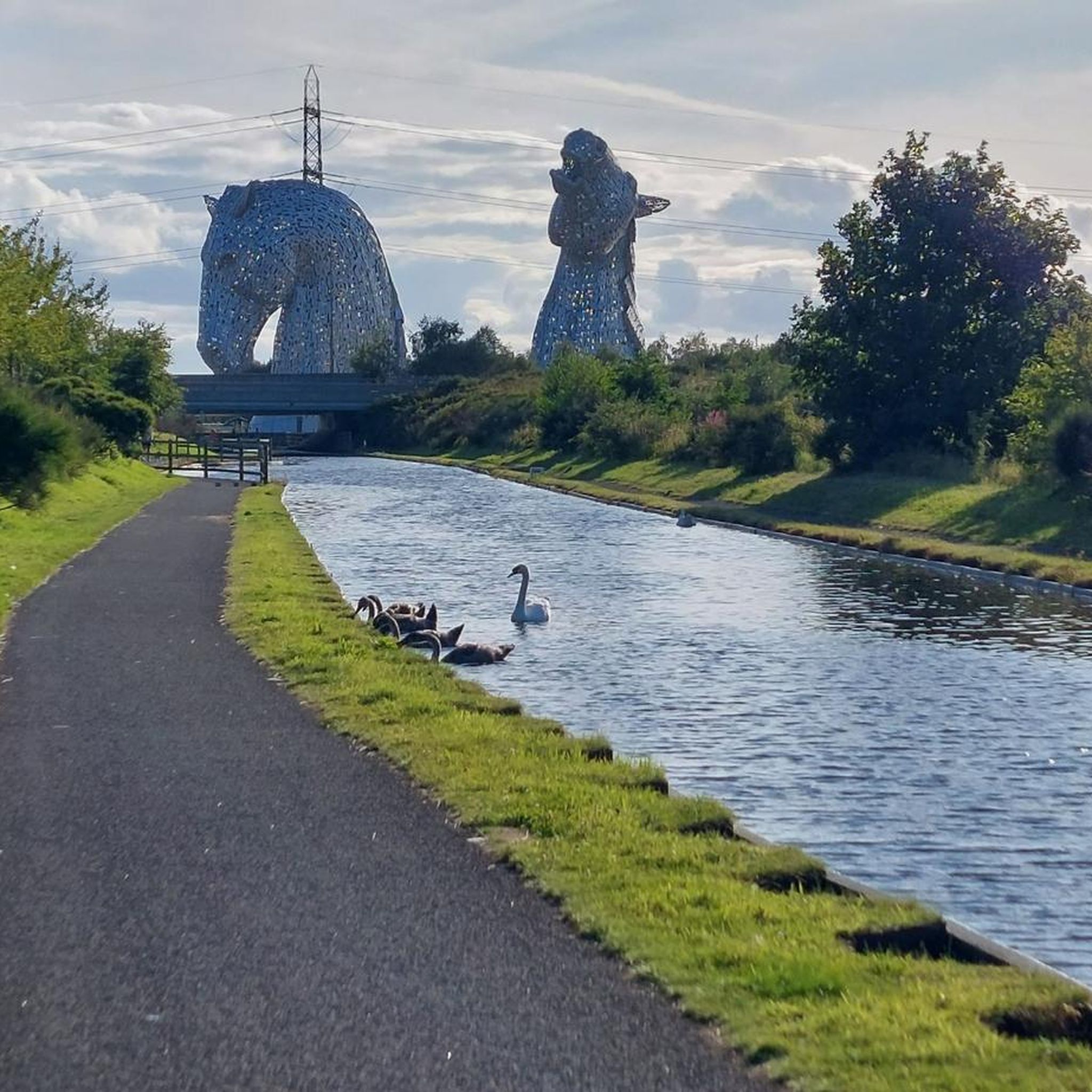
As well as going in and seeing the house, there is plenty to do within the grounds. Cafe, woodland walks, and a section of the Antonine wall. Free but limited parking, and children’s play area. There’s also a lot of wildlife, and longer walks to the kelpies or Falkirk wheel are possible.
2
0

I can't say how things are now, but in the summer of 2006 it was more or less a ruin that was being worked on. Still it was worth seeing.
2
0

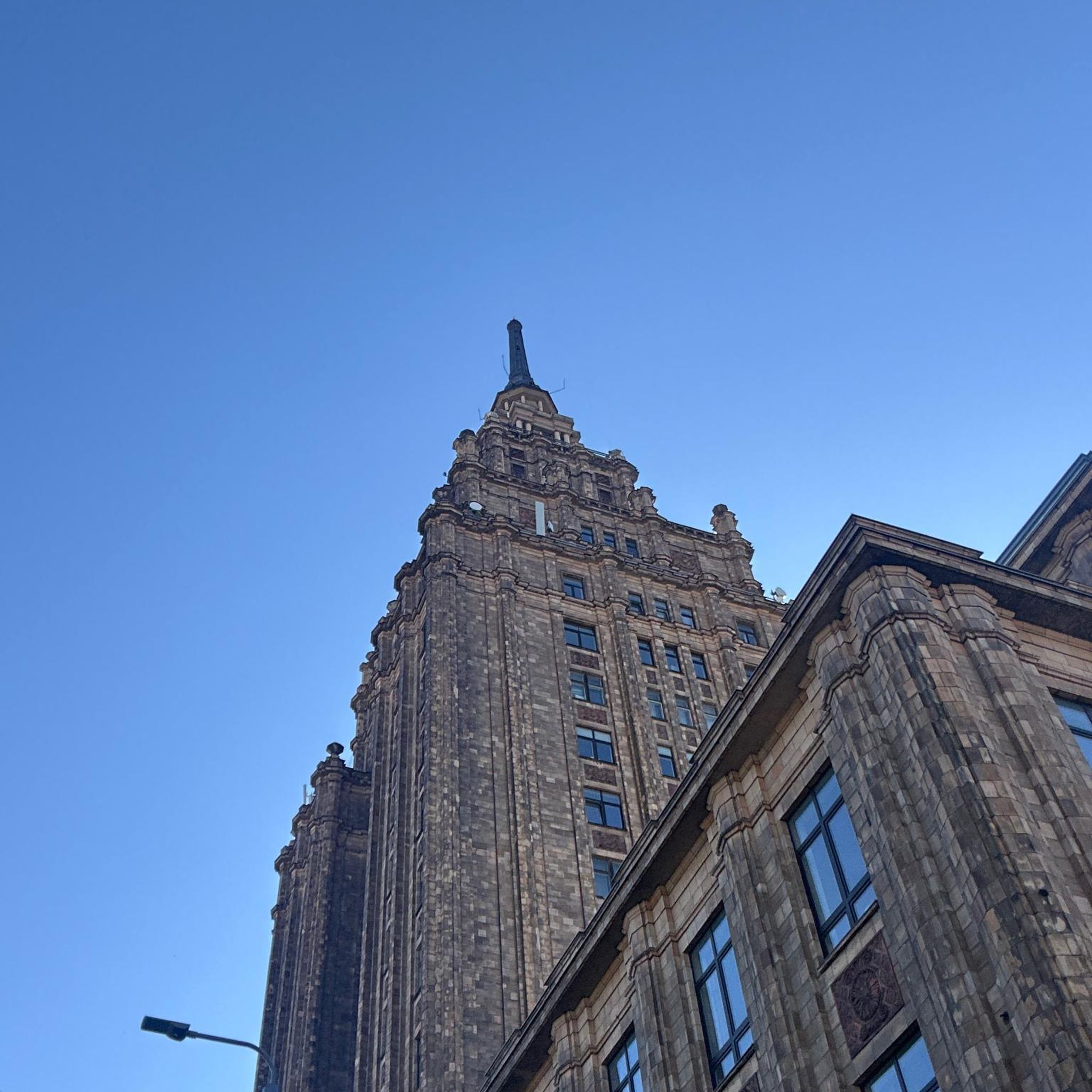
Linlithgow Palace was built from 1424 and is best known as the birthplace of Mary Queen of Scots (8 December 1542 - 8 February 1587). The palace fell into decline when James VI moved the royal court to London in 1603, following his coronation as James I of England.
3
0
Callendar House is a French chateau style stately home that was built in the 14th century. Set amid the beautiful grounds of Callendar Park, the estate has hosted many great historical figures over the centuries, including: Mary Queen of Scots, Oliver Cromwell and Bonnie Prince Charlie.
4
1
Culross Palace is a former merchant’s home that was constructed between 1597 and 1611 by Sir George Bruce, the Laird of Carnock. Whilst it might not be a palace in the Royal sense of the word, this well-preserved gentleman’s house and gardens is a very interesting place to explore. You get some lovely views over the red-tiled roofs and steep cobbled streets of Culross, too.
1
1
Frequently Asked Questions
What historical insights can I gain from visiting castles in Lower Braes?
The castles in Lower Braes offer a deep dive into history. Callendar House, dating from the 14th century, features permanent displays on local history, including the Antonine Wall and the region's industrial transformation. You can also explore the 1825 Kitchen with costumed interpreters. Linlithgow Palace is renowned as the birthplace of Mary Queen of Scots, offering a glimpse into royal history before it became a ruin. For older structures, Old Tulliallan Castle Ruins represents a 14th-century hall-house with a rich past of reconstructions and ownership changes.
Are there family-friendly castles to visit in the Lower Braes area?
Yes, several castles are great for families. Callendar House is free to enter and offers interactive experiences in its 1825 Kitchen, plus it's located within Callendar Park which has a children's play area. Linlithgow Palace, though a ruin, is largely walkable from basement to towers, offering an engaging exploration for all ages. The historic village of Culross Palace and the Historic Village provides a fascinating step back in time with its well-preserved buildings and gardens.
What outdoor activities can I do near these castles?
The Lower Braes region offers various outdoor activities near its historical sites. For hiking, you can explore routes like the 'Forbes Mausoleum – Callendar House loop from Falkirk' or 'Union Canal Mile Marker 202 loop from Polmont'. There are also easy hikes such as 'The Kelpies – Wooden Pathway at The Helix loop from Falkirk' and 'Vintage Red Lamppost – Callendar Park Lake loop from Falkirk'. Running enthusiasts can find trails like the 'Enchanted Forest Mini Golf – Vintage Red Lamppost loop from Falkirk'. You can find more details on these routes in the hiking guide, easy hikes guide, and running trails guide for Lower Braes.
Are there any natural attractions or viewpoints near the castles?
Yes, several castles are situated near natural attractions or offer great viewpoints. Callendar House is set within Callendar Park, a nationally important historic designed landscape that includes a section of the Antonine Wall World Heritage Site. The park itself offers woodland walks and opportunities to see wildlife. From Linlithgow Palace, you can enjoy breathtaking views from its towers. Additionally, the Bessie Bar Steps near Culross Palace provide lovely views over the red-tiled roofs and steep cobbled streets of Culross.
What is the best time of year to visit castles in Lower Braes?
Most castles in the Lower Braes area, such as Callendar House, are open year-round, though some may have reduced hours or closures on specific days during winter (e.g., Sundays for Callendar House). Spring and summer generally offer the most pleasant weather for exploring both the indoor exhibits and the surrounding parks and grounds. However, visiting in autumn can provide beautiful scenery with changing foliage, and winter visits can offer a quieter, more atmospheric experience.
Are there cafes or dining options near the castles?
Yes, you'll find dining options near some of the castles. Callendar House has an excellent café on-site, perfect for refreshments during your visit. The historic village of Culross, home to Culross Palace, also offers local cafes and pubs where you can enjoy a meal or a drink.
What are the parking options for visiting castles in Lower Braes?
Parking availability varies by location. For Callendar House, there is free but limited parking available within Callendar Park. For other castles, it's advisable to check local signage or official websites for specific parking information, as some may have dedicated car parks while others might rely on nearby public parking.
Can I reach these castles using public transport?
Public transport options are available for reaching some of the castles. Callendar House in Falkirk is accessible via local bus services, with stops usually within walking distance of Callendar Park. For other locations like Linlithgow Palace, train and bus services often connect to nearby towns, requiring a short walk to the site. It's recommended to check local transport schedules for the most up-to-date information.
Are there any unique castle ruins in the Lower Braes area?
Yes, Old Tulliallan Castle Ruins stands out as a unique 14th-century hall-house. Located amongst woodland near Kincardine, it's surrounded by a D-shaped ditch and rampart, showcasing a distinct architectural style that underwent significant reconstruction over centuries. While Linlithgow Palace is also a ruin, its royal history and scale make it a different kind of unique experience.
What do visitors enjoy most about the castles in Lower Braes?
Visitors frequently appreciate the rich historical context and the opportunity to step back in time. The interactive experiences at places like Callendar House, the historical significance of Linlithgow Palace as the birthplace of Mary Queen of Scots, and the well-preserved charm of Culross Palace and the Historic Village are often highlighted. The beautiful grounds and scenic views surrounding many of these sites also contribute to a memorable visit.
Is <a href="https://www.komoot.com/highlight/119453" target="_blank" rel="noopener">Callendar House</a> free to enter?
Yes, Callendar House is free to enter and is open all year, with the exception of Sundays during the winter months. This makes it an accessible and budget-friendly option for exploring local history.
Are there any castles that are particularly good for history buffs interested in specific eras?
For those interested in the 11th to 19th centuries, Callendar House offers comprehensive permanent displays covering this period, including the Antonine Wall and the industrial revolution in Falkirk. If you're fascinated by Scottish royalty and the 15th-17th centuries, Linlithgow Palace, as the birthplace of Mary Queen of Scots, provides a direct link to that era. For medieval architecture and early fortifications, Old Tulliallan Castle Ruins offers insights into 14th-century hall-house design.
Most popular routes around Lower Braes
Most popular attractions around Lower Braes

Get inspired with the komoot mobile app


Explore more
Looking for the best castles somewhere else? Discover other guides around Lower Braes:
