Attractions and Places To See around Granzin - Top 20
Best attractions and places to see around Granzin include a mix of historical sites, natural features, and engineering marvels. This region in Germany offers diverse Granzin attractions, from significant waterways to architectural landmarks. Visitors can explore various sights near Granzin Germany, providing insights into local history and the natural landscape.
Best attractions and places to see around Granzin
- The most popular attraction is Parchim Lock, an other man-made structure on the Müritz-Elde waterway. This self-service lock connects the Mecklenburg…
Last updated: August 30, 2026
Bobzin Hydroelectric Power Plant
Highlight • Monument
Translated by Google •
Tip by

St. George's Church, Parchim
Highlight • Religious Site
Translated by Google •
Tip by

Sign up now to discover places like this
Get recommendations on the best single tracks, peaks, & plenty of other exciting outdoor places.
Sign up for free
Parchim Town Hall
Highlight • Historical Site
Translated by Google •
Tip by

Parchim Lock
Highlight • Structure
Translated by Google •
Tip by

Warnow Spring in Grebbin
Highlight • River
Translated by Google •
Tip by

Sign up for free to discover even more attractions around Granzin.
Sign up for free
Already have an account?
Start today with a free account
Your next adventure awaits.
Login or Signup
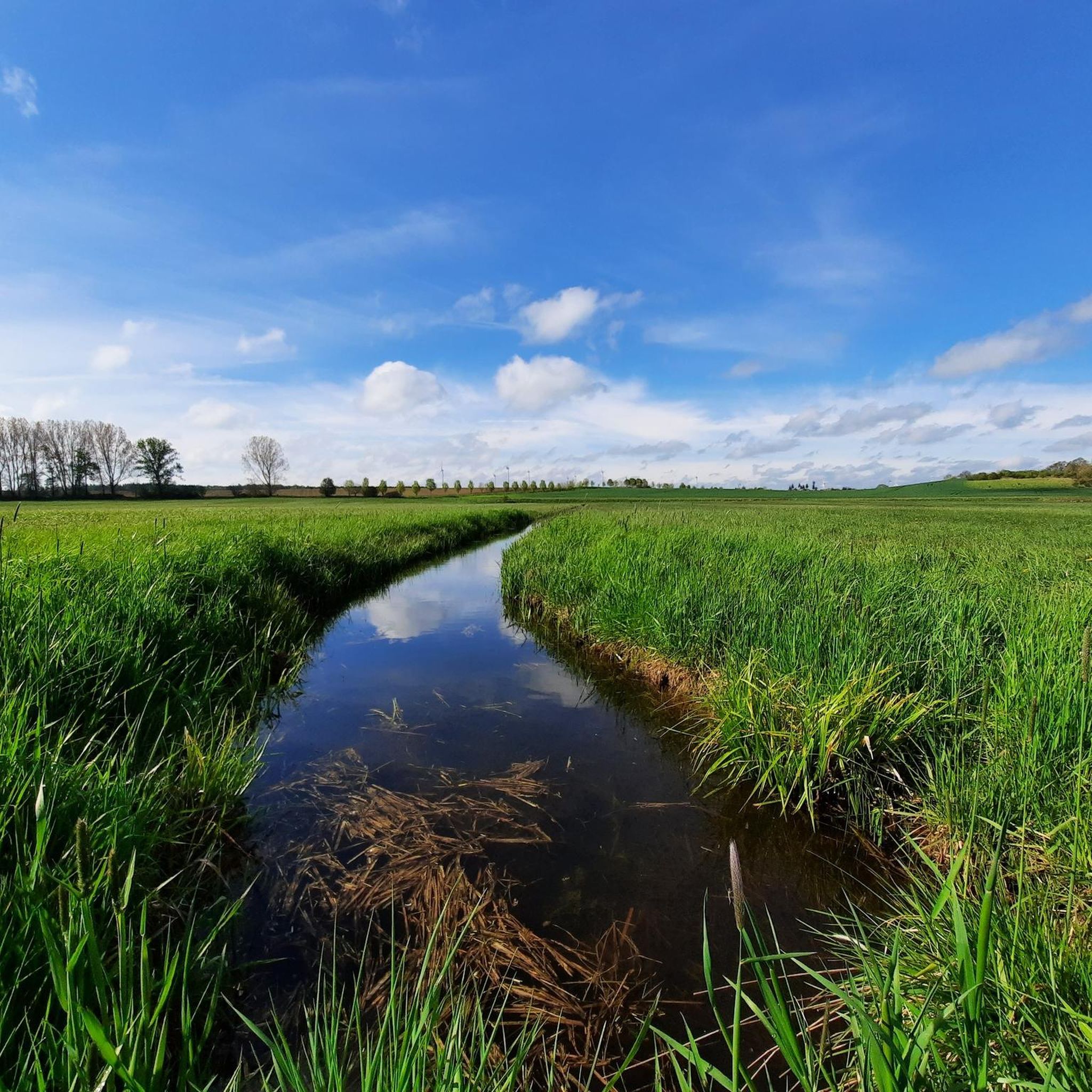
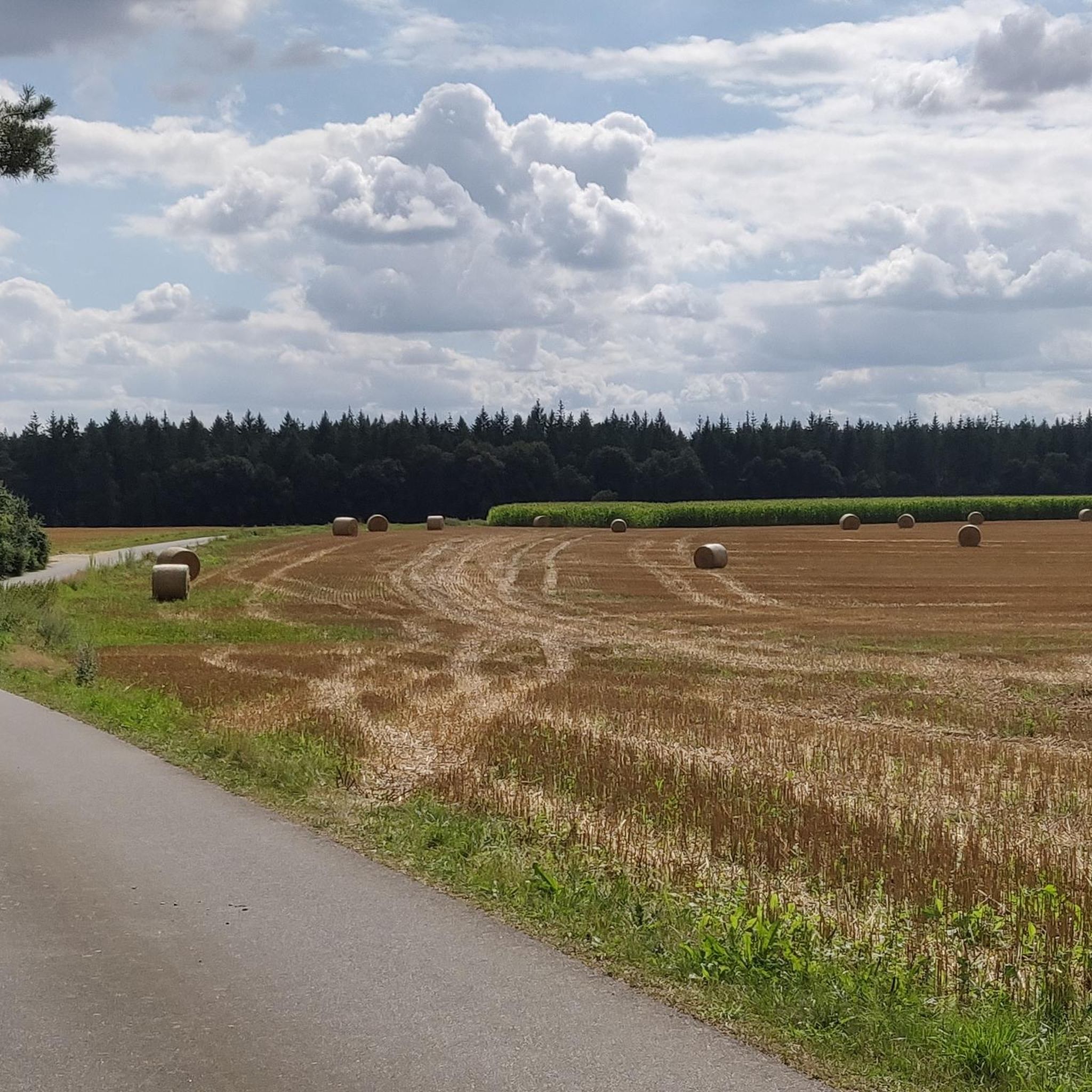
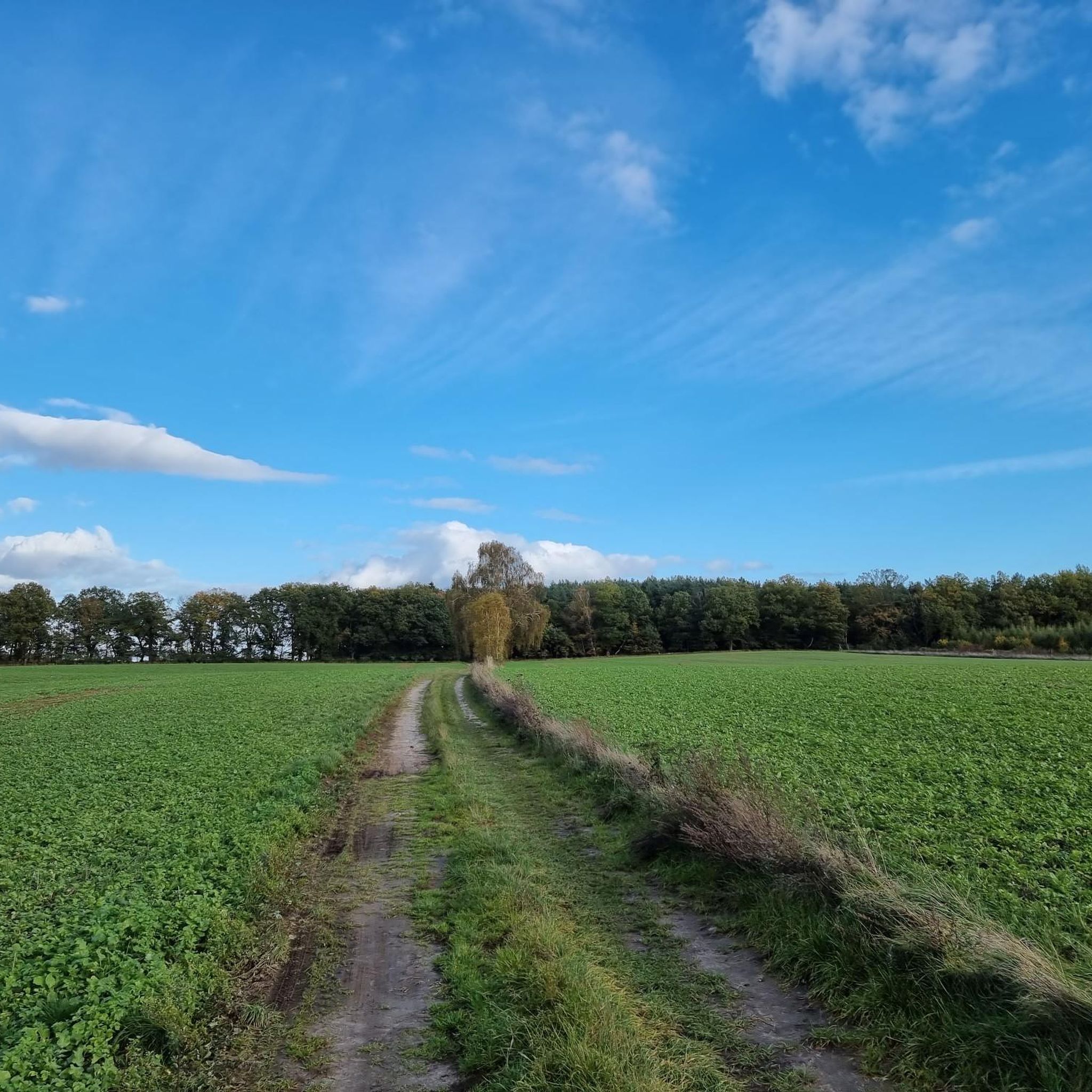
Tips from the Community

The Bobzin hydroelectric power station near Lübz benefits from the steep gradient of the Elde River there: The adjacent lock, with a lift height of 6.80 meters, is considered the deepest in Mecklenburg. The Zieher family took over the power station and the farmstead of the caretakers' families in 1993. The house has since served as a guesthouse. A vertical water turbine installed in the power station in 1999 once again generates electricity. It also serves as an exhibition space for the Museum of Regional Electricity Supply. The coal shortage after the First World War, among other things, triggered the construction of these facilities. The hydroelectric power station of the Mecklenburg-Schwerin State Electricity Works and the Bobzin lock were built between 1923 and 1925. To integrate this lock into the course of the Elde, a section of the river was straightened, and locks dating back to 1803 were decommissioned. Two of these can still be found in Fahrenhorst and Forsthof near Kuppentin. The power plant remained in operation until its Soviet dismantling in 1946 and, using new technology, began generating electricity again in 1954. Due to technical problems and water shortages (agriculture required a lot of water), the plant was shut down again in 1974.
1
0

A little old technology to marvel at
0
0

A lovely place to linger. Worth a visit at any time of year. 🏞
1
0

directly at the lock is a hydroelectric power station. open every 2nd Sunday of the month according to the notice.
0
0

Here the Warnow rises 62 m above sea level, which then flows 155 km to Warnemünde in the Baltic Sea. Like many springs in the north, the Warnow also gushes under the pond, so you can't even see it. According to legend, the spring was under the anvil of the village smithy. It has been lovingly reproduced here. Overall, the area around the spring is beautifully designed.
7
0

The Warnow, one of the most important rivers in the country, originates from its source in Grebbin. North of Grebbin, several ditches, including the Streitgraben, flow into the Warnow. From here, the river flows westward, passing through Lake Barnin and then on toward Lake Schwerin, but never reaching it. Five kilometers from the eastern shore, it turns north and continues through the sparsely populated Sternberg Lake District. The 155-kilometer-long and partially canalized Warnow finally empties into the Baltic Sea near Rostock. The country's largest city draws its drinking water from the Warnow. https://www.amt-parchimer-umland.de/m/news/1/116722/nachrichten/116722.html
4
0

The Warnow rises in Grebbin in Mecklenburg, about 30 kilometers east of the state capital Schwerin. According to legend, directly under the anvil of the former village blacksmith. The name Warnow comes from Slavic and means crow or raven river. The river is approximately 155 kilometers long from its source in Grebbin to its mouth into the Baltic Sea in Warnemünde.
4
1

According to tradition, the source of the Warnow in Grebbinlag under a forge, which was reproduced with foundation walls and anvil in the course of the International Horticultural Exhibition in Rostock in 2003. The water rises from under the anvil and collects in the neighboring spring pond. From there, a rift, initially barely noticeable, leads north. The area around the source is beautifully designed with an information board, shelter shed and a small replica of a windmill.
4
0
Frequently Asked Questions
What unique man-made structures can I see around Granzin?
The region features notable engineering marvels such as the Parchim Lock, a self-service lock on the Müritz-Elde waterway connecting the Mecklenburg Lake District to the Elbe River. Another impressive site is the Bobzin Hydroelectric Power Plant, which includes the Bobzin lock, known for having the largest lift on the Müritz-Elde waterway, bridging 7 meters.
What historical sites are there to explore in the Granzin area?
You can visit the Parchim Town Hall, a 14th-century Gothic brick building that was rebuilt in 1818, preserving its original appearance. Another significant historical site is St. George's Church, Parchim, a Protestant church with beautiful architecture, consecrated in 1307 and built on the remains of a much older basilica.
Are there any natural attractions or viewpoints near Granzin?
Yes, a notable natural feature is the Warnow Spring in Grebbin, where the Warnow river originates. This area is beautifully designed with an information board and a small replica of a windmill. Additionally, the Wocker-See is a scenic natural body of water in the broader region, offering picturesque landscapes.
What do visitors particularly enjoy about the attractions around Granzin?
Visitors appreciate the blend of historical significance and natural beauty. For instance, the Bobzin Hydroelectric Power Plant is noted for its impressive engineering and the significant lift of its lock. The St. George's Church, Parchim is admired for its beautiful Gothic architecture and historical depth. The attractions are also well-regarded by the komoot community, with over 150 upvotes and 90 photos shared.
Are there opportunities for hiking near Granzin's attractions?
Absolutely. You can find various hiking routes in the area. For example, consider the 'Lakeside Bathing Area – Bobziner Lock loop from Lübz' which is a moderate 15.37 km hike, or the 'Bobzin Hydroelectric Power Plant – Bobziner Lock loop from Lübz' covering 8.1 km. More hiking options are available in the Hiking around Granzin guide.
Can I find cycling routes around Granzin?
Yes, the region offers several easy cycling routes. You could try the 'Angelturm (Steinburg) – View of Wockersee loop from Lancken' which is about 20 km, or the 'Werders Village Church – Müritz-Elde Waterway loop from Lutheran' at 25 km. Discover more routes in the Cycling around Granzin guide.
What running trails are available in the Granzin region?
For runners, there are trails like the 'Waterfall on the Stream – Lake Wocker loop from Parchim' (9.95 km, moderate) or the 'Diestelower See loop from Dorfkirche Unter Brüz' (11.3 km, moderate). An easier option is the 'Running loop from Diestelow' at 3.56 km. Find more details in the Running Trails around Granzin guide.
Are there family-friendly attractions around Granzin?
Many attractions in the area are suitable for families. The Bobzin Hydroelectric Power Plant, St. George's Church, Parchim, and Parchim Town Hall are all categorized as family-friendly. The Warnow Spring in Grebbin also offers a pleasant and educational visit for all ages.
Where can I see examples of Gothic architecture in the region?
The Parchim Town Hall is a prime example of Gothic brick architecture, originally dating back to the 14th century. Similarly, St. George's Church, Parchim, consecrated in 1307, showcases impressive Gothic style, built upon earlier Romanesque foundations.
Are there any museums or cultural sites reflecting local history near Granzin?
While not directly in Granzin, the surrounding region offers several cultural sites. These include the DDR Museum Dabel, which provides insights into East German history, the Stadtmuseum Amtsturm in Parchim for local history, and the Historische Ziegelei Benzin Museum, focusing on historical brickworks.
What is the significance of the Müritz-Elde waterway in this area?
The Müritz-Elde waterway is a crucial dam-controlled waterway that connects the Mecklenburg Lake District to the Elbe River, and via the Stör Canal, also to Lake Schwerin. It features 17 locks, including the Parchim Lock and the Bobzin Hydroelectric Power Plant with its significant lock lift. While no longer of commercial importance, it is widely used by pleasure craft and excursion boats.
Most popular attractions around Granzin

Get inspired with the komoot mobile app


Explore more
Still not found the Highlight you’re looking for? See guides of the top attractions in other regions:
