Attractions and Places To See around Whitecraig - Top 20
Best attractions and places to see around Whitecraig include a mix of natural features and historical sites, offering a peaceful environment with access to picturesque countryside. While the village itself is quaint, its proximity to Edinburgh and the wider Lothians region provides numerous notable attractions. Visitors can explore local parks, footpaths, and riverbanks, or venture further to discover significant landmarks and cultural sites. The area is well-suited for outdoor activities and offers a variety of points of interest within easy…
Last updated: July 2, 2026
Arthur's Seat
Highlight • Summit
Tip by

Scott Monument
Highlight • Viewpoint
Translated by Google •
Tip by

Sign up now to discover places like this
Get recommendations on the best single tracks, peaks, & plenty of other exciting outdoor places.
Sign up for free
Royal Mile
Highlight • Viewpoint
Tip by
Victoria Street
Highlight • Monument
Tip by

St. Anthony's Chapel Ruins
Highlight • Historical Site
Translated by Google •
Tip by

Sign up for free to discover even more attractions around Whitecraig.
Sign up for free
Already have an account?
Start today with a free account
Your next adventure awaits.
Login or Signup
Tips from the Community

One of the most distinctive places in Edinburgh. Note that a staircase on the right leads to the upper level. It's fascinating how one row of houses stands above another here.
1
0


The ruins of St Anthony's Chapel on Arthur's Seat in Edinburgh are a fascinating relic from the late Middle Ages. Built in the 15th century, probably around 1400, as part of a pilgrimage centre, the chapel was dedicated to St Anthony of Padua. At the time, Arthur's Seat was a major pilgrimage site and the chapel served as a spiritual stop for believers stopping by on their pilgrimage. As well as being a place of worship, the chapel housed a collection of relics that promised pilgrims sacred experiences. Its architecture was simple but functional and it was built from local stone, blending it into the landscape of the hill. Over the centuries, however, the chapel lost importance and in the 16th century it was abandoned during the Reformation. Today, all that remains are the ruins of the chapel, which sits in a stunning location high on Arthur's Seat. The ruin is a popular destination for hikers and photographers who want to not only explore the historic site but also enjoy the spectacular panoramic views of Edinburgh and the surrounding hills. The St. Anthony Chapel ruins are accessible by a walking trail that takes visitors on a little journey of discovery. The climb to the top of Arthur's Seat offers not only a view of the ruins themselves but also of the vast, rolling terrain that underlines the historical significance of this site. Today the ruins are a fascinating monument to Edinburgh's history and a silent witness to past religious practices.
1
0

To climb to the top of the tower, you must climb 287 steps, which are divided into four levels, where you can pause and rest if you wish. As you continue up the spiral staircase, the climb becomes increasingly challenging as the walls become narrower and the steps become unstable. Although the climb may seem endless and a bit tiring, the effort will be worth it once you reach the top. Here, you'll be able to enjoy some of the best views of Edinburgh. Simply stunning views. If you don't suffer from claustrophobia or have a condition that prevents you from climbing to the top of the Scott Monument, we highly recommend climbing to the top to enjoy the breathtaking views. https://www.introducingedinburgh.com/scott-monument
5
0
The history of the monument, and much more, is told in the monument's museum hall on the first floor. Visitors can learn more about Scott himself, his eventful life, his legacy in international literature, and the monument built in his honor. Audio points allow visitors to listen to excerpts from his writings. https://www.edinburghmuseums.org.uk/venue/scott-monument
3
1
The Scott Monument is one of Edinburgh's most iconic landmarks, a must-see for visitors and locals alike. Dedicated to Sir Walter Scott, it is one of the greatest monuments to a writer in the world.
3
1
India Buildings on Victoria Street was built in 1864 by architect David Cousins and designed in the fashionable Baronial style of the time. Note the ‘bartizan’ at the top of the building, a small tower inspired by medieval battlements. It was intended as office space and early occupants included the British Linen Bank, the Scottish Board of Agriculture and the Geological Survey of Scotland. In recent years, many Edinburgh residents will remember the building as housing the Register Office. https://ewh.org.uk/victoria-street/
3
0
Frequently Asked Questions
What natural features can I explore around Whitecraig?
The area around Whitecraig offers several natural attractions. You can hike up Arthur's Seat, an ancient volcano providing commanding views across Edinburgh. Nearby, the picturesque countryside features footpaths along local rivers, ideal for walks and picnics.
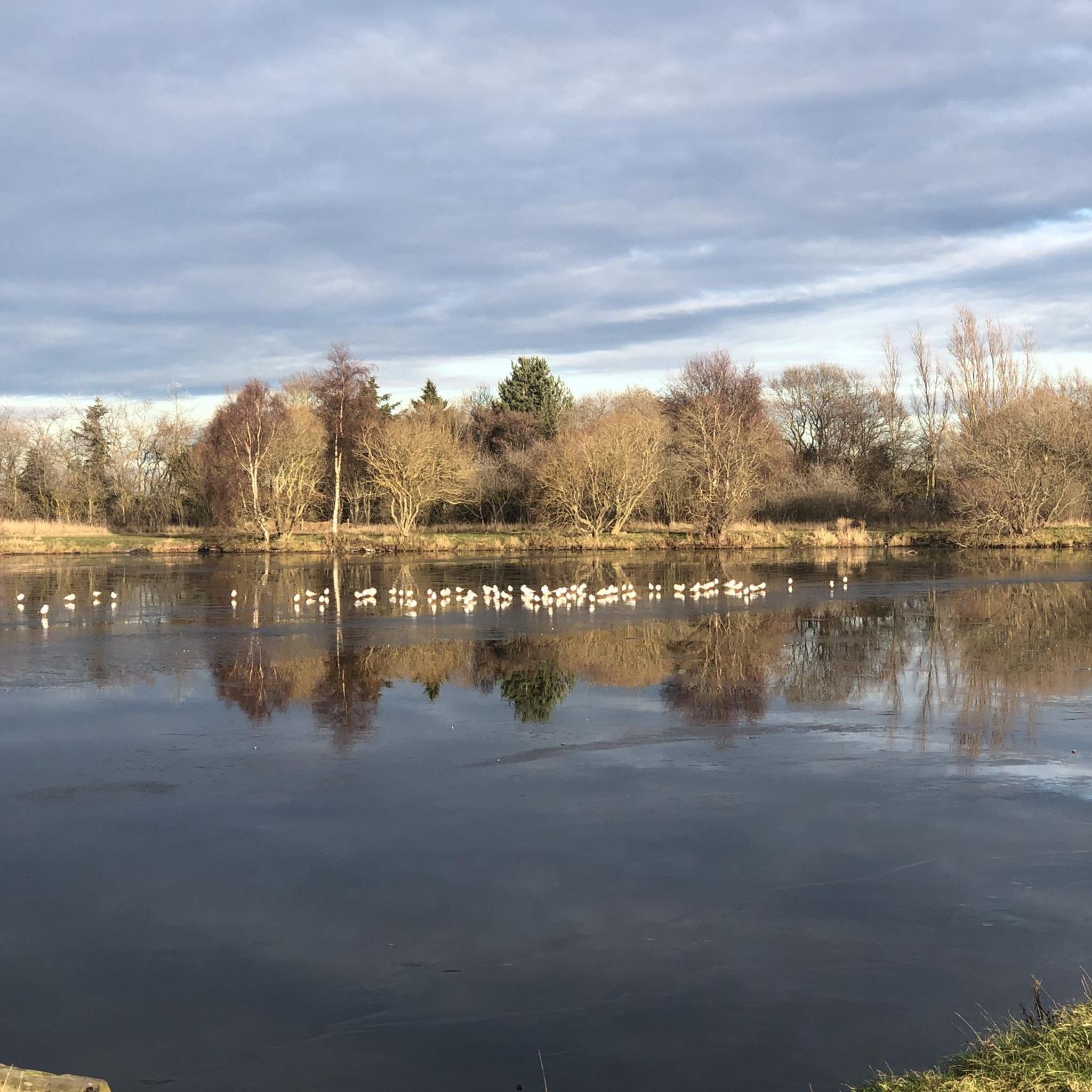
For wildlife enthusiasts, the Musselburgh Lagoons are a great spot to experience local scenery and observe birds.
Are there historical sites to visit near Whitecraig?
Yes, the region boasts a rich history. You can visit St Giles' Cathedral in Edinburgh, a breathtaking 14th-century church central to the Scottish Reformation. The iconic Scott Monument, a large Victorian monument honoring Sir Walter Scott, also offers historical insights and a viewing platform.
Further afield, you can explore Edinburgh Castle, the Palace of Holyroodhouse, or the National Mining Museum Scotland in Newtongrange.
What are some family-friendly activities around Whitecraig?
Many attractions cater to families. Victoria Street in Edinburgh's Old Town is a picturesque spot with colorful shops that children often enjoy. The nearby Dalkeith Country Park offers high ropes courses (Go Ape Dalkeith) and various walking routes suitable for all ages.
Other family-friendly options in the wider region include AirHop Edinburgh, The Edinburgh Dungeon, and Camera Obscura & World of Illusions.
What outdoor activities and routes are available near Whitecraig?
The area is excellent for outdoor enthusiasts. You can find numerous hiking trails, including easy to moderate loops within Dalkeith Country Park. For cyclists, there are road cycling routes like the 'Dalkeith Country Park loop from Musselburgh' and touring bicycle routes such as the 'Longniddry Old Railway Path – Nungate Bridge loop'.
Explore more options on the dedicated guides for Hiking around Whitecraig, Road Cycling Routes around Whitecraig, and Cycling around Whitecraig.
Are there any accessible attractions for visitors with mobility needs?
The Scott Monument is noted as wheelchair accessible, offering a unique historical experience. While Whitecraig itself has local parks and footpaths, for more detailed accessibility information on specific routes or attractions, it's advisable to check directly with the venue or local visitor information centers.
What is the best time of year to visit Whitecraig and its surrounding attractions?
The spring and summer months (April to September) generally offer the most pleasant weather for exploring the outdoor attractions and walking paths around Whitecraig and Dalkeith Country Park. During these seasons, the days are longer, and the temperatures are milder, making it ideal for hiking and cycling.
However, Edinburgh's indoor attractions and historical sites are enjoyable year-round.
Where can I find good views of the region?
For panoramic vistas, head to Arthur's Seat, which offers commanding views across the Edinburgh region and the Firth of Forth. Calton Hill in Edinburgh also provides excellent panoramic views of the city's skyline and neoclassical monuments.
What do visitors enjoy most about the attractions around Whitecraig?
Visitors frequently appreciate the blend of natural beauty and historical significance. The stunning views from Arthur's Seat are a highlight, as is the architectural grandeur of St Giles' Cathedral. The charm of Victoria Street and the historical atmosphere of the Royal Mile are also highly praised. The komoot community has shared over 800 photos and given more than 1200 upvotes for these attractions, reflecting their popularity.
Are there any unique cultural experiences near Whitecraig?
Beyond the historical sites, you can immerse yourself in Scottish culture with experiences like The Scotch Whisky Experience near Edinburgh Castle, which offers an interactive journey into Scotland's national drink. The National Museum of Scotland also provides extensive collections covering Scottish history, natural history, and world cultures.
Can I find places to eat or drink near the walking trails?
While Whitecraig itself is a small village with local amenities, the nearby Dalkeith Country Park has facilities including cafes. In Edinburgh, the Royal Mile is thronged with restaurants, cafes, and inns, offering plenty of options for refreshments after exploring. Many towns in the Lothians region also provide a variety of dining choices.
What kind of walking paths are available in Dalkeith Country Park?
Dalkeith Country Park offers a variety of walking routes, from easy strolls suitable for families to more moderate trails. These paths wind through parkland, along riverbanks, and through woodlands, providing tranquil spots and scenic views. Some popular routes include loops from Dalkeith and Whitecraig itself, as detailed in the Hiking around Whitecraig guide.
Are there any specific cycling routes recommended for families?
For families, the 'Innocent Railway Tunnel – St Margaret's Loch loop from Musselburgh' is an easy road cycling route. Additionally, the 'Port Seton Harbour loop from Musselburgh' is an easy touring bicycle route. These routes offer relatively flat terrain and scenic views, suitable for a leisurely family ride. More options can be found in the Cycling around Whitecraig guide.
Most popular attractions around Whitecraig

Get inspired with the komoot mobile app


Explore more
Still not found the Highlight you’re looking for? See guides of the top attractions in other regions:
