Attractions and Places To See around Eastriggs, Dornock And Creca - Top 20
Best attractions and places to see around Eastriggs, Dornock And Creca include historical sites and natural landscapes. This region, situated near the England-Scotland border and the Solway Firth, features areas with significant Roman and medieval history. Visitors can explore remnants of Hadrian's Wall and sites connected to border conflicts. The landscape offers diverse environments, from salt marshes to historical settlements.
Best attractions and places to see around Eastriggs, Dornock And Creca
- The most popular attractions is St Michael's Church, Burgh…
Last updated: August 26, 2026
St Michael's Church, Burgh by Sands
Highlight • Historical Site
Translated by Google •
Tip by

Burgh Marsh
Highlight • Cycleway
Translated by Google •
Tip by
Sign up now to discover places like this
Get recommendations on the best single tracks, peaks, & plenty of other exciting outdoor places.
Sign up for free
Statue of Edward I
Highlight • Monument
Tip by

Bowness-on-Solway
Highlight • Natural Monument
Tip by

Hadrian's Wall Path Pavilion and Stamping Station
Highlight • Rest Area
Tip by

Sign up for free to discover even more attractions around Eastriggs, Dornock And Creca.
Sign up for free
Already have an account?
Start today with a free account
Your next adventure awaits.
Login or Signup
Tips from the Community

This is the place where one of the most formidable English monarchs died when he developed fever during a campaign against the Scots in 1307. This is where Edward the First died, and being an iconic historical figure, this small, quaint monument was erected in his honour in 2007.
0
0
A noteworthy fact about Burgh Marsh is that it was the place where Edward the First, one of the most formidable English monarchs, died when he developed fever during a campaign against the Scots. Where he is supposed to have died on the Marsh is marked by a rarely visited monument that is well worth a visit. It is a tranquil and peaceful place.
1
0
Bowness-on-Solway is best known as being the western end of the iconic Hadrian's Wall. There is a small shelter here to mark the start of this national trail. You will not see much of the wall until after Carlisle, but the wall did originally start at the village with even more forts further down the coast. Being an estuary, this area is also a haven for wildlife and birdwatching.
0
0

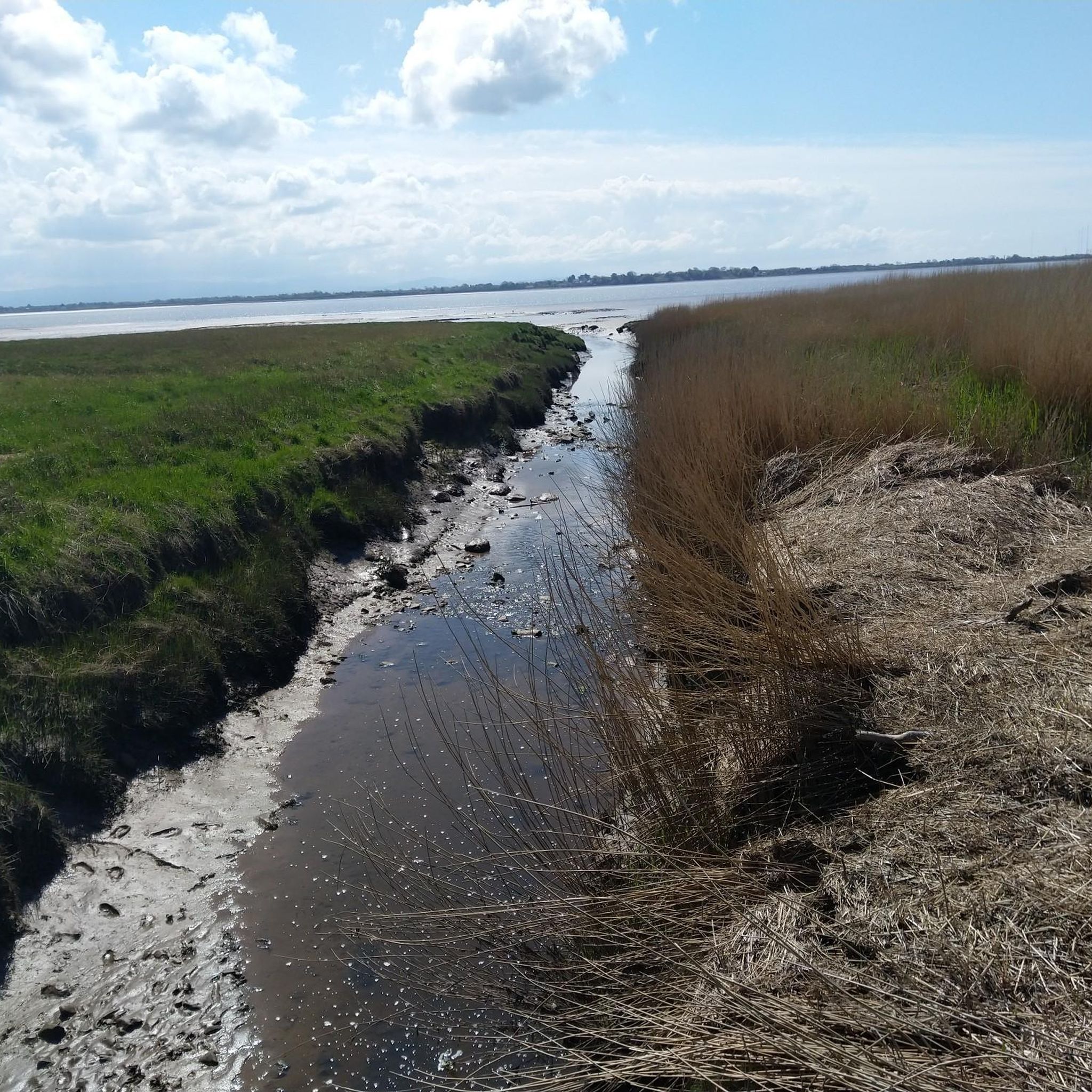
Burgh Marsh is a vast salt marsh on the Solway Firth, where nature, history, and mystery converge. Located near Burgh by Sands, the area forms a key part of the Solway Coast Area of Outstanding Natural Beauty. King Edward I died here in 1307 during his campaign against Scotland, an event marked by a monument in the middle of the marsh. Bordering the western section of Hadrian's Wall, Burgh Marsh also bears traces of the Roman presence. Today, Burgh Marsh stands as a silent witness to centuries of frontier history, with a landscape that invites reflection and exploration.
10
0
Originally built in the 12th century on the remains and with stones from the Roman fort of Aballava, part of Hadrian's Wall, King Edward I died near this site in 1307. His body lay in state here before being transferred to Westminster Abbey. It is one of only three surviving fortified churches in Cumbria and has two towers: The west tower has wrought-iron gates, arrow slits, and a crenellated roof—originally built as a shelter during border conflicts. The east tower was later lowered and served as a schoolroom in the 18th century. The architecture is a mix of Norman and Gothic. A decorated entrance features beakhead motifs (a rare Romanesque detail). Stained glass windows depict northern saints and King Edward I. A Roman corbel is set into the wall.
12
0
The statue of King Edward I is located in Burgh by Sands—the place where he died in 1307 during a military campaign against Scotland. Created in 2007 by artist Christopher Kelly, the statue depicts Edward I, also known as Longshanks, in a stately pose wearing medieval armor.
11
0

As well as this modern statue there is also a monument for Edward I north of the village.
2
0
The church dates from the late 12th century. Edward I died in Burgh by Sands in 1307and then lay in state in the church.
2
0
Frequently Asked Questions
What historical sites can I explore around Eastriggs, Dornock And Creca?
The region is rich in history. You can visit St Michael's Church, Burgh by Sands, a 12th-century fortified church built with stones from the Roman fort of Aballava, where King Edward I lay in state. Another significant spot is the Hadrian's Wall Path Pavilion and Stamping Station, marking the famous Roman frontier. Don't miss the England–Scotland Border at Gretna Green, an area with a storied past as 'the Debatable Land', and the Solway Junction Railway Viaduct Remains, a testament to the area's industrial heritage.
Are there family-friendly attractions in Eastriggs, Dornock And Creca?
Yes, several attractions are suitable for families. St Michael's Church, Burgh by Sands offers a fascinating historical insight for all ages. The Hadrian's Wall Path Pavilion and Stamping Station can be an exciting starting point for a family adventure along the wall. Additionally, Burgh Marsh provides open spaces for exploration and birdwatching, and its historical significance, including the monument to King Edward I, can spark interest in younger visitors.
What natural landscapes can I discover in the area?
The region offers diverse natural beauty, particularly around the Solway Firth. Burgh Marsh is a vast salt marsh within the Solway Coast Area of Outstanding Natural Beauty, perfect for experiencing coastal ecosystems and enjoying expansive views. The broader Solway Firth area is known for its unique tidal landscapes and birdlife.
Are there easy walking trails near Eastriggs, Dornock And Creca?
Yes, there are several easy hiking options available. You can find routes like the 'Bench by the River Wampool – View of Horse Field loop from Galabank' or the 'Annan Harbour to Broom Fishery – Annan Town Hall loop from Annan'. For more details and a wider selection of easy walks, check out the Easy hikes around Eastriggs, Dornock And Creca guide.
What cycling opportunities are available near these attractions?
The area is well-suited for cycling, with various routes for different preferences. You can explore easy touring bicycle loops such as 'Annan Town Hall – Annandale Distillery loop from Annan'. For road cycling enthusiasts, there are routes like 'Annan Town Hall – Hoddom Castle loop from Eastriggs'. Find more options in the Cycling around Eastriggs, Dornock And Creca guide and the Road Cycling Routes around Eastriggs, Dornock And Creca guide.
Is there wheelchair accessible access to any of the attractions?
The England–Scotland Border at Gretna Green is noted as being wheelchair accessible, offering an opportunity to experience this historical boundary. While specific accessibility details for all sites vary, this location provides a good starting point for accessible exploration.
What is the significance of Hadrian's Wall in this region?
Hadrian's Wall plays a crucial role in the region's history. St Michael's Church, Burgh by Sands was built using stones from the Roman fort of Aballava, part of Hadrian's Wall. The Hadrian's Wall Path Pavilion and Stamping Station serves as a key point for those walking the trail, highlighting the wall's enduring presence and historical importance as a frontier.
What is Burgh Marsh and why is it significant?
Burgh Marsh is a vast salt marsh located on the Solway Firth, forming a vital part of the Solway Coast Area of Outstanding Natural Beauty. It holds historical significance as the place where King Edward I died in 1307 during his campaign against Scotland, marked by a monument. It also bears traces of the Roman presence due to its proximity to Hadrian's Wall.
What do visitors particularly enjoy about the attractions in Eastriggs, Dornock And Creca?
Visitors appreciate the deep historical connections and the natural beauty of the area. Many enjoy the unique experience of visiting sites like St Michael's Church, Burgh by Sands, with its Roman and medieval past, and the symbolic crossing of the England–Scotland Border at Gretna Green. The opportunity to engage with the Hadrian's Wall trail at the Hadrian's Wall Path Pavilion is also a highlight, as is exploring the expansive landscapes of Burgh Marsh.
Are there any unique historical structures related to transport in the region?
Yes, the Solway Junction Railway Viaduct Remains offer a glimpse into the region's past transport infrastructure. This site marks where a 1.8 km long railway bridge once spanned the Solway Firth, connecting ironstone mines to ironworks and playing a role during World War I before its eventual dismantling.
What is the best time to visit Eastriggs, Dornock And Creca attractions?
The region's attractions, particularly its historical sites and natural landscapes, can be enjoyed year-round. However, for outdoor activities like walking and cycling on Burgh Marsh or along the Hadrian's Wall Path, the spring and summer months (April to September) generally offer more favorable weather conditions. Autumn can also be beautiful with changing foliage, while winter provides a quieter, often starkly beautiful, experience.

Get inspired with the komoot mobile app


Explore more
Still not found the Highlight you’re looking for? See guides of the top attractions in other regions:
