The best cycling routes around Carronbridge
4.9
(5)
342
riders
29
rides
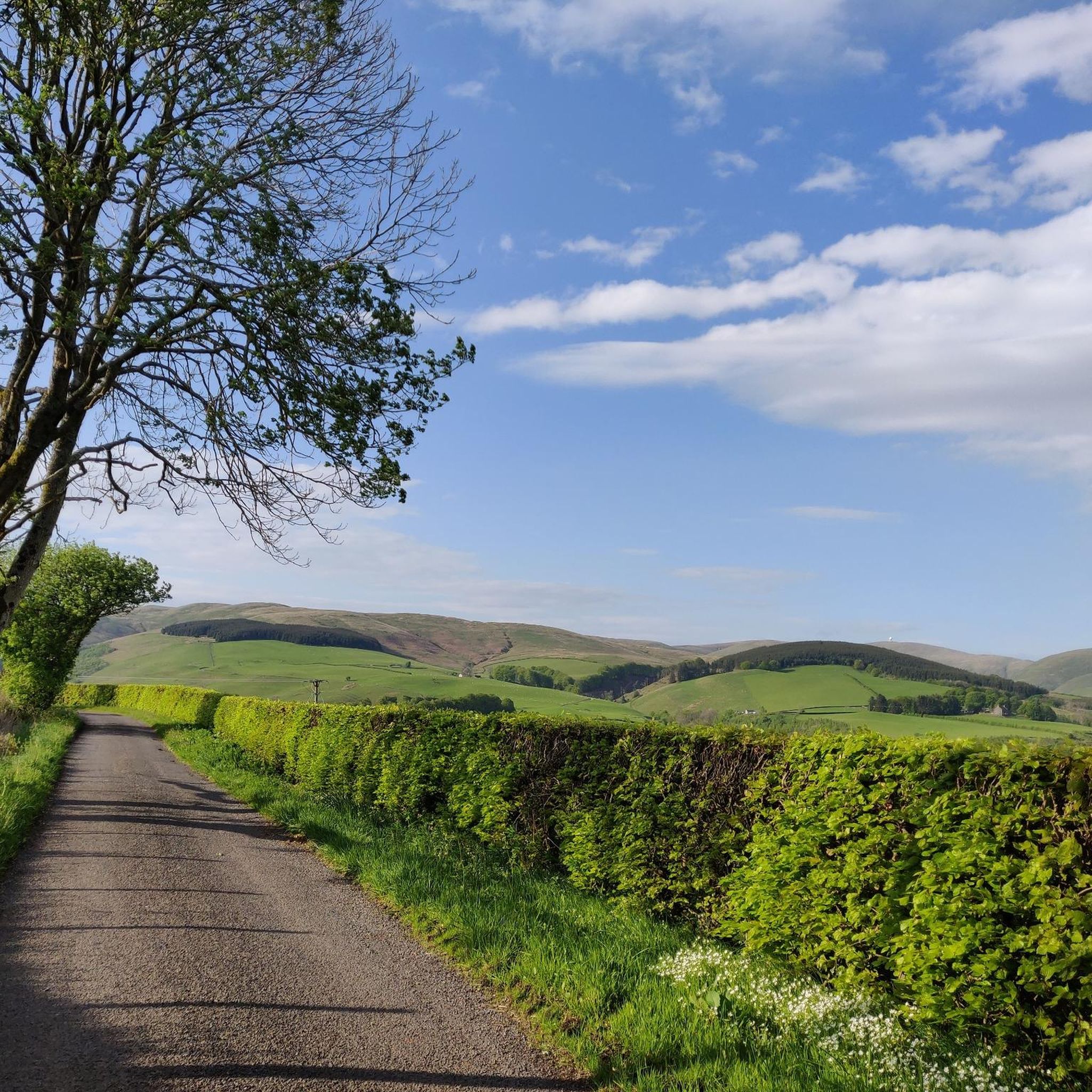
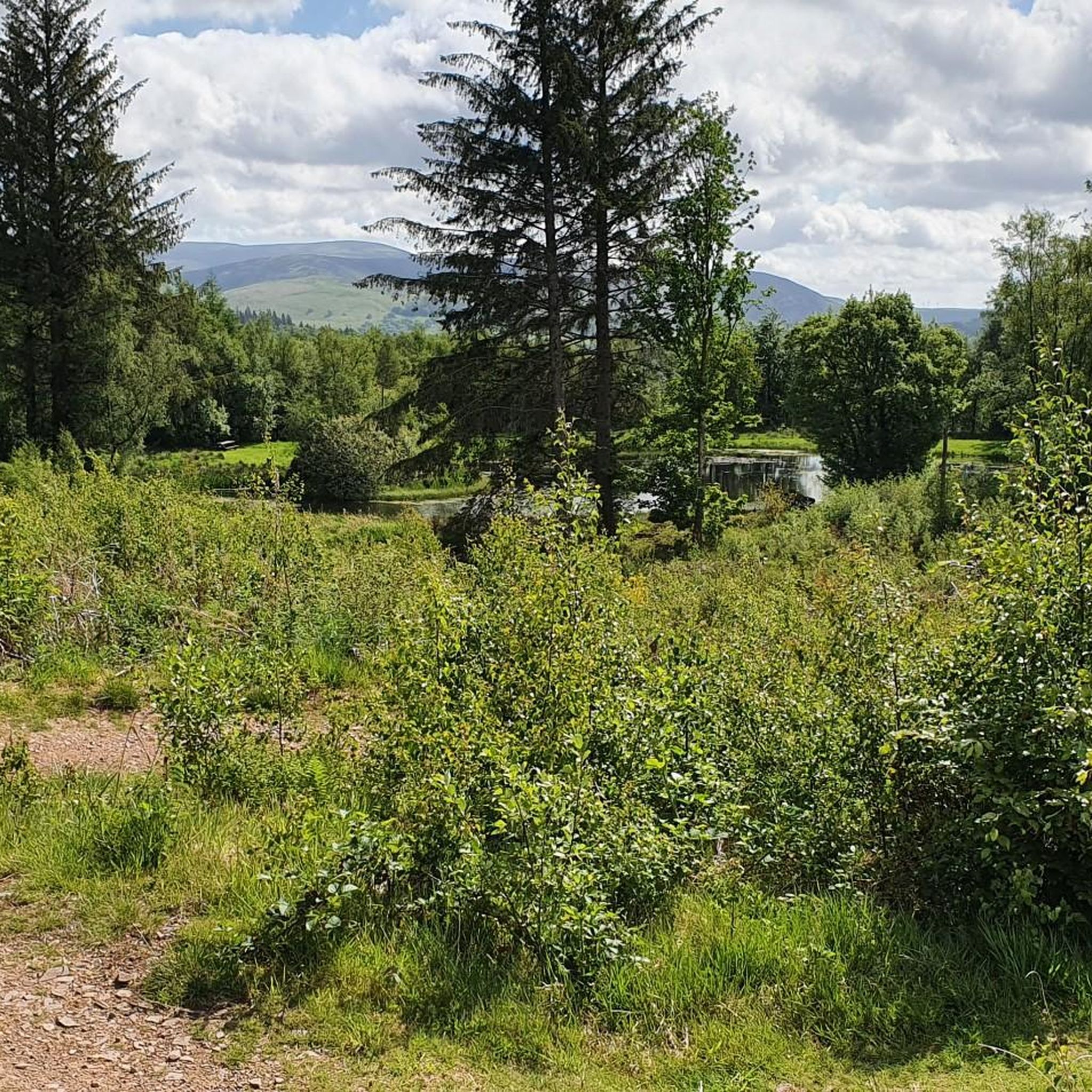
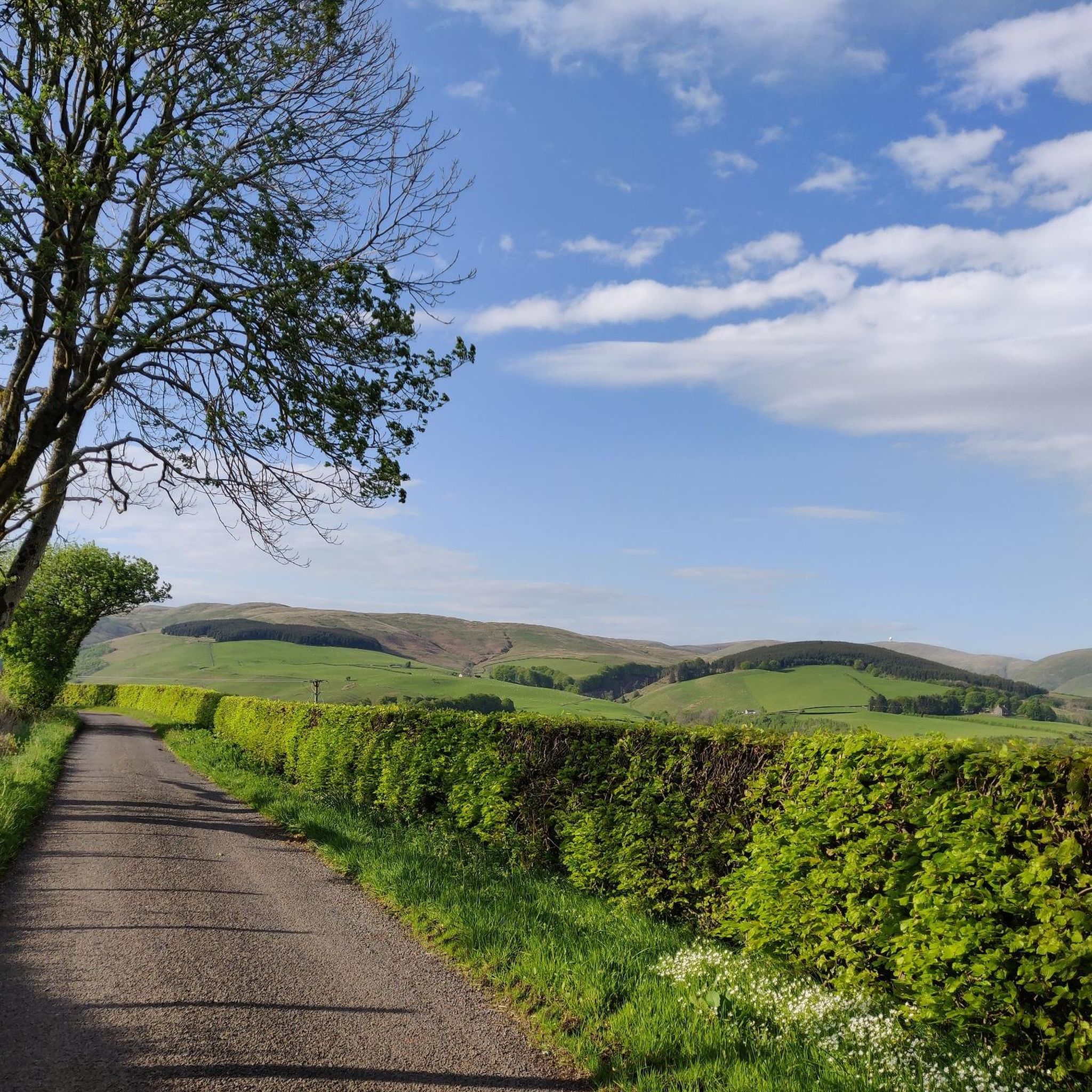
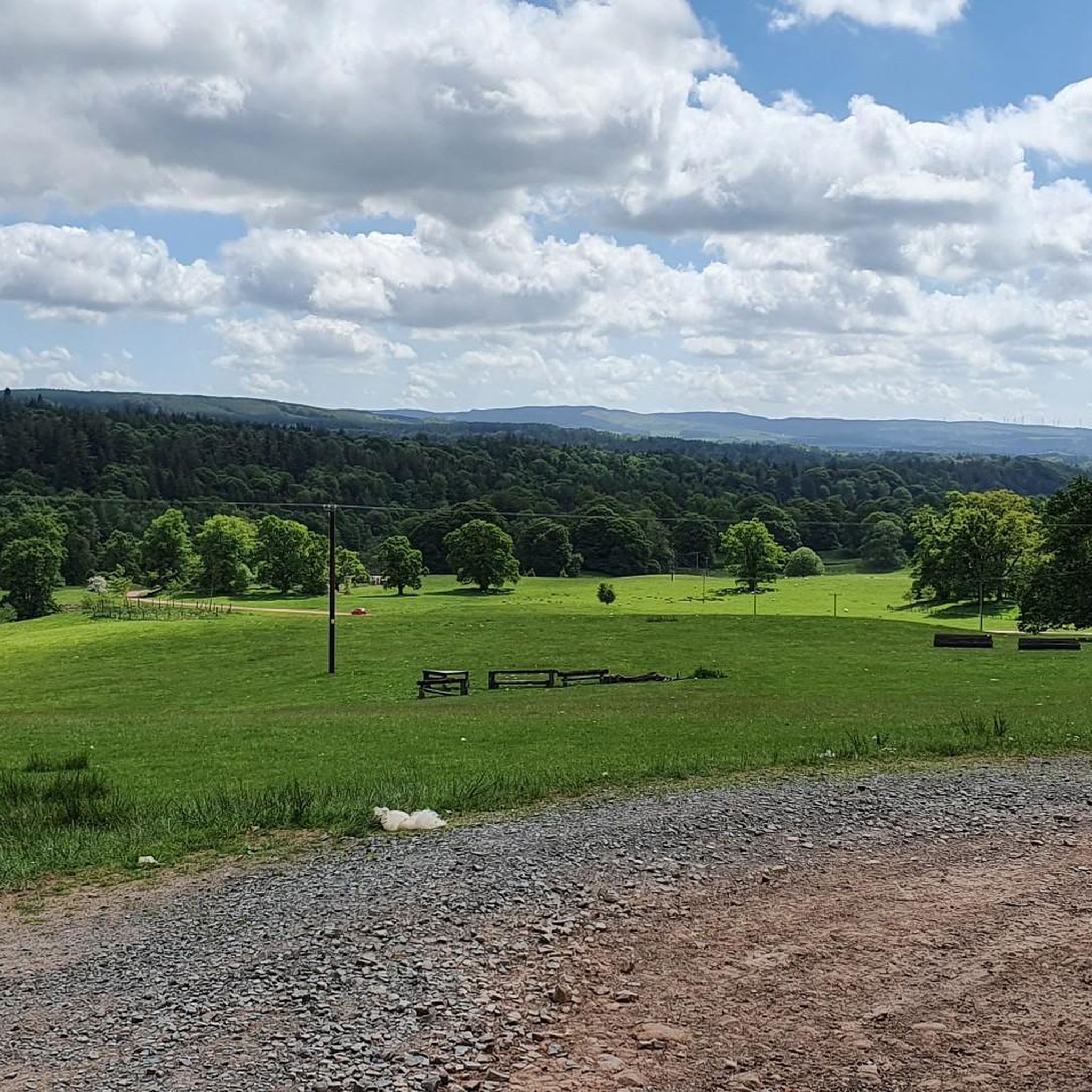
Touring cycling around Carronbridge, nestled in Dumfries and Galloway, Scotland, offers diverse landscapes for cyclists. The region features rolling hills, lush forests, and the meandering River Nith, providing varied terrain for touring cycling routes. Elevations range from gentle gradients along riverbanks to more challenging climbs towards the Lowther Hills. Many routes incorporate both paved surfaces and forest tracks, catering to different cycling preferences.
Best touring cycling routes around Carronbridge
- The most popular touring cycling route is Drumlanrig Castle – Drumlanrig…
Last updated: April 27, 2026
21
riders
39.1km
02:48
490m
490m
Hard bike ride. Very good fitness required. Mostly paved surfaces. Suitable for all skill levels.
5.0
(1)
10
riders
53.8km
03:21
550m
550m
Hard bike ride. Very good fitness required. Mostly paved surfaces. Suitable for all skill levels.

Sign up for free
4.5
(2)
8
riders
63.7km
04:35
1,030m
1,030m
Hard bike ride. Very good fitness required. Mostly paved surfaces. Suitable for all skill levels.
4
riders
70.8km
04:21
630m
630m
Hard bike ride. Very good fitness required. Mostly paved surfaces. Suitable for all skill levels.
2
riders
17.6km
01:08
190m
190m
Moderate bike ride. Good fitness required. Mostly paved surfaces. Suitable for all skill levels.
Get access to more routes and recommendations from other explorers.
Sign up for free
Already have an account?
Our route recommendations are based on thousands of hikes, rides, and runs completed by other people on komoot.
Start today with a free account
Your next adventure awaits.
Login or Signup
Tips from the Community

The pedestrian bridge is one of the oldest in Scotland. Built in 1432, it crosses the River Nith in the town center and offers scenic views.
0
0

One of the oldest standing bridges in Scotland crosses the River Nith in Dumfries. Devorgilla Bridge is also sometimes known as Devorgilla's Bridge or the Old Bridge and is named after Devorgilla, Lady of Galloway, the mother of King John Balliol. All the land to the west of the River Nith traditionally formed part of Galloway, which only truly became part of Scotland during Alexander II's reign in the 1230s. Dumfries was therefore a frontier town for much of its early history and had grown up on the east side of a ford that provided the lowest crossing point of the River Nith. By 1186 the town was sufficiently well established to be made a Royal Burgh. According to some sources the first bridge was built across the River Nith at Dumfries during the 1260s by Devorgilla, Lady of Galloway. No trace of this bridge has ever been found, and if it existed at all it seems very likely that it was made of wood. There is rather more evidence for the immediate predecessor of the bridge you see today. Construction began on a stone bridge in about 1430, and a papal indulgence of 1432 recorded the Pope's approval for a call for subscribers to pay for the completion of the bridge. This bridge survived for a little under two centuries before being partially destroyed in a major flood in 1620 or 1621. Once more accounts differ, but it seems that the east half of the bridge was swept away and what was left might well have been severely damaged. https://www.undiscoveredscotland.co.uk/dumfries/devorgillabridge/index.html
2
0

A sculpture created in 2009, ao contrary to what you might think, it has no historical purpose.
0
0
Open to public and some nice easy trails to walk in grounds.
0
0

Please be aware of opening times. Don't expect it to be open over weekend:)
0
0

Built in 1881 the church is one of the few remaining examples of ‘tin’ churches that were popular in the late 19th and early 20th centuries. The owner of the Dalswinton Estate at the time, Mrs McAlpine-Leny, was unhappy with the larger Kirkton Parish Kirk and so bought her own for Dalswinton. At the first service, 300 people attended! These churches were made in kit form in Edinburgh and Glasgow and exported overseas as well as being used frequently in Scotland. Corrugated iron buildings were frequently used at this time in new and remote communities especially, due to the material’s quick and inexpensive qualities. The six-bay church has Gothic windows and a bellcote with a steep spire at the east gable. There is a small porch at the north-east corner. The interior of the church is timber-lined, and features original pitch-pine pews, pulpit and panelling, and has an open roof. A chancel was formed between a vestry and laird’s pew at the west end. Stained glass windows were added in 1950 and 1975. The earlier window is a one-light window of David, while the 1970s one is a semi-abstract window, with scenes of King David.
0
0

Thornhill is a wonderful village between Dumfries and Sanquhar. It's defined by its broad streets and unique Victorian villas. There are plenty of great places to eat, shop and drink in this attractive hamlet.
1
0

The Lincluden Collegiate Church is the ruins of a collegiate church in the Scottish town of Dumfries in the Council Area Dumfries and Galloway. In 1981 the building was included in the Scottish list of monuments in the highest monument category A.
3
0
Frequently Asked Questions
How many touring cycling routes are available around Carronbridge?
There are nearly 30 touring cycling routes around Carronbridge, offering a variety of experiences for different skill levels. These routes are highly rated by the komoot community, with an average score of 4.9 stars.
Are there any easy touring cycling routes suitable for beginners in Carronbridge?
Yes, Carronbridge offers one easy touring cycling route. Additionally, there are 12 moderate routes that provide a good balance for those looking to progress beyond beginner level. A good moderate option is the Drumlanrig Castle – Drumlanrig Castle loop from Drumlanrig Castle, which is 17.6 km long.
What kind of landscapes can I expect to see while touring cycling around Carronbridge?
Touring cyclists in Carronbridge can expect diverse landscapes, including rolling hills, lush forests, and the scenic River Nith. Routes often feature vistas across the Nith Valley and towards the Lowther Hills, with some sections traversing forest tracks and others following quiet country lanes.
Are there any challenging touring cycling routes for experienced riders?
Yes, for experienced riders seeking a challenge, there are 16 difficult touring cycling routes around Carronbridge. One such route is the Dunreggan Brae – Thornhill Horse Monument loop from Thornhill, which covers 63.7 km with significant elevation gain.
What historical sites or landmarks can I explore along the touring cycling routes?
The area around Carronbridge is rich in history. You can cycle past the magnificent Drumlanrig Castle, a 17th-century estate that serves as a hub for many cycling trails. The Wanlockhead Beam Engine is another notable historical site nearby, offering insight into the region's industrial past.
Are there any routes that feature waterfalls or gorges?
Yes, you can find natural features like waterfalls and gorges in the vicinity. The Crichope Linn Gorge and Waterfall is a notable highlight that can be explored as part of a touring cycling adventure in the region.
Can I find cafes or places to eat along the touring cycling routes?
Yes, several routes pass through or near villages like Thornhill, which offers local cuisine and shopping. Drumlanrig Castle also has a cafe on its grounds, and the Ae Forest area features the Ae Bike Shop & Café, which is a good stop on routes like the Thornhill Horse Monument – Ae Bike Shop & Café loop from Thornhill.
Are there opportunities for wildlife spotting while cycling?
Yes, the region's natural areas, particularly Ae Forest, are home to diverse wildlife. Cyclists might spot red squirrels, crossbills, ospreys, and various waterbirds, especially along routes that traverse forest paths or follow riverbanks.
Are there any long-distance touring cycling routes in the area?
For those looking for longer rides, the region offers several extensive routes. The Lincluden Abbey Ruins – Ae Bike Shop & Café loop from Thornhill is a challenging 70.4 km route that provides a significant touring experience.
What is the best time of year for touring cycling in Carronbridge?
The spring, summer, and early autumn months generally offer the most favorable weather conditions for touring cycling in Carronbridge, with milder temperatures and longer daylight hours. However, the varied terrain means routes can be enjoyed year-round, with appropriate gear for the season.
Are there any circular touring cycling routes available?
Yes, many of the touring cycling routes around Carronbridge are designed as loops, allowing you to start and finish at the same point. An example is the popular Drumlanrig Castle – Drumlanrig Castle loop from Thornhill, which is a 39.1 km circular trail.
Most popular routes around Carronbridge
Most popular attractions around Carronbridge

Get inspired with the komoot mobile app


Explore more
Browse the best Cycling routes in other regions.
