Attractions and Places To See around West Pilton/West Granton - Top 20
Best attractions and places to see around West Pilton/West Granton offer a blend of historical industrial heritage, emerging cultural sites, and natural green spaces along Edinburgh's waterfront. This area provides distinct points of interest, from historic buildings to significant natural features. Visitors can explore sites reflecting the region's past innovation and enjoy its developing community hubs and green areas. The diverse landscape includes foreshore walks and parks, providing varied experiences.
Best attractions and places to see around West Pilton/West Granton
- The most popular attractions is Arthur's Seat, a summit that rewards with commanding views across the Edinburgh region and the Firth of Forth. This ancient volcano rises dramatically above the capital city and is a popular objective for visitors.
- Another must-see spot is Scott Monument, a viewpoint and man-made monument erected in honor of Sir Walter Scott. This Victorian monument is approximately 61 meters tall and offers a viewing platform accessible by 287 steps.
- Visitors also love St Giles' Cathedral, a religious building and historical site located in the heart of Scotland’s capital city. Founded in 1124, its distinctive crown tower is one of Edinburgh’s famous landmarks.
- West Pilton/West Granton is known for its historical industrial heritage, cultural institutions, and natural green spaces. The area offers a variety of attractions to see and explore, from waterfront views to community parks.
- The attractions around West Pilton/West Granton are appreciated by the komoot community, with more than 1200 upvotes and over 800 photos shared by visitors.
Last updated: July 2, 2026
Arthur's Seat
Highlight • Summit
Tip by

Corstorphine Hill Tower
Highlight • Viewpoint
It's irregularly opened to the public in the summer months as from the top there are incredible views to be had over the city.
Read more at: corstorphinehill.org.uk/about-the-hill.html
Tip by

Sign up now to discover places like this
Get recommendations on the best single tracks, peaks, & plenty of other exciting outdoor places.
Sign up for free
Scott Monument
Highlight • Viewpoint
Translated by Google •
Tip by

Royal Mile
Highlight • Viewpoint
Tip by
Victoria Street
Highlight • Monument
Tip by

Sign up for free to discover even more attractions around West Pilton/West Granton.
Sign up for free
Already have an account?
Start today with a free account
Your next adventure awaits.
Login or Signup
Popular around West Pilton/West Granton
Tips from the Community

This is how some 200 years ago, bookworms began: "In that lovely district of merry England, which is watered by the River Don, there was in ancient times a great wood... Here dwelt... the fabulous Dragon of Wantley; here were fought several of the bloodiest battles during the Rose Civil Wars..." Through translations, Scott's fame on the British Isles soon spread throughout Europe, even to the New World. The author, who continued to publish his books anonymously, with the reference "By the Author of Waverley," naturally rejoiced in his hiding place over the success – until, by chance, it was revealed that he, Walter Scott, was the author. The honors in Scotland were endless. The toast Lord Meadowbank made at a banquet held in Scott's honor in 1827 remains valid in Scotland to this day: "The beauties of our country... and the fame of our ancestors have been carried by him beyond the shores of this island, to the ends of the earth. He has... immortalized the name of Scotland..." (Text from https://www.deutschlandfunk.de/250-geburtstag-des-schriftstellers-wie-sir-walter-scott-den-100.html )
0
0

One of the most distinctive places in Edinburgh. Note that a staircase on the right leads to the upper level. It's fascinating how one row of houses stands above another here.
1
0


To climb to the top of the tower, you must climb 287 steps, which are divided into four levels, where you can pause and rest if you wish. As you continue up the spiral staircase, the climb becomes increasingly challenging as the walls become narrower and the steps become unstable. Although the climb may seem endless and a bit tiring, the effort will be worth it once you reach the top. Here, you'll be able to enjoy some of the best views of Edinburgh. Simply stunning views. If you don't suffer from claustrophobia or have a condition that prevents you from climbing to the top of the Scott Monument, we highly recommend climbing to the top to enjoy the breathtaking views. https://www.introducingedinburgh.com/scott-monument
5
0
The history of the monument, and much more, is told in the monument's museum hall on the first floor. Visitors can learn more about Scott himself, his eventful life, his legacy in international literature, and the monument built in his honor. Audio points allow visitors to listen to excerpts from his writings. https://www.edinburghmuseums.org.uk/venue/scott-monument
3
1
The Scott Monument is one of Edinburgh's most iconic landmarks, a must-see for visitors and locals alike. Dedicated to Sir Walter Scott, it is one of the greatest monuments to a writer in the world.
3
1
India Buildings on Victoria Street was built in 1864 by architect David Cousins and designed in the fashionable Baronial style of the time. Note the ‘bartizan’ at the top of the building, a small tower inspired by medieval battlements. It was intended as office space and early occupants included the British Linen Bank, the Scottish Board of Agriculture and the Geological Survey of Scotland. In recent years, many Edinburgh residents will remember the building as housing the Register Office. https://ewh.org.uk/victoria-street/
3
0
Frequently Asked Questions
What historical sites can I explore in West Pilton/West Granton?
West Pilton and West Granton boast a rich industrial heritage. You can visit the historic Madelvic House, home to the Granton:Hub, which was once Britain's oldest surviving car factory. Other notable historical sites include Caroline Park House, dating back to 1585, and the 16th-century Granton Castle Walled Garden. The Granton Harbour area itself is steeped in history, having been the site of the UK's first train ferry and featuring a listed Victorian gasholder.
Are there any cultural institutions or art spaces in the area?
Yes, the area is developing as a cultural hub. The Granton:Hub at Madelvic House serves as a welcoming arts and community center. Additionally, the National Galleries of Scotland: The Art Works and the National Museum Collection Centre are significant facilities in Granton, offering engagement with Scotland's art and housing millions of objects from the National Museum of Scotland's collection.
Where can I find green spaces or parks in West Pilton/West Granton?
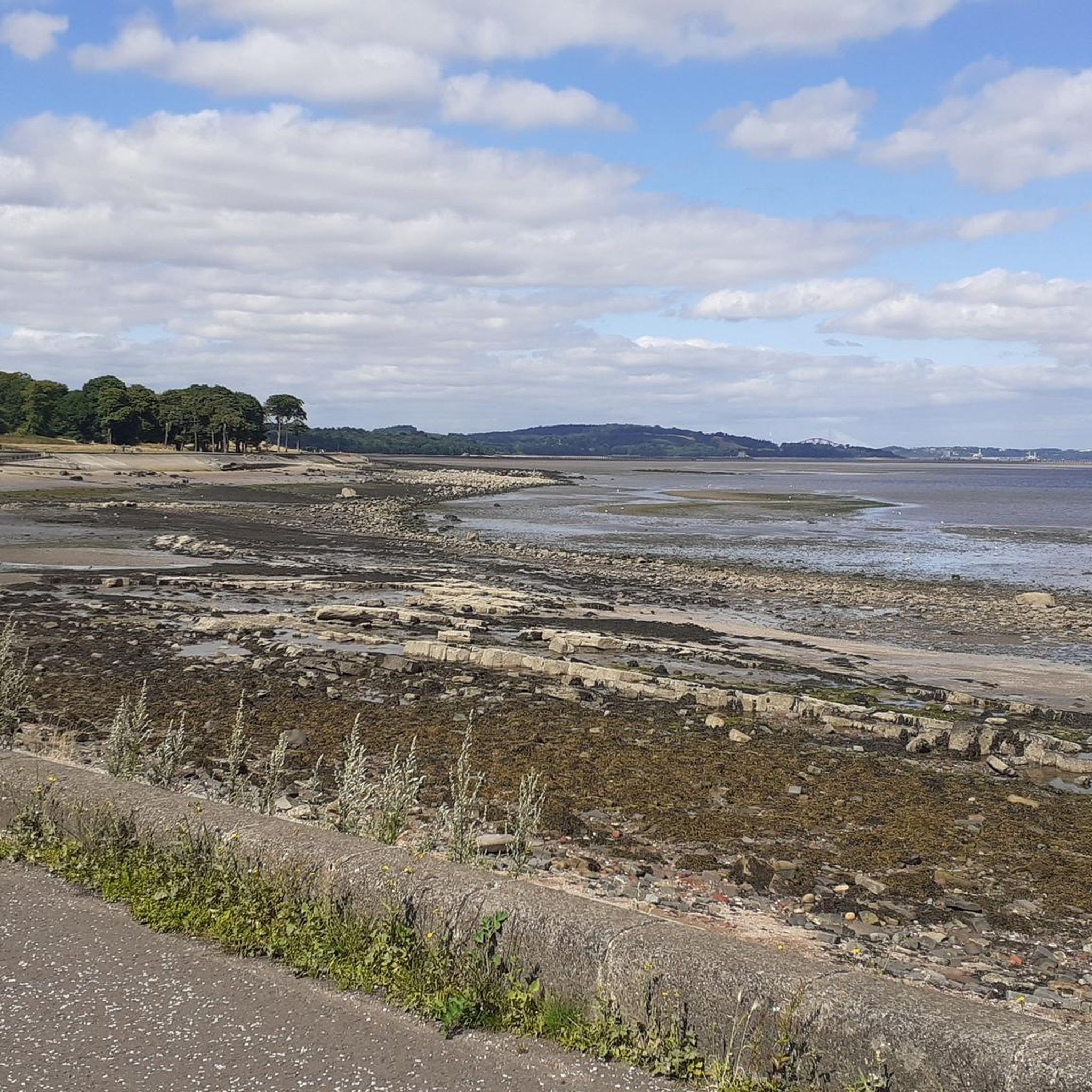
West Pilton Park is a significant green space undergoing development to become a community hub. It features Edinburgh's first 'Wee Forest' and plans for improved play areas, a wetland, and enhanced paths. The park is split into two levels, offering diverse recreational opportunities. You can also enjoy the Granton Foreshore for scenic walks.
What natural features are prominent along the Granton Foreshore?
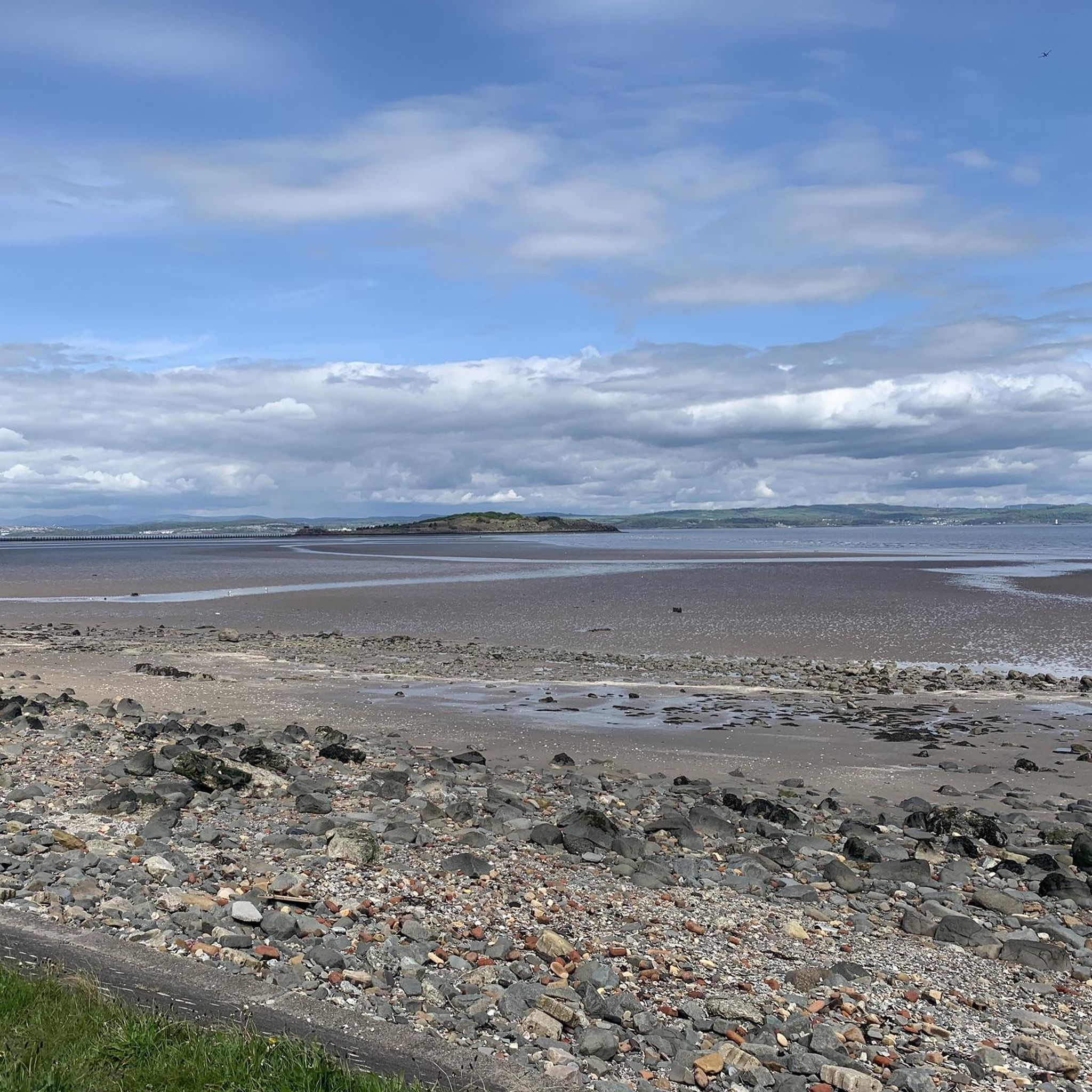
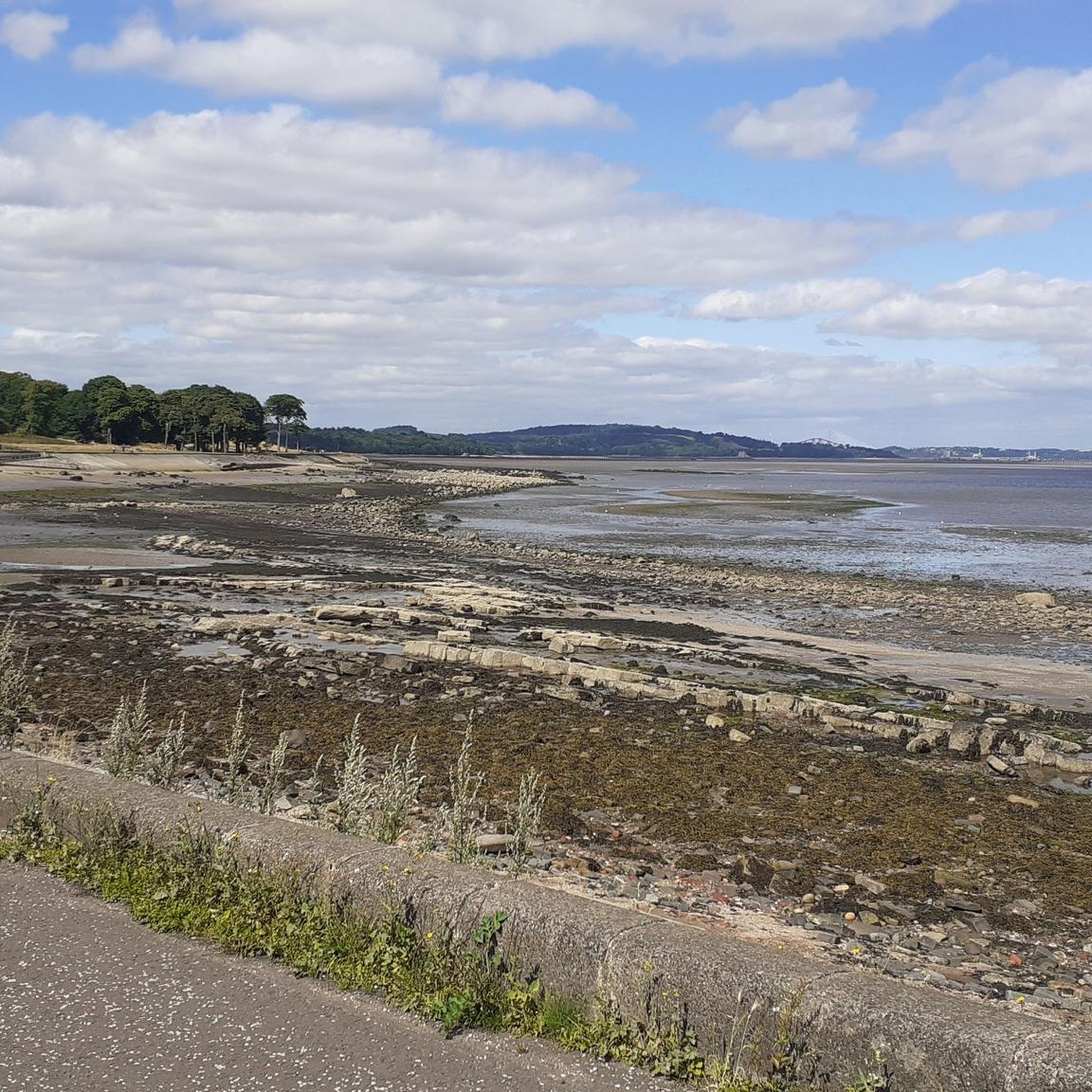
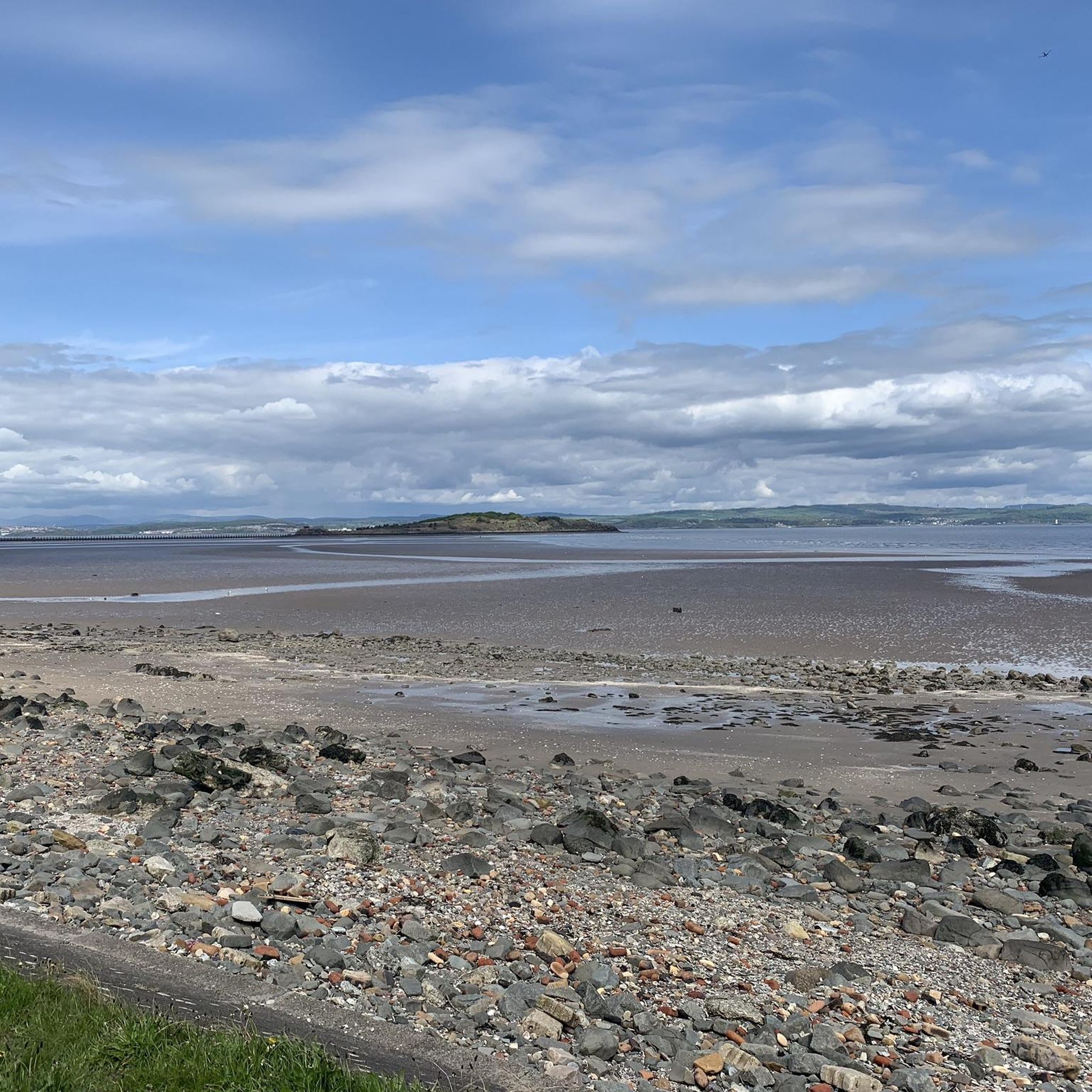
The Granton Foreshore offers scenic walks along the Firth of Forth. It's notable for the Granton Sea Quarry, which historically provided stone for landmarks like Holyrood Palace. The foreshore area between Granton and Newhaven is also designated as a Site of Special Scientific Interest (SSSI) due to its important fossil resources.
Are there family-friendly activities or attractions in West Pilton/West Granton?
West Pilton Park is an excellent option for families, with its play areas and open spaces. The Granton:Hub also hosts community activities that can be family-friendly. For a broader experience, the National Museum Collection Centre offers tours that might appeal to older children interested in history and science.
What kind of walking routes are available near West Pilton/West Granton?
You can find several walking routes in the vicinity. For coastal walks, explore the Granton Foreshore. If you're looking for more structured routes, consider options like the 'Silverknowes Beach – Cramond Bistro loop' or the 'Drum Sands – Silverknowes Beach loop'. You can find more details and routes in the Hiking around West Pilton/West Granton guide.
Can I go running near the attractions in West Pilton/West Granton?
Yes, the area offers good opportunities for running. Popular routes include the 'Silverknowes Esplanade – Forthquarter Park loop' and the 'Ferry Road Path – Granton Harbour loop'. These routes provide a mix of coastal views and urban paths. Discover more running trails in the Running Trails around West Pilton/West Granton guide.
What is the significance of the Madelvic House in Granton?
Madelvic House, now home to the Granton:Hub, is historically significant as the oldest surviving car factory building in Britain. Dating back to 1898, it was where electric cars were once manufactured, highlighting Granton's pioneering role in industrial innovation.
Are there any viewpoints or scenic spots in the area?
While the immediate area focuses on industrial heritage and green spaces, the Granton Foreshore offers pleasant views across the Firth of Forth. For more expansive panoramic views, you might consider visiting Corstorphine Hill Tower, which provides incredible views over the city, though it's a short distance away.
What is the William Speirs Bruce Way?
The William Speirs Bruce Way is a walkway in the area named after a prominent Scottish polar scientist. It offers a chance to enjoy the local environment while commemorating an important figure in Scottish exploration.
What kind of industrial heritage tours are available in Granton?
Granton offers tours that delve into its rich industrial past. These tours cover various aspects, from quarrying and castles to early steel and electric car manufacturing, showcasing the area's significant contribution to Edinburgh's innovation and wealth.
What do visitors enjoy most about the attractions around West Pilton/West Granton?
Visitors appreciate the unique blend of historical industrial heritage, emerging cultural sites, and natural green spaces. The opportunity to explore sites like the historic Madelvic House and enjoy scenic foreshore walks along the Firth of Forth are often highlighted. The developing community hubs and parks, such as West Pilton Park, also add to the appeal.
Most popular routes around West Pilton/West Granton
Most popular attractions around West Pilton/West Granton

Get inspired with the komoot mobile app


Explore more
Still not found the Highlight you’re looking for? See guides of the top attractions in other regions:
