The 19 Most Amazing Peaks around Longstone
Best mountain peaks around Longstone offer diverse elevated landscapes within the Peak District National Park. The area features gritstone escarpments, limestone ridges, and expansive moorland, providing varied terrain for exploration. These locations are known for their geological formations and historical significance, including ancient settlements and mining remnants. Visitors can experience a blend of natural beauty and archaeological interest across the region.
Best mountain peaks around Longstone
- The most popular mountain peaks is Arthur's Seat, a summit that dominates Holyrood…
Last updated: July 2, 2026
Arthur's Seat
Highlight • Summit
Tip by

Scald Law Summit
Highlight • Summit
Tip by

Sign up now to discover places like this
Get recommendations on the best single tracks, peaks, & plenty of other exciting outdoor places.
Sign up for free
Carnethy Hill
Highlight • Natural Monument
Tip by

Corstorphine Hill Tower
Highlight • Viewpoint
Tip by

View from Allermuir Hill
Highlight • Viewpoint
Translated by Google •
Tip by

Sign up for free to discover even more peaks around Longstone.
Sign up for free
Already have an account?
Start today with a free account
Your next adventure awaits.
Login or Signup
Tips from the Community

This is how some 200 years ago, bookworms began: "In that lovely district of merry England, which is watered by the River Don, there was in ancient times a great wood... Here dwelt... the fabulous Dragon of Wantley; here were fought several of the bloodiest battles during the Rose Civil Wars..." Through translations, Scott's fame on the British Isles soon spread throughout Europe, even to the New World. The author, who continued to publish his books anonymously, with the reference "By the Author of Waverley," naturally rejoiced in his hiding place over the success – until, by chance, it was revealed that he, Walter Scott, was the author. The honors in Scotland were endless. The toast Lord Meadowbank made at a banquet held in Scott's honor in 1827 remains valid in Scotland to this day: "The beauties of our country... and the fame of our ancestors have been carried by him beyond the shores of this island, to the ends of the earth. He has... immortalized the name of Scotland..." (Text from https://www.deutschlandfunk.de/250-geburtstag-des-schriftstellers-wie-sir-walter-scott-den-100.html )
0
0

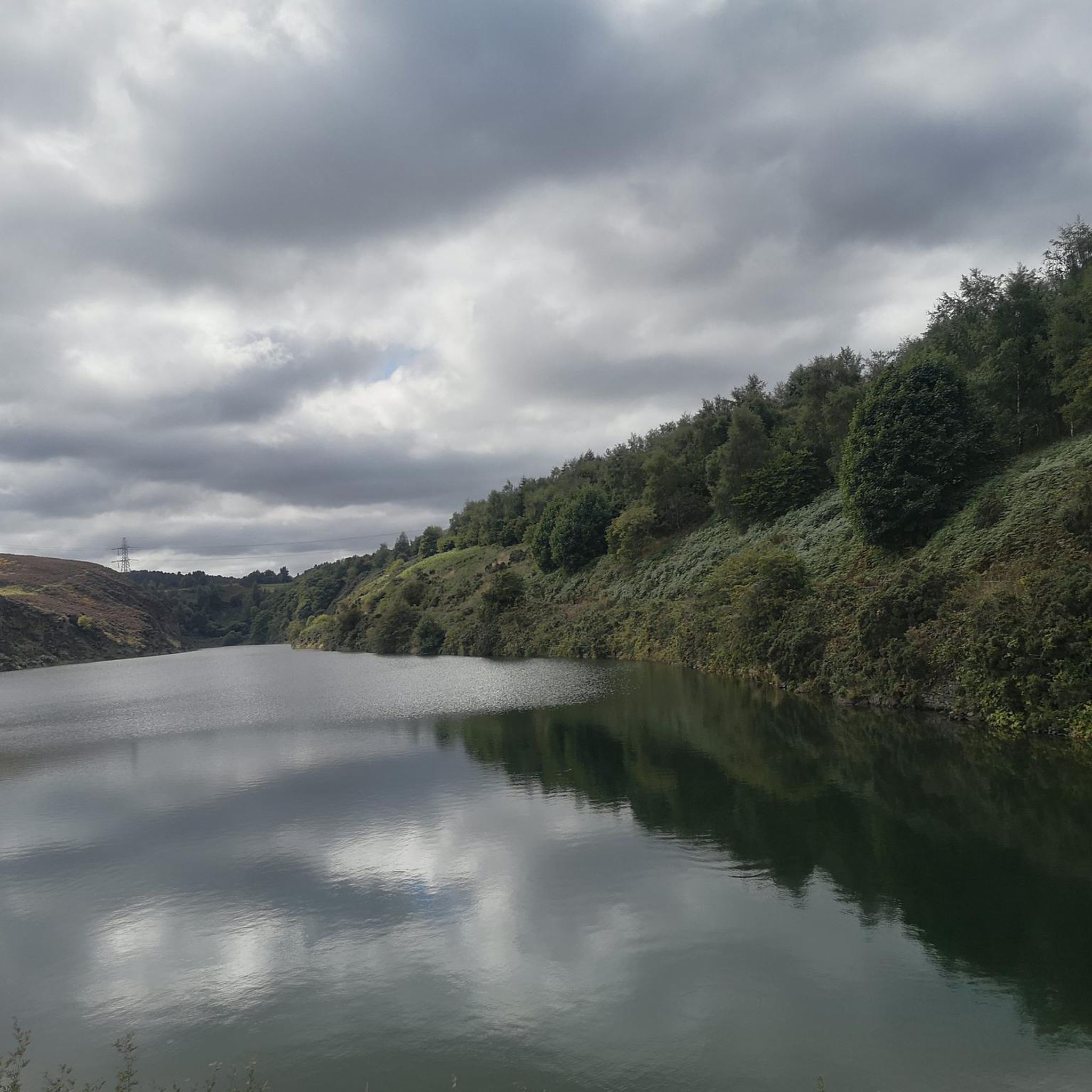
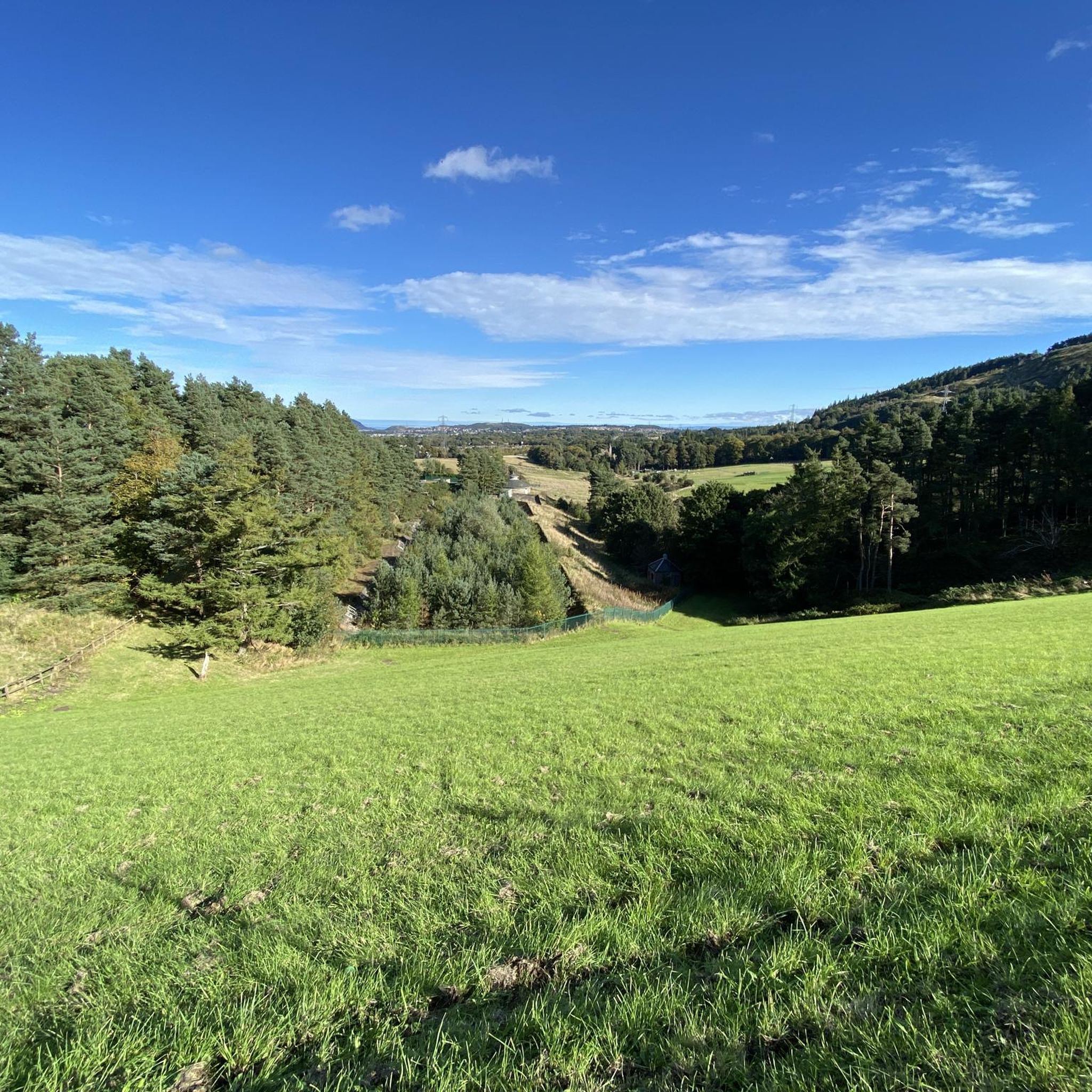
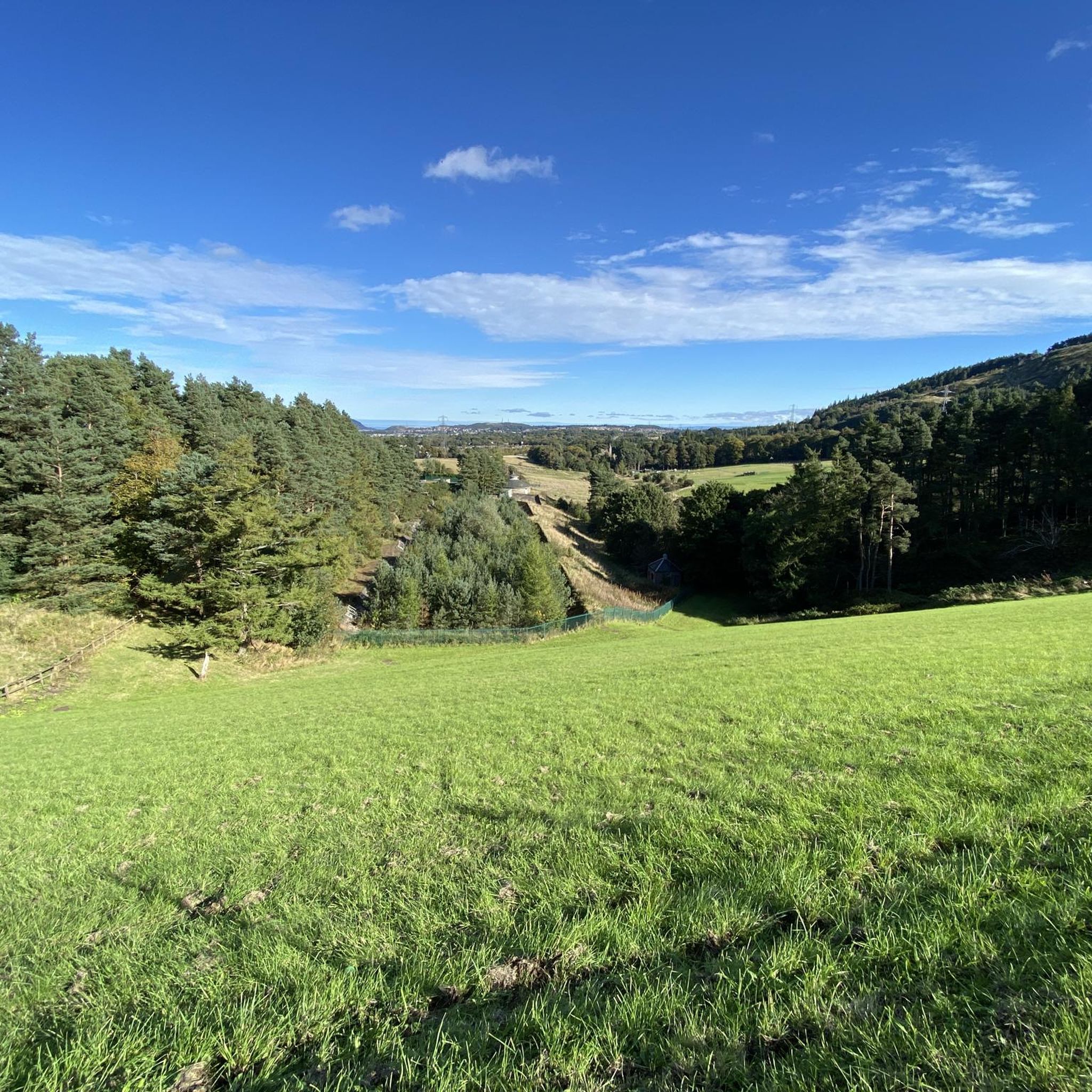
The Pentland Hills (a range of hills south of Edinburgh) offer countless hiking opportunities. One of the "best" (= the northernmost) is Allermuir Hill. There are many paths up the mountain, but the best route is undoubtedly the panoramic route from the Midlothian Snowsports Center parking lot to the summit. The center is...???...interesting... (Skiing on mats in the summer is also possible!), and the summit offers magnificent views in all directions!
0
0


After the peaks it's all flat terrain and definitely more busy on a dry day. Walk the way back after the last peak if you prefer the challenge of it.
0
0

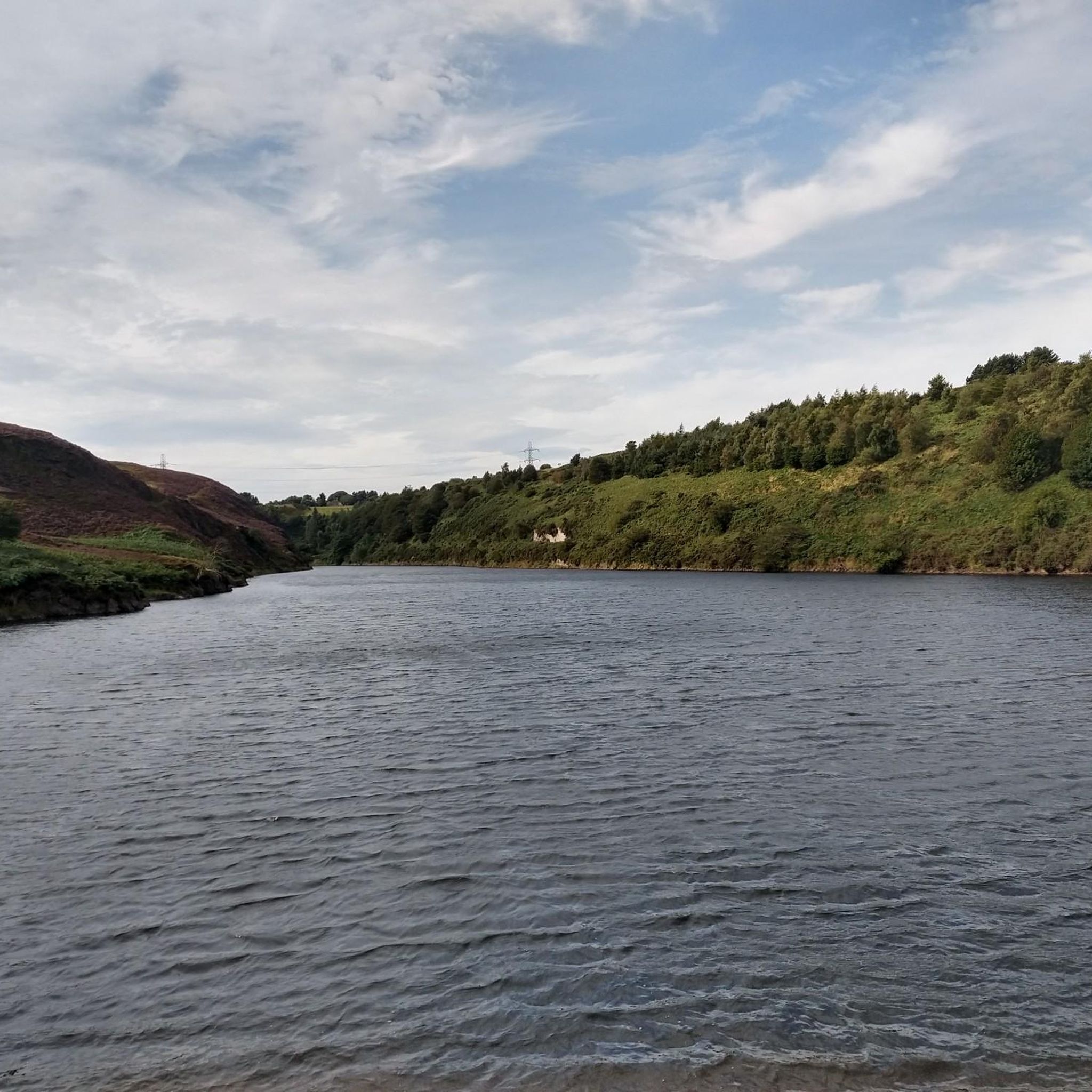
This is one of the most prominent hills of the Pentland Hills. You have superb views toward Edinburgh, the Firth of Forth, and on clear days, even the Fife and Scottish Highlands. The walk to the summit is moderate, and you'll be walking through diverse landscapes from grassy slopes to more rugged and rocky sections near the top.
1
0


Rising gently above the Pentland Hills, this hill offers not only stunning views of Edinburgh and the surrounding coast, but also a welcome escape from the hustle and bustle of everyday life.
0
0
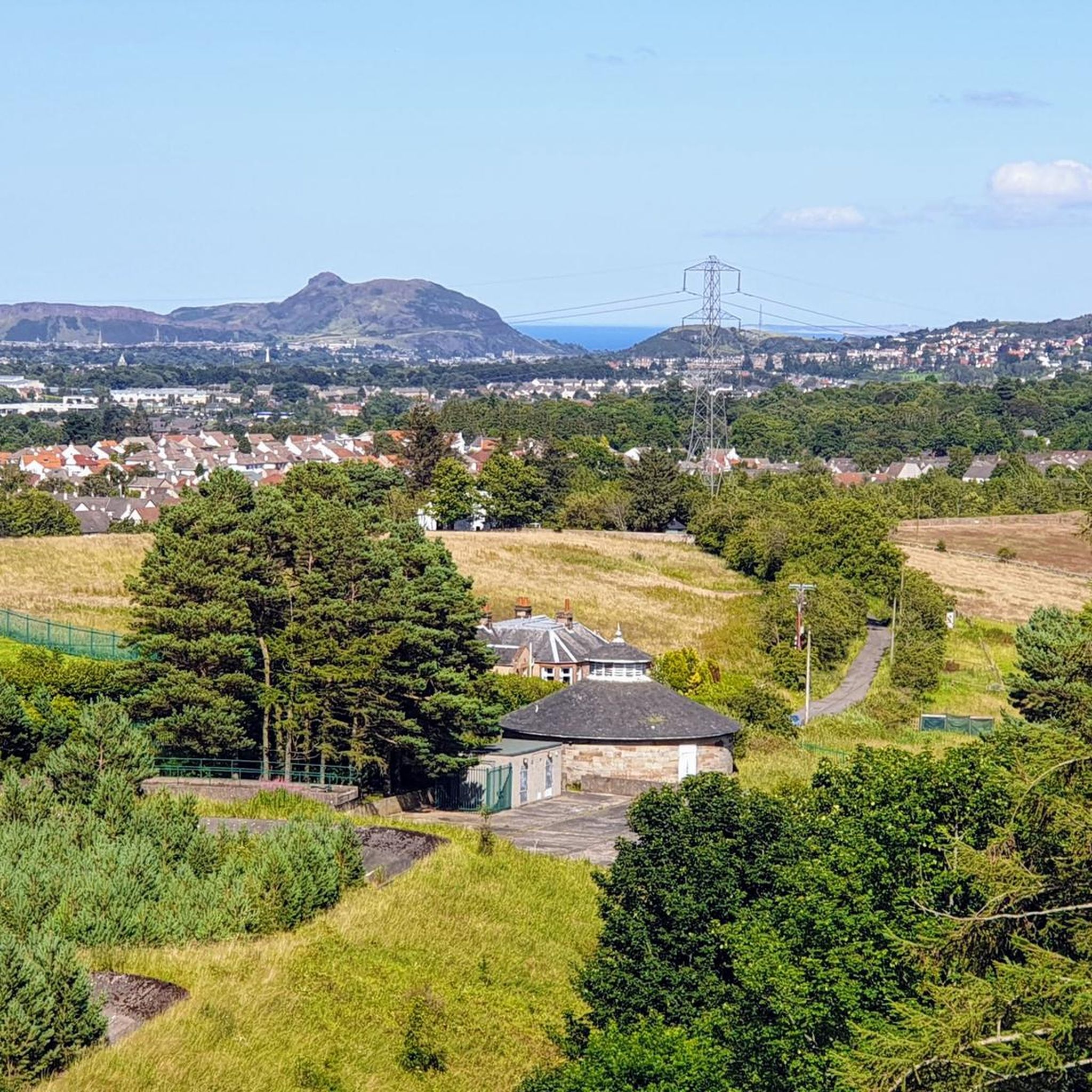
As I pedal my mountain bike, I feel the stress of everyday life slipping away. The way up is peppered with corners that invite you to linger. But my destination is clear: the Corstorphine Hill Tower, a monument to Sir Walter Scott that rises majestically at the top of the hill. I can't wait to get to the tower, which is said to have incredible views over Edinburgh. But before I reach the top, I remember the words of those who value this place: respect nature, leave no trace and do not disturb the wildlife. As I drive through the vast deciduous forests that cover most of the hill, I can't help but enjoy the tranquility that surrounds me. The hill, a local nature reserve and a geologically and geomorphologically significant site, tells stories from times long past. The hill's doleritic composition, formed by glacial movements, adds another layer of intrigue. I reach the tower shortly after the first rays of sun kiss the top of the hill. The sight that greets me is breathtaking. The city of Edinburgh lies at my feet, nestled in the greenery that makes this hill so special. I take a moment to enjoy the silence and the view before heading back. The descent is a rush - the cool morning air brushes against my face as I navigate the paths, always careful not to erode or disturb other visitors.
2
0
Frequently Asked Questions
What types of mountain peaks can I explore around Longstone?
The Longstone area, nestled within the Peak District National Park, offers a diverse range of elevated landscapes. You can explore dramatic gritstone escarpments like White Edge, limestone ridges such as Longstone Edge, and expansive moorland like Longstone Moor. Each offers unique geological features and scenic beauty.
Which peaks offer the best panoramic views in the Longstone area?
For breathtaking panoramic views, Higger Tor is an excellent choice, standing at 434 meters and offering spectacular vistas over the Burbage Valley. White Edge also provides expansive views over the Derwent Valley, often with a quieter experience.
Are there any historical sites among the mountain peaks near Longstone?
Yes, the region is rich in history. The Carl Wark Iron Age Hill Fort features a rocky tor with remains of an ancient settlement, offering both natural beauty and archaeological interest. Additionally, Longstone Edge and Longstone Moor contain remnants of past lead, fluorspar, and barytes mining, as well as two bowl barrows on Longstone Moor.
What makes Longstone Moor a unique place to visit?
Longstone Moor is particularly unique as it is the largest example of limestone heathland in the Peak District National Park. It's highly valued for its distinctive vegetation, including rare lichens, and also holds historical significance with the remains of the Cackle Mackle Lead Mine and ancient bowl barrows.
Are there family-friendly options for exploring mountain peaks around Longstone?
Yes, Higger Tor is considered a family-friendly option due to its accessibility and impressive vistas. Its prominent landmark status and relatively easy access make it suitable for families looking to enjoy the views without overly strenuous climbs.
What kind of outdoor activities can I do near the mountain peaks around Longstone?
The diverse terrain around Longstone is ideal for various outdoor activities. You can enjoy walking, hiking, and cycling across gritstone escarpments, limestone ridges, and moorland. The area provides options ranging from easy trails to more challenging routes, catering to different fitness levels.
What is the geological significance of Longstone Edge?
Longstone Edge is geologically significant as an upfolding of the Derbyshire limestone, reaching approximately 400 meters in height. Historically, it was a site for lead, fluorspar, and barytes mining, adding an industrial heritage layer to its natural beauty.
Where can I find quieter trails away from the crowds near Longstone?
White Edge is appreciated for its less-walked trails, offering a more tranquil experience compared to some of the more popular routes in the Peak District. It provides expansive views over the Derwent Valley in a more serene setting.
What are the main attractions of Carl Wark Iron Age Hill Fort?
The Carl Wark Iron Age Hill Fort is a fascinating site where visitors can explore the remains of an ancient Iron Age settlement on a rocky tor. From here, you can enjoy views stretching over Higger Tor and Burbage Rocks, combining natural beauty with significant archaeological interest.
What is the elevation of the prominent peaks in the Longstone area?
The peaks around Longstone vary in elevation. For instance, Higger Tor stands at 434 meters (1,424 feet), while Longstone Edge reaches approximately 400 meters (1,300 feet). Longstone Moor rises to about 395 meters (1,296 feet) above sea level.
What makes the Longstone region appealing to outdoor enthusiasts?
The Longstone region appeals to outdoor enthusiasts due to its diverse landscapes, offering everything from dramatic gritstone to unique limestone heathland. The area provides opportunities for various activities, stunning panoramic views, and a rich blend of historical and ecological interest.
Most popular routes around Longstone
Most popular attractions around Longstone

Get inspired with the komoot mobile app


Explore more
See even more amazing summits around Longstone with these guides:
