Attractions and Places To See around Cramond And Barnton - Top 20
Best attractions and places to see around Cramond And Barnton include a mix of historical sites, natural landscapes, and cultural experiences. Cramond, known for its ancient origins and coastal features, offers insights into Scotland's past with Roman ruins and a tidal island. Barnton provides historical structures and recreational spaces, including a former Cold War bunker and significant golf courses. The area features diverse terrain, from scenic river walkways to prominent hills, offering varied exploration opportunities.
Best attractions and places to…
Last updated: August 25, 2026
Arthur's Seat
Highlight • Summit
Tip by

Scott Monument
Highlight • Viewpoint
Translated by Google •
Tip by

Sign up now to discover places like this
Get recommendations on the best single tracks, peaks, & plenty of other exciting outdoor places.
Sign up for free
Corstorphine Hill Tower
Highlight • Viewpoint
Tip by

Royal Mile
Highlight • Viewpoint
Tip by
Victoria Street
Highlight • Monument
Tip by

Sign up for free to discover even more attractions around Cramond And Barnton.
Sign up for free
Already have an account?
Start today with a free account
Your next adventure awaits.
Login or Signup
Tips from the Community

Victoria Street in Edinburgh is known for its unique, curved, cobbled design, the vibrant rainbow-coloured shop fronts, and the characteristic two-storey layout with an upper terrace. The street, built between 1829 and 1834, is believed by many to have been the inspiration for Diagon Alley in the Harry Potter books. (Facebook)
2
0

This is how some 200 years ago, bookworms began: "In that lovely district of merry England, which is watered by the River Don, there was in ancient times a great wood... Here dwelt... the fabulous Dragon of Wantley; here were fought several of the bloodiest battles during the Rose Civil Wars..." Through translations, Scott's fame on the British Isles soon spread throughout Europe, even to the New World. The author, who continued to publish his books anonymously, with the reference "By the Author of Waverley," naturally rejoiced in his hiding place over the success – until, by chance, it was revealed that he, Walter Scott, was the author. The honors in Scotland were endless. The toast Lord Meadowbank made at a banquet held in Scott's honor in 1827 remains valid in Scotland to this day: "The beauties of our country... and the fame of our ancestors have been carried by him beyond the shores of this island, to the ends of the earth. He has... immortalized the name of Scotland..." (Text from https://www.deutschlandfunk.de/250-geburtstag-des-schriftstellers-wie-sir-walter-scott-den-100.html )
0
0


To climb to the top of the tower, you must climb 287 steps, which are divided into four levels, where you can pause and rest if you wish. As you continue up the spiral staircase, the climb becomes increasingly challenging as the walls become narrower and the steps become unstable. Although the climb may seem endless and a bit tiring, the effort will be worth it once you reach the top. Here, you'll be able to enjoy some of the best views of Edinburgh. Simply stunning views. If you don't suffer from claustrophobia or have a condition that prevents you from climbing to the top of the Scott Monument, we highly recommend climbing to the top to enjoy the breathtaking views. https://www.introducingedinburgh.com/scott-monument
5
0
The history of the monument, and much more, is told in the monument's museum hall on the first floor. Visitors can learn more about Scott himself, his eventful life, his legacy in international literature, and the monument built in his honor. Audio points allow visitors to listen to excerpts from his writings. https://www.edinburghmuseums.org.uk/venue/scott-monument
3
1
The Scott Monument is one of Edinburgh's most iconic landmarks, a must-see for visitors and locals alike. Dedicated to Sir Walter Scott, it is one of the greatest monuments to a writer in the world.
3
1
India Buildings on Victoria Street was built in 1864 by architect David Cousins and designed in the fashionable Baronial style of the time. Note the 'bartizan' on top of the building, a small turret inspired by medieval battlements. It was intended to be office space and among the first occupants were the British Linen Bank, the Scottish Chamber of Agriculture and the Geological Survey of Scotland. In recent years many Edinburgh citizens will remember the building as housing the General Register Office. https://ewh.org.uk/victoria-street/
3
0
Frequently Asked Questions
What historical sites can I explore in Cramond and Barnton?
Cramond boasts ancient origins with the Cramond Roman Fort and Bath House Ruins, dating back to 140 A.D., and the 15th-century Cramond Kirk. You can also see Cramond Tower, a 15th-century tower house. In Barnton, visit the unique Barnton Quarry Bunker, a former Cold War underground military installation now being restored as a museum, and Braehead House, a 15th-century remodelled Scottish tower house.
Are there any ancient Roman ruins to visit in the area?
Yes, Cramond is home to significant Roman history. You can explore the remains of the Cramond Roman Fort and Bath House Ruins, which were part of a Roman outpost established around 140 A.D. These ruins offer a direct glimpse into Scotland's Roman past.
Where can I learn more about the local history of Cramond?
To delve deeper into Cramond's rich history, visit the Cramond Heritage Museum (The Maltings). Run by local volunteers, it showcases the area's extensive past. Additionally, the Cramond Heritage Trust is actively involved in preserving and interpreting the local history.
What natural attractions are there to explore in Cramond and Barnton?
The area offers diverse natural beauty. In Cramond, you can walk across the causeway to Cramond Island at low tide, explore the scenic River Almond Walkway, or enjoy Cramond Beach and Esplanade. Near Barnton, the Cammo Nature Reserve provides tranquil paths, ruins of Cammo House, and ancient trees.
Can I go hiking or cycling near these attractions?
Absolutely! Both Cramond and Barnton offer excellent opportunities for outdoor activities. For hiking, explore trails like the Cammo Estate Local Nature Reserve loop or coastal walks such as the Silverknowes Beach – Wardie Bay loop. Cyclists can enjoy routes like the River Almond Weir – Old Almond Bridge loop. You can find more details on specific routes in the hiking guide and cycling guide for Cramond and Barnton.
What are the best walking trails for families in the area?
For families, the Cammo Estate Local Nature Reserve loop is an easy and enjoyable option. The River Almond Walkway also offers a pleasant, scenic path suitable for all ages. Additionally, many of the coastal walks around Cramond, such as the Silverknowes Beach – Drum Sands loop, are relatively flat and easy, perfect for a family outing. You can find more easy hikes in the easy hikes guide.
Is Cramond Island accessible, and what should I know before visiting?
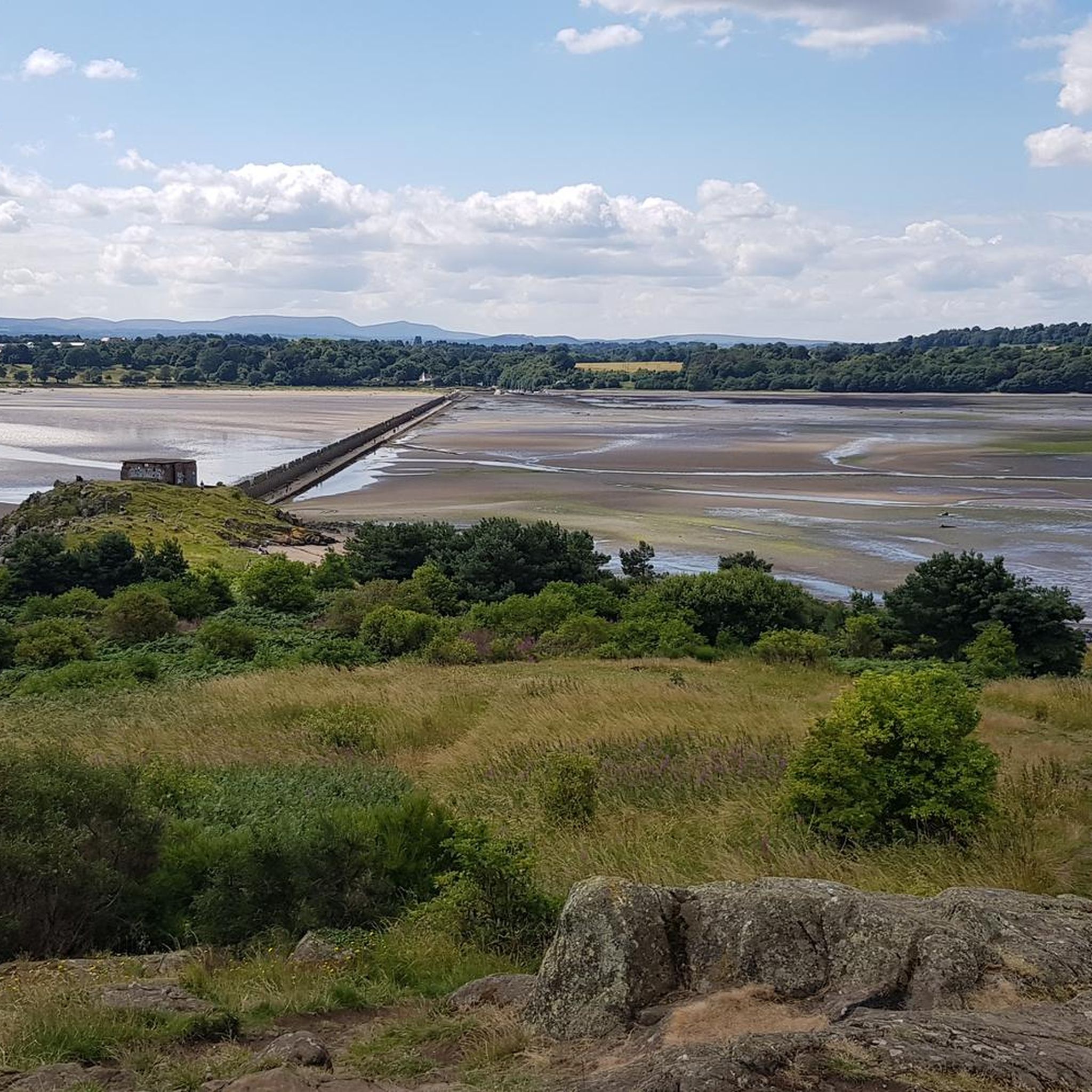
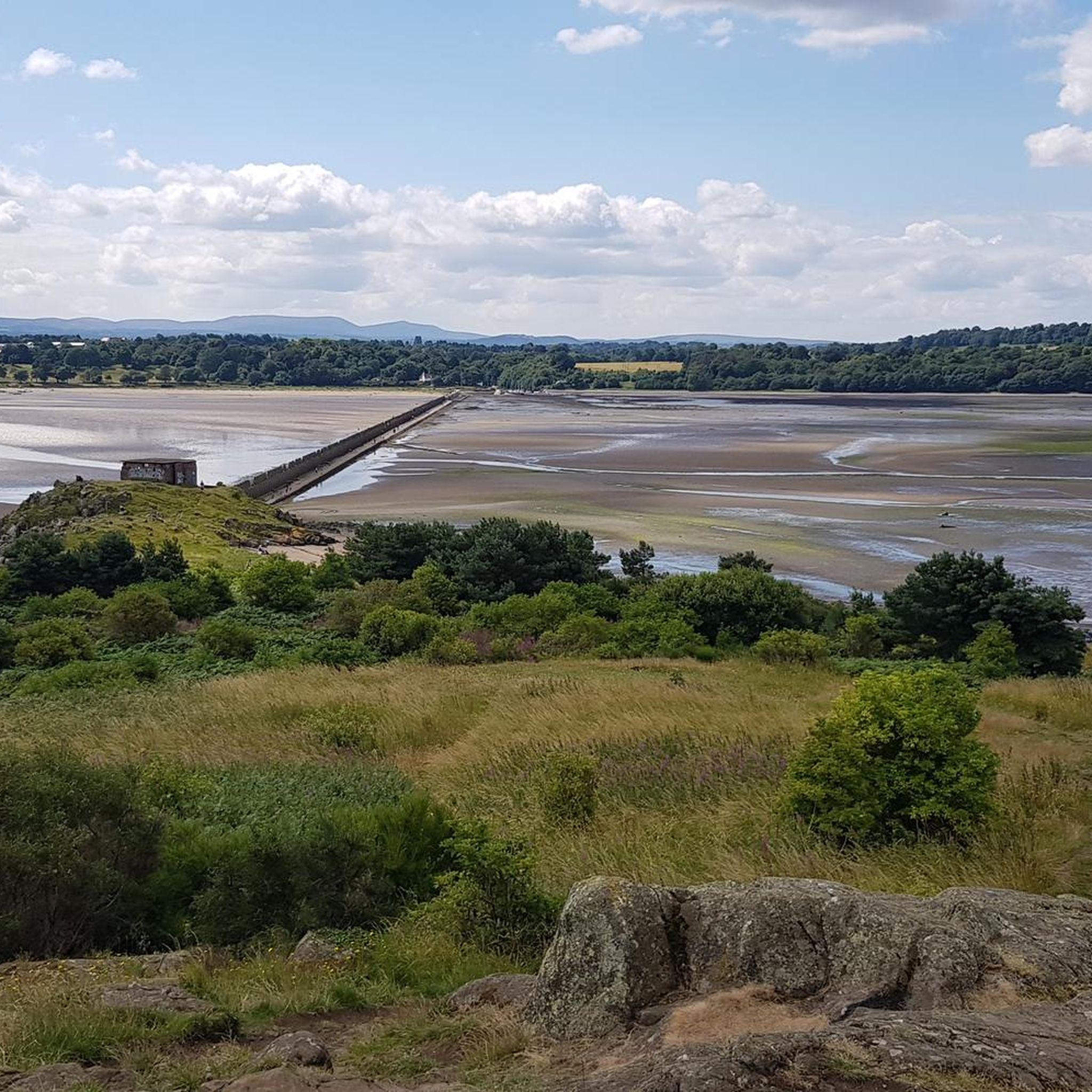
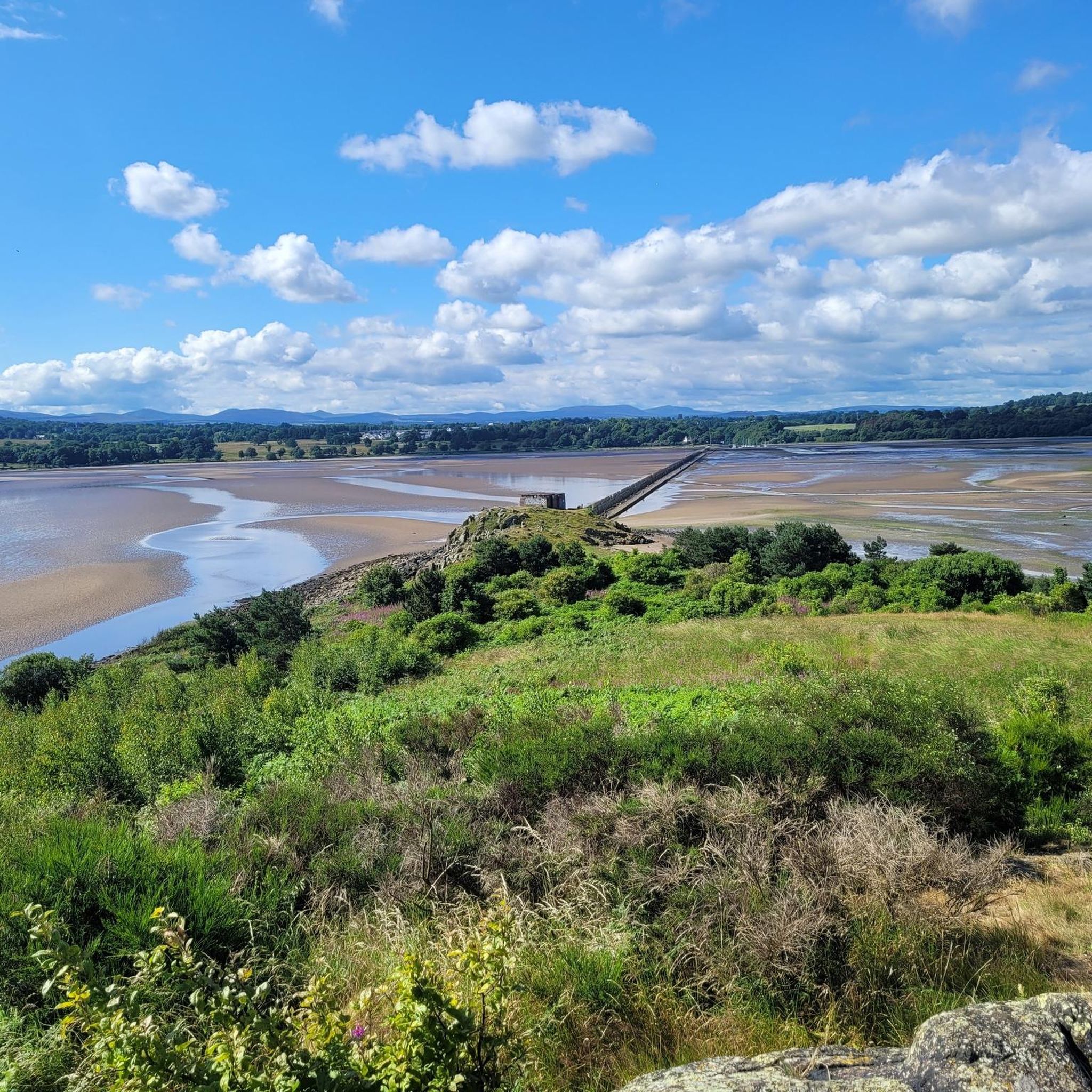
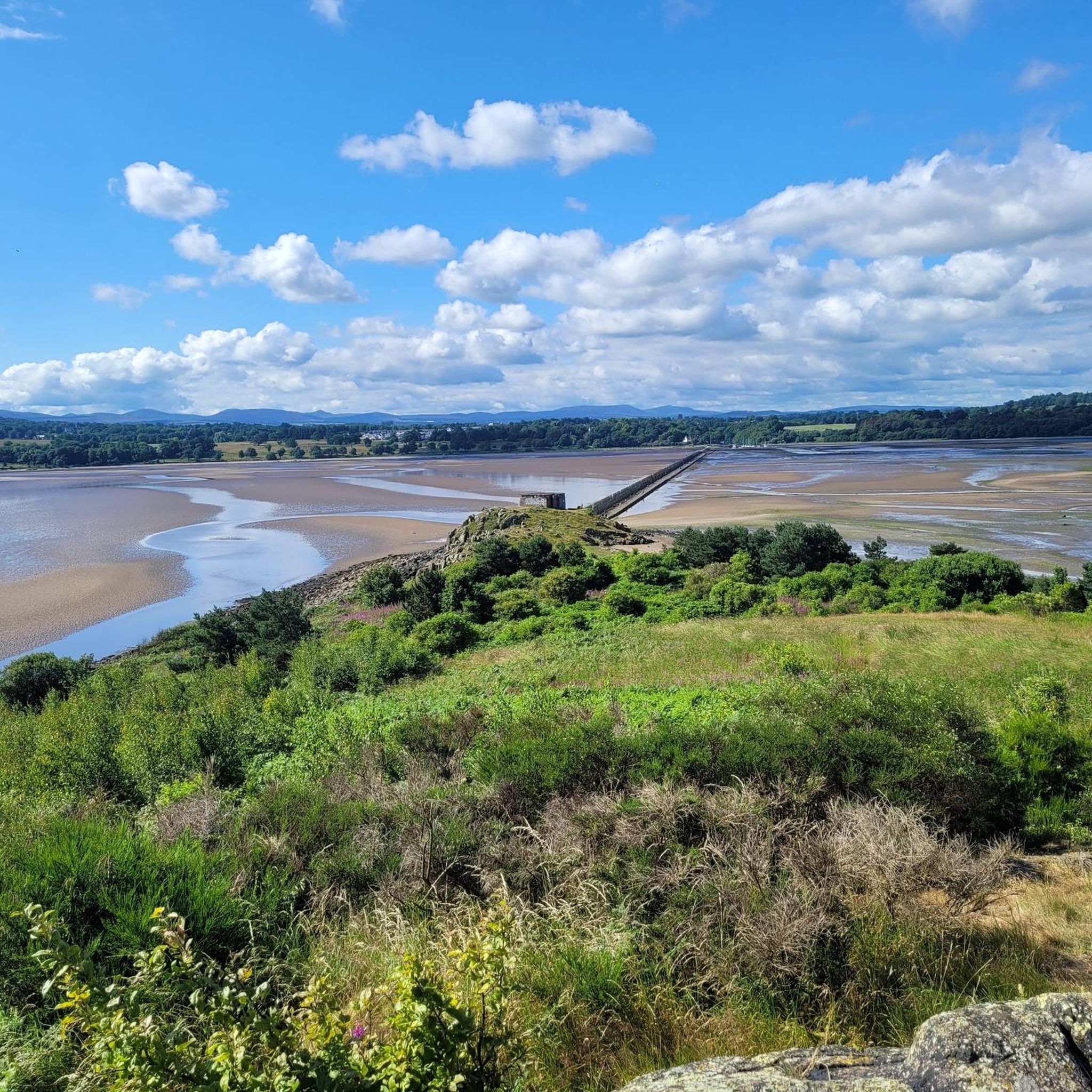
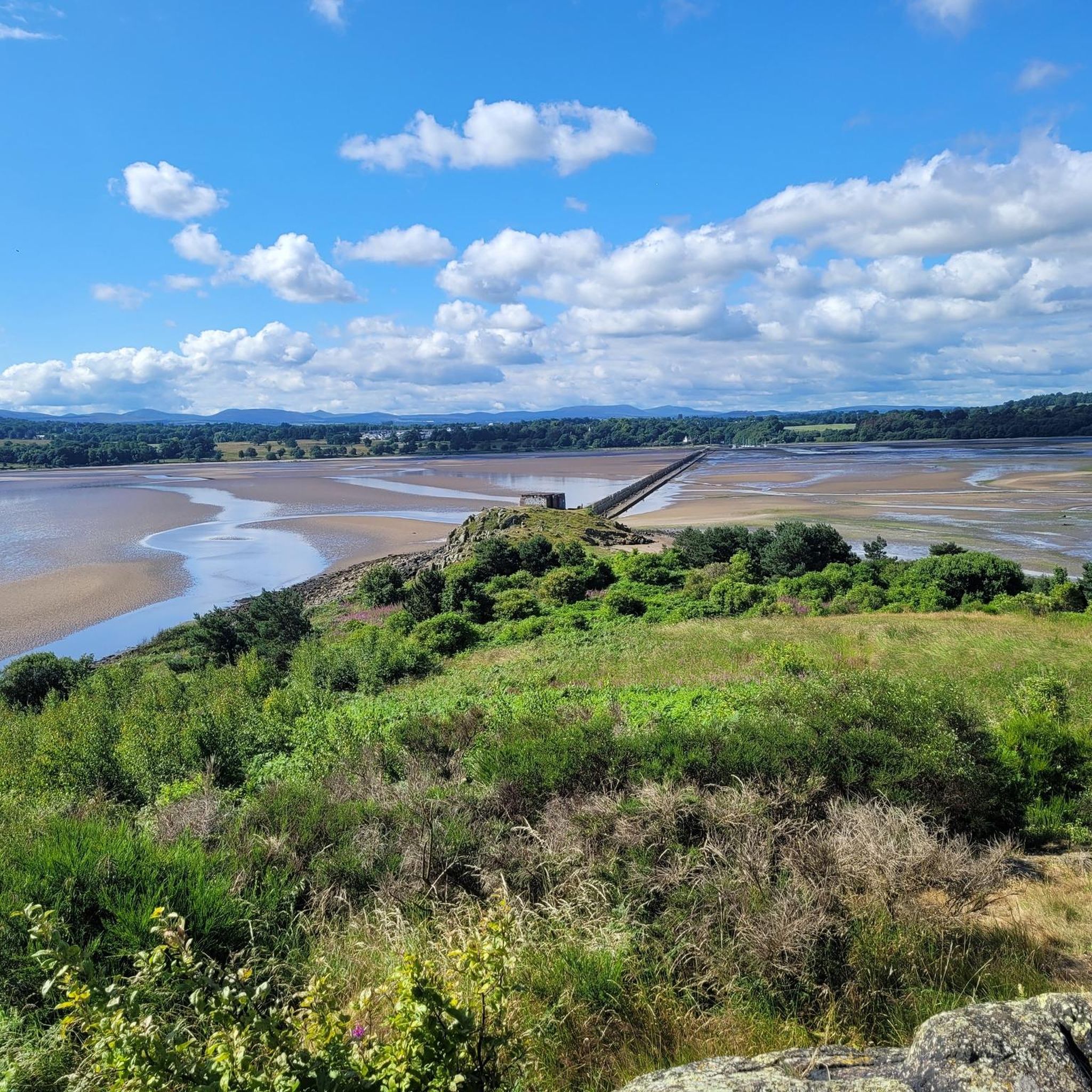
Cramond Island is a tidal island accessible via a 1.2 km-long causeway at low tide. It's important to check tide times carefully before visiting to avoid being stranded. Once on the island, you can explore World War II fortifications and enjoy views of the Firth of Forth. Always plan your visit around the safe crossing times.
Are there family-friendly activities or places for kids?
Beyond the easy walks, families can enjoy exploring the ruins and natural beauty of Cammo Nature Reserve. While not directly in Barnton, Craigies Farm nearby offers a farm shop, cafe, and pick-your-own produce, along with a playbarn, making it a great family-friendly excursion. The gardens of Lauriston Castle also provide a lovely space for children to explore.
Where can I enjoy scenic views of the Firth of Forth?
For stunning views of the Firth of Forth and the Forth Bridges, head to Cramond Esplanade or take a walk to Cramond Island. From the island, you get panoramic vistas of the coastline. The summit of Arthur's Seat, though a short distance away, also offers commanding views across the Edinburgh region and the Firth of Forth.
What is the best time of year to visit Cramond and Barnton?
The spring and summer months (April to September) generally offer the most pleasant weather for exploring the outdoor attractions, such as Cramond Island, the River Almond Walkway, and Cammo Nature Reserve. These seasons are ideal for walking, cycling, and enjoying the coastal areas. However, historical sites and museums are accessible year-round.
Are there places to eat or drink in Cramond or Barnton?
Yes, Cramond has the historic Cramond Inn, established in 1670, which continues to operate as a place for refreshments. There are also cafes and pubs in the vicinity of both Cramond and Barnton, offering options for meals and drinks after your explorations.
Are there dog-friendly walking options in Cramond and Barnton?
Many of the natural areas in Cramond and Barnton are dog-friendly. The River Almond Walkway, Cramond Beach (with seasonal restrictions in some areas), and Cammo Nature Reserve are popular spots for dog walkers. Always ensure your dog is under control and check for any specific local regulations regarding pets.
Most popular routes around Cramond And Barnton
Most popular attractions around Cramond And Barnton

Get inspired with the komoot mobile app


Explore more
Still not found the Highlight you’re looking for? See guides of the top attractions in other regions:
