Top 6 Castles around Dunbeg
Best castles around Dunbeg are found in a region defined by its coastal landscape and historical significance. The area features ancient strongholds and ruins, often positioned on strategic promontories overlooking lochs and the sea. These sites offer insights into centuries of Scottish history and architecture. There are 6 castles to explore around Dunbeg.
Best castles around Dunbeg
- The most popular castles is Gylen Castle, a historical site that consists of imposing castle ruins on the cliffs of Kerrera. This…
Last updated: May 20, 2026
Gylen Castle
Highlight • Historical Site
Tip by

Dunstaffnage Chapel Ruins
Highlight • Religious Site
Translated by Google •
Tip by

Sign up now to discover places like this
Get recommendations on the best single tracks, peaks, & plenty of other exciting outdoor places.
Sign up for free
Barcaldine Castle
Highlight • Historical Site
Tip by

Castle Coeffin
Highlight • Castle
Tip by

Tirefour Broch
Highlight • Natural Monument
Tip by
Sign up for free to discover even more castles around Dunbeg.
Sign up for free
Already have an account?
Start today with a free account
Your next adventure awaits.
Login or Signup
Tips from the Community

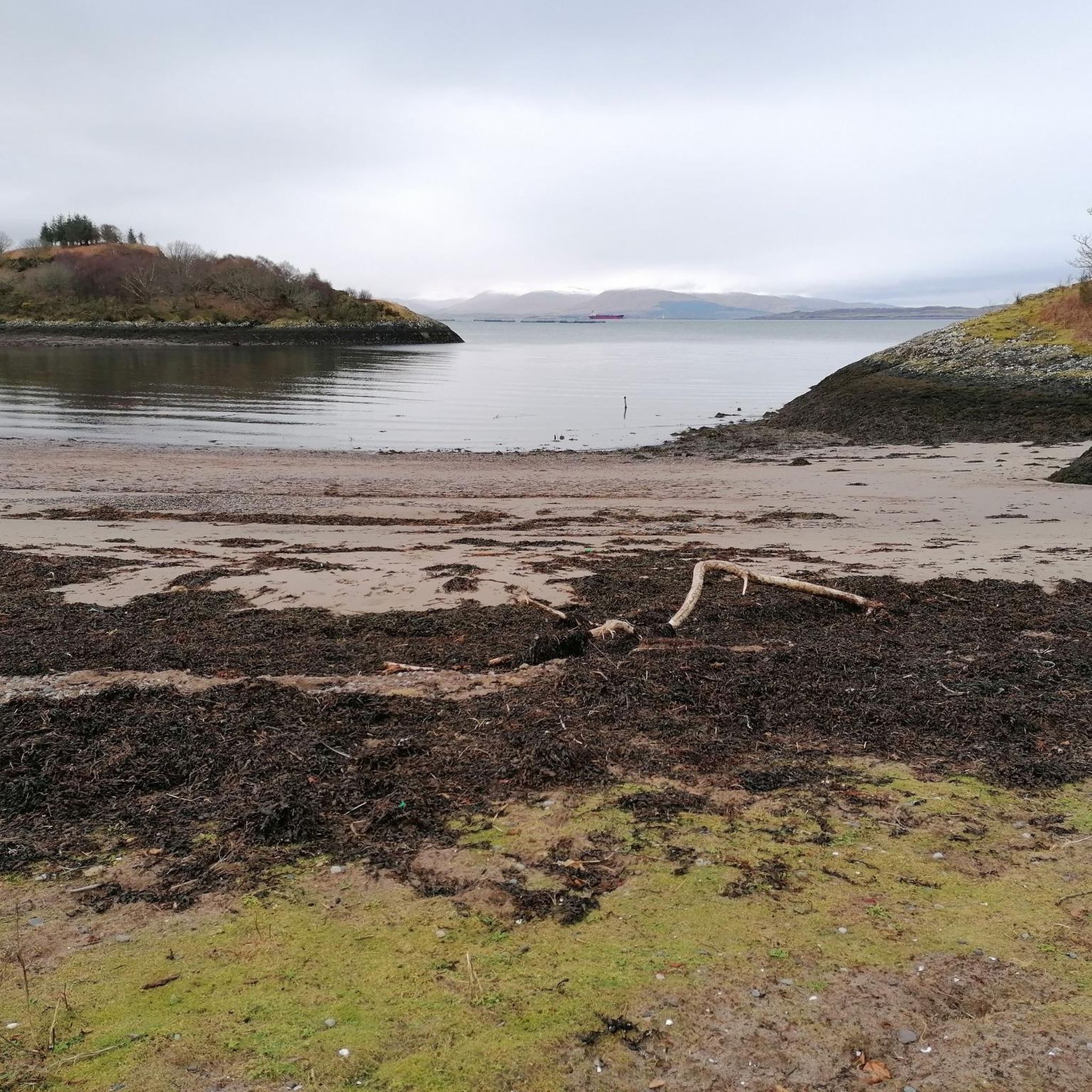
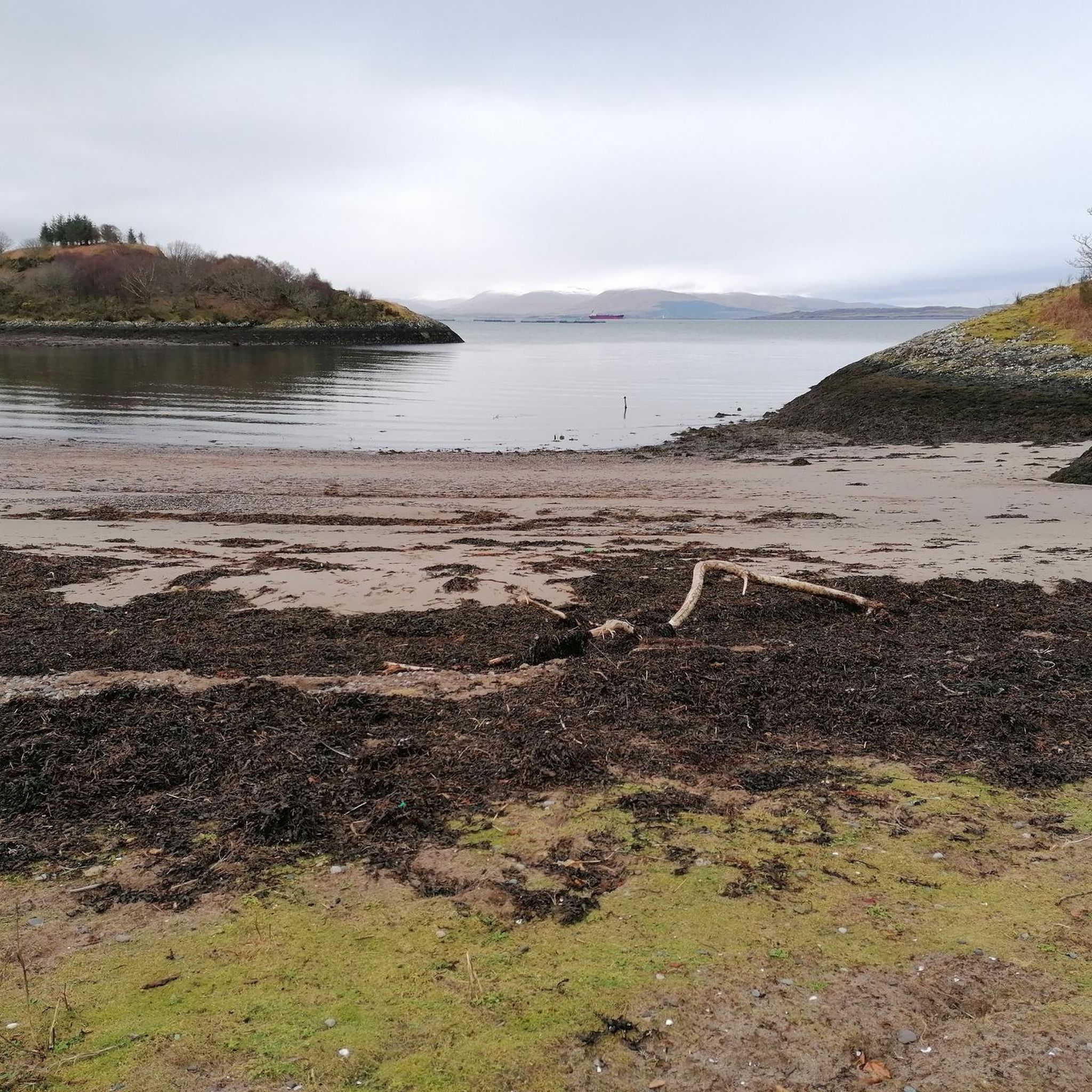
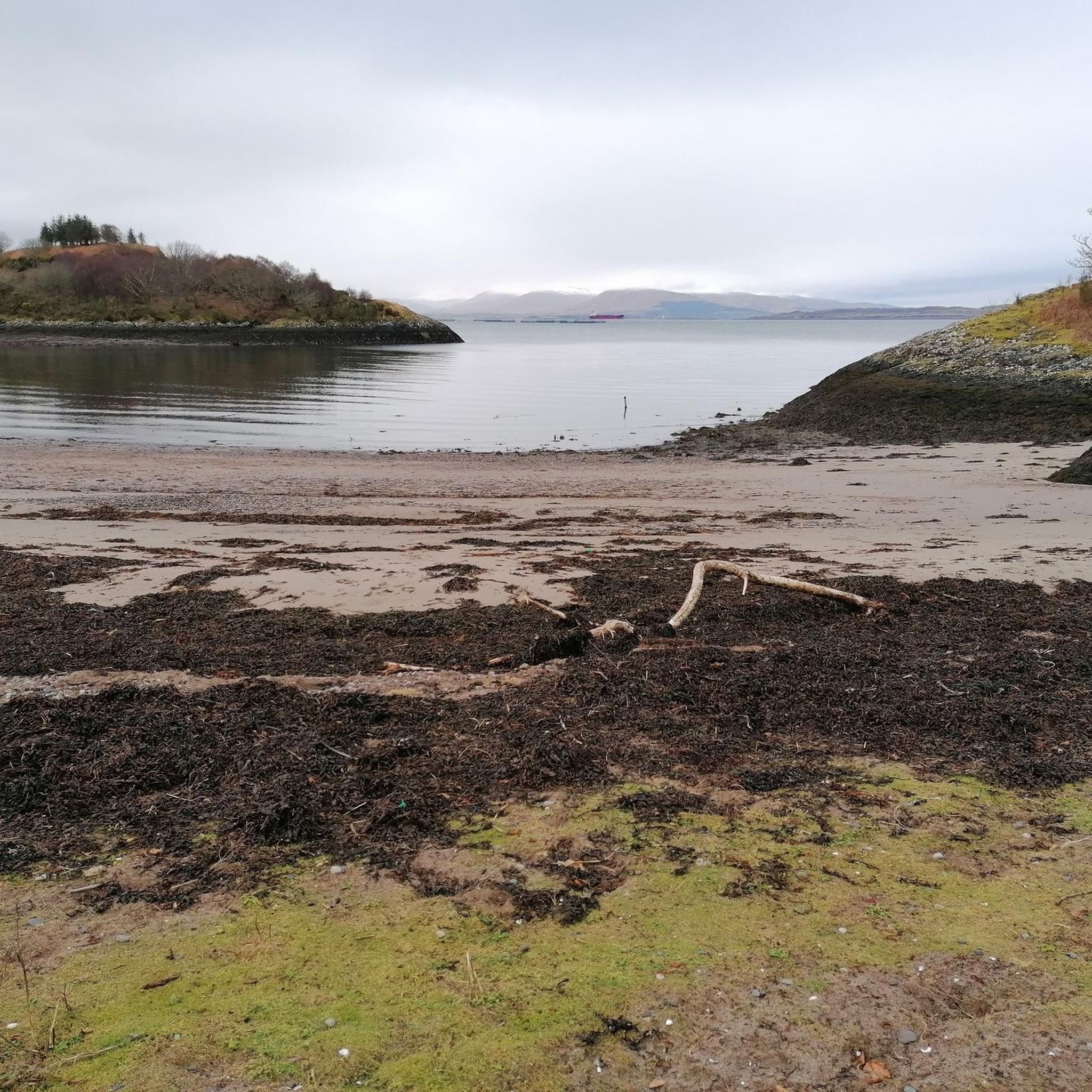
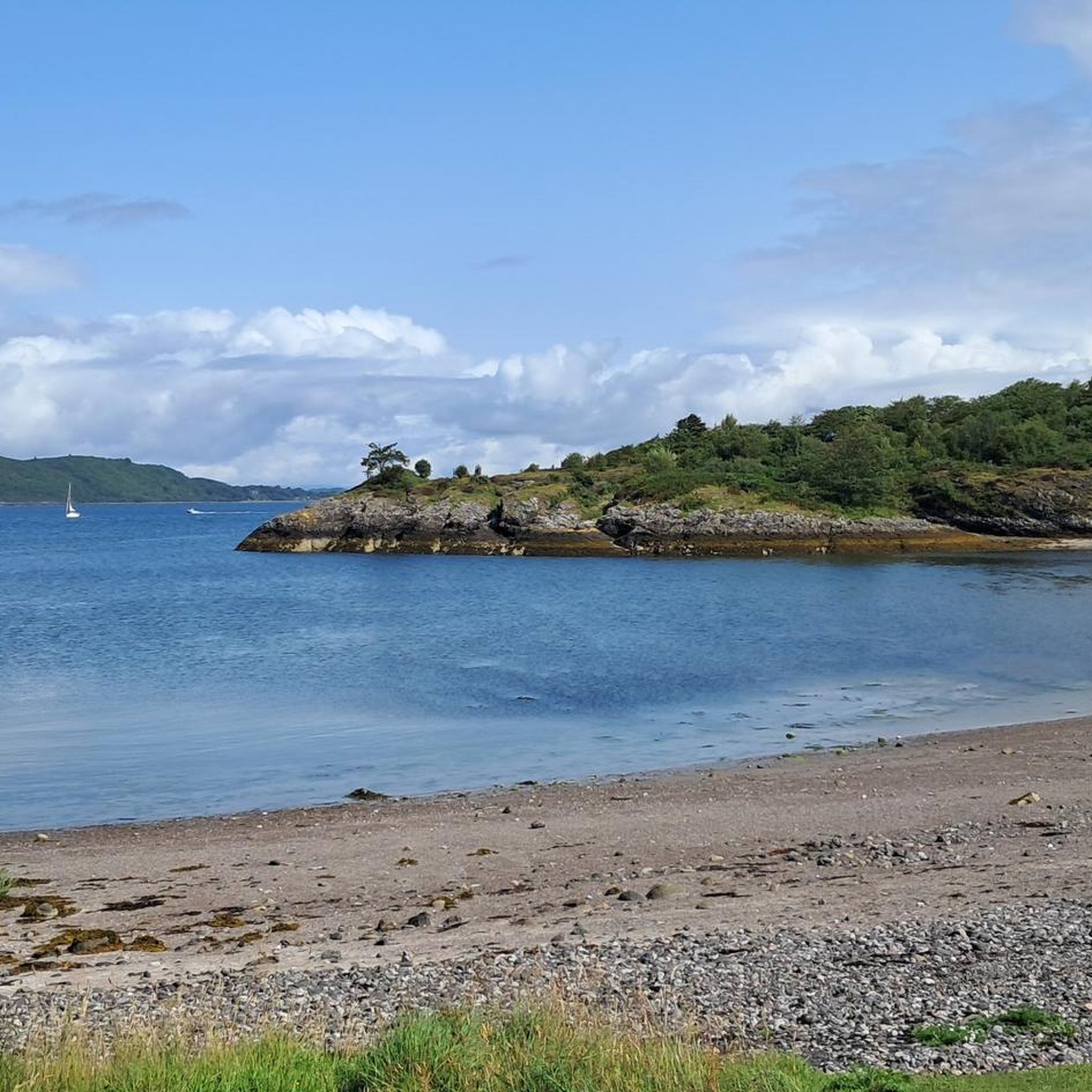
Located directly on the hiking trail. Fantastic view of the sea and the highlands in the background.
0
0


Tirefour Castle or Broch is the ruins of an impressive Iron Age broch located on the eastern side of the Isle of Lismore. The broch, which dates back to the Middle Ages, stands in an elevated position, providing sensational views across to the Lynn of Lorne and the mainland to Port Appin.
1
0
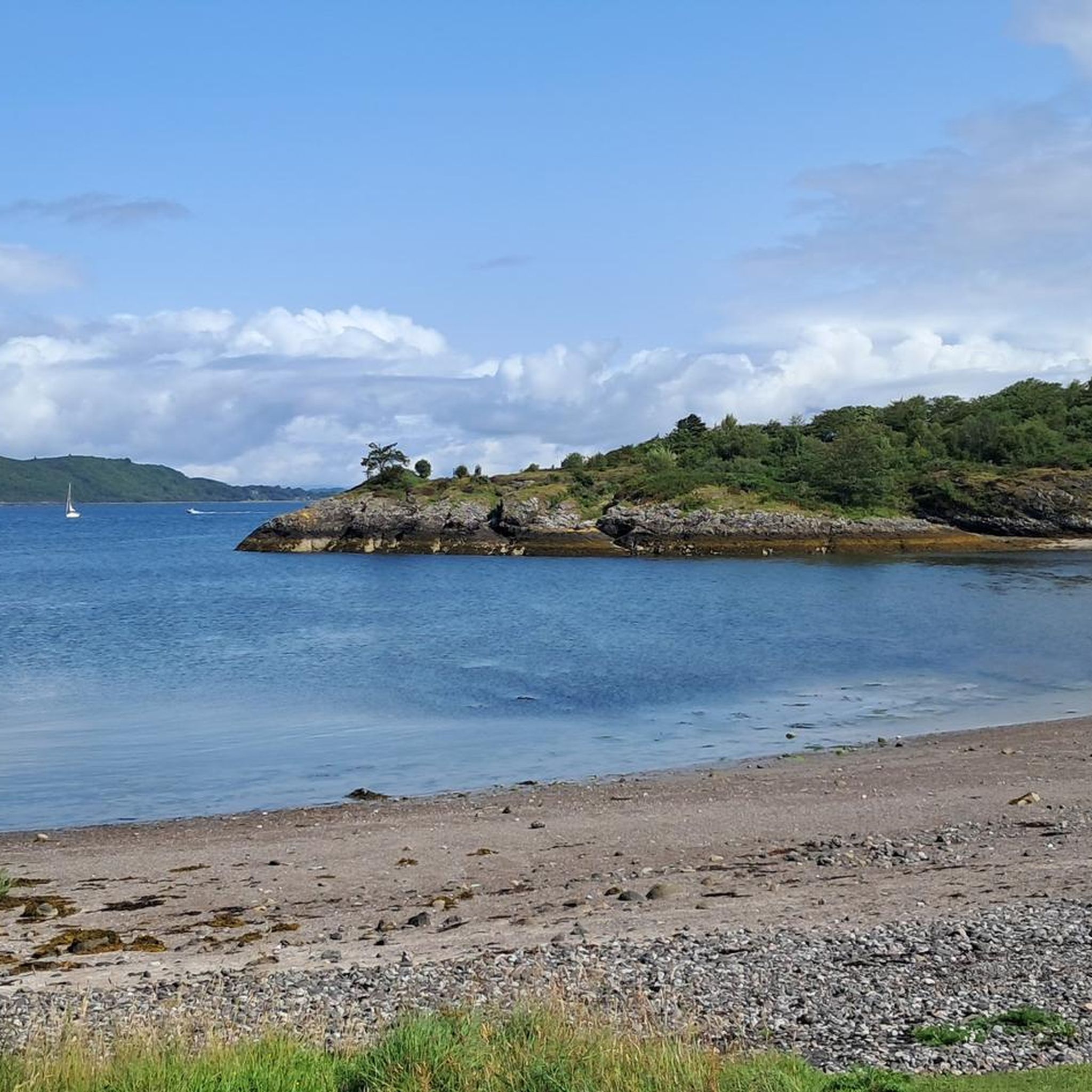
Castle Coeffin is the ruin of an old fortress that stands tall on the west coast of the Isle of Lismore, once used to spot foes approaching from sea.
3
0

Gylen Castle was originally built in 1582; however what you see now is the result of a huge restoration effort from Historic Scotland and the Clan McDougall. Located on the edge of the sea, this ruin is one of the iconic attractions of Kerrera.
5
0

Historic castle ruins with a great view. The hill in front makes a great picnic spot with views of the castle and countryside.
0
2

Grandiose scenery. There are detailed explanations about the castle on numerous boards.
0
2

A good castle to see and explore, and easily spotted as you walk along the path to the south of Kerrera. Have a look around for the cave underneath too.
0
1
Frequently Asked Questions
What are some of the most notable castles to visit around Dunbeg?
The area around Dunbeg is rich with historical sites. Key castles and ruins include Gylen Castle on the cliffs of Kerrera, the 13th-century Dunstaffnage Chapel Ruins, and Castle Coeffin on the Isle of Lismore. Each offers a unique glimpse into the region's past.
Is Dunstaffnage Castle open to the public, and what can I expect to see there?
Yes, Dunstaffnage Castle, located just north of Oban, is maintained by Historic Environment Scotland and is open to the public. You can explore its 13th-century ruins, which are strategically positioned on a promontory overlooking Loch Etive. The castle offers dramatic coastal views and a sense of its long history as a powerful stronghold. The nearby Dunstaffnage Chapel Ruins, with its intricate stonework, is also worth visiting.
Are there any family-friendly castles or historical sites near Dunbeg?
Many of the castles around Dunbeg, being ruins or historical sites, are suitable for families who enjoy exploring and history. Sites like Gylen Castle and Castle Coeffin offer open spaces and dramatic settings that can spark imagination. The Tirefour Broch, an Iron Age ruin, also provides an interesting historical experience with great views.
What natural features or viewpoints can I find near these castles?
The castles around Dunbeg are often situated in scenic locations. Gylen Castle is on the cliffs of Kerrera, offering sea views. Dunstaffnage Chapel Ruins and the adjacent Dunstaffnage Castle are on a rocky peninsula overlooking the coastal landscape north of Oban. The Tirefour Broch on the Isle of Lismore provides sensational views across to the Lynn of Lorne and the mainland.
Are there hiking or walking trails near the castles around Dunbeg?
Yes, there are several hiking opportunities. For example, the 'Ganavan Sands and Dunstaffnage Castle Loop' is a moderate 7.4 km hike that takes you past Dunstaffnage Castle. You can find more hiking routes and details in the Hiking around Dunbeg guide.
What is the best time of year to visit the castles near Dunbeg?
The best time to visit is generally during the spring (April-May) and autumn (September-October) when the weather is often milder and the landscapes are beautiful, with fewer crowds than in peak summer. Summer (June-August) offers longer daylight hours but can be busier. Always check the local weather forecast before your visit, as Scottish weather can be unpredictable.
Are there any unique or 'hidden gem' castles in the area?
While not entirely hidden, Barcaldine Castle, located on the peaceful shores of Loch Creran, offers a unique experience. This 17th-century tower house is now a hotel, but its exterior and grounds are interesting to explore. Legend has it that the ghost of Sir Duncan Campbell still haunts the castle.
Can I bring my dog to the castles and trails around Dunbeg?
Many outdoor historical sites and trails in Scotland are dog-friendly, provided dogs are kept on a lead and owners clean up after them. For specific castle interiors or managed sites like Dunstaffnage Castle, it's best to check their individual pet policies before visiting. The surrounding walking trails, such as those mentioned in the Hiking around Dunbeg guide, are generally suitable for dogs.
How long should I plan for a visit to the castles near Dunbeg?
The time required varies by site. For a ruin like Gylen Castle or Castle Coeffin, you might spend 1-2 hours exploring and enjoying the views. Larger sites like Dunstaffnage Castle could take 2-3 hours, especially if you also visit the nearby chapel. If you plan to combine a castle visit with a hike or cycling route, allocate a half to full day.
What kind of cycling routes are available near the castles?
The Dunbeg area offers various cycling routes that can take you near historical sites. For instance, you can find road cycling routes like the 'Loch Creran – Creagan Bridge loop' or general cycling routes such as the 'Little Ganavan Beach – Ganavan Sands Beach loop'. Explore more options in the Road Cycling around Dunbeg and Cycling around Dunbeg guides.
What is the difference between Dunstaffnage Castle and Dunbeg Fort?
It's important to distinguish between the two. Dunstaffnage Castle is a 13th-century Scottish stone castle located near Dunbeg, Scotland, and is a prominent medieval ruin. Dunbeg Fort, on the other hand, is an Iron Age promontory fort located in County Kerry, Ireland, characterized by its ancient dry stone walls, and is not a traditional medieval castle.
Most popular attractions around Dunbeg

Get inspired with the komoot mobile app


Explore more
Looking for the best castles somewhere else? Discover other guides around Dunbeg:
