The best MTB trails in Katharinenholz
4.7
(125)
397
riders
64
rides
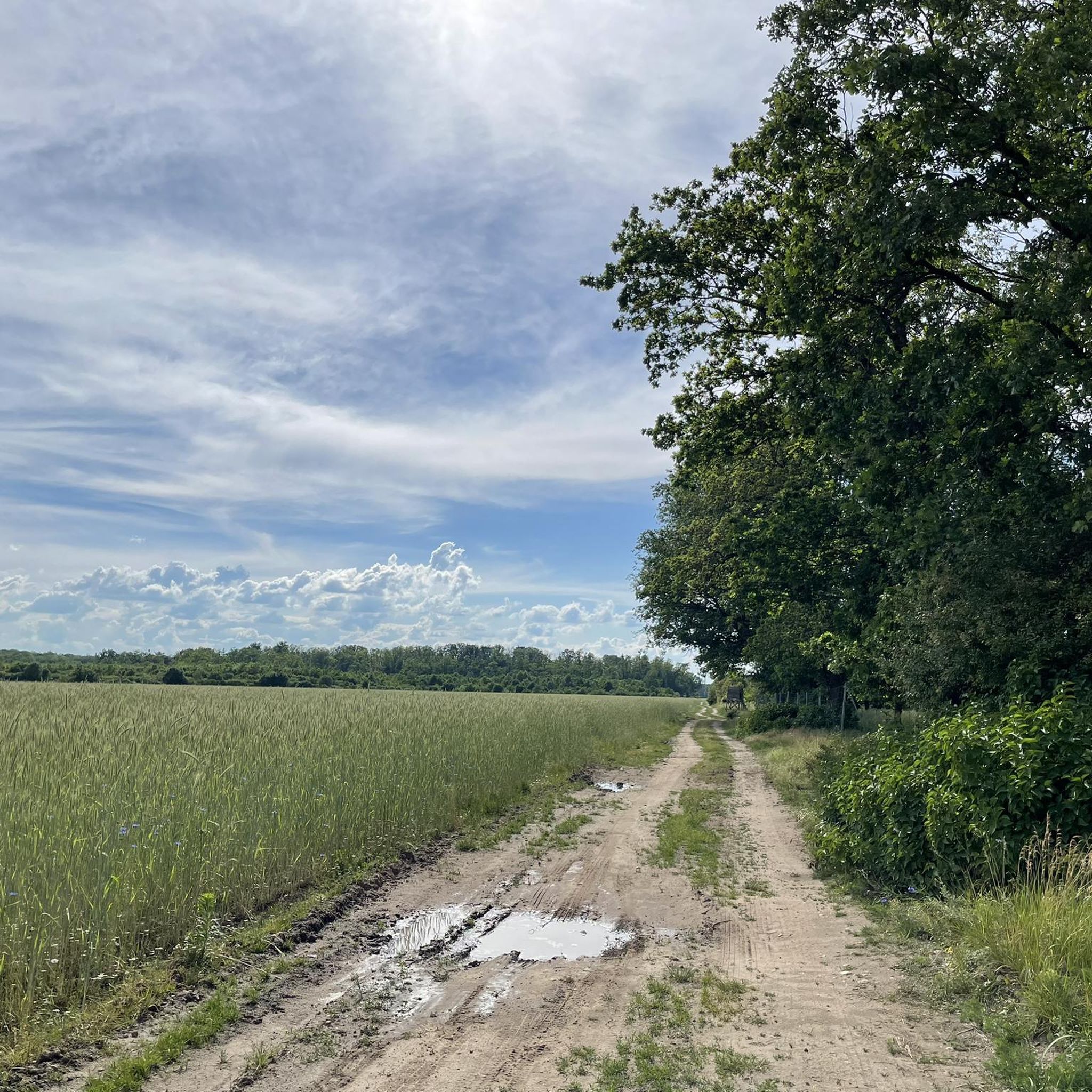
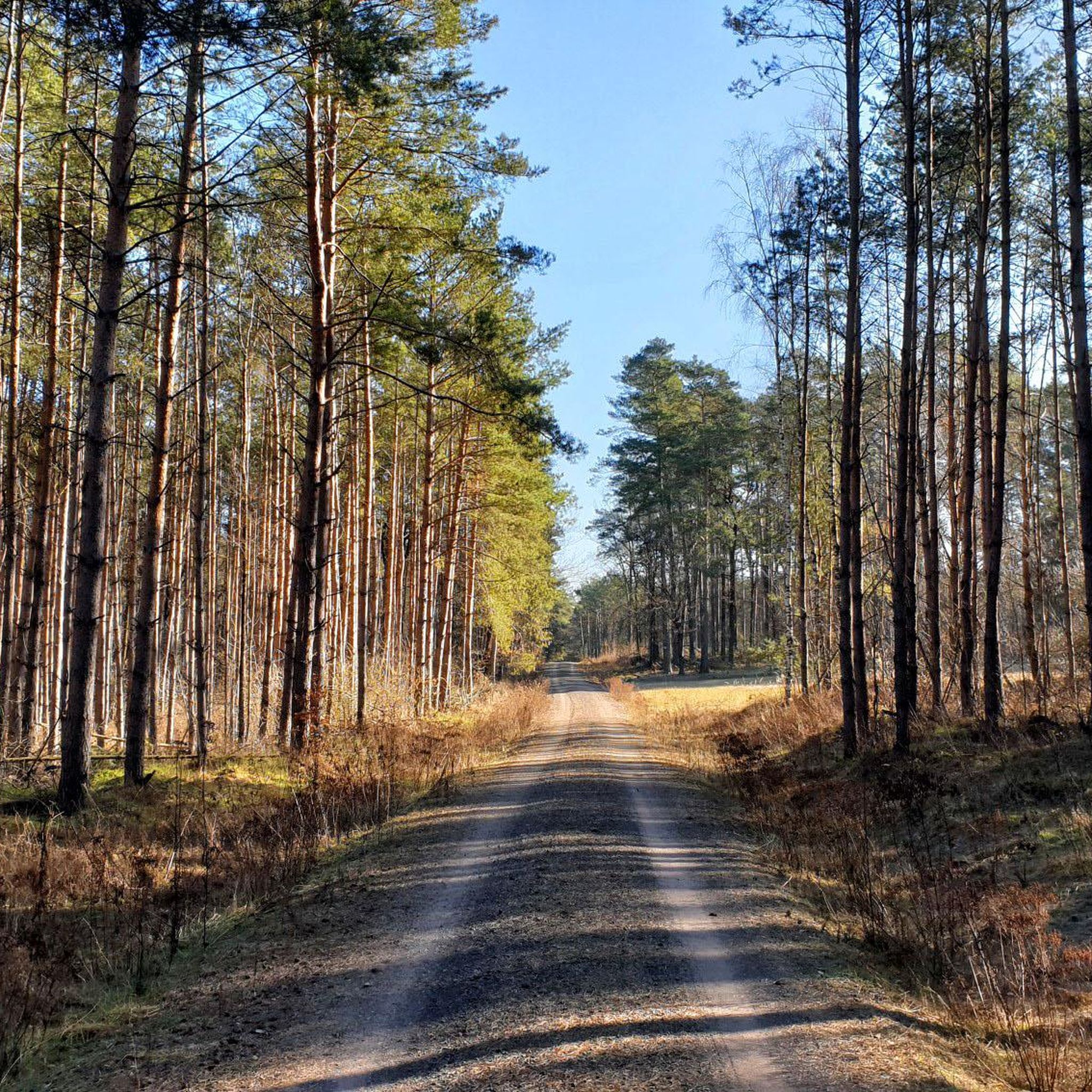
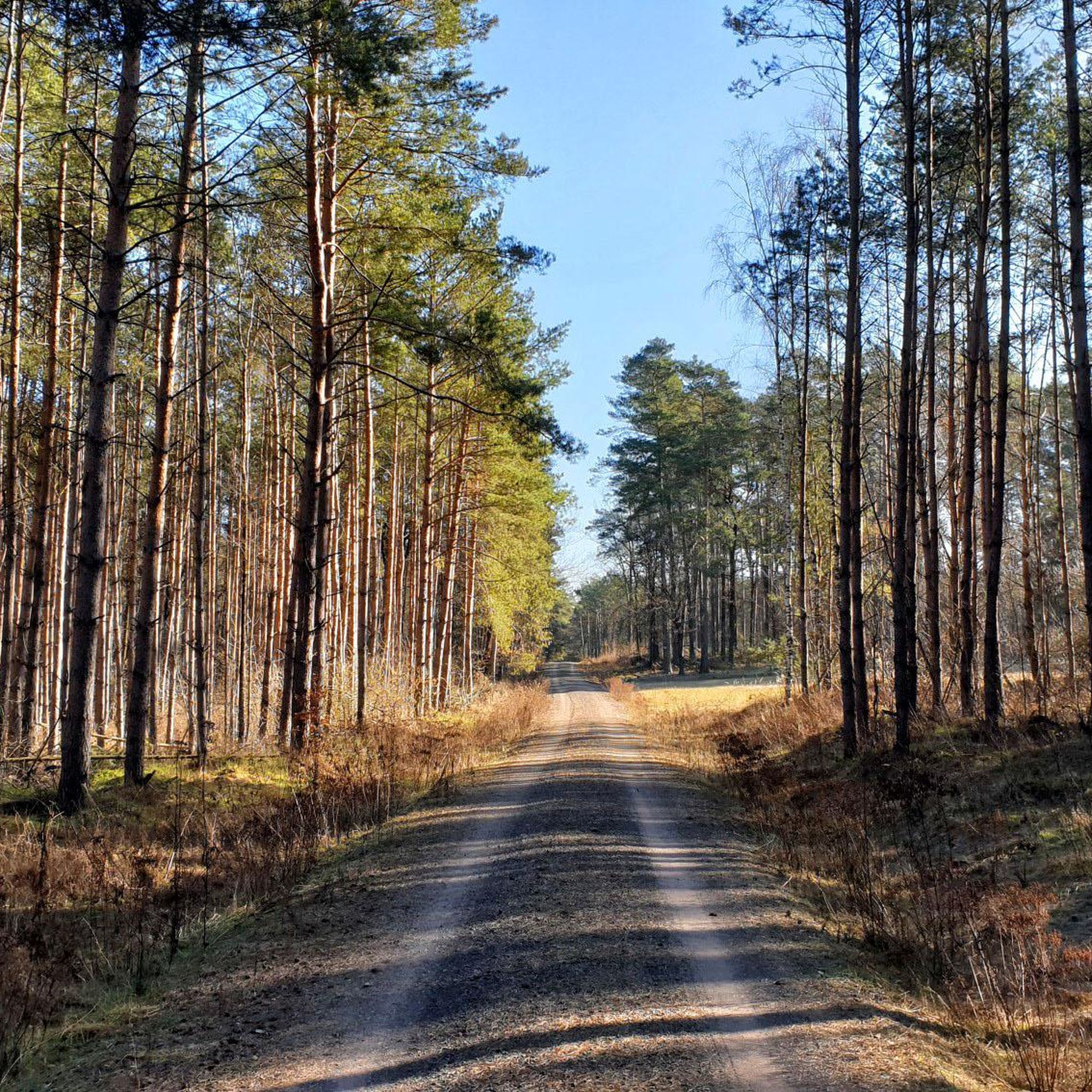
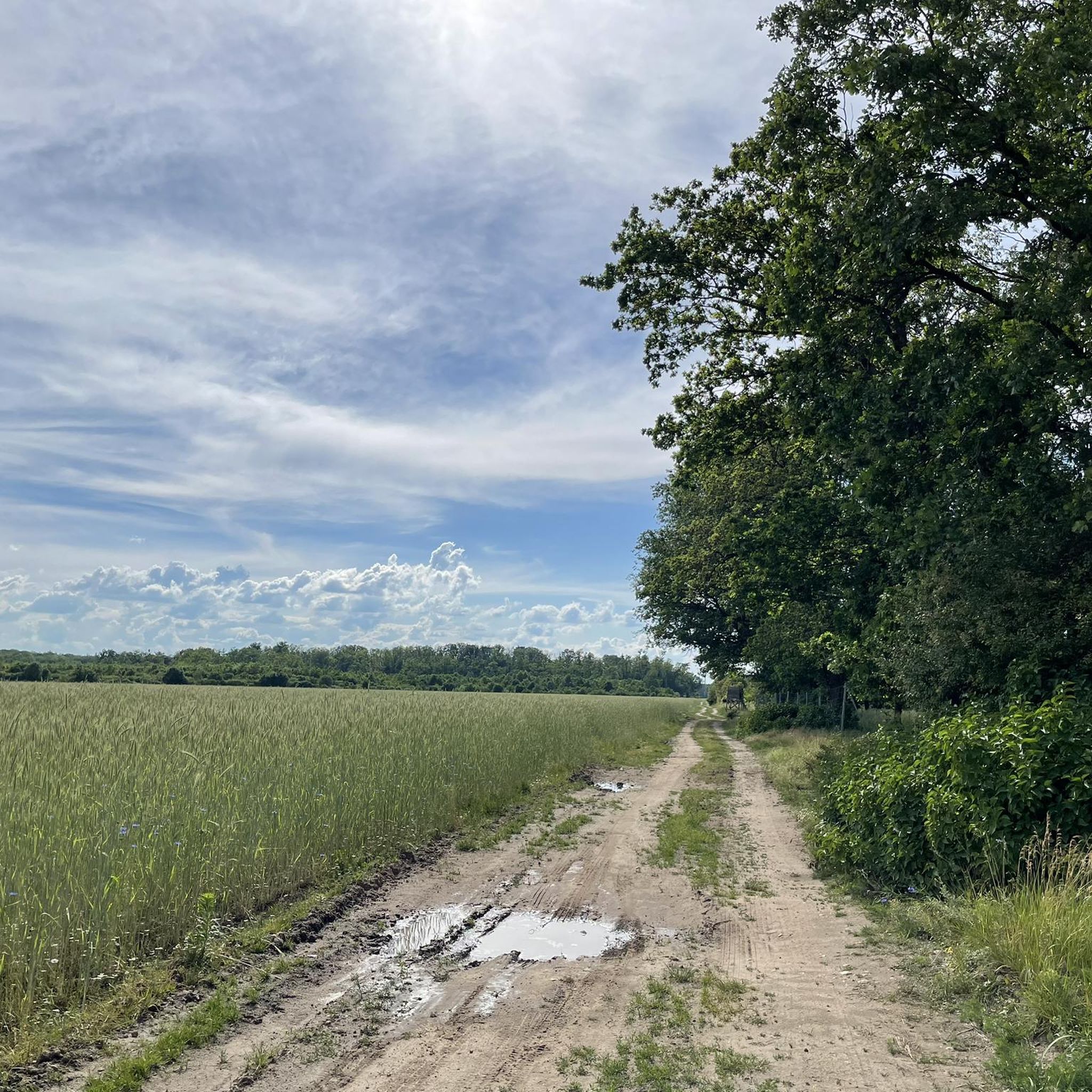
Mountain biking in Katharinenholz offers a network of trails through varied terrain, characterized by extensive forest areas and diverse elevation profiles. The region provides natural, unpaved trails suitable for engaging and athletic rides. These routes often feature moderate climbs and descents, weaving through the wooded landscape.
Best mountain bike trails in Katharinenholz
- The most popular mountain bike trail is St. Johannes Church Griebo – Castle Church of Wittenberg loop from Nudersdorf, a 19.1 miles (30.7 km) trail that takes…
Last updated: May 14, 2026
5.0
(1)
6
riders
Moderate mountain bike ride. Great for any fitness level. Advanced riding skills necessary.
5.0
(1)
3
riders
Moderate mountain bike ride. Good fitness required. Advanced riding skills necessary.

Sign up for free
5.0
(2)
3
riders
24.3km
01:45
170m
170m
Moderate mountain bike ride. Great for any fitness level. Advanced riding skills necessary.
2
riders
Moderate mountain bike ride. Great for any fitness level. Advanced riding skills necessary.
3
riders
18.4km
01:05
130m
130m
Easy mountain bike ride. Great for any fitness level. Suitable for all skill levels.
Get access to more routes and recommendations from other explorers.
Sign up for free
Already have an account?
Our route recommendations are based on thousands of hikes, rides, and runs completed by other people on komoot.
Start today with a free account
Your next adventure awaits.
Login or Signup
Tips from the Community

Die Schlosskirche, auch Kirche der Reformation, ist eine evangelische Kirche in Lutherstadt Wittenberg und seit 1996 UNESCO-Welterbestätte.Sie gilt als Ausgangspunkt der Reformation, nachdem am 31. Oktober 1517 Martin Luther von hier aus seine 95 lateinischen Disputationsthesen verbreitet hatte. Sie gehört zu den Luthergedenkstätten in Eisleben und Wittenberg. Das erste Schloss an heutiger Stelle und mit ihm die früheste Schlosskirche, die Kapelle aller Heiligen, wurde um 1340 von dem askanischen Herzog Rudolf I. gebaut. Am 6. Mai 1346 wurde die Stiftung „Allerheiligen“ errichtet, die sich im neu errichteten askanischen Schloss befand. Die von Rudolf I. gestiftete Kapelle „Aller Heiligen“ wurde darin dem direkten Recht des römischen Stuhls unterstellt. Am 24. Februar 1361 stattete Herzog Rudolf II. die „allen Heiligen“ gestiftete Kapelle mit Einkommen aus, gab ihr Statuten und regelte ihre Gottesdienstordnung. Diese Regelungen galten auch unter den nachfolgenden Herrschern. 1400 wurden auf Weisung des Papstes Bonifatius IX. die Stadtkirche St. Marien und die Marienkapelle auf dem Apollensberg der Schlosskirche unterstellt. 1490 bis 1515 ließ Friedrich der Weise das gesamte Schloss neu errichten, beginnend mit dem Süd- und dem Westflügel. Erst ab 1496 wurde von Konrad Pflüger die Schlosskirche als Nordflügel angefügt, wo erst fünf Jahre nach der Kirchweihe (17. Januar 1503) die Wölbarbeiten vollendet waren. Seitdem bildet die Schlosskirche den Nordflügel. Friedrich der Weise legte darin eine umfangreiche Reliquiensammlung an, die Wallfahrer von weither anzog, und stattete sie entsprechend aufwändig aus. Viele der über 19.000 „Heiltümer“ (Reliquien) mit dem Gegenwert von rund zwei Millionen Jahren Ablass fanden ihren Platz auf den 16 Altären der schmalen Dreiseiten-Empore, von wo aus auch ihre „Weisung“ (Präsentation) geschah. Nach der Gründung der Wittenberger Universität Leucorea im Jahr 1502 wurde ihr die Schlosskirche 1507 als Universitätskirche beigestellt; dadurch entwickelte die Kirche sich zur akademischen Weihestätte. Hier erhielten die Studenten ihre Promotionen, hier hielt Philipp Melanchthon seine berühmte Antrittsrede, es wurden Andachten in der Kirche durchgeführt, und die akademischen Würdenträger der Universität wurden hier beigesetzt. Einige dieser Würdenträger sind heute noch an den Mauern in ihren Epitaphen zu erkennen. Das Hauptportal, damals aus Holz, wurde von den Universitätsangehörigen zum Anheften von Informationen genutzt. Martin Luther, Konventuale des Augustinerklosters und Theologieprofessor, soll hier am 31. Oktober 1517, dem Vorabend des Patronatstags der Schlosskirche, seine 95 Thesen angeschlagen haben, um zur Disputation über den Ablasshandel aufzufordern. Das war der Auslöser der Reformation. Ob der Thesenanschlag tatsächlich in dieser Form stattgefunden hat, ist umstritten. Nachgewiesen ist, dass Luther die Thesen an dem Tag handschriftlich an zwei Bischöfe und in der Folgezeit an weitere Theologen versandte. 1525 wurde Friedrich der Weise in der Schlosskirche begraben. Im selben Jahr wurde der lutherische Gottesdienst in der Kirche eingeführt. 1546 erhielt Martin Luther, 1560 Philipp Melanchthon sein Grab in der Schlosskirche. Im Siebenjährigen Krieg brannte 1760 die Kirche aus. Die Innenausstattung ging großteils verloren, der Außenbau wurde bis 1770 verändert wieder aufgebaut. Dabei wurde der Schlossturm zum Kirchturm umgebaut. Neue Schäden vor allem am Turm erlitt die Kirche 1814 durch die Erstürmung Wittenbergs während der Befreiungskriege. Dabei sind die größten Teile der Inneneinrichtung der Kirche mit ihren wertvollen Kunstwerken und Reliquien verlorengegangen. Einzig erhalten sind die Kunstdenkmäler aus Metall, im Besonderen das Grabmal Friedrich des Weisen, das der bekannte Bronzegießer Peter Vischer in Nürnberg 1527 erschuf. 1815 kam Wittenberg nach dem Wiener Kongress zu Preußen. Nachdem die Wittenberger Universität 1817 nach Halle (Saale) verlegt worden war, wurde die Schloss- und Universitätskirche dem neugegründeten Evangelischen Predigerseminar[7] zur Nutzung übergeben. Anstelle der 1760 verbrannten hölzernen Thesentür stiftete der Preußenkönig Friedrich Wilhelm IV. die in Bronze gegossene Thesentür zum 375. Geburtstag Martin Luthers am 10. November 1858 mit einer Einweihungszeremonie. Anlässlich von Martin Luthers 400. Geburtstag 1883 begann unter Leitung von Friedrich Adler ein tiefgreifender Umbau der Kirche im neugotischen Stil als „Denkmal der Reformation“, der 1892 abgeschlossen war. Dabei wurde ihr innerer Kern vollkommen neu nach historischen Aufzeichnungen gestaltet und die Haube des Schlosskirchturms neu errichtet. Am 31. Oktober 1892 wurde die umgestaltete Kirche in Anwesenheit Kaiser Wilhelms II. und im Rahmen eines historischen Festzugsneu geweiht. Im Jahr 1949 wurde die Schlosskirchengemeinde gegründet, um der Kirche neben dem Predigerseminar eine eigene Gemeinde zuzuordnen. Anlässlich der 500-Jahr-Feier des Geburtstages von Martin Luther 1983 wurden in der Schlosskirche zwölf Glasfenster mit den Porträts der dreizehn wichtigsten Reformatorenschüler Luthers eingeweiht. Der Lutherische Weltbund hatte damit die Hallenser Künstlerin Renate Brömme beauftragt, die die Glasmalereien in einem adaptiv zeitlosen Stil anfertigte. Von 1978 bis 1992 wirkte an dieser Kirche der Prediger Friedrich Schorlemmer, der mit der Aktion des symbolischen Umschmiedens eines Schwertes zu einer Pflugschar – einem Hoffnungszeichen der DDR-Friedensbewegung – international bekannt wurde. 1999/2000 wurde der Dachstuhl saniert und das Dach nach dem Vorbild von 1892 neu gedeckt. Mit Blick auf das 500. Jubiläum des Thesenanschlags 2017 erfolgte eine umfassende Sanierung des Gotteshauses. Sie kostete rund 8,2 Millionen Euro. Am 2. Oktober 2016 erhielt die Schlosskirche von der dänischen Königin Margrethe II. einen von ihr entworfenen Altarbehang als königliches Gastgeschenk zur Wiedereröffnung nach der Restauration. Quelle Wikipedia
0
0

St. John's Church in Griebo is a historic place of worship with deep regional significance. Built in the late medieval style, it is characterized by its simple yet impressive architecture. Located in the small village of Griebo near Coswig (Anhalt), the church is an important spiritual and cultural center of the community. Its interior features ornate furnishings, including a Baroque altar and several historical works of art that reflect the building's long history. Today, St. John's Church is used for both regular services and special events and is an important testament to the region's religious tradition. More information is available at: https://www.kirche-coswig.de/st-johannes-griebo
0
0
The market square in Coswig (Anhalt) is the historic heart of the town and is characterized by striking buildings such as the Renaissance town hall and St. Nicolai Church. The town hall, first mentioned in 1490, is a striking example of the town's history. After its destruction in the Schmalkaldic War in 1547, it was rebuilt in the Renaissance style. Originally, it served as a repository for municipal records, the muskets of the civic militia, and the official beer measure. Over the centuries, the building was expanded, including the addition of an east wing for the town hall cellar in 1887 and a further extension in 1912. Today, the town hall functions as a modern administrative center and houses, among other things, the Citizens' Office, the City Information Center, and the Registry Office. The nearby St. Nicolai Church, with its 52-meter-high tower, is the oldest surviving building in the town and, with its historical and architectural significance, lends the market square a special atmosphere. The market square itself is not only a place of history, but also a lively meeting place for markets and events, which makes Coswig's cultural identity visible and attracts both locals and visitors.
0
0
The St. Nicolai Church in Coswig (Anhalt) is an important cultural monument with over 850 years of history. Built around 1150 in the Romanesque style, it is the oldest surviving building in the town. In 1272, it became the abbey church of an Augustinian monastery founded by Prince Siegfried of Anhalt-Köthen. After the monastery was dissolved in 1527, the church served as a Protestant town church and was voted "Church of the Year" in Saxony-Anhalt in 2002/2003. The church's architecture is characterized by various styles. The original Romanesque building was destroyed in the Schmalkaldic War of 1547 and later rebuilt. In the 17th century, the church received its current Baroque appearance. The 52-meter-high church tower offers impressive views of the surrounding area, including the Wörlitz Garden Kingdom and Lutherstadt Wittenberg. The church's interior features ornate furnishings, including a late 17th-century Baroque altar, a magnificent organ with Baroque carvings, and 14th-century stained-glass windows, among the oldest of their kind in Saxony-Anhalt. Three works from the Wittenberg Cranach workshop are particularly noteworthy: an epitaph depicting Christ in Gethsemane, a crucifixion, and a Last Supper scene. The church is also known as the "Open Cycle Path Church" and is located directly on the Elbe Cycle Path, making it a popular destination for cyclists and history buffs. For current information on services and events, visit the church's official website: https://www.kirche-coswig.de/
0
0

This section has now been covered with a wonderfully smooth bitumen surface and leaves nothing to be desired.
2
0

Great ice cream parlor
0
0

St. Johannes in Griebo was built around 1200, but was destroyed in the Thirty Years' War from 1618-48. Reconstruction began in 1653. Over time, the church was rebuilt several times - but its character was retained. More information: https://de.wikipedia.org/wiki/St._Johannes_(Griebo)#Architektur_und_Geschichte
0
0
St. Nicolai was the collegiate church of a former nunnery. The church was rebuilt in its current form after the Thirty Years' War, in the years 1685-1702. It is the oldest surviving building in Coswig. More info: https://de.wikipedia.org/wiki/St._Nicolai_(Coswig)#Geschichte
1
0
Frequently Asked Questions
How many mountain bike trails are available in Katharinenholz?
Katharinenholz offers a comprehensive network of over 60 mountain bike trails. These routes cater to various skill levels, with 18 easy and 47 moderate options, ensuring a suitable ride for most mountain bikers.
What kind of terrain can I expect when mountain biking in Katharinenholz?
You can expect varied terrain characterized by extensive forest areas and diverse elevation profiles. The region is known for its natural, unpaved trails that weave through the wooded landscape, offering both moderate climbs and descents for an engaging ride.
Are there any family-friendly mountain bike trails in Katharinenholz?
Yes, Katharinenholz has 18 easy mountain bike trails that are suitable for families. These routes offer a gentler introduction to mountain biking within the scenic forest environment. For example, the Europaradweg R1 Rest Area loop from Nudersdorf is an easy option.
Can I bring my dog on the mountain bike trails in Katharinenholz?
While specific regulations for dogs on trails can vary, the forested nature of Katharinenholz generally allows for dogs, provided they are kept on a leash and you adhere to local wildlife protection guidelines. It's always a good idea to check specific tour details on komoot for any restrictions.
What do other mountain bikers enjoy most about the trails in Katharinenholz?
The trails in Katharinenholz are highly rated by the komoot community, with an average score of 4.7 stars from over 120 reviews. Riders often praise the diverse terrain, the natural feel of the unpaved paths, and the scenic beauty of the dense woodlands.
Are there any circular mountain bike routes in Katharinenholz?
Yes, many of the mountain bike routes in Katharinenholz are designed as loops, offering convenient starting and ending points. Examples include the St. Johannes Church Griebo – Castle Church of Wittenberg loop from Nudersdorf and the Grieboer Stream with Rest Area – Coswig Castle (Anhalt) loop from Pfaffenheide-Wörpener Bach.
What interesting sights or landmarks can I see along the mountain bike trails?
Along the trails, you can discover several interesting landmarks and natural features. Notable attractions include the Bismarck Tower Hubertusberg, the Lutherstein Monument, and the Roter Teich and Oberförster Bähr Memorial Stone. Some routes also pass by facilities like the Picnic shelter by the stream.
Are there challenging mountain bike trails for advanced riders?
While Katharinenholz does not feature trails officially graded as 'difficult,' there are 47 moderate routes that offer a sporty and engaging experience for more advanced riders. These trails often include varied elevation changes and technical sections within the forest.
How accessible is Katharinenholz for mountain biking, regarding parking and public transport?
Katharinenholz is generally accessible, and while specific parking areas or public transport stops aren't detailed here, many routes start from locations that are typically reachable by car or public transport in the broader Potsdam area. We recommend checking the individual tour pages on komoot for specific starting points and access information.
Can I find places to eat or stay near the mountain bike trails in Katharinenholz?
While this guide focuses on the trails, the region around Katharinenholz, particularly near Potsdam, offers various cafes, pubs, and accommodation options. You can use komoot's highlight feature to discover points of interest, including eateries and places to stay, along or near your chosen route.
What is the longest mountain bike trail in Katharinenholz?
Among the listed routes, the Lake in Wörlitzer Park – Elbe ferry near Coswig (Anhalt) loop from Coswig (Anhalt) is one of the longer options, covering approximately 47.4 kilometers (29.5 miles). It's a moderate trail that takes you through diverse landscapes.
Are there any specific natural features or viewpoints to look out for?
The region is characterized by dense woodlands and natural trails. While specific viewpoints are not explicitly highlighted, the diverse elevation profiles and forest clearings often provide scenic vistas. Keep an eye out for the Avenue of Trees on the L123 Between Coswig (Anhalt) and Rehsprung for a picturesque section.
Most popular routes in Katharinenholz
Most popular attractions in Katharinenholz

Get inspired with the komoot mobile app


Explore more
Browse the best MTB trails in other regions.
