The best walks and hikes in Rothenbucher Forst
4.6
(10598)
38,335
hikers
64
hikes
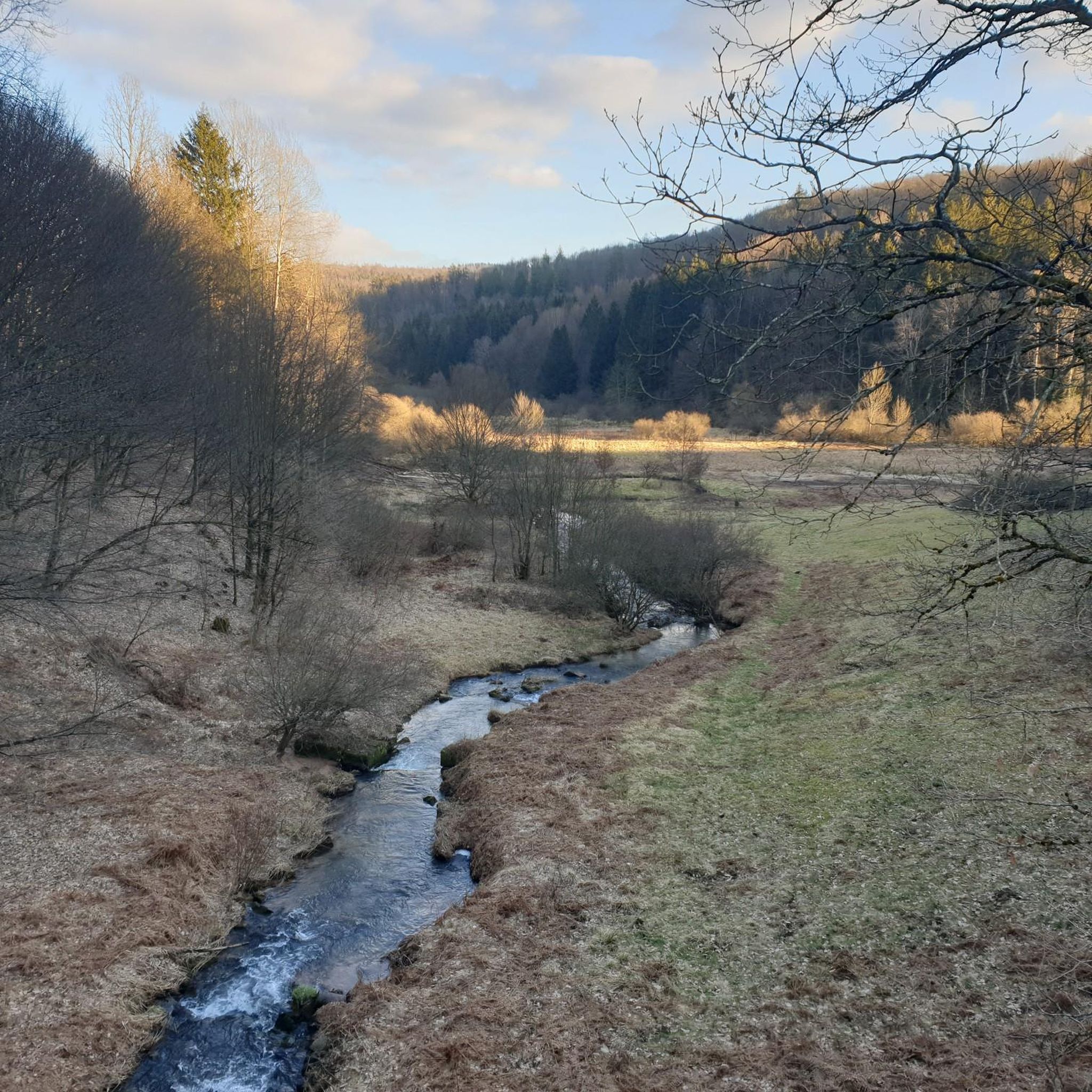
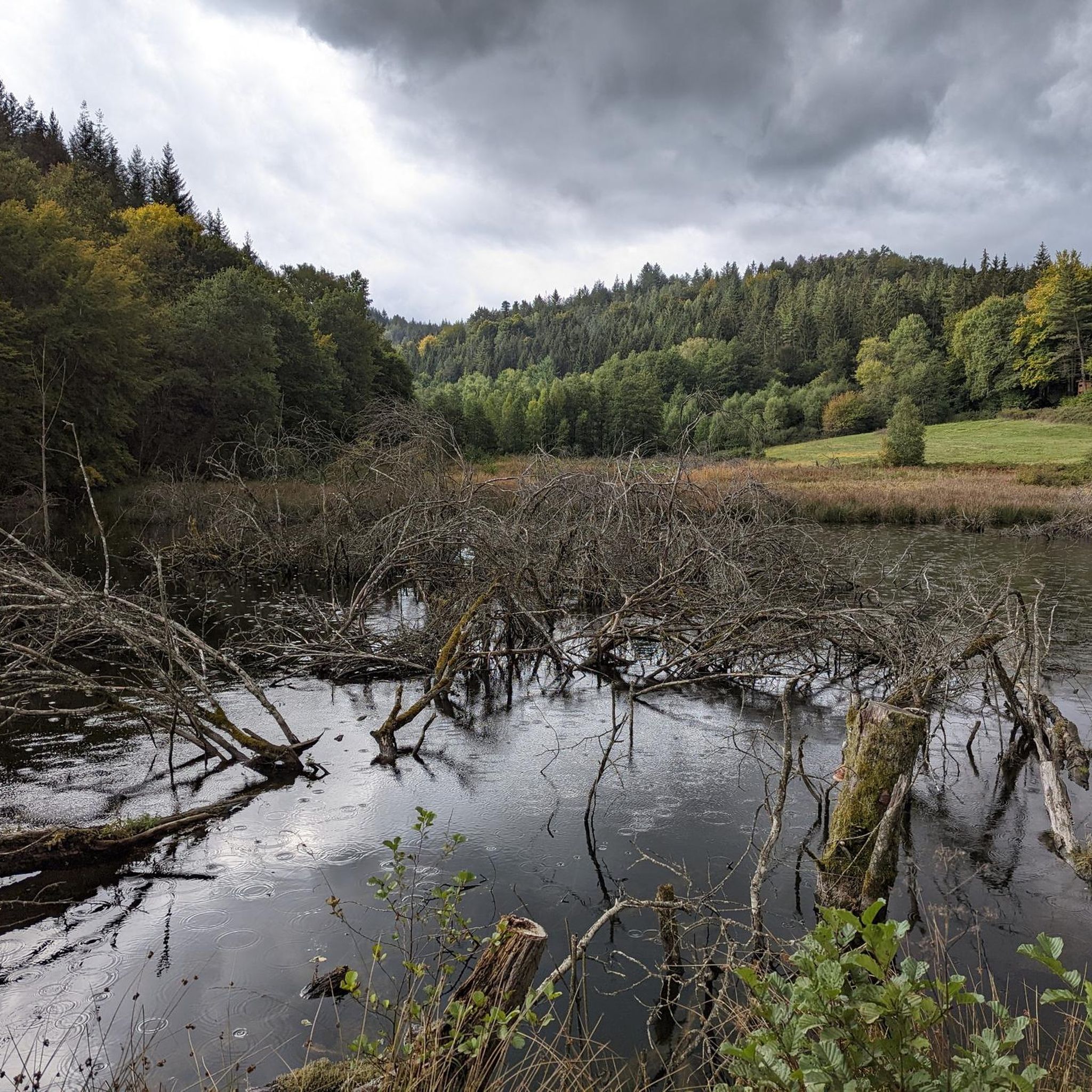
Hiking in Rothenbucher Forst offers extensive forested landscapes, primarily characterized by ancient oak forests, some nearly 400 years old. The region features picturesque valleys, such as the Hafenlohr Valley with its sensitive wet meadows, and diverse topography ranging from gentle inclines to steeper sections. Protected areas like Hafenlohrtal and Spessartwiesen preserve the natural beauty, with the highest point being the Hengstkopf at 506 meters above sea level.
Best hiking trails in Rothenbucher Forst
- The most popular hiking route is Steinbach…
Last updated: July 1, 2026
4.5
(109)
359
hikers
16.5km
04:36
320m
320m
Moderate hike. Good fitness required. Easily-accessible paths. Suitable for all skill levels.
4.8
(96)
313
hikers
Hard hike. Very good fitness required. Easily-accessible paths. Suitable for all skill levels.

Sign up for free
4.1
(42)
135
hikers
Moderate hike. Good fitness required. Mostly accessible paths. Sure-footedness required.
4.7
(64)
317
hikers
Moderate hike. Good fitness required. Mostly accessible paths. Sure-footedness required.
4.6
(20)
41
hikers
Moderate hike. Good fitness required. Easily-accessible paths. Suitable for all skill levels.
Get access to more routes and recommendations from other explorers.
Sign up for free
Already have an account?
Our route recommendations are based on thousands of hikes, rides, and runs completed by other people on komoot.
Start today with a free account
Your next adventure awaits.
Login or Signup

Tips from the Community

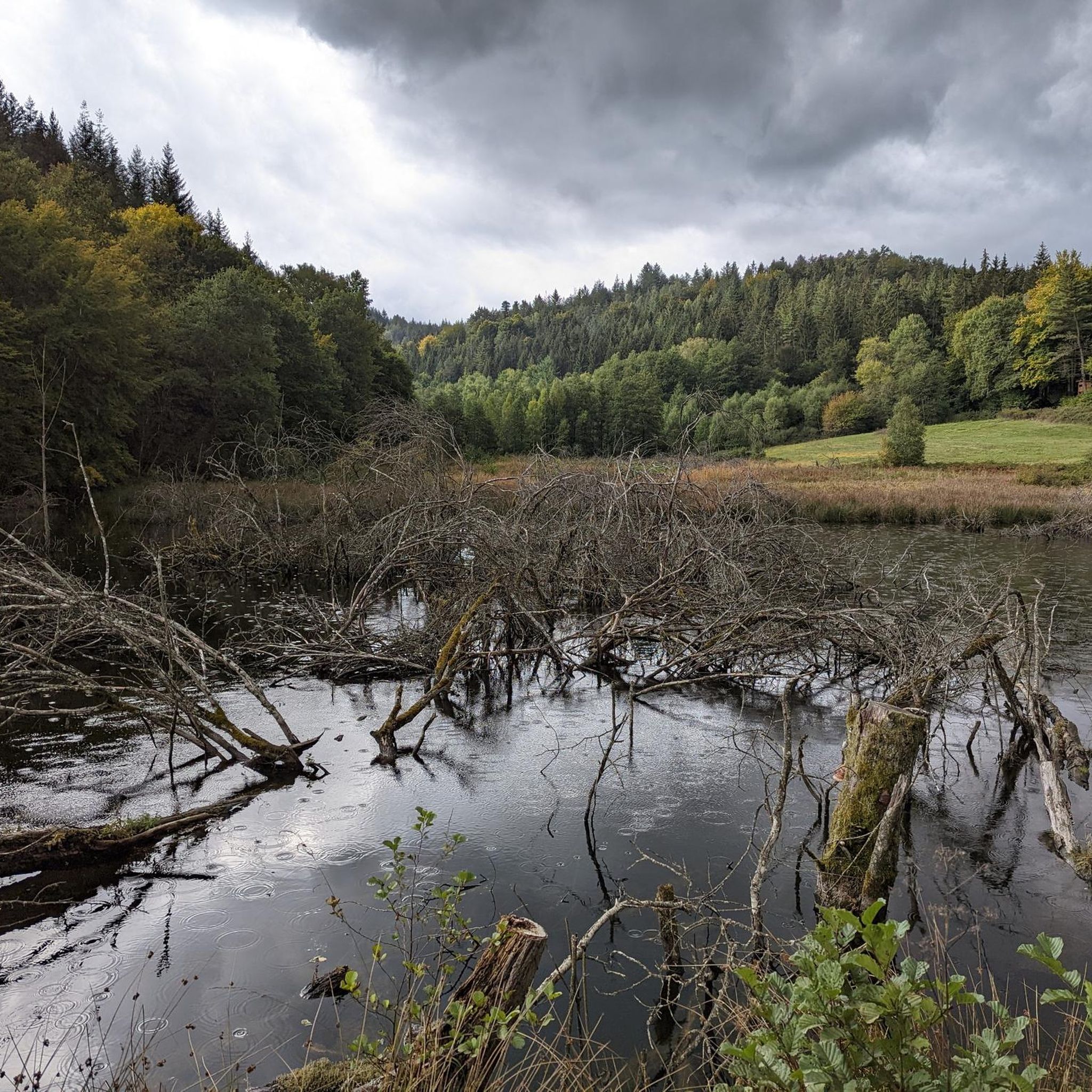
Here the forest is allowed to be a forest again
2
0
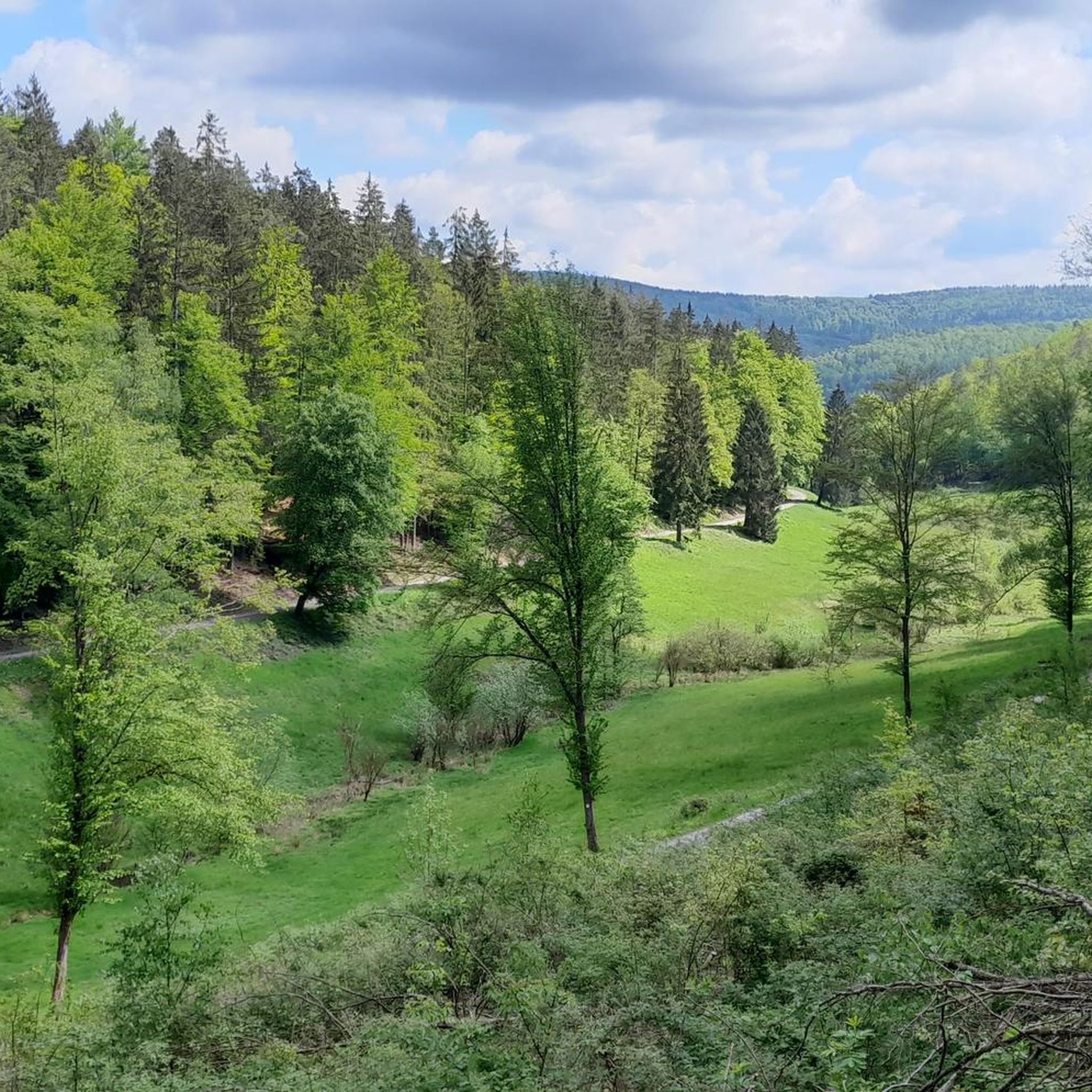
A lovely view of the rolling green hills of the Spessart region... Seating available
0
0

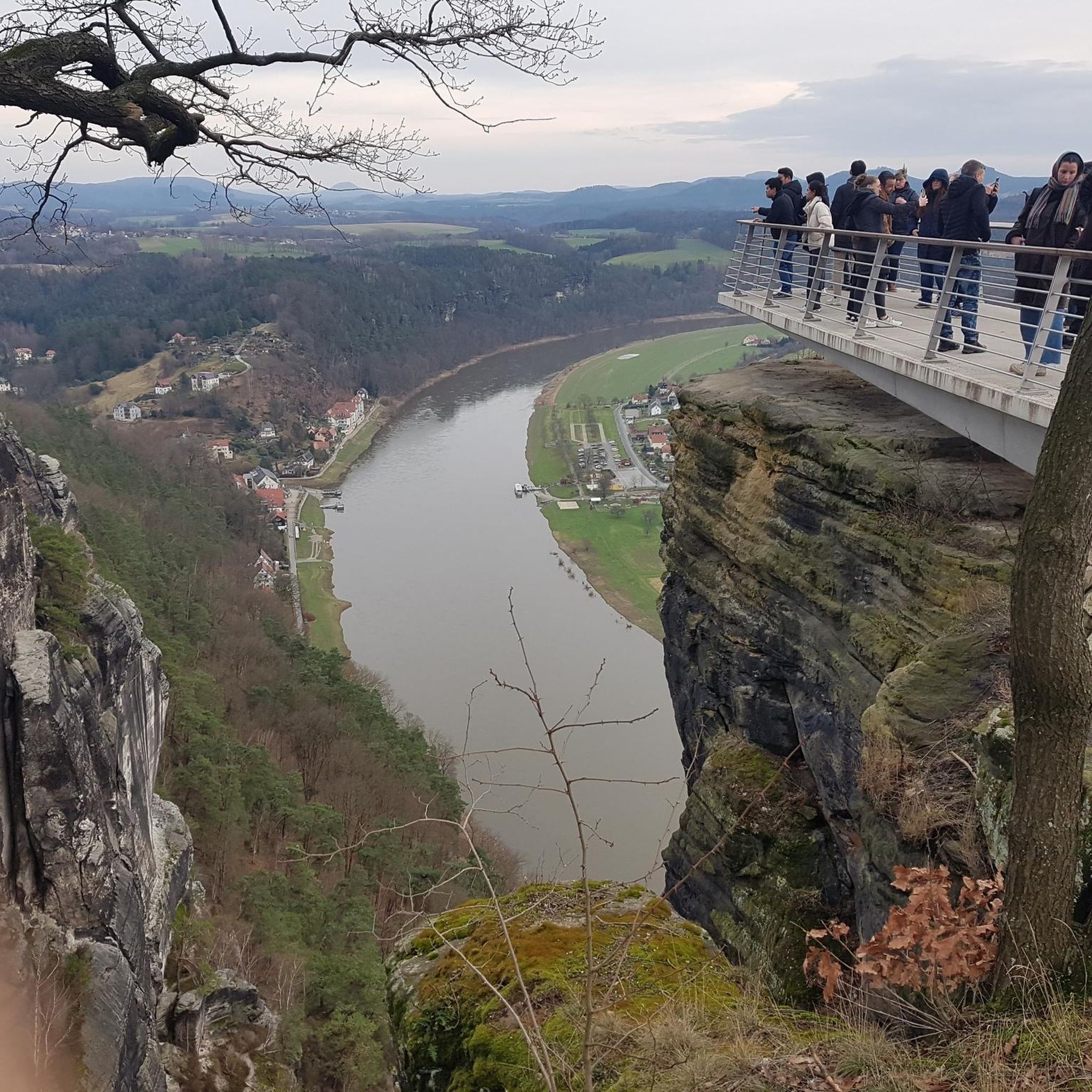
There are several ways to continue your journey from here.
1
0

The Hafenlohr is a 26.5 km long (27.7 km including the Tiergartenbach) right tributary of the Main River in the districts of Aschaffenburg and Main-Spessart in the Bavarian Spessart region. The Hafenlohr rises from two springs in the municipality of Rothenbuch. The longer and occasionally more water-rich branch is the Tiergartenbach, which often dries up on dry days. Officially, it is considered the upper course of the Hafenlohr main watercourse. The source, known as the Hafenlohr Spring, in the center of the village provides water almost year-round. The Hafenlohr Spring is located at Rothenbuch Castle. It was encased in sandstone during the road widening of the St 2317. Its water flows northwest through the castle moat and, after about 100 meters, flows from the left bank into the bed of the Tiergartenbach, which flows from the Tiergartengrund on the northern edge of the village and is already 1.3 km[7] long. It doesn't provide water year-round, but at times it provides more than the perennial spring at the castle. The spring at the castle was probably once a meeting place for hunters in the eastern Spessart, which is why construction of a hunting lodge began here in 1342. The spring water fed the castle moat and several surrounding trout lakes, which no longer exist. Source and further information: https://de.wikipedia.org/wiki/Hafenlohr_(Fluss)
1
0
Rothenbuch is one of the oldest and most important towns in the Inner Spessart region. The first documented mention of "zuo den Rodenboychen" dates back to 1318, when the Archbishop of Mainz, Peter von Aspelt, and the Bishop of Würzburg, Gottfried III von Hohenlohe, concluded a security cooperation agreement here. In 1342, construction began on a castle in Rothenbuch, at the source of the Hafenlohr River. The first inhabitants were likely settled there as hunting lodgers. During the Peasants' War of 1525, the castle was severely damaged or destroyed. In 1566, the castle was rebuilt and expanded on the orders of Daniel Brendel von Homburg, Elector of Mainz. The first depiction of Rothenbuch can be found on one of the oldest existing Spessart maps, the so-called Pfinzig map from 1594. Source: Wikipedia
2
0
Lichtenau is a hamlet belonging to the municipality of Rothenbuch in the Lower Franconian district of Aschaffenburg. The original Lichtenau stud farm belonged to the Electorate of Mainz in the late Middle Ages. From 1813 to 1871, an iron hammer was located there. An inn and the adjacent chapel are now listed as historical monuments. Source: Wikipedia
1
0
Lichtenau is a hamlet belonging to the municipality of Rothenbuch in the Lower Franconian district of Aschaffenburg. The original Lichtenau stud farm belonged to the Electorate of Mainz in the late Middle Ages. From 1813 to 1871, an iron hammer was located there. An inn and the adjacent chapel are now listed as historical monuments. Source: Wikipedia
1
0
Lichtenau is a hamlet belonging to the municipality of Rothenbuch in the Lower Franconian district of Aschaffenburg. The original Lichtenau stud farm belonged to the Electorate of Mainz in the late Middle Ages. From 1813 to 1871, an iron hammer was located there. An inn and the adjacent chapel are now listed as historical monuments. Source: Wikipedia
2
0
Frequently Asked Questions
What kind of terrain can I expect on hikes in Rothenbucher Forst?
Rothenbucher Forst is almost entirely covered by extensive forests, including ancient oak forests, some nearly 400 years old. You'll find picturesque valleys like the Hafenlohr Valley, known for its sensitive wet meadows, and diverse topography ranging from wide valleys with gentle inclines to routes with steeper sections. Expect a mix of forest paths, tranquil meadow paths, and varying elevations.
Are there hiking trails suitable for all skill levels in Rothenbucher Forst?
Yes, Rothenbucher Forst offers a wide range of trails for all skill levels. With over 60 hiking routes available, you can find everything from easy strolls to more challenging routes. Approximately 16 routes are considered easy, 43 moderate, and 7 difficult, ensuring options for every hiker.
Are there family-friendly hiking trails in Rothenbucher Forst?
Yes, there are several family-friendly options. Shorter, less strenuous routes are ideal for families. For example, the historic Mill Path is a 3 km circular trail with information boards, which can be extended to 8.9 km along the Hafenlohr. The Hafenlohrtal Meadow and Creek – Boardwalk Rothenbuch loop from Weibersbrunn is another moderate 9.5 km option that showcases natural beauty.
Can I bring my dog on hikes in Rothenbucher Forst?
Generally, Rothenbucher Forst is a dog-friendly area, and many trails are suitable for hiking with dogs. However, always keep your dog on a leash, especially in nature reserves like Hafenlohrtal, Metzgergraben – Krone, and Spessartwiesen, to protect local wildlife and ensure a pleasant experience for all visitors.
What natural features or landmarks can I see while hiking in Rothenbucher Forst?
You can explore a variety of natural features and landmarks. The region is famous for its ancient oak forests, including those in the Eichhall natural forest reserve. The scenic Hafenlohr Valley with its unique wet meadows is a highlight. You might also encounter several lakes such as Bomigsee or Kaltengrundsee, and protected wetland biotopes.
Are there any historical sites or castles to visit in the area?
Yes, the region offers historical attractions. A notable highlight is Schloss Mespelbrunn, a famous moated castle often referred to as a 'fairytale castle,' whose construction began in 1427. While not directly on every trail, it's a significant nearby point of interest. You can also find historical landmarks like the Eselsweg Junction.
Where can I find good viewpoints in Rothenbucher Forst?
Many trails offer scenic vistas, particularly those that traverse higher elevations. The View of Rothenbuch – View of the Spessart loop from Forst Hain im Spessart is a challenging route specifically designed to provide expansive views across the Spessart region. The Rothenbuch Panorama Trail also promises breathtaking views.
What is the best time of year to go hiking in Rothenbucher Forst?
Rothenbucher Forst is beautiful year-round. Spring brings fresh greenery and blooming meadows, while autumn offers stunning fall foliage in the extensive forests. Summer is ideal for long hikes, and even winter can be magical with snow-covered landscapes, though some paths might be more challenging. The region's diverse natural features make it enjoyable in any season.
Are there places to eat or get refreshments along the trails?
Yes, there are options for refreshments. The Hohewart-Haus (Hohe Warte) is a rustic forest house that serves as a popular starting or ending point for many hiking tours, offering food and homemade 'Hohe-Wart-Bier'. You might also find other local inns or restaurants, such as the Lichtenau Hofhaus Inn in the Hochspessart, depending on your chosen route.
Is parking available at trailheads in Rothenbucher Forst?
Yes, parking is generally available at various trailheads and popular starting points throughout Rothenbucher Forst. Many routes, especially circular ones, are designed with convenient access for cars. It's advisable to check specific route descriptions for detailed parking information.
How accessible is Rothenbucher Forst by public transport?
While Rothenbucher Forst is primarily an unincorporated, forested area, some villages bordering the forest may offer limited public transport connections. However, for most trailheads and the flexibility to explore, traveling by car is often the most convenient option. Always check local bus schedules if relying on public transport.
What do hikers particularly appreciate about Rothenbucher Forst?
Hikers highly rate Rothenbucher Forst, with an average score of 4.6 stars from over 550 reviews. They often praise the extensive, ancient oak forests, the serene and unspoiled valleys like the Hafenlohr, and the peaceful environment free from urban noise. The well-maintained network of trails and the diverse topography also receive positive feedback.
Are there many circular hiking routes available?
Yes, circular routes are a prominent feature of hiking in Rothenbucher Forst. Many popular trails are designed as loops, allowing you to start and end at the same point. Examples include the Steinbach Valley – Hafenlohr Valley loop from Auenwald bei Erlenfurt and the Linden Avenue Rothenbuch – Rothenbuch Village Fountain loop from Auenwald bei Erlenfurt.
Most popular routes in Rothenbucher Forst
Most popular attractions in Rothenbucher Forst

Get inspired with the komoot mobile app


Explore more
Browse the best Hikes in other regions.
