Top 13 Castles around Zschepplin
Best castles around Zschepplin, a municipality in Nordsachsen, Saxony, Germany, offer a glimpse into centuries of regional history. The area is home to historical castle complexes such as Schloss Zschepplin and Burg & Schloss Hohenprießnitz. These sites showcase diverse architectural styles, from medieval origins to Renaissance and Baroque transformations. While some castles are privately owned, their exteriors, grounds, and parks often provide accessible historical and architectural interest.
Best castles around Zschepplin
- The most popular castles is Püchau Castle, a…
Last updated: August 16, 2026
Püchau Castle
Highlight • Castle
Translated by Google •
Tip by

Thallwitz Castle
Highlight • Castle
Showing Translation
Tip by

Sign up now to discover places like this
Get recommendations on the best single tracks, peaks, & plenty of other exciting outdoor places.
Sign up for free
Eilenburg Castle and Remains of the Keep
Highlight • Castle
Translated by Google •
Tip by

Schnaditz Castle
Highlight • Castle
Construction period
13th century, mid-14th century, late 15th century,
early 17th century, 19th century,
around 1227 (keep), 1655, 1833 to 1835, around 1880
Architectural style
Gothic, Renaissance, Historicism …
Showing Translation
Tip by
Wölkau Castle
Highlight • Castle
Gde. Schönwölkau, district of North Saxony
construction time
17th century, 18th century, 19th century (farm buildings)
1695 to 1703, 1711
Architectural style
Baroque, historicism
Client
Christian Vitzthum …
Translated by Google •
Tip by
Sign up for free to discover even more castles around Zschepplin.
Sign up for free
Already have an account?
Start today with a free account
Your next adventure awaits.
Login or Signup

Tips from the Community

Definitely worth seeing
1
0

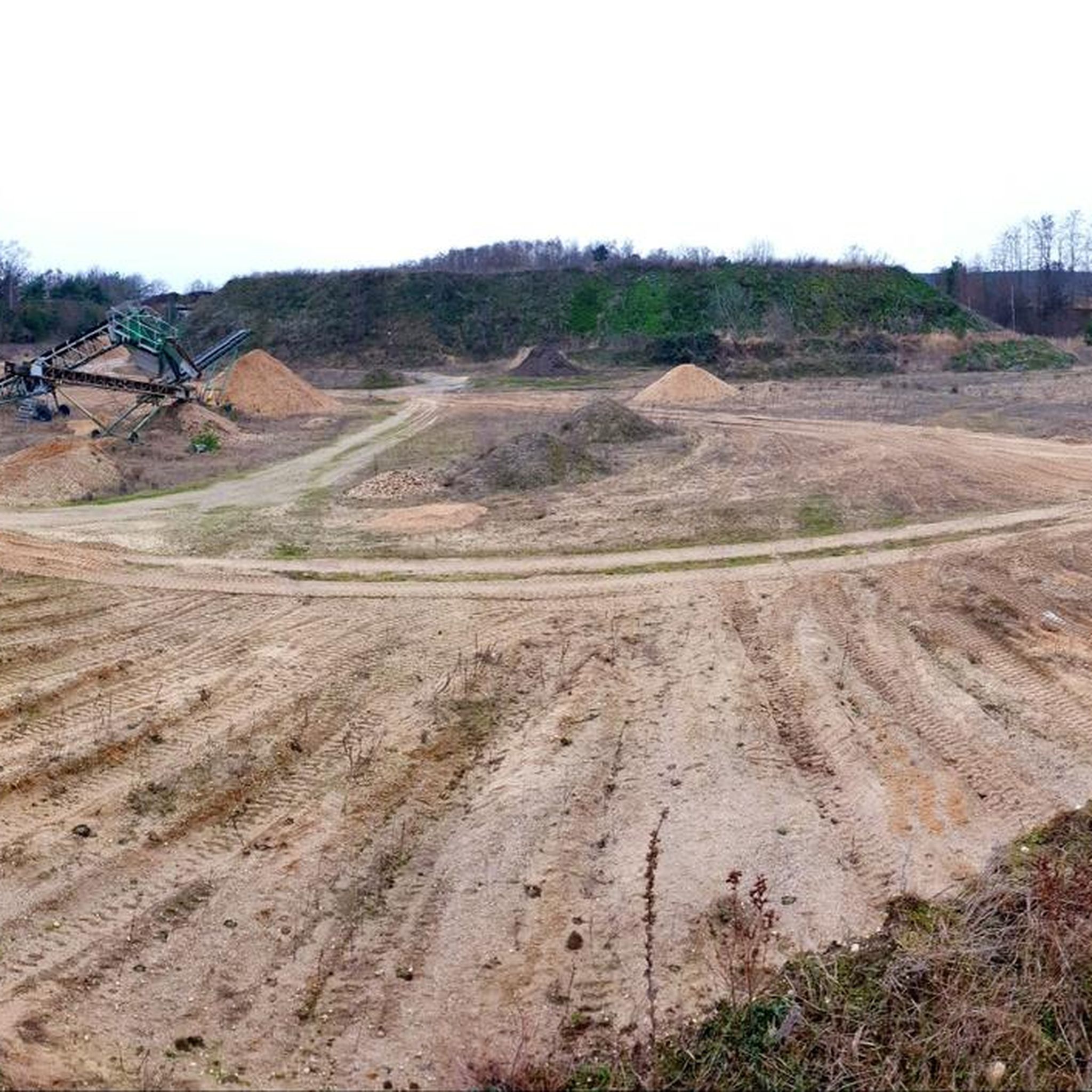
Unfortunately, the castle and its outbuildings are in a dilapidated state and cordoned off with construction fences. The castle park is also largely left to its own devices. A shame! But the area can still be explored well by bike, and even better with an MTB.
0
0
More information about the history can be found at https://de.wikipedia.org/wiki/Schloss_Schnaditz
4
0
First mentions (1115–1237) Wiprecht von Groitzsch (1115) There is no evidence of a legendary mention from the year 1115, in which Count Wiprecht von Groitzsch is said to have attempted to conquer the moated castle Castrum Sneuditz.[1] Source https://de.wikipedia.org/wiki/Schloss_Schnaditz
5
0
Schloss Schnaditz is located in the Schnaditz district of the town of Bad Düben. The castle has a 29-meter-high defensive tower. Source https://de.wikipedia.org/wiki/Schloss_Schnaditz
6
0
Information at https://www.thallwitz.de/thallwitz_schloss.htm
4
0
In 1968, the nave received a new roof covering. Gutters and lightning protection were also renewed, and a new cross was attached to the roof. In 1971, the renovation of the nave began, during which a new altar was built and equipped with a new cross. This was followed in the spring of 1972 by the reinstallation of the organ and the external re-plastering of the nave. The festive rededication of the technically outdated organ took place in August 1992. In September 1998, the church tower was renovated, and the tower crowning was completed on January 23, 1999. Since autumn 2000, visitors have been able to climb up to the church tower's viewing platform and enjoy the panoramic view Source https://de.wikipedia.org/wiki/Kirche_Thallwitz
3
0
The church was built in the 15th century; the foundation walls and the base of the church tower from this period have been preserved. Bishop Johann VI. von Saalhausen commissioned the expansion of the choir and the raising of the church tower. Its spire above the octagonal upper section was created in the 17th century. The inscription on the weather vane indicates the reconstruction of the nave in 1626, which likely incorporated older masonry. The ceiling was given a flat barrel vault. In 1896, extensive renovations were carried out according to plans by the architect Oswald Haenel from Dresden. The church and church tower were completely replastered on the outside, the church and tower roofs were re-covered, repaired, and secured with lightning conductors. Inside, the second gallery was removed in 1896, and in its place, the remaining gallery received double rows of seats. The organ loft was widened. The windows were fitted with colored cathedral glass, and new paraments made of green, red, and black cloth with gold embroidery were acquired. After the restoration, the rededication was celebrated after the Totenfest, the old church consecration festival of Thallwitz, with the participation of the patronage, the church inspection, and numerous pastors from the region. Source https://de.wikipedia.org/wiki/Kirche_Thallwitz
3
0
Frequently Asked Questions
What kind of historical castles can I expect to find around Zschepplin?
The Zschepplin area features a rich blend of architectural styles, from medieval origins to Renaissance and Baroque transformations. You'll find complexes like Schloss Zschepplin, which combines Gothic, Renaissance, Baroque, and early Classicism, and Burg & Schloss Hohenprießnitz, a three-winged Baroque complex. Other notable sites include Püchau Castle with its unique charm and Thallwitz Castle, showcasing Renaissance and Historicism architecture.
Can I visit Schloss Zschepplin?
Schloss Zschepplin is privately owned, so its interior is not open to the public. However, its extensive and well-maintained park is accessible, allowing visitors to appreciate the exterior architecture and the historical significance of the grounds. For more historical context, you can visit the Wikipedia page for Schloss Zschepplin.
Are there any castles with accessible interiors or event spaces in the region?
Yes, Burg & Schloss Hohenprießnitz, located in the Hohenprießnitz district of Zschepplin, now serves as an event center. This makes it a functional and accessible historical site for various occasions, allowing for more direct engagement with its well-preserved Baroque architecture.
What are some other notable castles in the Zschepplin region besides Schloss Zschepplin and Hohenprießnitz?
Beyond the main Zschepplin castles, you can explore Püchau Castle, which is privately owned but open on certain days, offering much to discover. Another must-see is Thallwitz Castle, where the grounds and park are publicly accessible, showcasing Renaissance and Historicism architecture. Also, Eilenburg Castle and Remains of the Keep provides insight into its 9th-century origins with two brick residential towers from around 1200.
Are there family-friendly castles to visit near Zschepplin?
Many of the castle grounds and parks in the Zschepplin area are suitable for family visits, offering open spaces for exploration. For example, the grounds and park of Thallwitz Castle are accessible to the public, providing a pleasant environment for families. While interior access might be limited for some, the historical exteriors and surrounding nature offer engaging experiences.
What outdoor activities can I do near the castles around Zschepplin?
The area around Zschepplin offers various outdoor activities. You can find numerous routes for cycling, running, and mountain biking. For cycling, explore options like the 'Seelhausener Lake – View of Seelhausener Lake loop' or the 'Mulde Cycle Path'. Runners can enjoy trails such as the 'Dorfteich loop from Eilenburg'. Mountain bikers have routes like 'View of the Muldestausee – Mulde Bridge, Bad Düben loop'. You can find more details on these activities in the Cycling around Zschepplin, Running Trails around Zschepplin, and MTB Trails around Zschepplin guides.
What do visitors particularly enjoy about the castles in the Zschepplin area?
Visitors appreciate the blend of architectural styles, from medieval to Renaissance and Baroque, offering a deep dive into regional history. The accessible parks and grounds, such as those at Schloss Zschepplin and Thallwitz Castle, are often highlighted for their beauty and historical atmosphere. The charm of places like Püchau Castle, even with limited access, is frequently noted.
Is there parking available at the castles around Zschepplin?
Parking availability varies by castle. For instance, Thallwitz Castle is noted to have parking. For other locations, it's advisable to check local signage or specific castle websites for detailed parking information, especially as some are privately owned or located in smaller villages.
Are the castle grounds and parks generally accessible to the public?
Many castle grounds and parks in the Zschepplin area are indeed accessible to the public, even if the castle interiors are not. For example, the park at Schloss Zschepplin and the grounds of Thallwitz Castle are open for visitors to explore and enjoy the historical setting and natural beauty.
What is the best time of year to visit the castles around Zschepplin?
The spring and summer months are generally ideal for visiting the castles around Zschepplin, as the weather is pleasant for exploring the outdoor grounds and parks. In April, for example, the early bloomers transform the castle park at Thallwitz Castle into a colorful sea of flowers, offering a particularly scenic experience.
Are any of the castles dog-friendly?
While specific rules for each castle's interior or immediate grounds can vary, many of the outdoor castle parks and surrounding natural areas are generally dog-friendly. It's always recommended to keep dogs on a leash and to check for any specific regulations at each site upon arrival, especially for privately owned properties.
Are there any castles with significant ruins or unique historical features?
Yes, Eilenburg Castle and Remains of the Keep is a notable example. This historical complex, with origins in the 9th century, features two brick residential towers from around 1200 and a ring wall, offering a glimpse into its ancient past as a Slavic fortification and later a Wettin possession.
Where can I find cafes or restaurants near the castles?
While specific cafes or restaurants directly on castle grounds are rare, especially for privately owned sites, you will find dining options in the nearby towns and villages surrounding Zschepplin. It's recommended to check local listings for Zschepplin, Eilenburg, or Bad Düben for restaurants and cafes that are a short drive from the castle locations.
Most popular routes around Zschepplin
Most popular attractions around Zschepplin

Get inspired with the komoot mobile app


Explore more
Looking for the best castles somewhere else? Discover other guides around Zschepplin:
