The best cycling routes in Hopkins Memorial Forest
5.0
(1)
59
riders
10
rides
Touring cycling routes in Hopkins Memorial Forest traverse a landscape characterized by diverse forest ecosystems, ranging from alluvial bottomland along the Hoosic River to northern hardwood types on higher slopes. The terrain includes varied tree compositions and elevation changes as routes ascend towards the Taconic Mountain Range. Streams and open fields are also present, offering a mix of natural features for touring cyclists.
Best touring cycling routes in Hopkins Memorial Forest
- The most popular touring cycling route is The Clark…
Last updated: June 28, 2026
7
riders
84.9km
06:12
1,810m
1,810m
Hard bike ride. Very good fitness required. Mostly paved surfaces. Suitable for all skill levels.
4
riders
Hard bike ride. Very good fitness required. Mostly paved surfaces. Suitable for all skill levels.

Sign up for free
4
riders
17.9km
01:05
120m
120m
Easy bike ride. Great for any fitness level. Mostly paved surfaces. Suitable for all skill levels.
7
riders
16.4km
00:59
130m
130m
Easy bike ride. Great for any fitness level. Mostly paved surfaces. Suitable for all skill levels.
4
riders
Hard bike ride. Very good fitness required. Mostly paved surfaces. Suitable for all skill levels.
Get access to more routes and recommendations from other explorers.
Sign up for free
Already have an account?
Our route recommendations are based on thousands of hikes, rides, and runs completed by other people on komoot.
Start today with a free account
Your next adventure awaits.
Login or Signup
Popular around Hopkins Memorial Forest
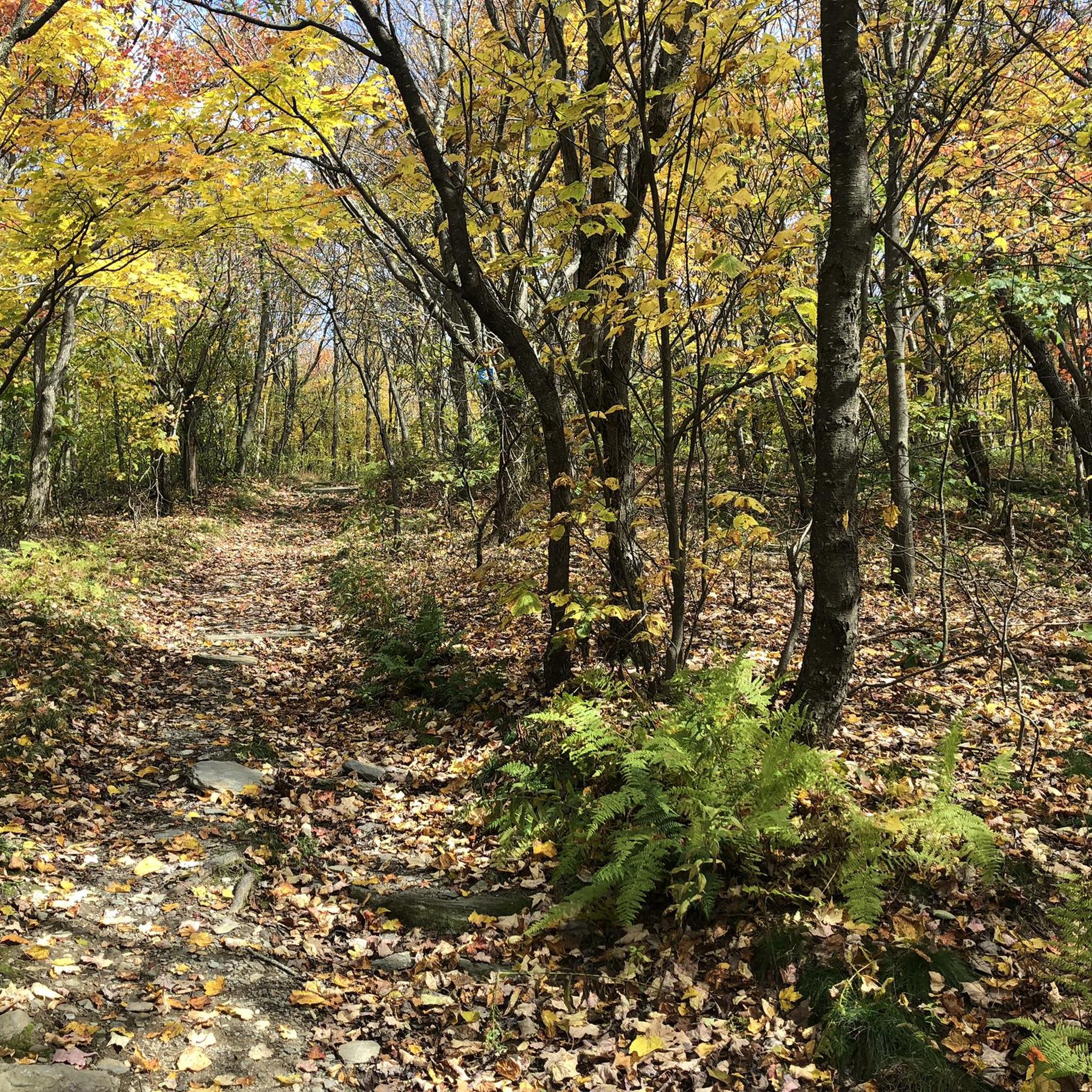
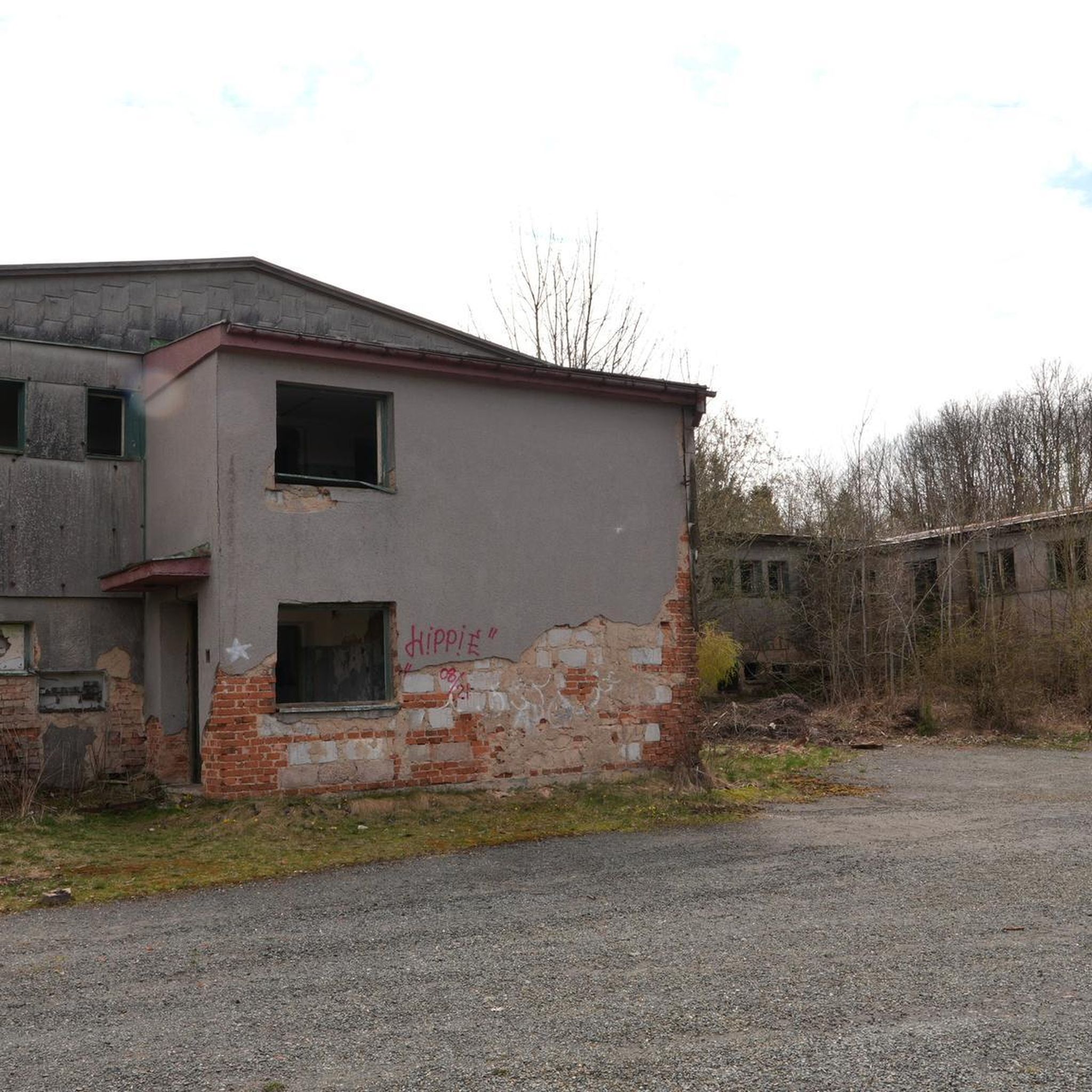
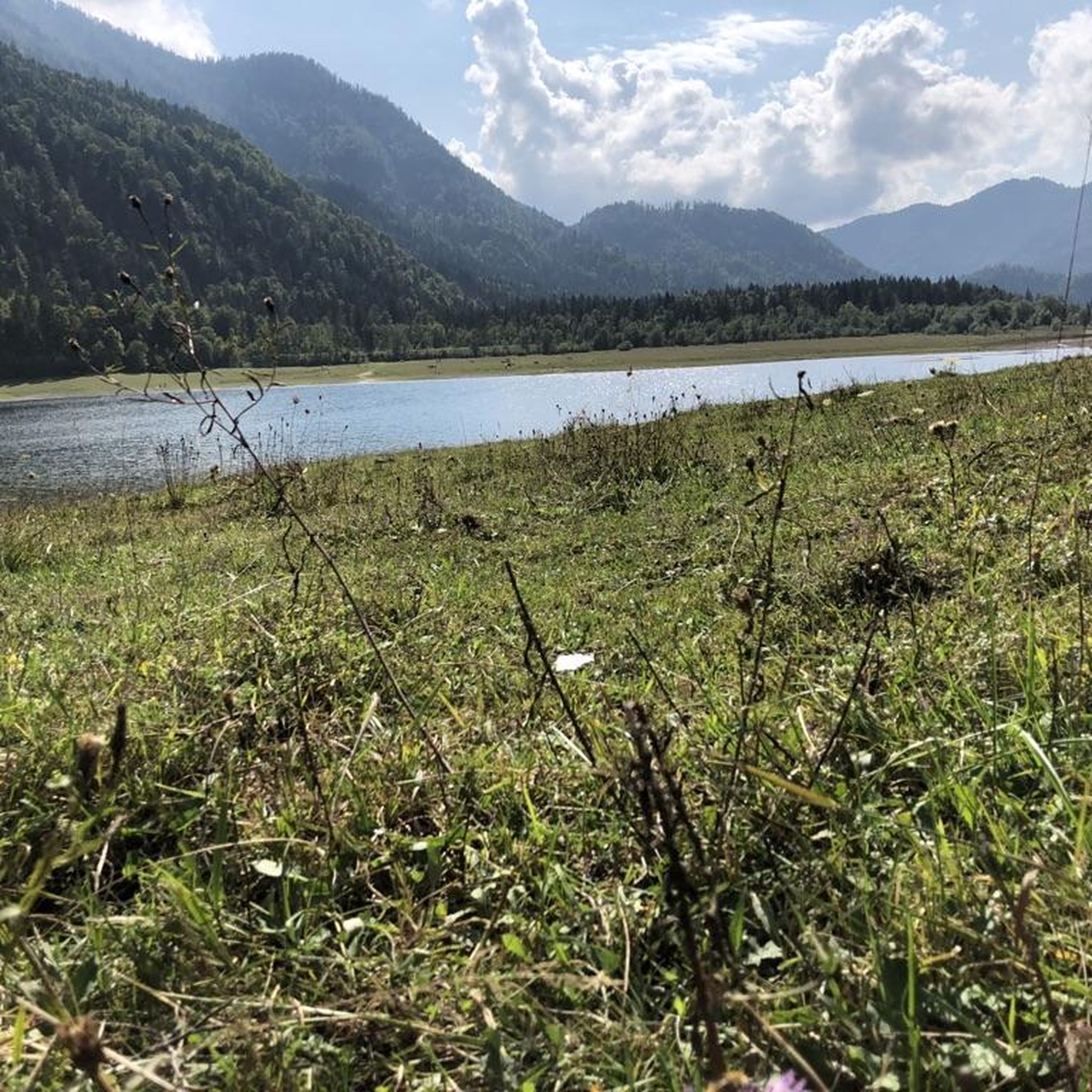
Tips from the Community

A great monument with a magnificent view once you have conquered the stairs. Tip: hike to the summit!
0
0

Fitch Overlook is located on Notch Road at an elevation of 2,850 feet, just below Mount Fitch itself, at Mount Greylock State Reservation. It is not a large overlook by any means, but it has great views out over towards Mount Prospect and Stony Ledge.
1
0

The 1753 House stands as a faithful reproduction of a settler's home from 1753 in The Berkshires. Situated in Field Park at Williamstown's west end, it was built by volunteers in 1953 to commemorate the town's Bicentennial. Early settlers in the Hoosac Valley, including Williamstown and North Adams, were obligated by contract to construct a house of specific dimensions and clear a designated amount of land to secure their lot. You can see the house from the roadside.
0
0

Mohawk Trail Multiuse Path is an almost 5-mile long trail near Williamstown. The trail is mostly flat and at times, gives you good views of the Housatonic River.
0
0
The Bennington Battle Monument, erected in 1891, commemorates the Revolutionary War's Battle of Bennington in Vermont. Standing at 306 feet, it symbolizes the victory against British forces. Funded by patriotic citizens, the monument is a testament to the community's dedication to preserving and honoring its historical legacy.
0
0
Established in 1762, The First Congregational Church of Bennington, or Old First Church, boasts a rich history in Old Bennington, Vermont. The present meeting house, erected in 1805, stands as a stellar representation of Federal period religious architecture in the state. Recognized for its historical significance, it earned a spot on the National Register of Historic Places in 1973.
0
0
The Church of the Sacred Heart and St. Francis de Sales, located in Bennington, Vermont, holds a rich history dating back to its establishment. Serving as a spiritual cornerstone, the church's architectural and cultural significance draws interest. It stands as a testament to the community's enduring faith and heritage.
0
0

The Clark Art Institute is an art museum in Williamstown, Massachusetts, that houses an exceptional collection of European and American art. Notable for its emphasis on 19th-century French Impressionist and Academic paintings, the institute boasts works by renowned artists like Pierre-Auguste Renoir, John Singer Sargent, Edgar Degas, and Winslow Homer, among others. The beautiful campus, set in the picturesque Berkshires, includes the original Clark Center, Manton Research Center, and the Stone Hill Center designed by Tadao Ando. Apart from exhibitions, The Clark offers academic programs, research opportunities, and hosts diverse events.
1
0
Frequently Asked Questions
Are bikes allowed within the Hopkins Memorial Forest trails?
It is important to note that bikes of any kind are prohibited on the internal trails within Hopkins Memorial Forest itself. The forest is managed primarily for hiking, jogging, and winter sports like cross-country skiing and snowshoeing. However, the touring cycling routes listed in this guide are located in the broader Hopkins Memorial Forest region, utilizing public roads and paths adjacent to or surrounding the forest, allowing cyclists to experience the area's natural beauty.
How many touring cycling routes are available in the Hopkins Memorial Forest area?
There are 10 touring cycling routes available in the Hopkins Memorial Forest area, offering a variety of distances and difficulty levels for cyclists to explore the region's diverse landscapes.
What are the difficulty levels of touring cycling routes in this region?
The routes in the Hopkins Memorial Forest area cater to various skill levels. You'll find 2 easy routes, 1 moderate route, and 7 difficult routes, providing options for both casual rides and more challenging excursions with significant elevation changes.
What kind of landscapes can I expect on touring cycling routes in the Hopkins Memorial Forest area?
Touring cycling routes in this region traverse diverse forest ecosystems, ranging from rich alluvial bottomland along the Hoosic River to sugar maple and mixed deciduous stands on lower slopes, and northern hardwood types higher up. You'll experience varied tree compositions and elevation changes as routes ascend towards the Taconic Mountain Range, often encountering streams and open fields.
Are there any circular touring cycling routes in the Hopkins Memorial Forest area?
Yes, many of the touring cycling routes in the Hopkins Memorial Forest area are designed as loops. For example, you can try The Clark Art Institute – 1753 House loop from Williamstown or the Bennington Battle Monument – Vermont Working Farm (Gravel Road) loop from Pownal, which offer varied terrain and scenic views.
What is the longest touring cycling route in the Hopkins Memorial Forest area?
The longest touring cycling route available is The Clark Art Institute – 1753 House loop from Williamstown, which spans 52.7 miles (84.9 km) and features significant elevation gain through varied forest types.
What is the easiest touring cycling route for beginners or families?
For an easier ride, consider The Clark Art Institute – 1753 House loop from The Clark Art Institute. This route is 11.5 miles (18.5 km) long with minimal elevation gain, making it suitable for those looking for a more relaxed touring cycling experience.
What do other touring cyclists enjoy most about the Hopkins Memorial Forest area?
The routes in the Hopkins Memorial Forest area are highly rated by the komoot community, with an average score of 5.0 stars. Cyclists often praise the diverse forest ecosystems and the varied elevation profiles that offer engaging rides through natural settings.
Are there any gravel sections on the touring cycling routes?
Yes, some routes in the Hopkins Memorial Forest area do include gravel sections. For instance, the difficult Bennington Battle Monument – Vermont Working Farm (Gravel Road) loop from Pownal features gravel sections as it passes through rural landscapes.
What kind of wildlife might I see while cycling in the Hopkins Memorial Forest area?
While cycling in the broader Hopkins Memorial Forest area, you might spot various wildlife, including deer, squirrels, chipmunks, and a variety of birds like ruffed grouse, woodcocks, and chickadees, especially in the quieter, more forested sections of the routes.
Are there any notable landmarks or attractions near the cycling routes?
While the internal forest trails are not for cycling, the surrounding area offers points of interest. The region is known for its connection to the Taconic Crest Trail and its geological history. You might also pass by cultural institutions like The Clark Art Institute, which serves as a starting point for several routes.
What is the best season for touring cycling in the Hopkins Memorial Forest area?
The best seasons for touring cycling in the Hopkins Memorial Forest area are typically spring, summer, and fall. Autumn is particularly scenic as the trees change color, offering vibrant views. Spring brings fresh greenery, and summer provides warm weather, though some routes may have more shade than others.
Most popular routes in Hopkins Memorial Forest

Get inspired with the komoot mobile app


Explore more
Browse the best Cycling routes in other regions.
