The best cycling routes in Great Mountain Forest
5.0
(1)
22
riders
11
rides
Touring cycling routes in Great Mountain Forest traverse a diverse landscape of over 6,000 acres, characterized by varied topography with elevations ranging from 700 feet to nearly 1,800 feet. The region features extensive mixed-use trails and forest roads, including both rural gravel and paved sections. Cyclists encounter a mix of transition hardwoods, northern hardwoods, and pine forests, alongside numerous ponds and wetlands. This varied terrain provides a range of cycling experiences across its upland glaciated crystalline rock formations.
Best touring…
Last updated: July 2, 2026
1
riders
43.2km
03:00
640m
640m
Hard bike ride. Very good fitness required. Mostly paved surfaces. Suitable for all skill levels.
3
riders
24.0km
01:25
140m
140m
Easy bike ride. Great for any fitness level. Mostly paved surfaces. Suitable for all skill levels.

Sign up for free
5.0
(1)
1
riders
12.6km
00:47
130m
130m
Easy bike ride. Great for any fitness level. Mostly paved surfaces. Suitable for all skill levels.
5
riders
47.3km
02:49
350m
350m
Moderate bike ride. Good fitness required. Mostly paved surfaces. Suitable for all skill levels.
2
riders
21.0km
01:28
330m
330m
Moderate bike ride. Good fitness required. Mostly paved surfaces. Suitable for all skill levels.
Get access to more routes and recommendations from other explorers.
Sign up for free
Already have an account?
Our route recommendations are based on thousands of hikes, rides, and runs completed by other people on komoot.
Start today with a free account
Your next adventure awaits.
Login or Signup
Popular around Great Mountain Forest

Tips from the Community

Norfolk's World War I Memorial, situated at the junction of Greenwoods Road West and North Street, is a triangular ashlar granite structure standing about 15 feet (4.6 m) high. It was designed by Alfredo S.G. Taylor in 1921. He is a New York City-based architect who spent his summers in Norfolk.
0
0
The Soldiers Monument stands as a tribute to the town's fallen soldiers who served in various wars. The monument was built in 1889 out of a central granite column. On top is a bronze statue of a Union soldier.
0
0

Constructed in 1862 using the Town lattice truss design, this bridge is one of the oldest covered bridges in Connecticut and the only remaining covered bridge in Litchfield County. Nestled amidst a picturesque rural setting, the bridge's red exterior with white trim complements the surrounding natural landscape, creating a charming scene.
0
0


The U.S. Bicycle Route 7 (USBR 7) is a super good, north-south bike trail that follows the Western New England Greenway through Connecticut, Massachusetts, and Vermont. This section in Massachusetts goes down the Rannapo Road and over the Housatonic River, where you have great views over the river. Then the road twists its way through the open countryside, sticking close to the river. It is a fantastic bike ride.
1
0

After quite some long climbs this is a great to ride decent. Caution as there is light traffic (AM) as well as cross roads.
0
0
An opportunity to cross the river. There are a few houses and maybe even a store. Early AM everything is closed there. I would count on it for supplies.
1
0
Frequently Asked Questions
How many touring cycling routes are available in Great Mountain Forest?
There are 12 touring cycling routes available in Great Mountain Forest, offering a diverse range of experiences for cyclists. These routes traverse over 6,000 acres of varied terrain, from gentle forest roads to paths with moderate elevation changes.
What kind of terrain can I expect on touring cycling routes in Great Mountain Forest?
The terrain in Great Mountain Forest is quite varied, featuring extensive mixed-use trails and forest roads. You'll encounter both rural gravel and paved sections. The region's topography ranges from 700 feet to nearly 1,800 feet, so some routes will have gentle elevation changes while others, like those on Chattleton Road, offer more significant climbs. A hybrid or mountain bike is generally recommended due to the varied surfaces.
Are there any easy touring cycling routes suitable for beginners or families?
Yes, Great Mountain Forest offers several easy touring cycling routes. For instance, the Bike loop from Rattlesnake Preserve is an easy 6.7 km trail through diverse forest ecosystems, typically completed in about 25 minutes. Another accessible option is the Bartholomew's Cobble loop from Housatonic State Forest, which is 24 km with gentle elevation changes.
What are some natural features or landmarks I might see while cycling in Great Mountain Forest?
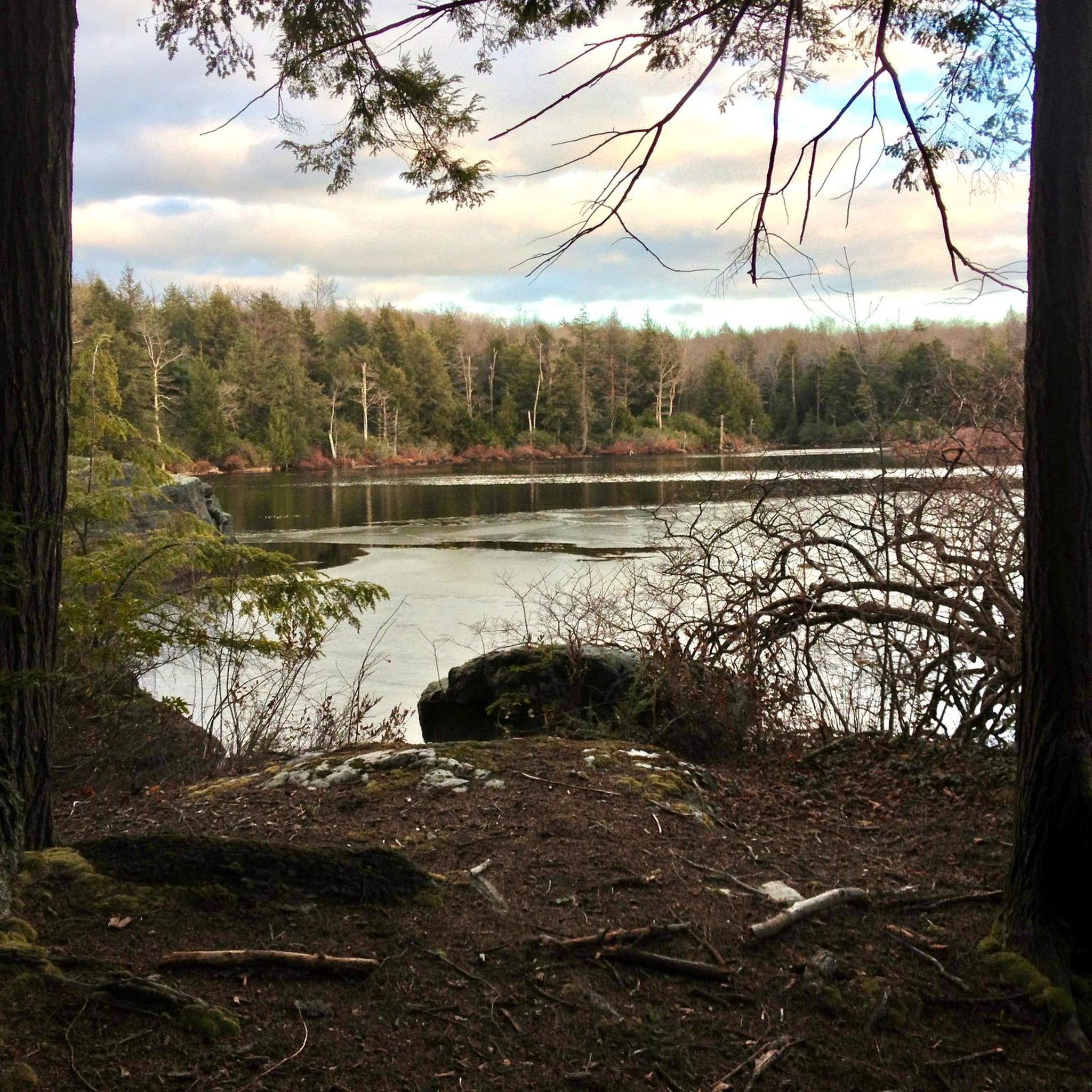
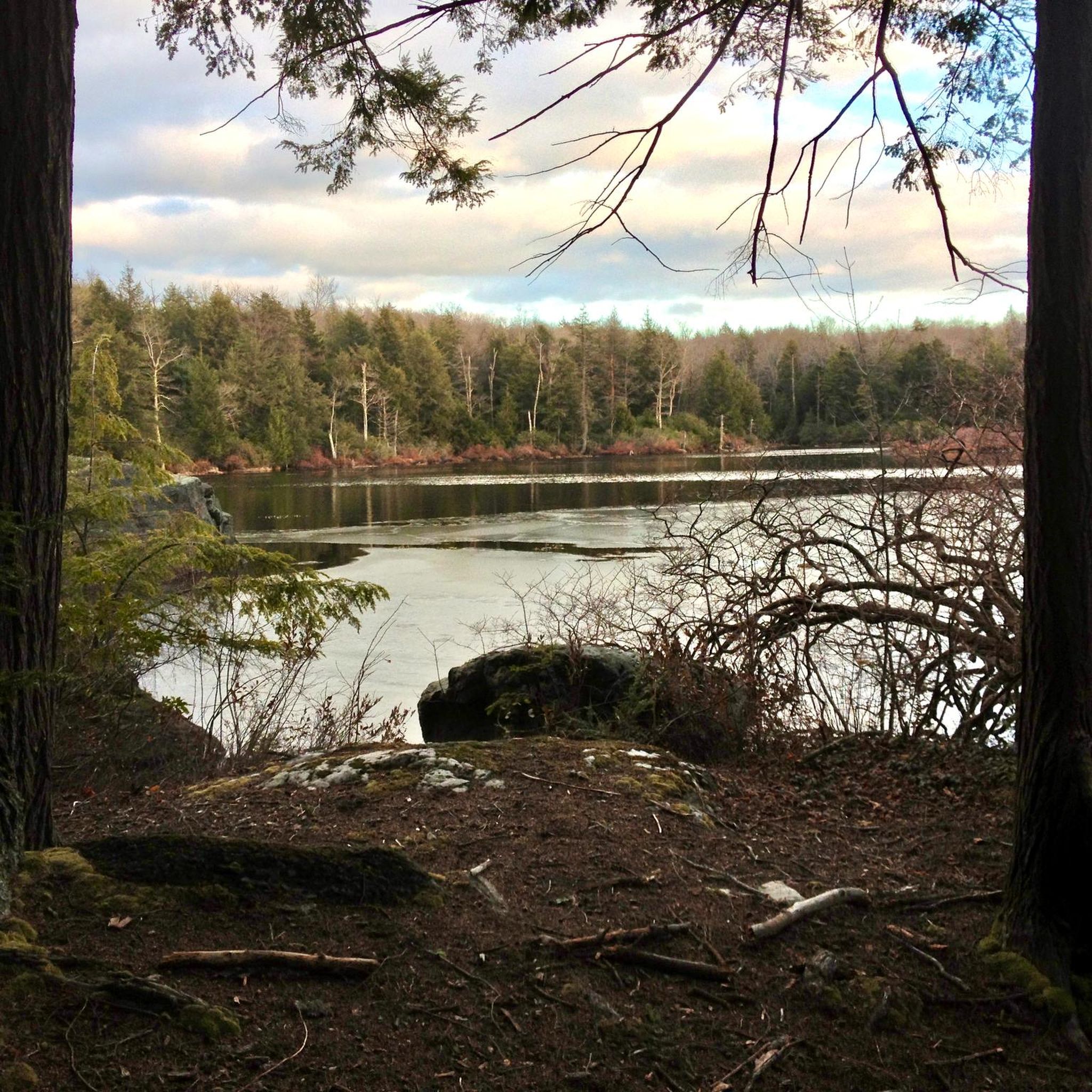
Great Mountain Forest is rich in natural beauty. You'll cycle through diverse forest ecosystems, including transition and northern hardwoods, hemlock, and pine, with some remote sections featuring trees over 350 years old. The area also boasts seven ponds, numerous wetlands, and riparian habitats, including Tobey Bog, known for its unique ecology and carnivorous plants. Keep an eye out for abundant wildlife, such as white-tailed deer, moose, black bears, and various bird species.
Are there any challenging touring cycling routes in the area?
While many routes are easy to moderate, some sections and routes offer more challenge. For example, trails along Chattleton Road are noted for their moderate grade and provide the most elevation gain. The region's varied topography, with elevations up to nearly 1,800 feet, means you can find routes that test your climbing ability. The Mill Pond loop from North Canaan is a moderate 47.3 km route with over 345 meters of elevation gain, offering a good workout.
Can I find circular touring cycling routes in Great Mountain Forest?
Yes, many of the touring cycling routes in Great Mountain Forest are designed as loops, allowing you to start and end at the same point. Examples include the Bartholomew's Cobble loop from Housatonic State Forest, the Mill Pond loop from North Canaan, and the Bike loop from Rattlesnake Preserve. These circular routes make planning your ride convenient.
What is the best time of year to go touring cycling in Great Mountain Forest?
The best time for touring cycling in Great Mountain Forest generally aligns with the warmer months, from spring through fall, when trails are clear of snow and ice. Spring offers lush greenery, while autumn provides spectacular fall foliage. Given the varied terrain, checking local weather conditions is always advisable, especially after heavy rain, as some gravel sections might become muddy.
Is parking available for cyclists at Great Mountain Forest trailheads?
While specific parking areas for cyclists are not detailed in the provided information, Great Mountain Forest is a well-established outdoor destination. It is generally advisable to check the official Great Mountain Forest website or local visitor information for designated parking areas near trail access points before your visit. Many forest roads and trailheads typically offer some form of parking.
Are e-bikes permitted on the touring cycling trails in Great Mountain Forest?
Yes, e-bikes are supported on some trails within Great Mountain Forest. This allows a wider range of cyclists to enjoy the diverse landscapes and varied terrain, including routes with moderate elevation changes. It's always a good idea to confirm specific trail regulations for e-bikes before heading out.
What kind of wildlife might I encounter while cycling in Great Mountain Forest?
Great Mountain Forest is home to abundant and diverse wildlife. Cyclists might spot white-tailed deer, moose, black bears, and wild turkeys. The forest also provides nesting sites for neotropical migrants and migratory waterfowl, especially around its numerous ponds and wetlands. Endangered species like timber rattlesnakes and bald eagles have also been observed, so it's important to be aware of your surroundings and respect wildlife habitats.
Are there any historical points of interest along the cycling routes?
Yes, Great Mountain Forest has a rich history, particularly related to past iron-making activities. While cycling, you might come across evidence of this history, such as old colliers' hearths and foundations. The forest also serves as a center for scientific research and education, offering insights into sustainable forest management and maple syrup production at its sugar house.
What types of bikes are recommended for touring cycling in Great Mountain Forest?
Due to the varied terrain, which includes both rural gravel and paved roads, a hybrid or mountain bike is generally recommended for touring cycling in Great Mountain Forest. Bikes with wider tires will provide better stability and comfort on the mixed surfaces, especially on the gravel sections and forest roads. While e-bikes are supported on some trails, bikes with extremely thin tires might not be suitable for all routes.
Most popular routes in Great Mountain Forest

Get inspired with the komoot mobile app


Explore more
Browse the best Cycling routes in other regions.
