The best cycling routes in Lohovska Brda
3.4
(11)
90
riders
8
rides
Touring cycling in Lohovska Brda offers routes through varied terrain, characterized by river valleys, cultural landmarks, and sections within a national park. The region features both gentle paths and more challenging ascents, with some routes reaching significant elevations. This area provides opportunities to explore historical sites and natural landscapes by bike.
Best touring cycling routes in Lohovska Brda
- The most popular touring cycling route is Fethija Mosque – Church of Saint Anthony, Bihać loop from Bihać, a 16.7 miles…
Last updated: July 1, 2026
4.3
(7)
19
riders
27.4km
01:38
110m
110m
Easy bike ride. Great for any fitness level. Mostly paved surfaces. Suitable for all skill levels.
16
riders
76.6km
05:41
1,160m
1,160m
Hard bike ride. Very good fitness required. Mostly paved surfaces. Suitable for all skill levels.

Sign up for free
5.0
(3)
34
riders
82.0km
05:19
1,080m
1,080m
Hard bike ride. Very good fitness required. Mostly paved surfaces. Suitable for all skill levels.
9
riders
40.0km
02:39
530m
530m
Hard bike ride. Very good fitness required. Mostly paved surfaces. Suitable for all skill levels.
1.0
(1)
4
riders
45.9km
02:59
580m
580m
Hard bike ride. Very good fitness required. Mostly paved surfaces. Suitable for all skill levels.
Get access to more routes and recommendations from other explorers.
Sign up for free
Already have an account?
Our route recommendations are based on thousands of hikes, rides, and runs completed by other people on komoot.
Start today with a free account
Your next adventure awaits.
Login or Signup
Tips from the Community

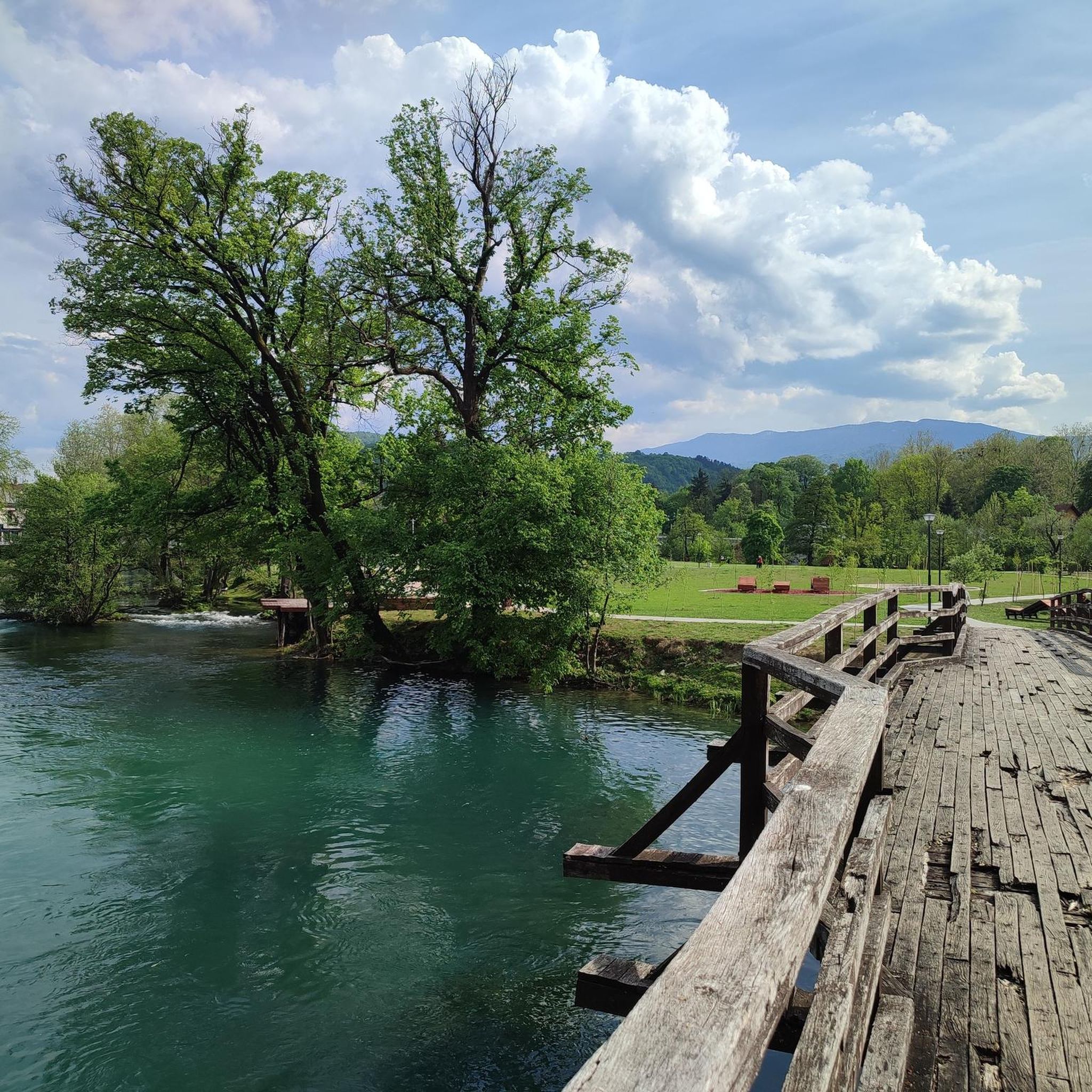
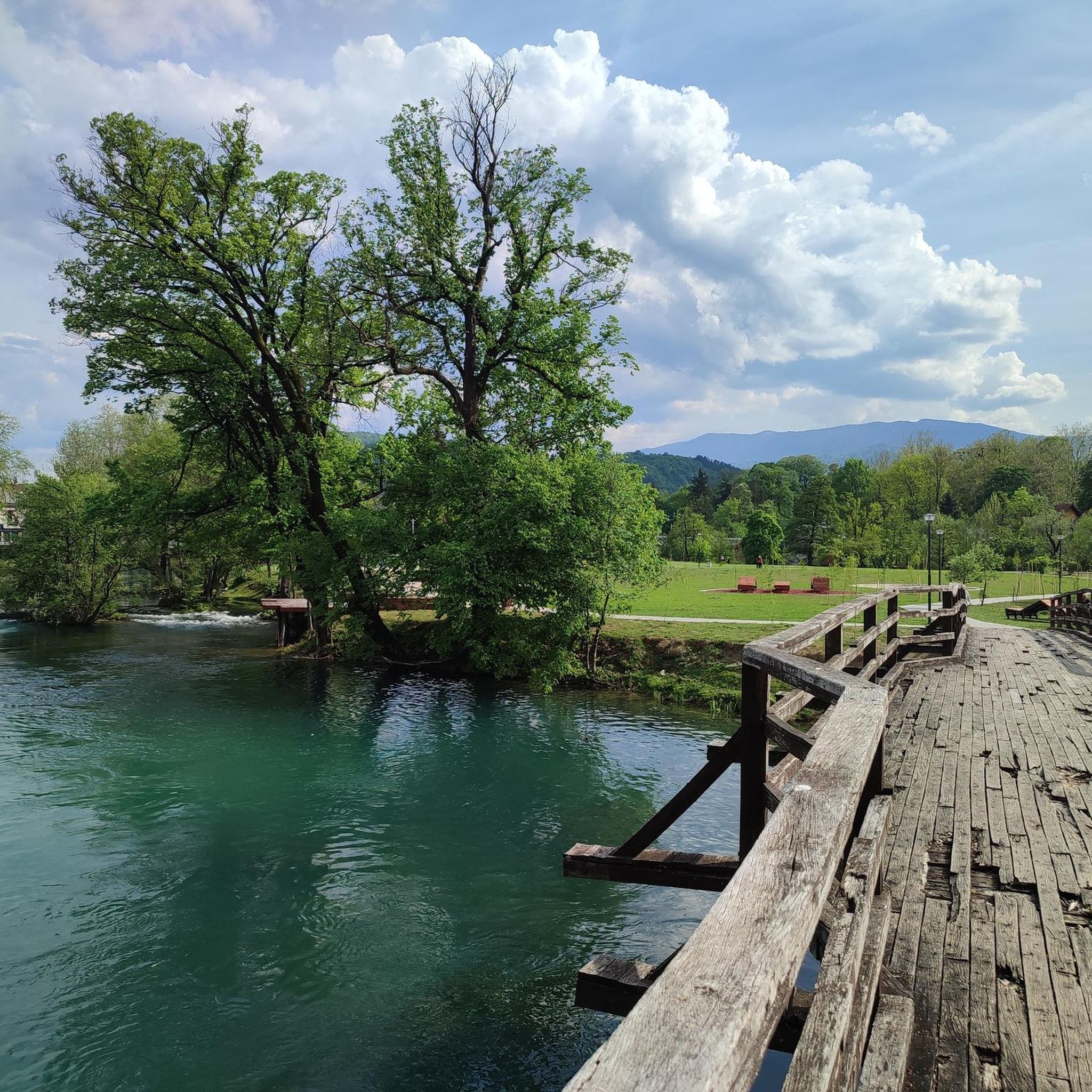
The bridge is very wobbly but stable
0
0

Kulen Vakuf has one of the most fascinating and eventful histories in all of northwestern Bosnia. Its origin is closely linked to the securing of the Ottoman Empire's borders and the rise of one of Bosnia's most powerful noble dynasties. Here is the historical development summarized chronologically: 1. The beginnings: Life under the protection of the Giant Castle (Middle Ages) Before the town existed in the valley, life took place high up in the mountains. In the Middle Ages, the region was part of the Hungarian-Croatian Kingdom. The all-dominating Ostrovica castle controlled the Una river valley [🌱, 🏰]. People lived primarily under the protection of this fortress walls back then. In 1523, the Ottomans conquered the castle and expanded it into one of their most important border fortresses. 2. The 18th century: The birth of the town on the water The actual history of Kulen Vakuf in the valley began in 1703, after the Peace of Karlowitz [🌱]. The Ottoman Empire lost territories in present-day Croatia, and the Una became the hard-fought outer border with the Habsburg Empire. The fortress in the valley: Sultan Ahmed III ordered the construction of a new defensive settlement directly on a strategic Una bridge [🌱, 🏰]. The artificial island: To offer protection from attackers, an artificial river island was created. The Una's water flowed completely around the newly built city walls – Kulen Vakuf was practically a water fortress with two large gates [🌱, 🏰]. The original name: At this time, the town was still called Palanka Mahmut-paše Kulenovića (the fortress of Mahmut-Paša Kulenović). He was the first military commander (Kapetan) of the region.
0
0
Gate 1 is the start, a friendly man greets you and you have to pay 16 BM, which also includes the visit to the waterfalls. A pretty good trail leads you first 4 km uphill before it goes down for about 10 km, down to the waterfalls. Here the gravel path ends.
0
0


A fairly rough gravel section with a short uphill, followed by a long, steep descent. We had fun on our touring bikes.
0
0

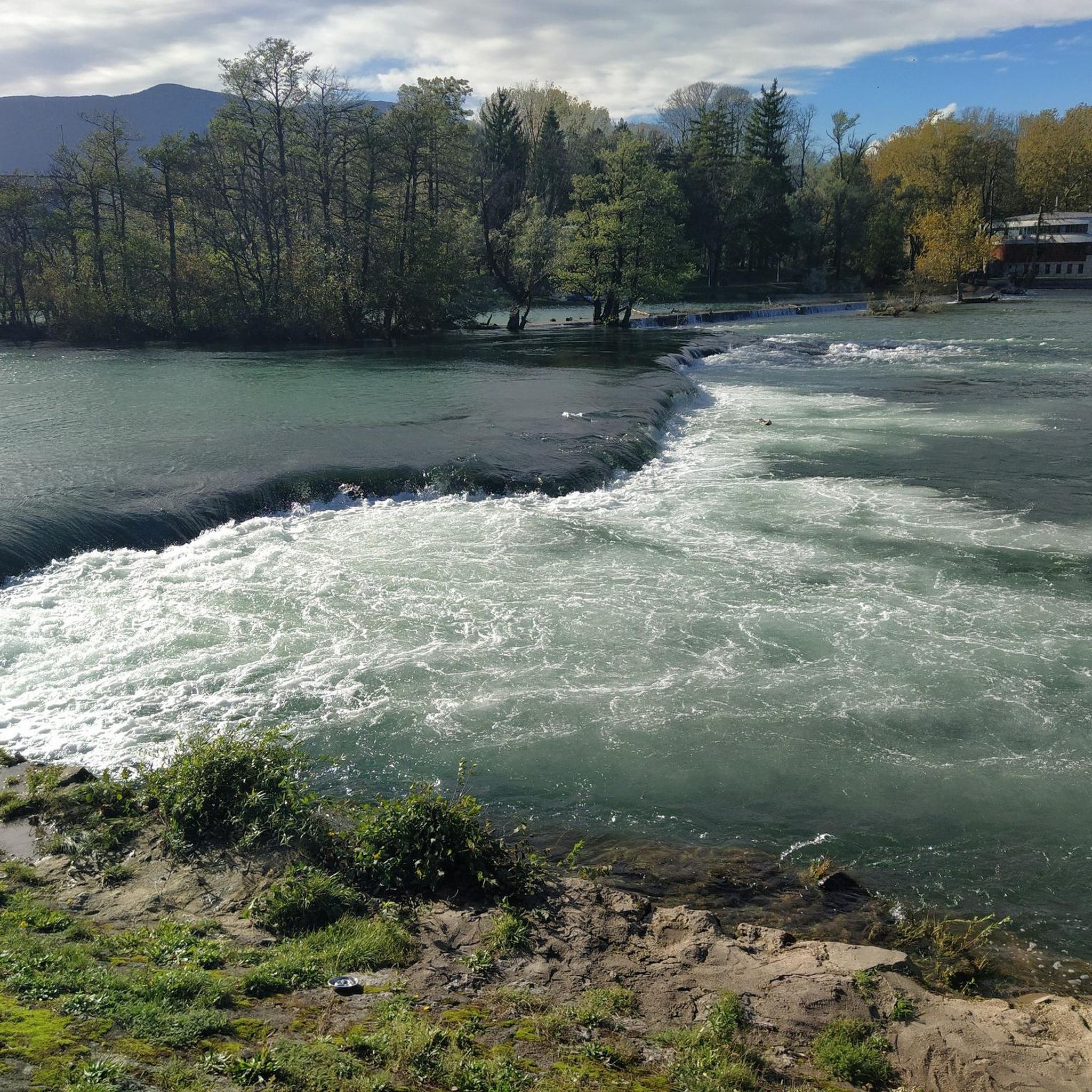
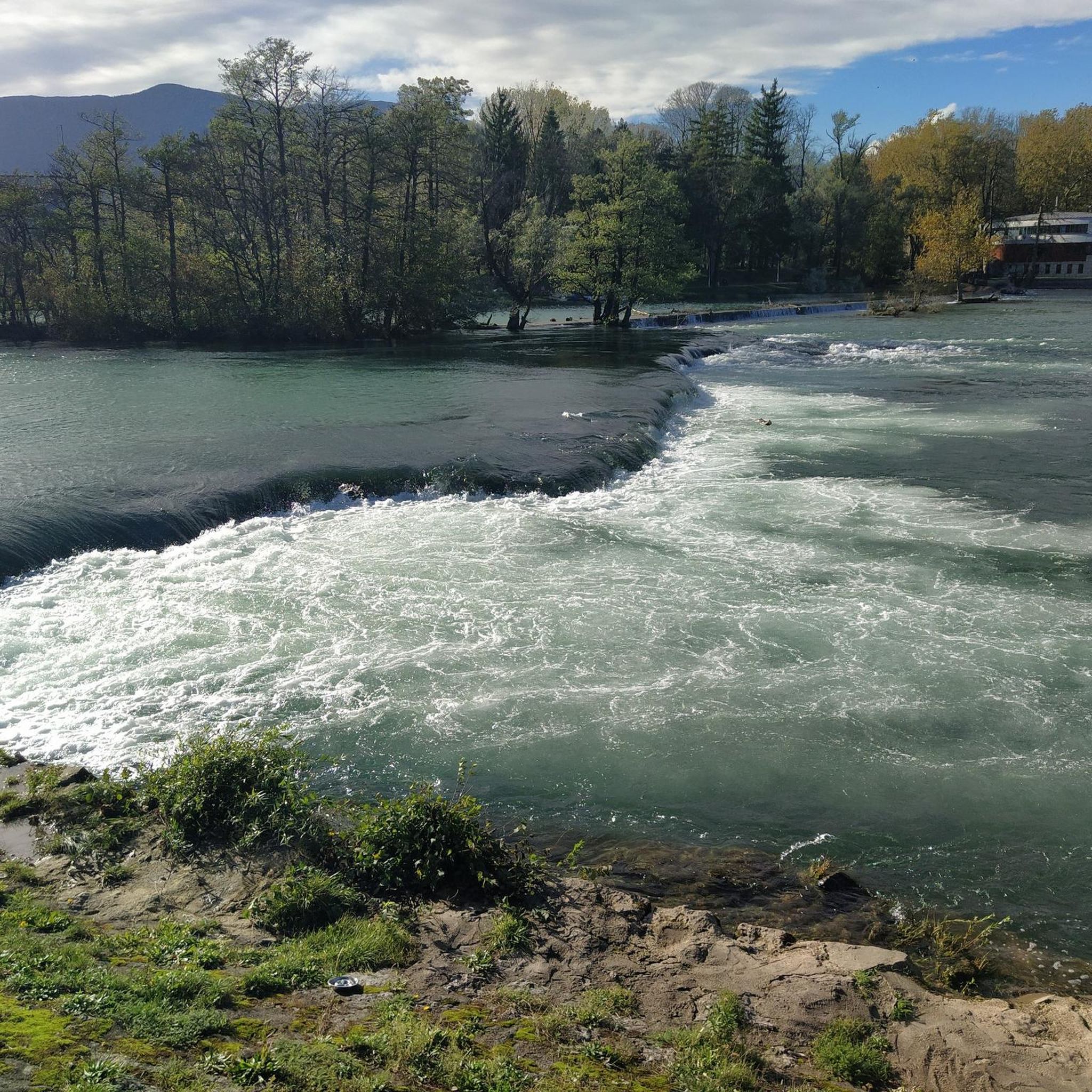
A great place to jump into the water and refresh yourself.
0
0

Along a creek with a nice atmosphere and good coffee / food
0
0

Former church turned into a mosque when Bihać fell to the Ottoman Empire.
0
0
Frequently Asked Questions
What is the range of difficulty for touring cycling routes in Lohovska Brda?
Lohovska Brda offers a diverse range of touring cycling routes, catering to various skill levels. You'll find everything from easy, gentle paths suitable for a relaxed ride, to more challenging routes with significant ascents and longer distances. For example, the Fethija Mosque – Church of Saint Anthony, Bihać loop from Bihać is an easy option, while routes like the Church of Saint Anthony, Bihać – Fethija Mosque loop from Bihać present a more difficult challenge.
Are there any family-friendly touring cycling routes in Lohovska Brda?
Yes, Lohovska Brda has options suitable for families looking for a less strenuous ride. The region's varied terrain includes some gentle paths. An easy route like the Fethija Mosque – Church of Saint Anthony, Bihać loop from Bihać, which is 16.7 miles (26.8 km) long with minimal elevation gain, is a good choice for a family outing.
What is the best time of year for touring cycling in Lohovska Brda?
The best time for touring cycling in Lohovska Brda is generally during the spring and autumn months. These seasons offer pleasant temperatures and less extreme weather conditions, making for more comfortable rides. Summer can also be enjoyable, but be prepared for potentially warmer temperatures, especially in July and August.
Are there circular touring cycling routes available in Lohovska Brda?
Yes, many of the touring cycling routes in Lohovska Brda are designed as loops, allowing you to start and finish at the same point. Examples include the Una National Park – Štrbački Buk Waterfalls loop from Bihać and the Church of Saint Anthony, Bihać – Kulen Vakuf loop from Bihać, both offering extensive circular journeys through the region's landscapes.
Where can I find parking for touring cycling routes in Lohovska Brda?
Many touring cycling routes in Lohovska Brda start from towns like Bihać. You can typically find public parking facilities within these urban centers, often near cultural landmarks or central areas. It's advisable to check local parking regulations and availability before your trip, especially during peak seasons.
Are there any touring cycling routes that feature waterfalls in Lohovska Brda?
Yes, the region is known for its natural beauty, including impressive waterfalls. The Una National Park – Štrbački Buk Waterfalls loop from Bihać is a prime example, taking you through the scenic Una National Park where you can experience the famous Štrbački Buk waterfalls.
What kind of views can I expect along the touring cycling routes in Lohovska Brda?
Touring cycling in Lohovska Brda offers diverse and picturesque views. You can expect to see lush river valleys, especially along the Una River, and expansive landscapes within the Una National Park. Many routes also pass by cultural landmarks and historical sites, providing a blend of natural beauty and historical interest.
Are there cafes or pubs near the touring cycling trails in Lohovska Brda?
Yes, particularly in and around the larger towns like Bihać, which serve as common starting points for many routes. As you venture into more rural areas, options might be less frequent, so it's always a good idea to carry snacks and water. However, many routes pass through or near villages where you can find local establishments.
How long do touring cycling routes in Lohovska Brda typically take to complete?
The duration of touring cycling routes in Lohovska Brda varies significantly based on distance and difficulty. Shorter, easy routes like the Fethija Mosque – Church of Saint Anthony, Bihać loop from Bihać can be completed in under two hours. Longer, more difficult routes, such as the Church of Saint Anthony, Bihać – Kulen Vakuf loop from Bihać, can take around 5 hours 17 minutes or more, depending on your pace and stops.
What do other touring cyclists enjoy most about cycling in Lohovska Brda?
The area is highly rated by the komoot community, with an average score of 3.3 stars from 8 reviews. Reviewers often praise the region's varied terrain, which combines river valleys, national park scenery, and cultural sites, offering a rich and engaging cycling experience for different ability levels.
Can I access touring cycling routes in Lohovska Brda using public transport?
Accessing routes via public transport is generally possible, especially if your starting point is a larger town like Bihać, which has bus connections. However, options might be limited for reaching more remote trailheads. It's recommended to check local bus schedules and routes in advance to plan your journey effectively.
Are there any hidden gem touring cycling routes in Lohovska Brda?
While the most popular routes are well-known, Lohovska Brda's extensive network means there are always less-trafficked paths to discover. Exploring routes that venture deeper into the Una National Park or connect smaller villages can often lead to quieter, more secluded experiences away from the main trails. The Fethija Mosque – Church of Saint Anthony, Bihać loop from Bihać, though sharing a name with another, offers a distinct, longer journey that might reveal new perspectives.

Get inspired with the komoot mobile app


Explore more
Browse the best Cycling routes in other regions.
