Attractions and Places To See in Urbarialwald St. Margarethen - Top 13
Best attractions and places to see in Urbarialwald St. Margarethen include historical sites, natural features, and cultural venues. This region, located near the Austrian-Hungarian border, is characterized by its proximity to Lake Neusiedl, vineyards, and rolling hills. It offers a blend of ancient Roman history, Cold War memorials, and protected natural landscapes. The area provides opportunities to explore geological formations and significant cultural landmarks.
Best attractions and places to see in Urbarialwald St. Margarethen
- The most popular attractions is National border AT - HU, a man-made monument marking the state border between Austria and Hungary. An excavation site is located nearby.
- Another must-see spot is Gate of Freedom – Pan-European Picnic Memorial, a man-made monument. This memorial commemorates the 1989 Pan-European Picnic, a pivotal event in the fall of the Iron Curtain, and includes a park with historical information.
- Visitors also love Austria–Hungary border crossing, an other man-made structure. This site features a two-and-a-half-meter high carved relief stone depicting the god Mithras, a holdover from Roman times and a UNESCO World Heritage Site.
- Urbarialwald St. Margarethen is known for its historical monuments, natural viewpoints, and cultural sites. The region offers a variety of attractions to see and explore, from ancient Roman quarries to modern border memorials.
- The attractions in Urbarialwald St. Margarethen are appreciated by the komoot community. There are 67 photos and 540 upvotes for the highlights in this area.
Last updated: July 2, 2026
National border AT - HU
Highlight • Monument
Showing Translation
Tip by

Gate of Freedom – Pan-European Picnic Memorial
Highlight • Monument
The city of Sopran received the part of the wall in 2019 as a gift from Germany on the occasion of the 30th anniversary of this important historical event. Today the Berlin Wall is a symbol of freedom and the peaceful revolution.
Translated by Google •
Tip by

Sign up now to discover places like this
Get recommendations on the best single tracks, peaks, & plenty of other exciting outdoor places.
Sign up for free
Fertőrákos Quarry and Cave Theater
Highlight • Cave
Translated by Google •
Tip by

Observation Tower at the Austrian-Hungarian Border
Highlight • Viewpoint
Showing Translation
Tip by
Mithras Grotto
Highlight • Cave
Showing Translation
Tip by
Sign up for free to discover even more attractions in Urbarialwald St. Margarethen.
Sign up for free
Already have an account?
Start today with a free account
Your next adventure awaits.
Login or Signup
Popular around Urbarialwald St. Margarethen

Tips from the Community

Super large viewing tower to enjoy the landscape
3
0
Beautiful landscape around the lake
3
0
Beautiful landscape around the lake
3
0
Stop at the Austria-Hungary border and take a photo
3
0

Here began the fall of the Iron Curtain
1
0

History was made at this memorial in 1989. The Pan-European Picnic was a peace demonstration on the Austro-Hungarian border near the town of Sopron (Ödenburg). With the consent of both countries, a border gate on the old Pressburger Landstrasse between St. Margarethen in Burgenland and Sopronköhida (Steinambrueckl) in Hungary was to be symbolically opened for three hours. On August 19, 1989, before the official start of the program, scheduled for 3 p.m., refugees from the GDR appeared at the scene of the event and broke through the border in several waves. The Hungarian border police did not prevent this escape, which became the first, truly spectacular action of German reunification. The memorial is a worthwhile excursion destination with a beautiful park, a walkway with informative display boards, the peace bell and the remains of the Iron Curtain.
4
0

Small border crossing for cyclists, pedestrians and horse and cart (if still available :-))
2
0
There used to be a high base for the Austrian army at this point. A few years ago, this was removed and a new, modern viewing platform was built.
1
1
Frequently Asked Questions
What historical sites can I explore in Urbarialwald St. Margarethen?
The region is rich in history. You can visit the Gate of Freedom – Pan-European Picnic Memorial, which commemorates a pivotal event in the fall of the Iron Curtain. Also, explore the ancient Roman presence at the Austria–Hungary border crossing, where a Mithras Temple relief is located, or the renowned Roman Quarry St. Margarethen, a UNESCO World Heritage site known for its ancient limestone extraction and cultural events.
Are there any natural viewpoints or scenic spots in the area?
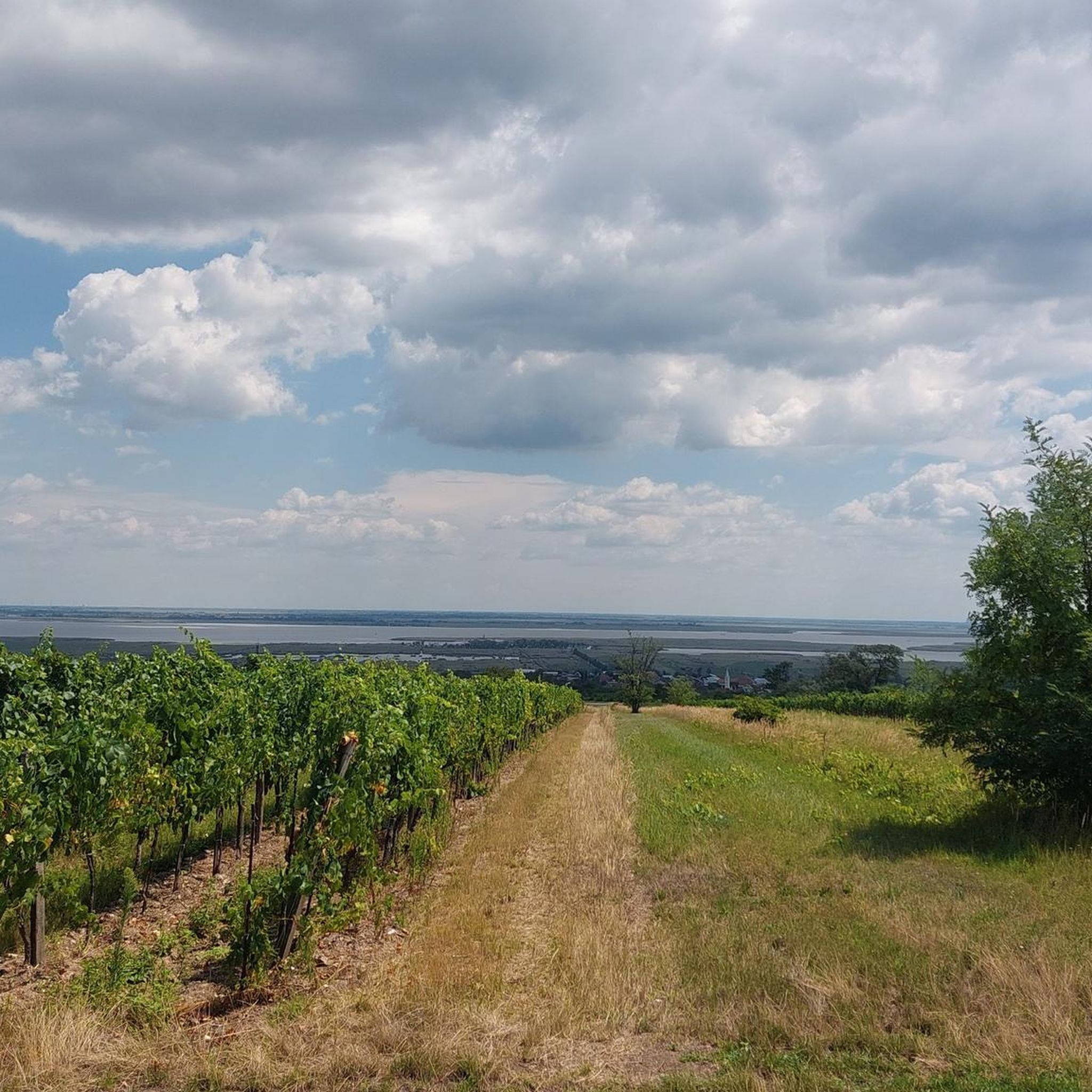
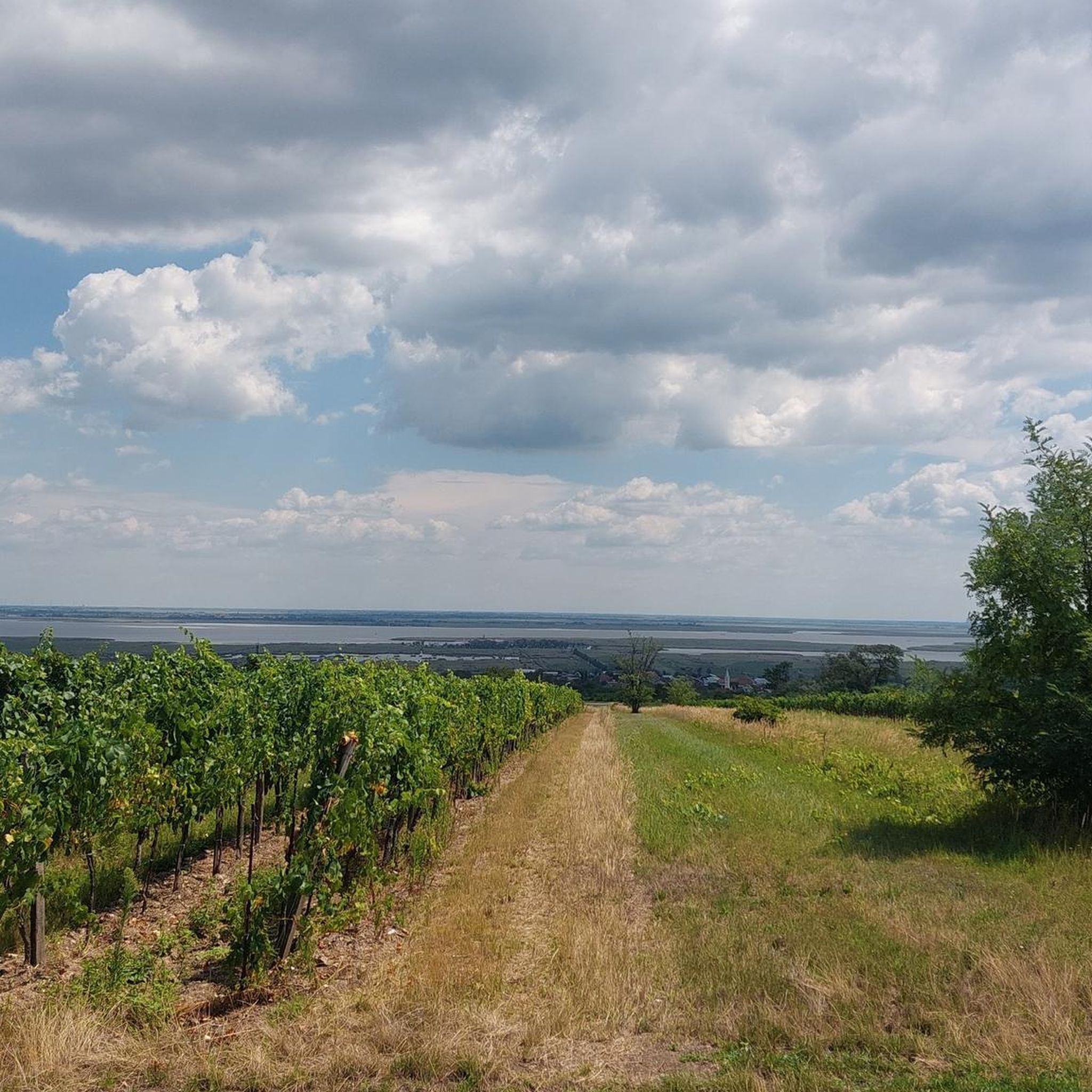
Yes, for panoramic views, visit the Observation Tower at the Austrian-Hungarian Border. From here, you can see Mörbisch, vineyards, and the extensive reed belt of Lake Neusiedl. The broader Neusiedler See-Leithagebirge Nature Park, a UNESCO World Heritage site, also offers beautiful natural landscapes with rolling hills and dry grasslands.
What outdoor activities are available near Urbarialwald St. Margarethen?
The area is excellent for outdoor enthusiasts. You can find numerous trails for hiking, cycling, mountain biking, and gravel biking. For hiking, explore routes like the 'Ziegenberger Observation Tower – Fertőrákos Rock Theater loop' or the 'View of Lake Neusiedl loop'. For gravel biking, consider the 'View of Lake Neusiedl – Vineyards Near Lake Neusiedl loop'. You can find more details and routes in the hiking guide or the gravel biking guide for Urbarialwald St. Margarethen.
Is Urbarialwald St. Margarethen suitable for families with children?
Absolutely. Many attractions are family-friendly, including the Gate of Freedom – Pan-European Picnic Memorial with its park and historical information. The Fertőrákos Quarry and Cave Theater also offers an engaging experience for all ages with its geological exhibition. Additionally, Austria's largest amusement park, Familypark, is located in St. Margarethen.
Where can I learn about the region's geological history?
The Fertőrákos Quarry and Cave Theater is an excellent place to learn about the geological past of the area, featuring an exhibition and impressive limestone formations. The Roman Quarry St. Margarethen also offers guided tours where you can discover fossils up to 25 million years old.
What is the significance of the Pan-European Picnic Memorial?
The Gate of Freedom – Pan-European Picnic Memorial commemorates the 1989 Pan-European Picnic, a crucial event that contributed to the fall of the Iron Curtain. It marks the site of the first major mass escape from the GDR and symbolizes freedom and peaceful revolution, with informative displays about the border crossing between Austria and Hungary.
Are there easy hiking trails near these attractions?
Yes, there are several easy hiking routes. For instance, you can try the 'Pußtahof Ruins loop from Pußtahof' or the 'St. Margarethen Quarry – Roman Quarry St. Margarethen loop from Familypark'. These trails are generally suitable for beginners and offer pleasant walks. More options can be found in the easy hikes guide for the region.
Can I bring my dog to the attractions or on trails?
Many outdoor areas and trails in Urbarialwald St. Margarethen are dog-friendly, especially within the Neusiedler See-Leithagebirge Nature Park. However, it's always advisable to check specific rules for individual attractions or protected areas regarding pets, and to keep dogs on a leash.
What is the best time of year to visit Urbarialwald St. Margarethen?
The region is beautiful year-round, but spring and autumn offer particularly pleasant weather for outdoor activities like hiking and cycling, with milder temperatures and vibrant natural colors. Summer is ideal for enjoying cultural events at the Roman Quarry and exploring Lake Neusiedl, though it can be warmer. Winter can offer unique, tranquil landscapes, especially for those interested in birdwatching.
Are there any unique border experiences in Urbarialwald St. Margarethen?
Yes, the region is defined by its border location. You can visit the National border AT - HU, which is a man-made monument marking the state border. The Austria–Hungary border crossing also features historical remnants like the Mithras Temple relief, highlighting the long history of this border region.
What kind of wildlife can I observe in the area?
The Neusiedler See-Leithagebirge Nature Park, which encompasses Urbarialwald St. Margarethen, is a UNESCO World Heritage site known for its rich biodiversity. It's particularly famous for its nearly 300 bird species found in the reed beds, saline ponds, and marshes, making it a prime spot for birdwatching. Telescopes are available at the Observation Tower at the Austrian-Hungarian Border for wildlife observation.
What are some lesser-known historical gems in the region?
Beyond the major sites, you can discover remnants of 16th-century city walls with loopholes in nearby settlements. The Austria–Hungary border crossing also hosts a restored underground Mithras Temple, an ancient Roman cult site that was historically popular among Roman legionaries, offering a glimpse into a less-known aspect of the region's past.
Most popular routes in Urbarialwald St. Margarethen
Most popular attractions in Urbarialwald St. Margarethen

Get inspired with the komoot mobile app


Explore more
Still not found the Highlight you’re looking for? See guides of the top attractions in other regions:
