The best cycling routes in Jáki-Erdő
4.6
(23)
372
riders
24
rides
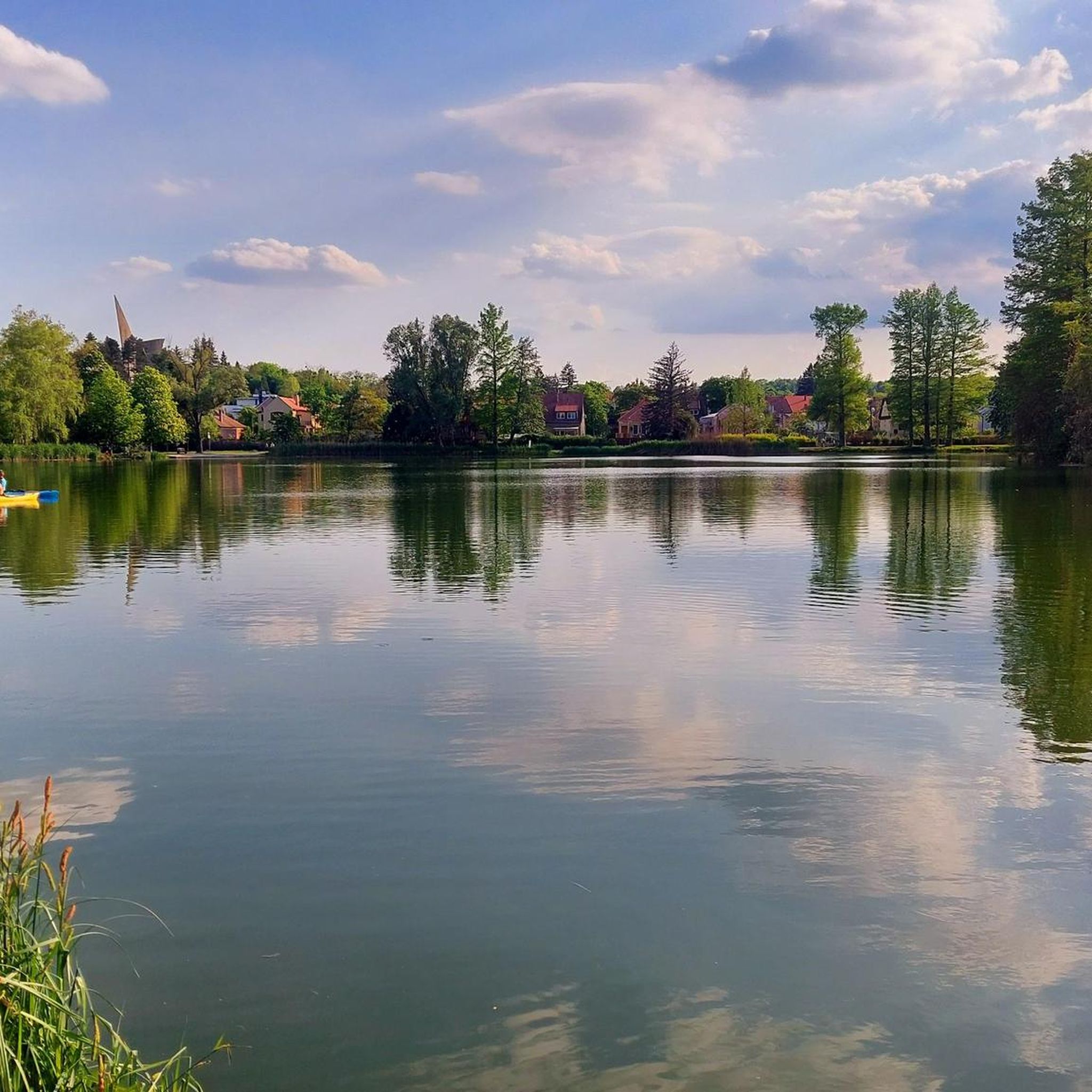
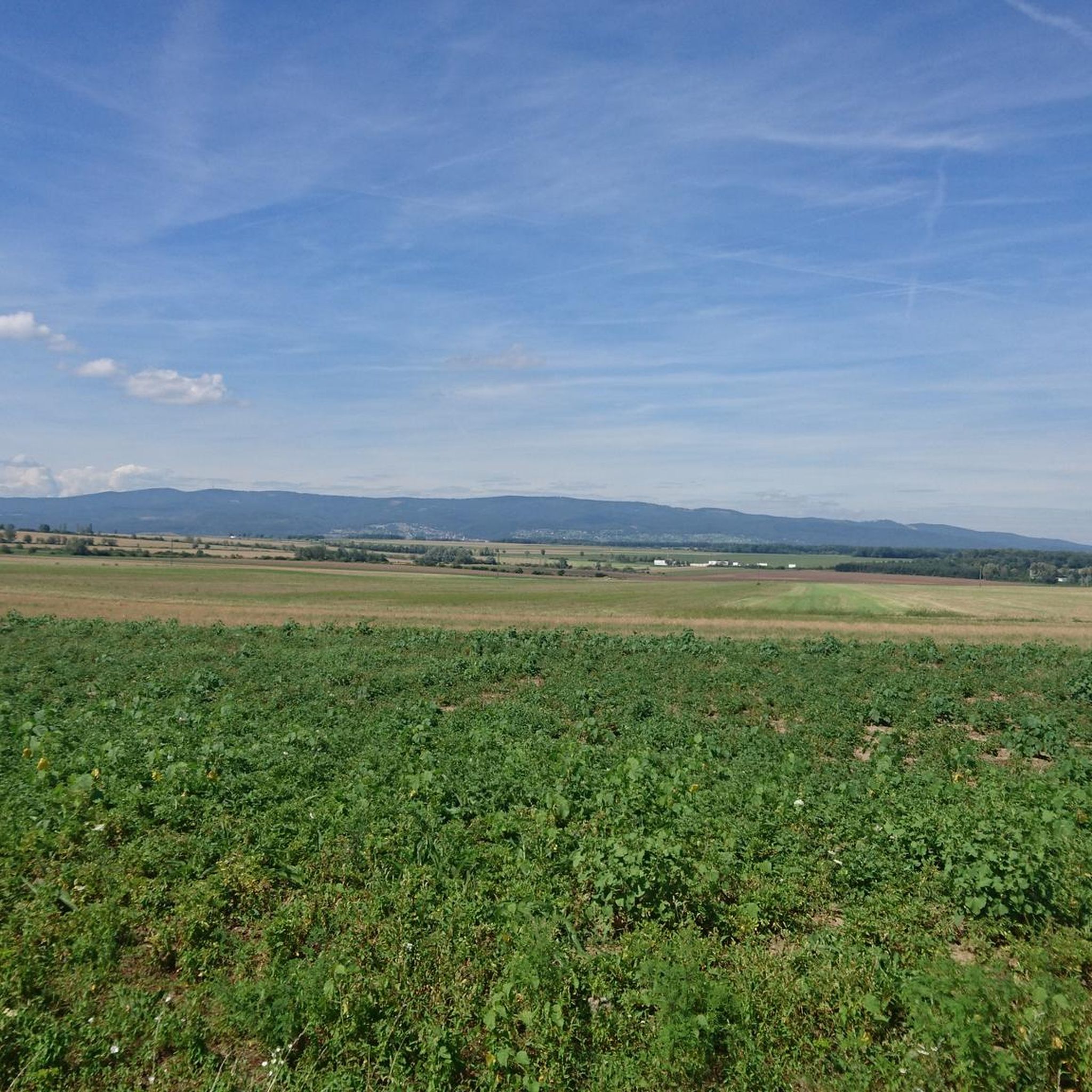
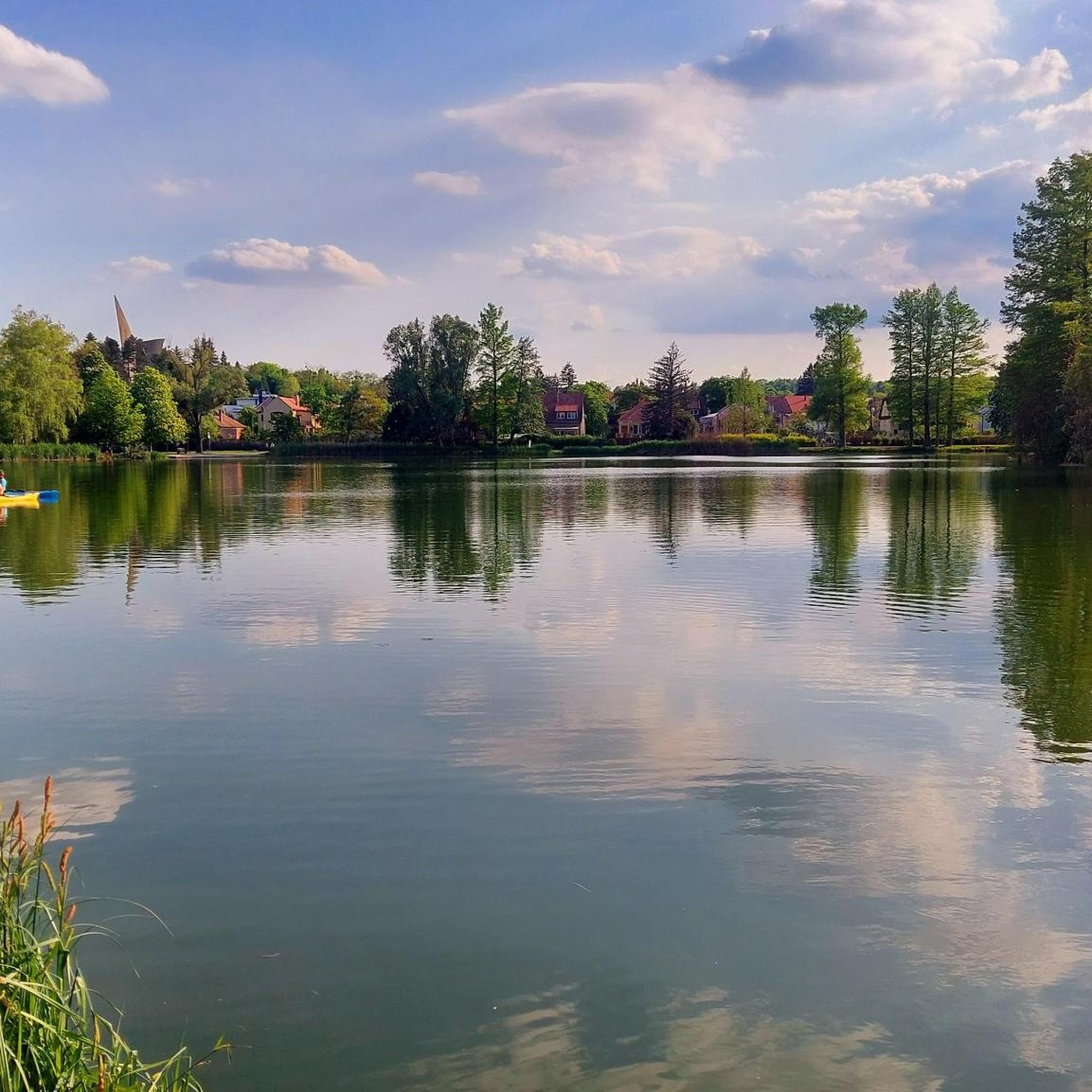
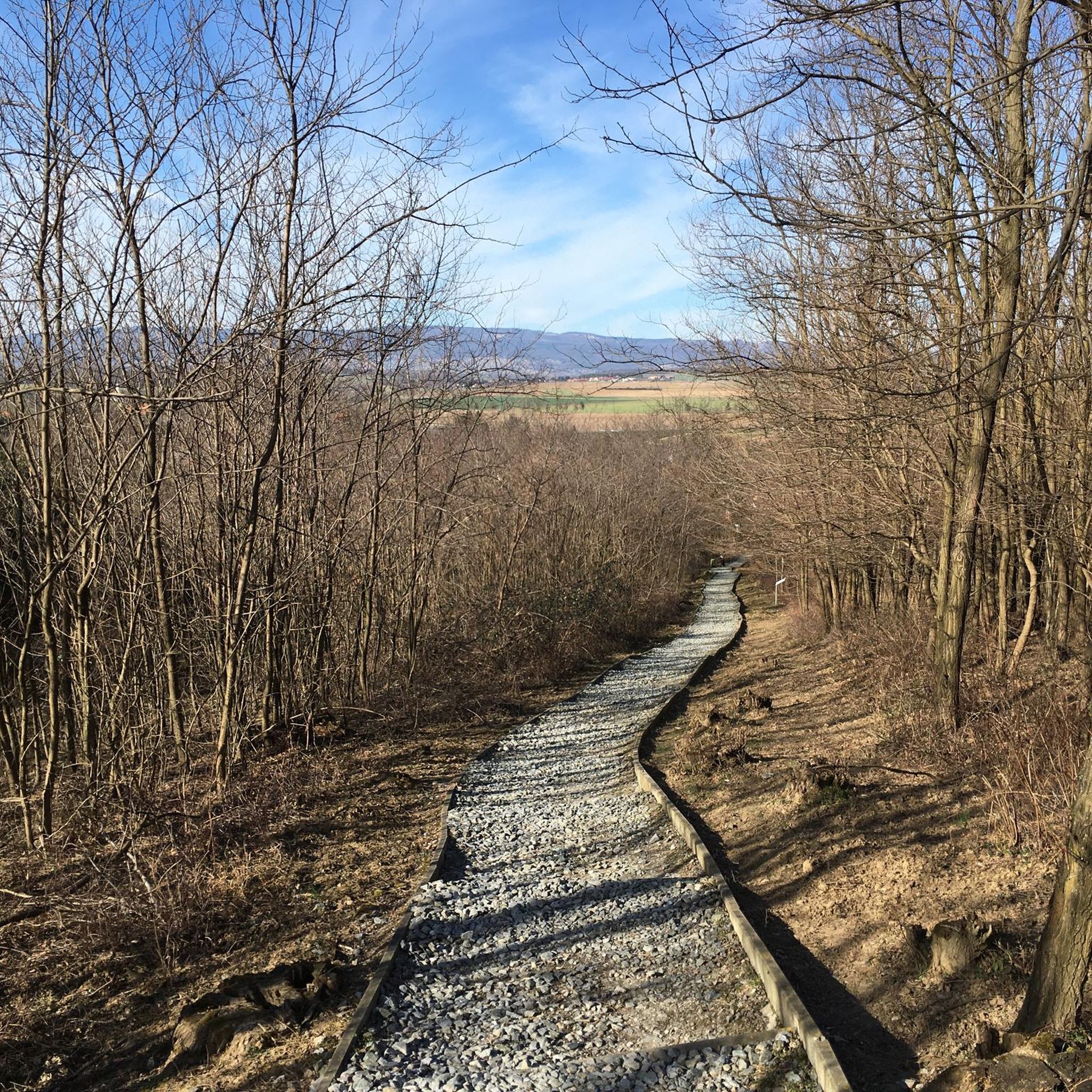
Touring cycling routes in Jáki-Erdő traverse a diverse landscape characterized by its extensive forest, providing a natural environment for cyclists. The area features road cycling routes with predominantly paved surfaces, accommodating various skill levels. These routes offer a mix of terrain, from gentle paths with minimal elevation to more challenging options with greater elevation changes. Jáki-Erdő's natural setting includes forest trails and potential lake views, contributing to varied cycling experiences.
Best touring cycling routes in Jáki-Erdő
- The most popular touring…
Last updated: June 26, 2026
3.0
(1)
26
riders
37.0km
02:12
190m
190m
Moderate bike ride. Good fitness required. Mostly paved surfaces. Suitable for all skill levels.
4.0
(1)
16
riders
33.1km
01:55
180m
180m
Moderate bike ride. Good fitness required. Mostly paved surfaces. Suitable for all skill levels.

Sign up for free
4.8
(6)
98
riders
45.8km
02:42
250m
250m
Moderate bike ride. Good fitness required. Mostly paved surfaces. Suitable for all skill levels.
8
riders
17.6km
01:04
90m
90m
Easy bike ride. Great for any fitness level. Mostly paved surfaces. Suitable for all skill levels.
8
riders
47.7km
02:47
240m
240m
Moderate bike ride. Good fitness required. Mostly paved surfaces. Suitable for all skill levels.
Get access to more routes and recommendations from other explorers.
Sign up for free
Already have an account?
Our route recommendations are based on thousands of hikes, rides, and runs completed by other people on komoot.
Start today with a free account
Your next adventure awaits.
Login or Signup
Tips from the Community

It is recommended to visit in drier weather - after rain, the former aqueduct is underwater.
0
0

Great refreshment opportunity on the railway cycle path
0
0

The first church probably dates back to the 4th century. It was expanded into a basilica at the beginning of the 5th century, but fell victim to a devastating earthquake in 455. After Christian life had regained its strength, a new church was built on the old site, which was consecrated in honor of St. Martin by Theotmar, Archbishop of Salzburg, in 860. This church, too, fell into disrepair over the following decades. Towards the end of the 9th century, the Hungarians conquered the Carpathian Basin. The country's first Christian king, St. Stephen, had a new wooden church built over the foundations of the earlier churches, which was converted into a brick church a few decades later. This church is mentioned in a letter from Pope Paschal II from 1102. It was expanded around 1230 in the late Romanesque style, decorated with frescoes, and rebuilt in the Gothic style in the 15th century. A document from 1360 mentions the well in front of the church; legend tells that St. Martin baptized his mother with the water from this well. In 1638, the Bishop of Győr (Raab), to whose diocese this area belonged at the time, handed over the church and parish to the Dominican Order. During this time, construction began on the current three-aisled church. Thanks to the generous financial support of Countess Elisabeth Erdődy, née Batthyány, the work was continued and completed between 1668 and 1674 according to the plans of the Italian architect Carlo della Torre.
0
0
It is said to have been built over the former residence of Saint Martin. According to an inscription on a side altar, the patron saint of Burgenland was born here in 316. He spent his youth in Szomathely.
0
0

The church was the parish church of the village of Szentmárton, which was independent until 1885 and then annexed to Szombathely. According to tradition, the church building was built above the birthplace of St. Martin. It was expanded and rebuilt several times and acquired its present form in 1930.
1
0

The predecessor of the Roman Catholic church, which used to bear the name of St. Peter and is now dedicated to St. Nicholas, was recorded in the sources as early as 1284. This medieval building burned down in 1848 and was rebuilt in 1852 with classicist features. In the middle of the village, on a small hill, there is a single-nave building, its sanctuary is narrower than the nave, and it closes with the sides of the polygon. The sanctuary is joined from the north by the polygonal-based goblet tower with a ledge with a clock face, and from the south by its sacristy. The main facade is closed with a tympanum, the gate closes straight. A plaque commemorating the 1923 reconnection and its 80th anniversary was placed to the left of the entrance. The Trinity statue in front of the church was made in 1905.
0
0
After the rains between June 9th and 13th... The excavated part of the Roman aqueduct was flooded... too! It is still our favorite resting place.
1
0
Pictures of the Emlékmű with its landscaped surroundings renovated in 2023... in Boldog Brenner János Liget. Rest area. Nice panorama over the city.
0
0
Frequently Asked Questions
How many touring cycling routes are available in Jáki-Erdő?
Jáki-Erdő offers a selection of 24 touring cycling routes. These routes cater to various skill levels, with 7 easy, 11 moderate, and 6 difficult options.
What kind of terrain can I expect on touring cycling routes in Jáki-Erdő?
The touring cycling routes in Jáki-Erdő primarily feature road cycling with mostly paved surfaces. You'll experience a diverse landscape characterized by its beautiful forest, offering a serene natural environment. Some routes also include picturesque lake views.
Are there any easy touring cycling routes suitable for beginners or families in Jáki-Erdő?
Yes, Jáki-Erdő has 7 easy touring cycling routes. An excellent option for a more relaxed ride is the Old hand-operated fire pump loop from Potyondi-mocsár, which is 17.6 km long with minimal elevation gain, making it suitable for families or those seeking a gentle ride.
What are the typical distances and elevation gains for touring cycling routes in Jáki-Erdő?
Routes vary significantly. Easy rides can be around 5 km with about 100 meters of elevation gain, while moderate options can extend up to 45 km with around 250 meters of elevation gain. For example, the Nice covered rest area – View of the Kőszeg Hills loop from Szombathely is a moderate 45.8 km route with 248 meters of ascent.
What do other touring cyclists say about the routes in Jáki-Erdő?
The touring cycling routes in Jáki-Erdő are highly regarded by the komoot community, holding an average rating of 4.6 stars from over 24 reviews. Cyclists often praise the extensive forest trails, the variety of road cycling options, and the scenic lake views that contribute to a varied cycling experience.
Are there any circular touring cycling routes in Jáki-Erdő?
Many of the touring cycling routes in Jáki-Erdő are designed as loops, allowing you to start and finish at the same point. Examples include the Lake and Park in Sárvár – Sé Catholic Church loop from Nárai and the Nice covered rest area loop from Szombathely.
What natural features can I expect to see while cycling in Jáki-Erdő?
Jáki-Erdő is characterized by its beautiful forest, providing a serene backdrop for your rides. You'll primarily experience forest trails, and some routes, like the Lake and Park in Sárvár – Sé Catholic Church loop from Nárai, offer picturesque lake views.
Are there any specific points of interest or landmarks along the touring cycling routes?
While the primary draw is the natural forest environment, some routes pass by notable spots. For instance, the Old hand-operated fire pump – Border Vigadó Restaurant loop from Oladi lakótelep suggests a route that includes a historical feature and a restaurant, offering a blend of nature and local points of interest.
What is the best time of year to go touring cycling in Jáki-Erdő?
Given the region's 'beautiful forest' and varied terrain, spring and autumn are generally ideal for touring cycling in Jáki-Erdő. The weather is typically milder, and the natural scenery is at its most vibrant, with blooming flora in spring and colorful foliage in autumn. Summer can also be pleasant, especially in the shaded forest areas.
Are the touring cycling routes in Jáki-Erdő suitable for all skill levels?
Yes, Jáki-Erdő offers routes for various skill levels. You can find easy rides with minimal elevation gain, such as the Old hand-operated fire pump loop from Potyondi-mocsár, as well as more moderate options that cover longer distances and greater elevation changes, like the Nice covered rest area – View of the Kőszeg Hills loop from Szombathely.
Most popular routes in Jáki-Erdő

Get inspired with the komoot mobile app


Explore more
Browse the best Cycling routes in other regions.
