Attractions and Places To See around Hitzhusen - Top 20
Best attractions and places to see around Hitzhusen include a mix of historical landmarks, cultural sites, and natural features. The region is characterized by its tranquil landscapes, including the Schmalfelder Au, and offers opportunities to explore ancient churches and bridges. Visitors can discover several notable sites that reflect the area's heritage and natural beauty.
Best attractions and places to see around Hitzhusen
- The most popular attractions is Stellau Fieldstone Church, a religious building dating from around 1230. Its furnishings…
Last updated: May 11, 2026
Forest Chapel on the Monks' Way
Highlight • Religious Site
Translated by Google •
Tip by

Stellau Fieldstone Church
Highlight • Religious Site
Translated by Google •
Tip by

Sign up now to discover places like this
Get recommendations on the best single tracks, peaks, & plenty of other exciting outdoor places.
Sign up for free
Königsbrücke Schmalfeld
Highlight • Bridge
Translated by Google •
Tip by

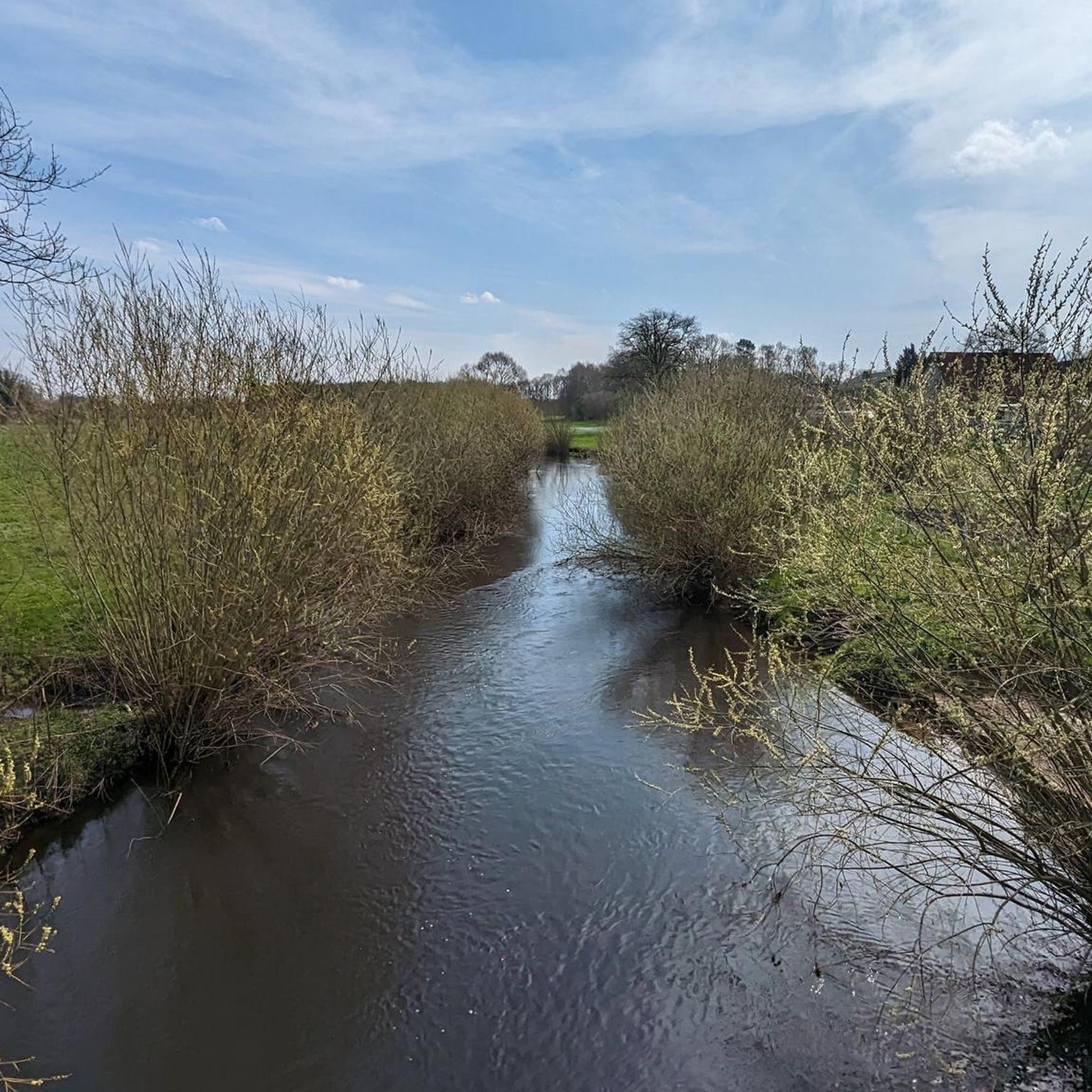
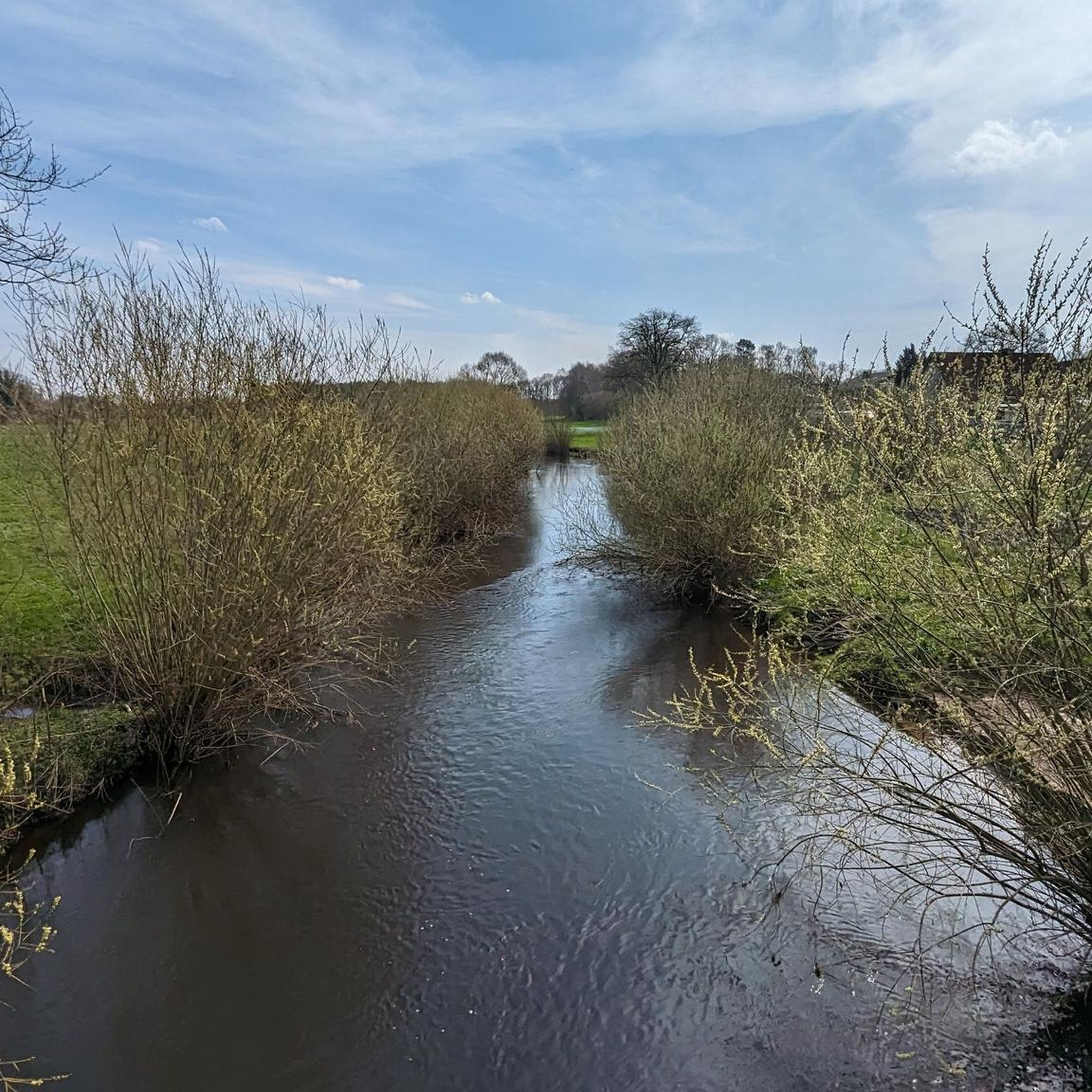
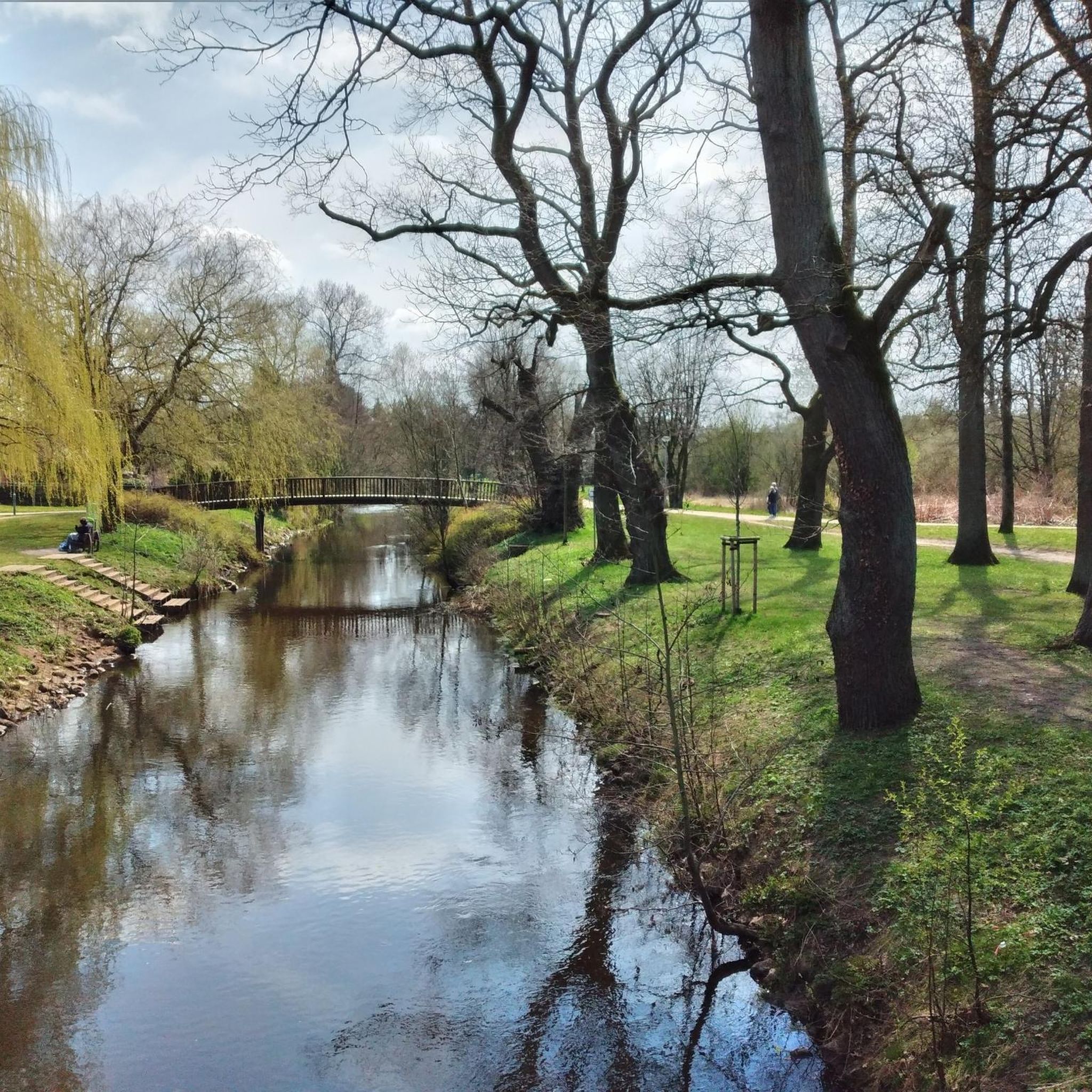
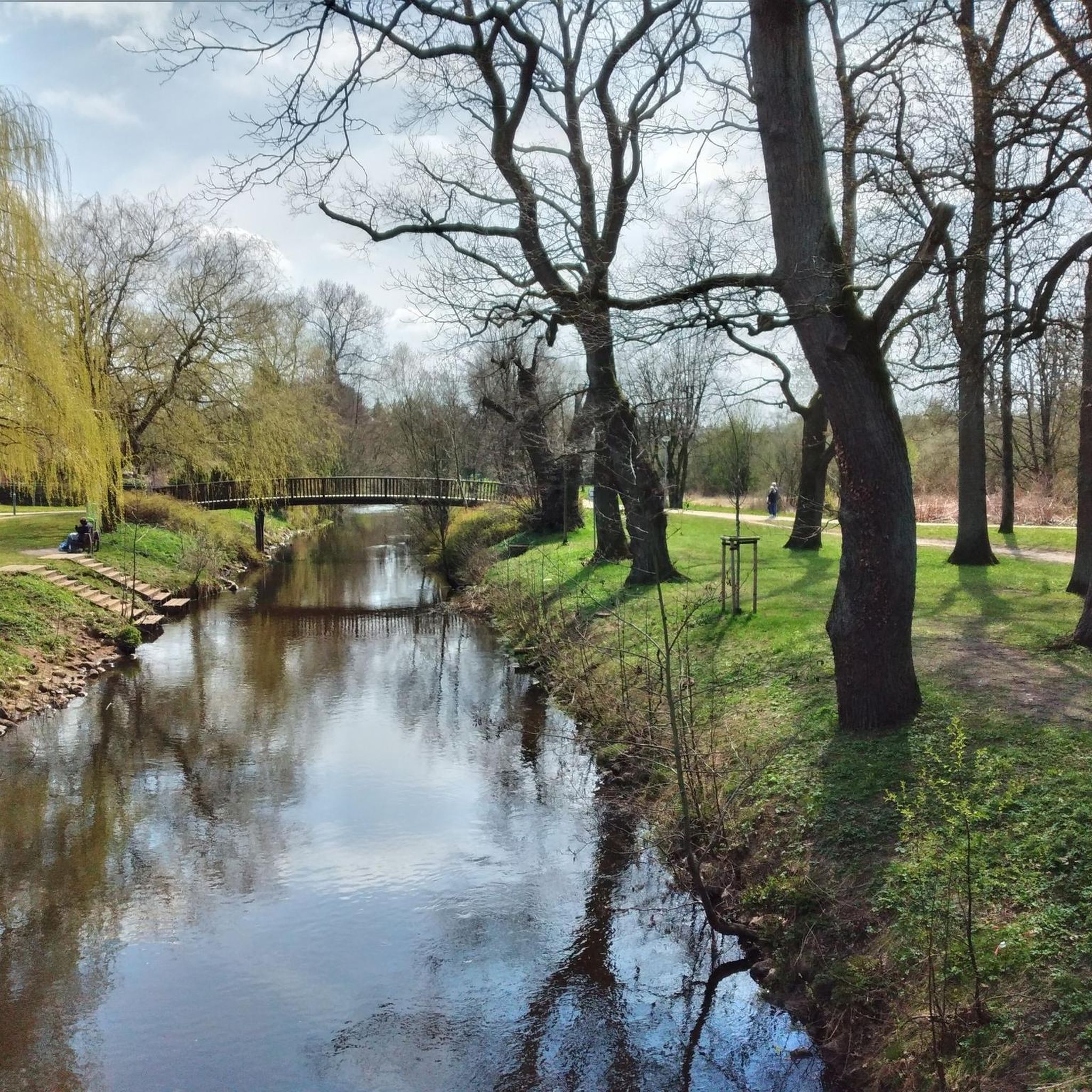
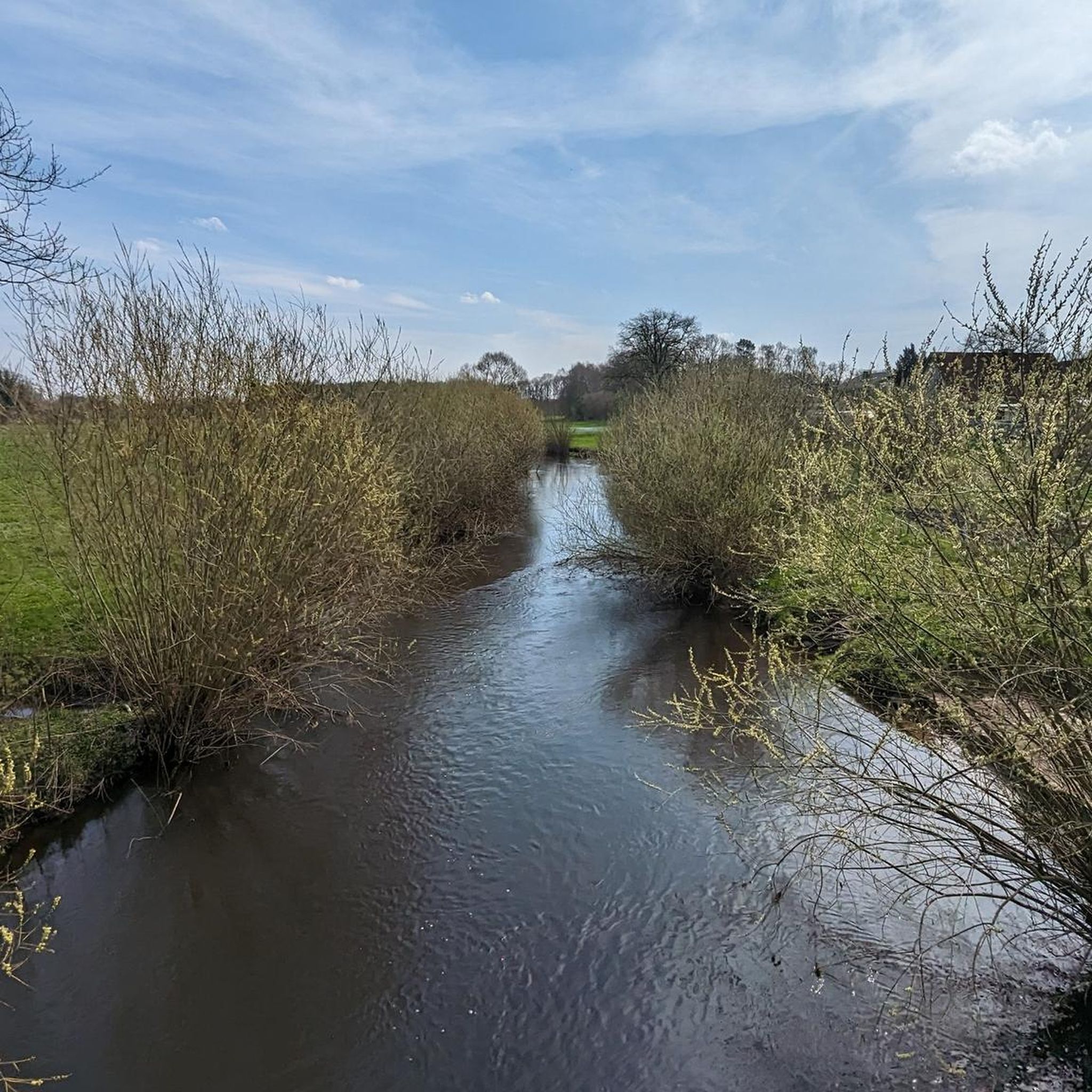
Alfred Warnemünde Bridge over the Schmalfelder Au
Highlight • Bridge
Some time ago, restoration measures were carried out on most of the route.
Translated by Google •
Tip by

Waldsee Spring and Picnic Area
Highlight • Natural Monument
Translated by Google •
Tip by

Sign up for free to discover even more attractions around Hitzhusen.
Sign up for free
Already have an account?
Start today with a free account
Your next adventure awaits.
Login or Signup
Tips from the Community

The church in Stellau is a simple fieldstone building dating from around 1230. Over the centuries, the building underwent several structural alterations; the chancel was demolished in 1634 and again in 1651. From the 17th to the 19th centuries, the building was reinforced with slanted buttresses at the corners. A wooden bell tower was erected in 1851. The church furnishings include a medieval crucifix and a figure of a bishop, a sandstone baptismal font donated by Heinrich Rantzau in 1593, and a wooden pulpit from 1560, which was repainted around 1640/50. The organ dates from 1844/45. Contact: https://www.kk-rm.de/der-kirchenkreis/einrichtungen/institution/institution/ev-luth-kirchengemeinde-stellau/
2
0


beautiful small old church with free-standing bell tower.
1
0

Worth seeing is the old fieldstone church
1
0

Beautiful Old Chapel on a 12th-century battlefield
0
1


Beautiful area
0
0

The church in Stellau is a simple fieldstone building dating from around 1230. The building underwent several structural alterations; the choir was demolished between 1634 and 1651. From the 17th to the 19th century, the structure was secured with sloping buttresses at the corners. The wooden bell tower was erected in 1851. The church's furnishings include a medieval crucifix group and bishop's figure, a sandstone baptismal font donated by Heinrich Rantzau in 1593, and a wooden pulpit from 1560, which was repainted around 1640/50. The organ dates from 1844/45. https://www.steinburger-geschichte.de/themen/christianisierung/kurzinfos-zu-weiteren-steinburger-kirchen/kurzinfos-kirche-stellau
2
1
Frequently Asked Questions
What natural features can I explore around Hitzhusen?
The region offers several natural highlights. The Alfred Warnemünde Bridge over the Schmalfelder Au provides views of the Schmalfelder Au, a body of water flowing through open spaces and pastures, home to various fish species. You can also visit the Waldsee Spring and Picnic Area, a tranquil spot with a spring and forest setting. Additionally, the Wildlife Park Eekholt, located nearby in Bimohlen, offers opportunities to experience natural scenery and observe animals.
Are there historical sites or cultural landmarks to visit in the Hitzhusen area?
Yes, Hitzhusen is rich in history. The Stellau Fieldstone Church, dating back to around 1230, is a significant religious building with medieval furnishings. The Forest Chapel on the Monks' Way is known as the smallest church in northern Germany, nestled beneath ancient beech trees. You can also see the historic Königsbrücke Schmalfeld, an arch bridge built in 1785, which is possibly the oldest surviving large stone bridge in Schleswig-Holstein.
What kind of outdoor activities are available near Hitzhusen's attractions?
The area around Hitzhusen is excellent for various outdoor activities. You can find numerous hiking routes, including easy and moderate trails like the 'Two Ponds Along the Path' loop. For cyclists, there are road cycling routes and MTB trails that take you through forests and along rivers, often passing by local landmarks.
Are there family-friendly attractions in the Hitzhusen area?
Absolutely. The Forest Chapel on the Monks' Way offers a peaceful and reflective stop for families. The Alfred Warnemünde Bridge over the Schmalfelder Au is part of a scenic area suitable for walks. The Waldsee Spring and Picnic Area is ideal for a family outing with its forest educational trail and facilities. Additionally, the nearby Wildlife Park Eekholt is a great option for families to observe animals in a natural setting.
What is the "Forest Chapel on the Monks' Way" known for?
The Forest Chapel on the Monks' Way is renowned as the smallest church in northern Germany. It's a serene spot beneath ancient beech trees, offering a place for prayer, reflection, and harmony with nature. It hosts baptisms, weddings, and an annual ecumenical service, and visitors can sign a guest book.
What makes the Stellau Fieldstone Church significant?
The Stellau Fieldstone Church is a historical gem, dating back to approximately 1230. Its significance lies in its age and its well-preserved furnishings, which include a medieval crucifix, a bishop's figure, a sandstone baptismal font from 1593, and a wooden pulpit from 1560. A wooden bell tower was added in 1851, contributing to its unique architectural character.
Can I find places for a peaceful break in nature around Hitzhusen?
Yes, for a peaceful break, consider the Waldsee Spring and Picnic Area. It's described as a dream place to take a break, with the soothing sound of the spring and a beautiful forest setting. The Forest Chapel on the Monks' Way also offers a quiet and reflective atmosphere amidst nature.
What do visitors enjoy most about the attractions around Hitzhusen?
Visitors particularly appreciate the tranquil and natural settings, such as the idyllic paths leading to the Forest Chapel on the Monks' Way. The romantic areas and good bike paths along the Schmalfelder Au, accessible via the Alfred Warnemünde Bridge, are also highly recommended. Many enjoy the historical significance of sites like the Stellau Fieldstone Church and the opportunity for educational walks at the Waldsee Spring and Picnic Area.
Are there any notable bridges or waterways to see?
Yes, the Alfred Warnemünde Bridge over the Schmalfelder Au offers scenic views of the Schmalfelder Au, an important natural waterway. Additionally, the Königsbrücke Schmalfeld is a historic arch bridge from 1785, which once served as a crucial crossing point on an ancient trade route.
Can I find easy walking trails suitable for beginners or short strolls?
Yes, there are easy walking trails available. For instance, the 'Two Ponds Along the Path – Dollhouse by the Wayside' loop is an easy 3.7 km hike around Hitzhusen. Many paths along the Schmalfelder Au are also suitable for relaxed strolls, offering pleasant scenery without significant difficulty. You can find more options in the hiking guide.
What is the history behind the Königsbrücke Schmalfeld?
The Königsbrücke Schmalfeld is a historic arch bridge built in 1785 from hewn granite blocks. It replaced earlier wooden bridges and a ford, becoming a more stable solution for traffic on a significant branch of the Ochsenweg, an ancient trade route. Its name, 'King's Bridge,' refers to the Danish King Christian VII, who was the Duke of Schleswig and Holstein during its construction.
Are there any specific places for wildlife spotting?
The Schmalfelder Au, visible from the Alfred Warnemünde Bridge, is an important habitat for various fish species, including sticklebacks, eels, trout, chub, pike, and grayling. For a more structured wildlife experience, the nearby Wildlife Park Eekholt provides opportunities to observe a range of animals in a natural environment.
Most popular routes around Hitzhusen
Most popular attractions around Hitzhusen

Get inspired with the komoot mobile app


Explore more
Still not found the Highlight you’re looking for? See guides of the top attractions in other regions:
