The best MTB trails in Zerweliner Heide
4.4
(101)
425
riders
31
rides
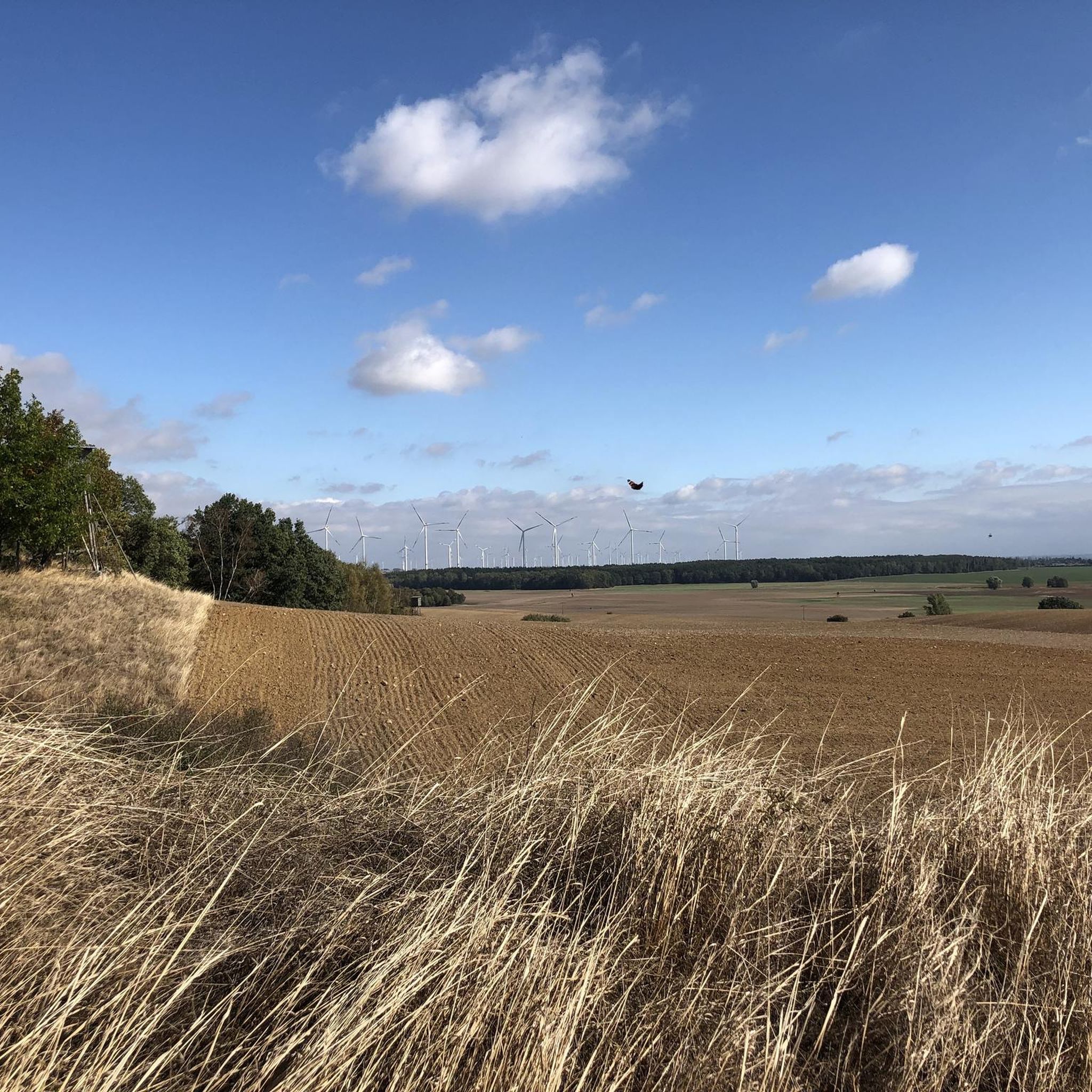
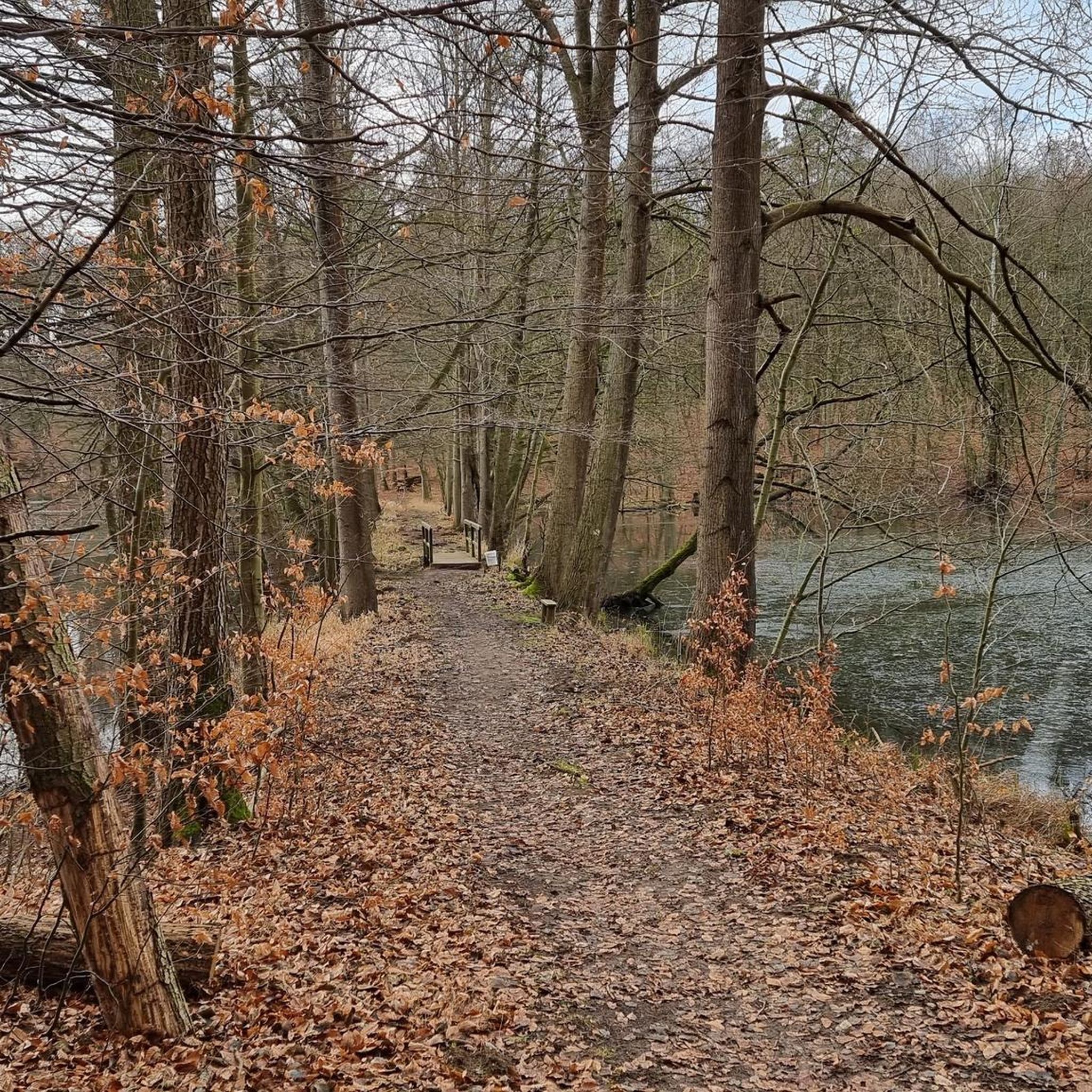
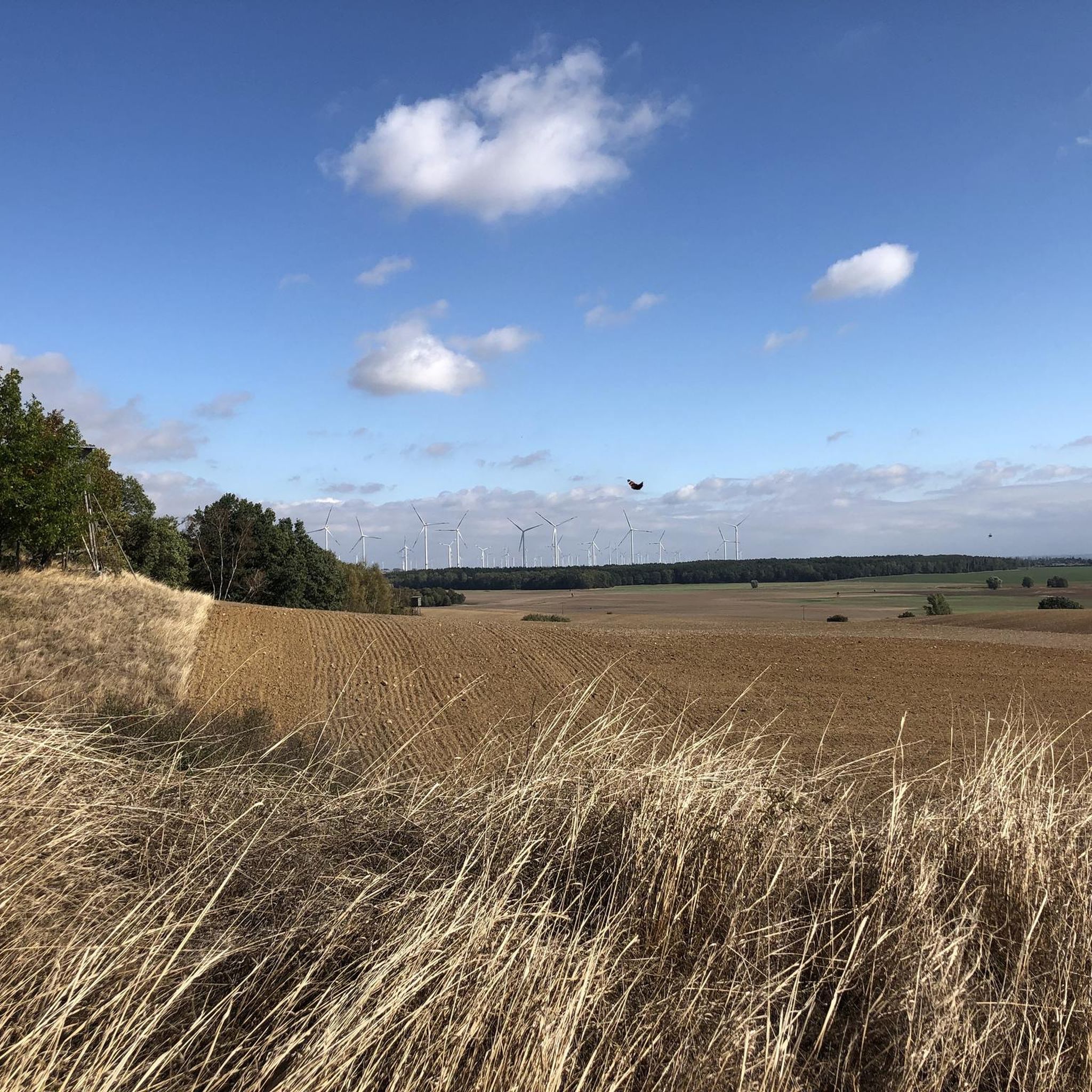
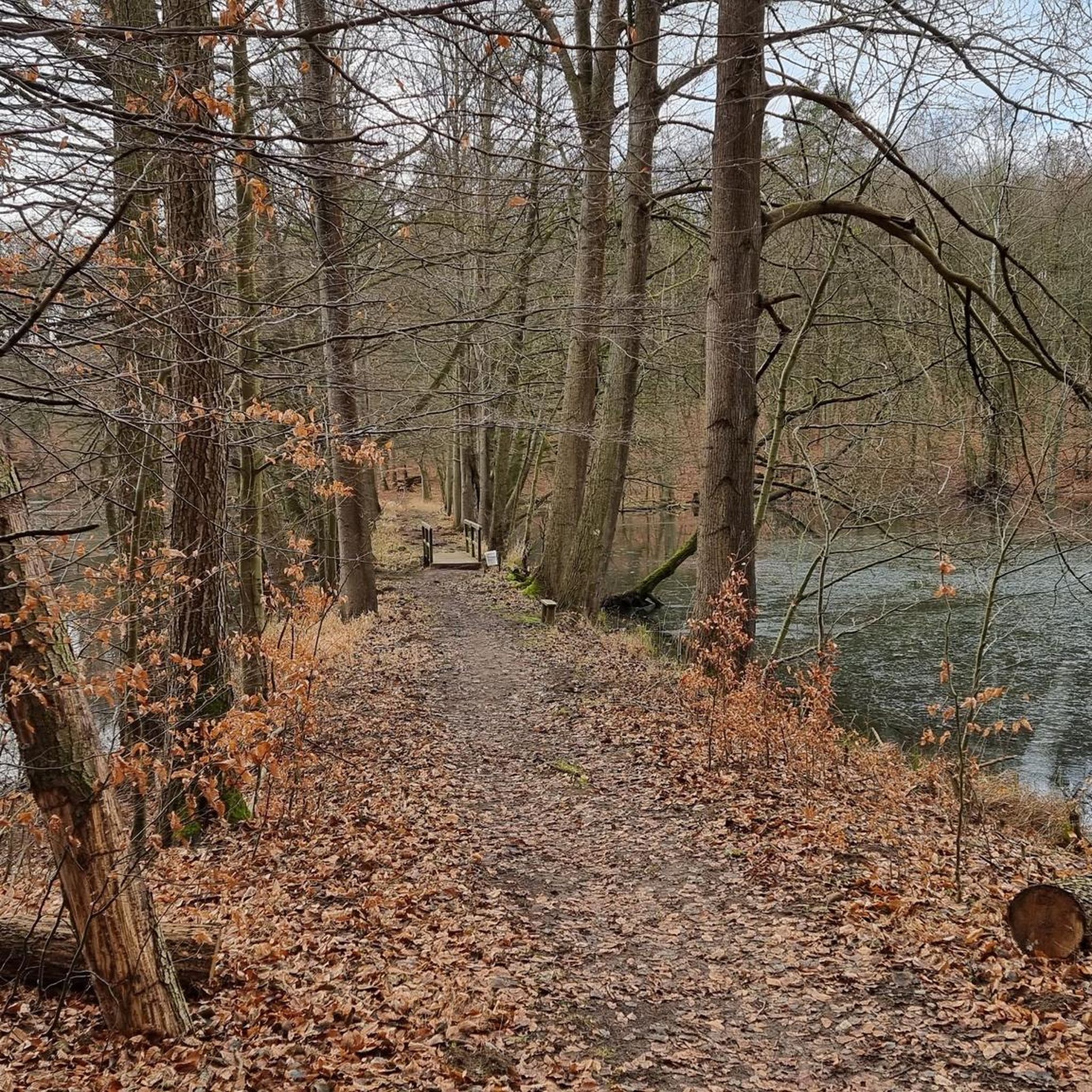
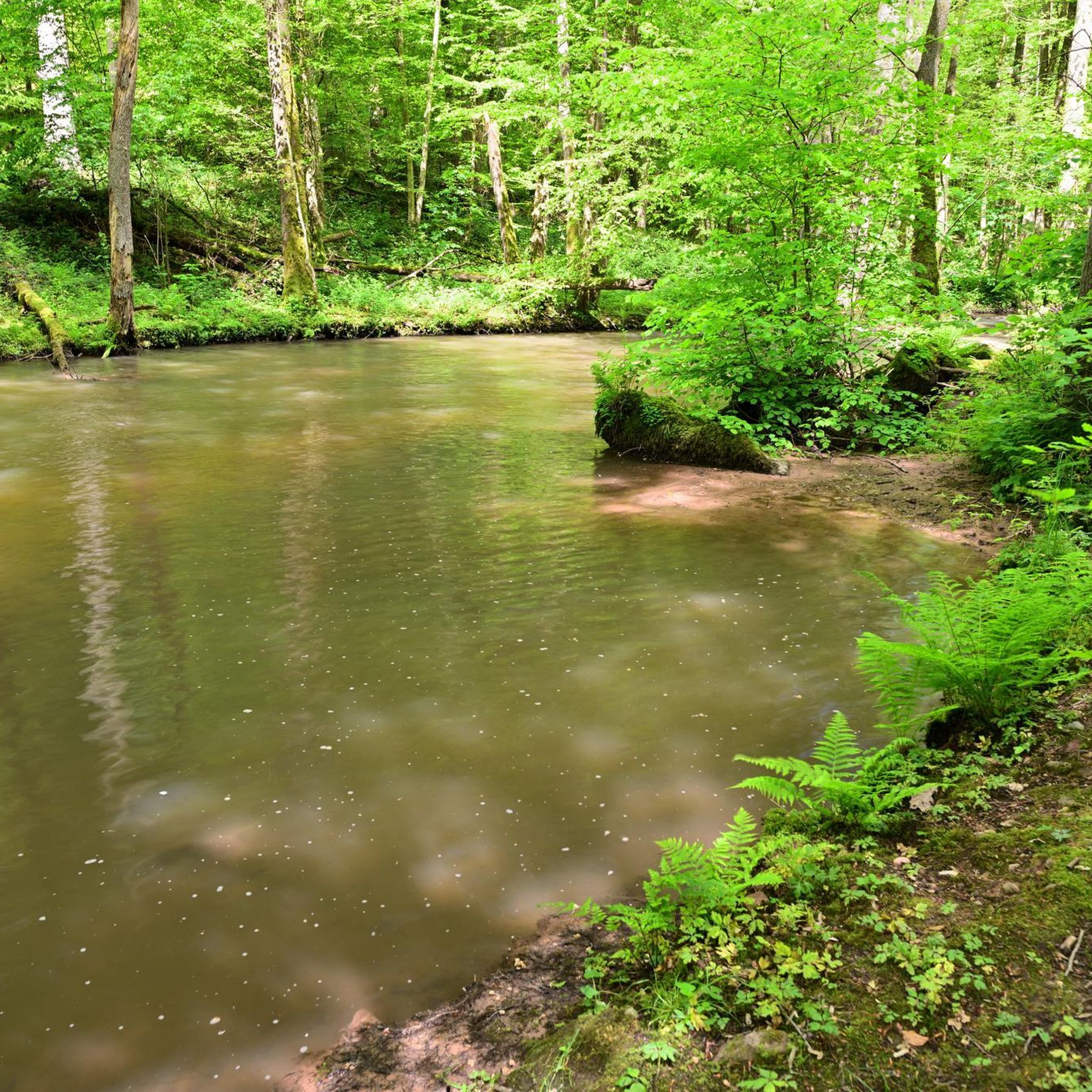
Mountain biking in Zerweliner Heide, located in the Uckermark region of Brandenburg, Germany, offers diverse terrain for cyclists. The area features dense forests, tranquil lakes, and unique moor areas, alongside open fields. This landscape includes ancient beech forests, impressive Douglas firs, and mixed pine woods, providing varied natural environments for mountain bike routes. The topography is generally varied, with some areas showing traces of former military use.
Best mountain bike trails in Zerweliner Heide
- The most popular mountain bike trail…
Last updated: May 16, 2026
5.0
(2)
8
riders
39.6km
02:15
230m
230m
Moderate mountain bike ride. Good fitness required. Advanced riding skills necessary.
4.5
(2)
5
riders
Moderate mountain bike ride. Good fitness required. Advanced riding skills necessary.

Sign up for free
5.0
(1)
5
riders
46.2km
02:48
250m
250m
Moderate mountain bike ride. Good fitness required. Suitable for all skill levels.
5.0
(1)
2
riders
Easy mountain bike ride. Great for any fitness level. Suitable for all skill levels.
5.0
(1)
3
riders
Moderate mountain bike ride. Great for any fitness level. Advanced riding skills necessary.
Get access to more routes and recommendations from other explorers.
Sign up for free
Already have an account?
Our route recommendations are based on thousands of hikes, rides, and runs completed by other people on komoot.
Start today with a free account
Your next adventure awaits.
Login or Signup
Tips from the Community

A great backdrop is offered to bridal couples in Boitzenburg. With a view of the castle, it has been possible to get married there since 2023. The Apollo Temple was erected in 1855. Adolf Heinrich von Arnim-Boitzenburg commissioned the construction of the octagonal Apollo Temple with a domed roof. It replaced the dilapidated predecessor building. Previously, a statue stood in the middle of the temple, which is said to still lie half-unharmed buried in the mud of the Small Carp Pond below the Apollo Temple.
0
0

In Greek mythology, the god Apollo (also known as Apollon) was associated, among other things, with the famous Oracle of Delphi. According to tradition, the last oracle pronouncement of the Pythia (the title of the resident seer/fortune-teller) in the second half of the fourth century – that is, when Christianity was spreading – is said to have been: “Tell the king, the beautifully built house has fallen. Phoibos Apollo has no refuge anymore, the sacred laurel withers, his springs are silent forever, the murmuring of the water is stilled.”
0
0

The Hardenbeck church is a fieldstone building originally dating from the 13th century, first mentioned probably in 1271 in connection with the founding of the Cistercian monastery of Boitzenburg. During the Thirty Years' War, the village, including the church, was destroyed in 1634, and Hardenbeck remained uninhabited for almost 100 years. From 1721 onward, Georg Dietloff von Arnim promoted the settlement of farmers and initiated the reconstruction of the church in 1744. The pulpit was also created during this period, although its exact date of origin between 1750 and 1790 is disputed. The timber-clad tower with its open lantern was erected in 1760/61. Two different types of "checkerboard" stones are incorporated into the church's structure: a Johanniter cross stone is located at the southeast corner of the church, and a checkerboard stone can be seen high up on the north side.
2
0

A very short detour - but it's worth it!
0
0

beautiful views of the narrow and wide Luzin
0
0
Varied trails, far from the road, with frequent forest taverns for a break and plenty of information boards. Everything is very well maintained.
0
0

Admission is free. The goats are completely peaceful and enjoy being scratched behind the ears.
0
0

A beautiful, challenging singletrack with curves and roots, always along the lakeshore. It was already a highlight in the area back in the 1990s (back then with a rigid fork and 3x8 gears), and it's still a good one today.
0
0
Frequently Asked Questions
How many mountain bike trails are available in Zerweliner Heide?
Zerweliner Heide offers a good selection of mountain bike trails, with over 30 routes available on komoot. These routes cater to various skill levels, ensuring there's something for everyone.
What is the general difficulty level of mountain bike trails in Zerweliner Heide?
The mountain bike trails in Zerweliner Heide are primarily categorized as easy or moderate. You'll find 13 easy routes and 20 moderate routes, making it a great destination for riders looking for enjoyable, non-technical experiences. There are no difficult routes listed in this guide.
What kind of terrain can I expect on mountain bike trails in Zerweliner Heide?
You can expect a diverse landscape featuring dense forests, tranquil lakes, and unique moor areas, alongside open fields. The trails often traverse ancient beech forests, impressive Douglas firs, and mixed pine woods. While the Uckermark region is generally flat, the Zerweliner Heide offers varied topography, including some areas with traces of former military use, providing an interesting backdrop for your ride.
Are there family-friendly mountain bike routes in Zerweliner Heide?
Yes, Zerweliner Heide is suitable for family cycling, especially on its easier routes and existing forest roads. The predominantly flat landscape of the wider Uckermark region also makes it a stress-free environment for families. The Marstall Boitzenburg – Boitzenburg Church loop from Boitzenburg is an easy 12.1 km route that could be a good option for families.
Can I bring my dog on the mountain bike trails in Zerweliner Heide?
While specific regulations for dogs on mountain bike trails can vary, generally, dogs are permitted on public paths and forest roads in natural areas like Zerweliner Heide, provided they are kept on a leash. Always be mindful of wildlife and other trail users. It's advisable to check local signage for any specific restrictions within protected zones.
What natural features or landmarks can I see while mountain biking in Zerweliner Heide?
Zerweliner Heide offers several interesting natural features and landmarks. You might encounter natural monuments like the Engagement Stone (Boitzenburg Game Park) or the Dröhnboartstein. The area also features the serene Steinsee and the Zerwelin Natural Heritage Discovery Trail. Additionally, historical sites such as the Ruins of the Former Cistercian Nunnery Boitzenburg are accessible.
Are there any specific rules or permits required for mountain biking in Zerweliner Heide?
Zerweliner Heide is a designated "National Natural Heritage" area managed by the WWF. While cycling is generally permitted on roads and paths in German forests, it's crucial to adhere to general trail rules: ride only on open and marked trails, respect nature and wildlife, control your bicycle, yield to other trail users, and leave no trace. Specific, purpose-built mountain bike trails with advanced features are not explicitly detailed within the nature reserve, so focus on established paths. For more information on the WWF's Nature Heritage Experience Trail, you can visit tourismus-uckermark.de.
What do other mountain bikers enjoy most about mountain biking in Zerweliner Heide?
The komoot community highly rates the mountain biking experience in Zerweliner Heide, with an average score of 4.4 stars from over 100 reviews. Riders often praise the diverse terrain, including dense forests and tranquil lakes, and the options available for both easy and moderate ability levels. The area's natural beauty and varied landscapes are frequently highlighted.
Is there parking available for mountain bikers in Zerweliner Heide?
Yes, parking is generally available at various entry points to the Zerweliner Heide and near popular trailheads. While specific parking lots for mountain bikers aren't always designated, you can usually find suitable parking in nearby villages or at established visitor points. Always check local signage for parking regulations.
How can I reach Zerweliner Heide by public transport with my bike?
Reaching Zerweliner Heide by public transport with a bike is possible, though it might require some planning. Regional trains in Brandenburg often allow bikes, but space can be limited, especially during peak times. From train stations in the Uckermark region, you might need to cycle a short distance to reach the trails. It's recommended to check the specific train and bus schedules, as well as bike transport policies, with local transport providers before your trip.
Are there any loop mountain bike trails in Zerweliner Heide?
Yes, many of the mountain bike routes in Zerweliner Heide are designed as loops, offering convenient starting and ending points. For example, the Feldberger Haussee – View of the Haussee loop from Arendsee is a popular moderate loop trail that takes you through scenic areas. Another option is the Naugarten and Lake Naugarten – Boitzenburg Monastery Ruins loop from Nordwestuckermark, an easy route.
What is the best time of year for mountain biking in Zerweliner Heide?
The best time for mountain biking in Zerweliner Heide is typically from spring to autumn (April to October). During these months, the weather is generally mild, and the trails are in good condition. Spring offers blooming nature, while autumn provides beautiful foliage. Summer is also great, but be prepared for potentially warmer temperatures. Winter riding is possible, but trails might be muddy or icy, and daylight hours are shorter.
Most popular routes in Zerweliner Heide
Most popular attractions in Zerweliner Heide

Get inspired with the komoot mobile app


Explore more
Browse the best MTB trails in other regions.
