The best MTB trails in Noitzscher Heide
4.9
(88)
252
riders
60
rides
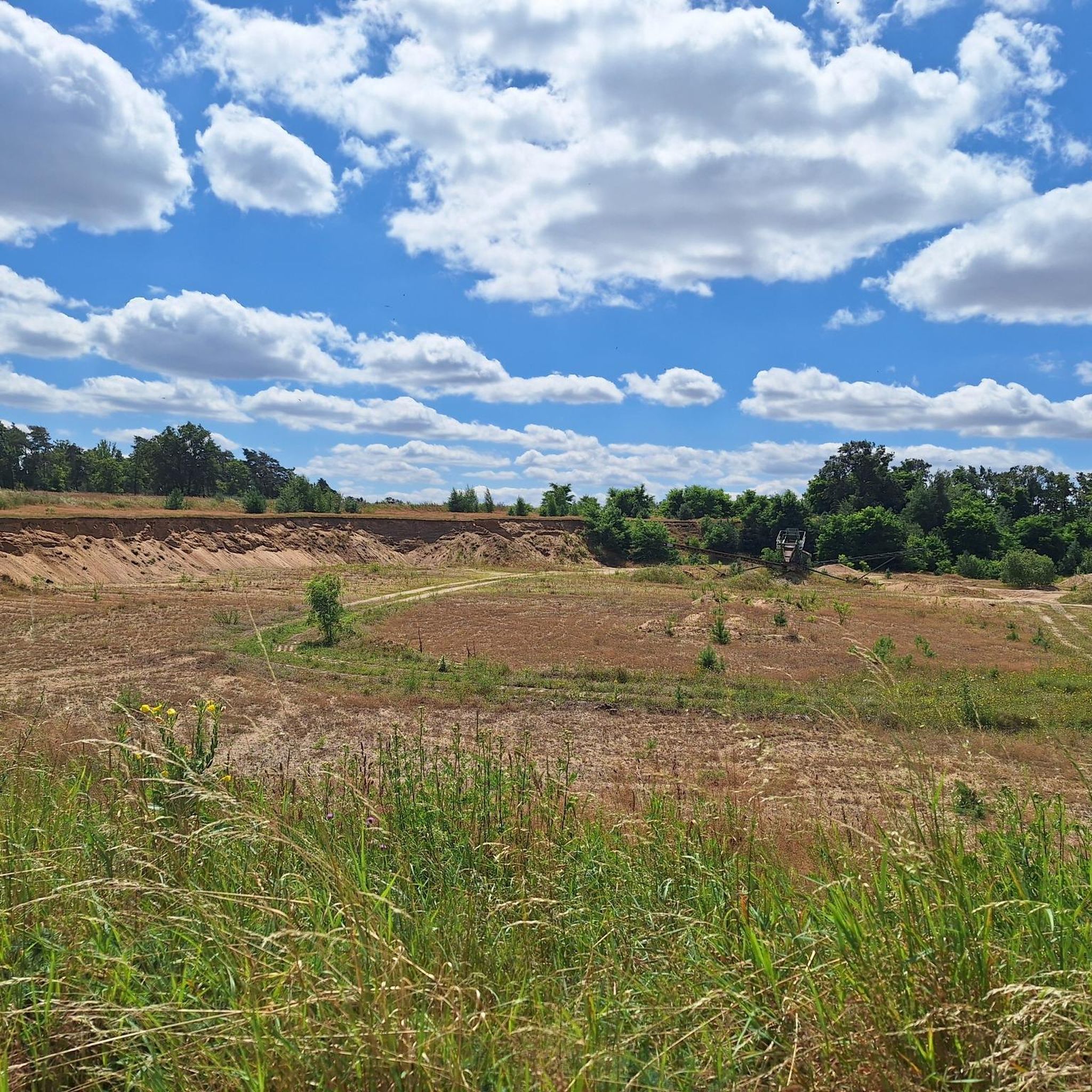
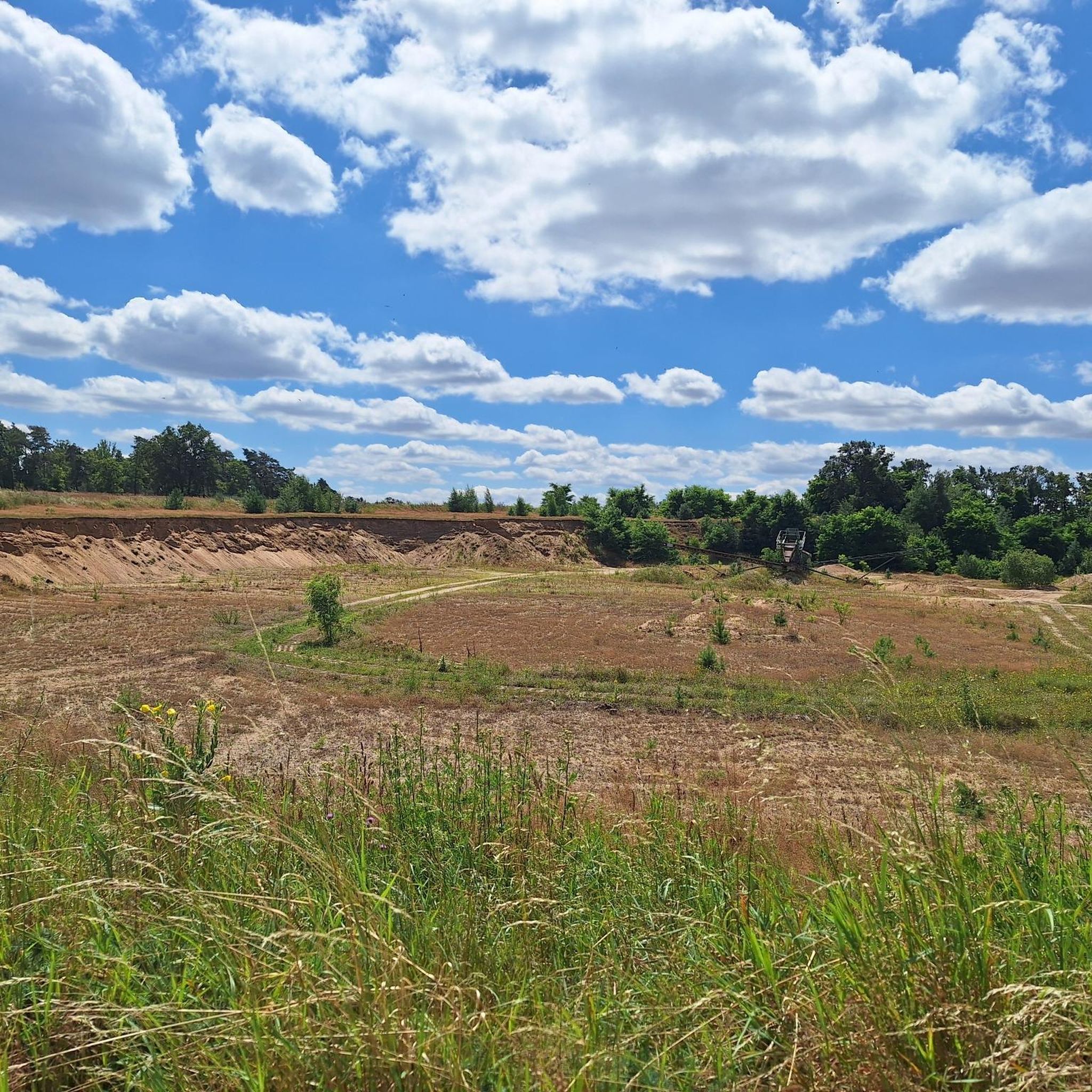
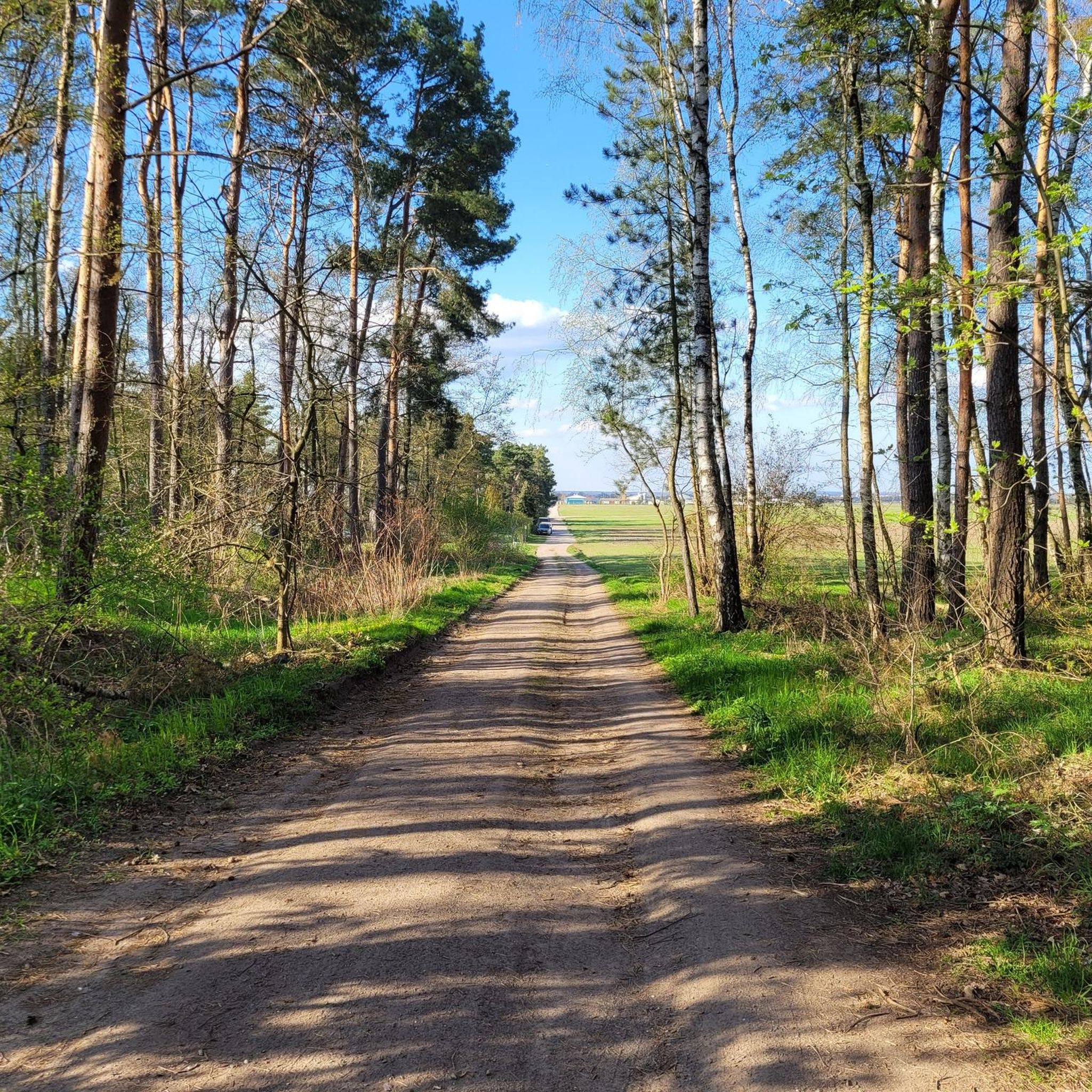
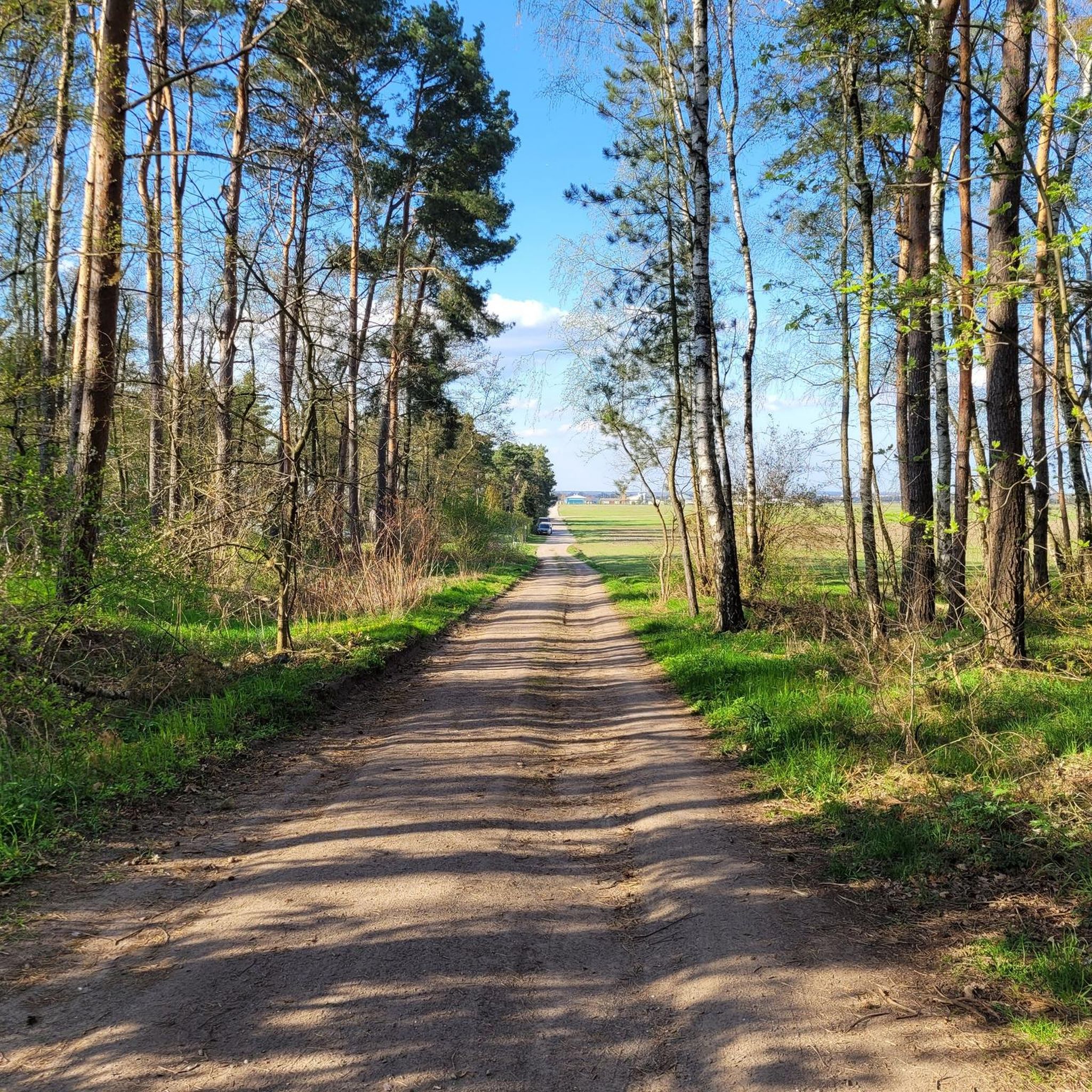
Mountain biking in Noitzscher Heide offers varied terrain within a landscape characterized by diverse wooded areas, including pine, mixed, and deciduous forests. This region, part of the larger Dübener Heide Nature Park, features relatively flat terrain with gentle hills, expansive moorlands, and numerous bodies of water, all shaped by the Ice Age. The area provides an extensive network of forest roads and paths suitable for cycling.
Best mountain bike trails in Noitzscher Heide
- The most popular mountain bike trail is…
Last updated: September 30, 2026
5.0
(1)
3
riders
49.3km
02:51
100m
100m
Moderate mountain bike ride. Good fitness required. Suitable for all skill levels.
5.0
(1)
4
riders
Moderate mountain bike ride. Good fitness required. Advanced riding skills necessary.

4
riders
50.6km
03:34
270m
270m
Moderate mountain bike ride. Good fitness required. Suitable for all skill levels.
4
riders
80.9km
05:15
330m
330m
Hard mountain bike ride. Very good fitness required. Advanced riding skills necessary.
5.0
(1)
9
riders
37.6km
02:14
120m
120m
Moderate mountain bike ride. Good fitness required. Advanced riding skills necessary.
Get access to more routes and recommendations from other explorers.
Already have an account?
Our route recommendations are based on thousands of hikes, rides, and runs completed by other people on komoot.
Start today with a free account
Your next adventure awaits.

Tips from the Community

Beautiful view from the bridge.
0
0

Definitely worth seeing
1
0
In the western facade half facing the market square is the round-arched entrance portal with its rusticated surround. It is preceded by a terrace, which is accessible via a wide side staircase. The stair landing, clad in Rochlitzer Porphyr, has an upward-closing cornice. The entrance to the Ratskeller is located west, below the terrace. The plinth level is provided with a grey rendered groove, which is interrupted by the external staircase and partly by the bay window. A plinth cornice forms the separation to the ground and first floors. The windows on these floors have a repeating profiled surround. In the ground floor, on the outer western facade, there is a bay window supported by two consoles. The bay window, framed by ashlar, is crowned by the Eilenburg town coat of arms, which in turn is flanked by two volutes and bordered at the top by a triangular pediment. Between the first and second floors runs a string course, which, as a former roof cornice, marks the height of the roof edge of the predecessor building. This string course offsets the dormer with a round-arched gable, which projects from the second floor. In this projection, there is a small balcony, and above it – separated again by a cornice – the town hall clock. The window surrounds of the second floor, which was added in 1949, are based on the design of the lower floors, but are not further profiled. The facade is finished by a massive roof cornice, which is interrupted by the projecting dormer. The high roof has four small shed dormers facing the market square. The high gables were rebuilt after the war, preserving their Renaissance character. They have a horizontal division with two cornices. Pilasters, which on the outside in the tapering gable rise to a capital crowned by a sphere, represent the vertical division. On the rear facade facing Nikolaiplatz, there is a single-storey extension from the reconstruction period. This is designed so that a small courtyard is created behind the town hall, which is accessible from Nikolaiplatz via a gate entrance.
4
0
The town hall in Eilenburg, North Saxony, is a multi-story Renaissance building. It dates partly back to 1545. In its current appearance, the town hall has existed since 1949, when reconstruction after the Second World War was completed. The building forms the southern edge of the market square and, due to its local and architectural historical significance, is a registered cultural monument in the monument list of the Saxon State Office for Monument Preservation. Source https://de.wikipedia.org/wiki/Rathaus_Eilenburg
4
0
The lake lies southeast of Bitterfeld-Wolfen and north of Delitzsch and, together with the Muldestausee, encloses the village of Pouch located in the center of the landscape. In 1998, the flooding of the former open-cast mining area began with the introduction of Mulde river water. However, the project was not completed in 2006, but already in 2002: a break in the Mulde dam caused by the Mulde flood caused the body of water to fill up by 7 meters within two days, far exceeding the target water level, so that it overflowed and partially submerged the nearby town of Bitterfeld (maximum water level 78.64 m above sea level, target water level today 75 m above sea level[1]).[2] Water level gauge tower While the open-cast mine extended across Saxony-Anhalt and Saxony, the present-day Großer Goitzschesee is located in the state of Saxony-Anhalt on the border with Saxony. In contrast, the Seelhausener See, located to the south, lies almost entirely in Saxony; formerly, the Goitzsche open-cast mine was also located there. Source https://de.wikipedia.org/wiki/Gro%C3%9Fer_Goitzschesee
5
0
The Große Goitzschesee is the largest lake in the lake district, which emerged from the former Goitzsche open-cast lignite mine (pronounced: Gottsche) in Saxony-Anhalt. The open-cast mine lake belongs to the Bitterfeld mining district. The northeastern bay near Mühlbeck is called Bernsteinsee. Source https://de.wikipedia.org/wiki/Gro%C3%9Fer_Goitzschesee
6
0
Frequently Asked Questions
What kind of mountain biking experience can I expect in Noitzscher Heide?
Noitzscher Heide offers a varied mountain biking experience through diverse wooded areas, including pine, mixed, and deciduous forests. The terrain is generally flat with gentle hills, featuring expansive moorlands and numerous bodies of water. You'll find an extensive network of forest roads and paths suitable for cycling, with routes ranging from easy to moderate difficulty. The area is part of the larger Dübener Heide Nature Park, providing a scenic backdrop shaped by the Ice Age.
Are there mountain bike trails suitable for beginners or families in Noitzscher Heide?
Yes, Noitzscher Heide offers a good selection of trails suitable for various skill levels. There are 20 easy mountain bike routes, which are ideal for beginners or families looking for a relaxed ride. These trails typically follow wide forest paths, allowing for a pleasant and accessible experience through the region's natural beauty.
What are some popular circular mountain bike routes in Noitzscher Heide?
Many routes in Noitzscher Heide are designed as loops, offering convenient circular tours. A popular moderate option is the View of Lake Goitzsche – Großer Goitzschesee Gauge Tower loop from Wellaune, which covers 49.3 km. Another well-liked moderate circular route is the Düben Castle – Dahlenberg Reservoir loop from Bad Düben, spanning 50.6 km through varied woodlands and past historical sites.
What are the parking options for mountain bikers in Noitzscher Heide?
A convenient starting point for exploring Noitzscher Heide by bike is the car park at the Rotes Haus (Red House) restaurant. This location is well-known and provides easy access to the trail network.
Can I bring my dog on the mountain bike trails in Noitzscher Heide?
The Noitzscher Heide, as part of the Dübener Heide Nature Park, generally welcomes dogs. However, it's always recommended to keep your dog on a leash, especially in forested areas to protect wildlife and ensure the safety of other trail users. Always check local signage for any specific restrictions.
What kind of wildlife might I encounter while mountain biking in Noitzscher Heide?
The woodlands of Noitzscher Heide are home to typical regional wildlife. You might spot deer, hares, and various bird species. Traces of wild boar and even wolves have also been observed in the broader Dübener Heide Nature Park, adding to the natural experience.
Are there any interesting sights or attractions along the mountain bike routes?
Yes, the region offers several points of interest. You can explore the Noitzscher Hütte or the Noitzscher Hut in Heidewald Nature Reserve. The Kaffeehaus Shelter is another notable spot. Additionally, some routes offer views of Lake Goitzsche, such as the View of Gröberner See – View of Gröberner Lake loop from Bad Düben.
What is the best time of year for mountain biking in Noitzscher Heide?
Noitzscher Heide is enjoyable for mountain biking throughout much of the year. Spring and autumn offer pleasant temperatures and beautiful scenery, with autumn being particularly popular for mushroom hunters. The varied forest types provide shade in summer, and the relatively flat terrain can be accessible even in milder winter conditions, though trail conditions should always be checked.
What do other mountain bikers say about the trails in Noitzscher Heide?
The mountain bike trails in Noitzscher Heide are highly rated by the komoot community, with an average score of 4.6 stars from over 100 reviews. More than 300 mountain bikers have used komoot to explore the varied terrain, often praising the quiet woodlands and the well-maintained network of forest paths.
Are there any challenging mountain bike trails for experienced riders?
While the region is characterized by generally flat to gentle hills, there are routes that offer a more challenging experience. For instance, the View of Lake Goitzsche – Ferropolis Entrance loop from Bad Düben is classified as difficult, covering 79.5 km with significant elevation changes, providing a longer and more demanding ride for experienced mountain bikers.
Are there places to eat or drink near the mountain bike trails?
Yes, the Rotes Haus (Red House) restaurant is a well-known establishment and a popular starting point for many activities in the Noitzscher Heide. It offers a convenient option for refreshments before or after your ride. The broader region also has various small towns and villages where you can find additional dining options.
Most popular routes in Noitzscher Heide
Most popular attractions in Noitzscher Heide

Get inspired with the komoot mobile app


Explore more
Browse the best MTB trails in other regions.
