The best walks and hikes in Schauener Holz
4.6
(29251)
98,495
hikers
704
hikes
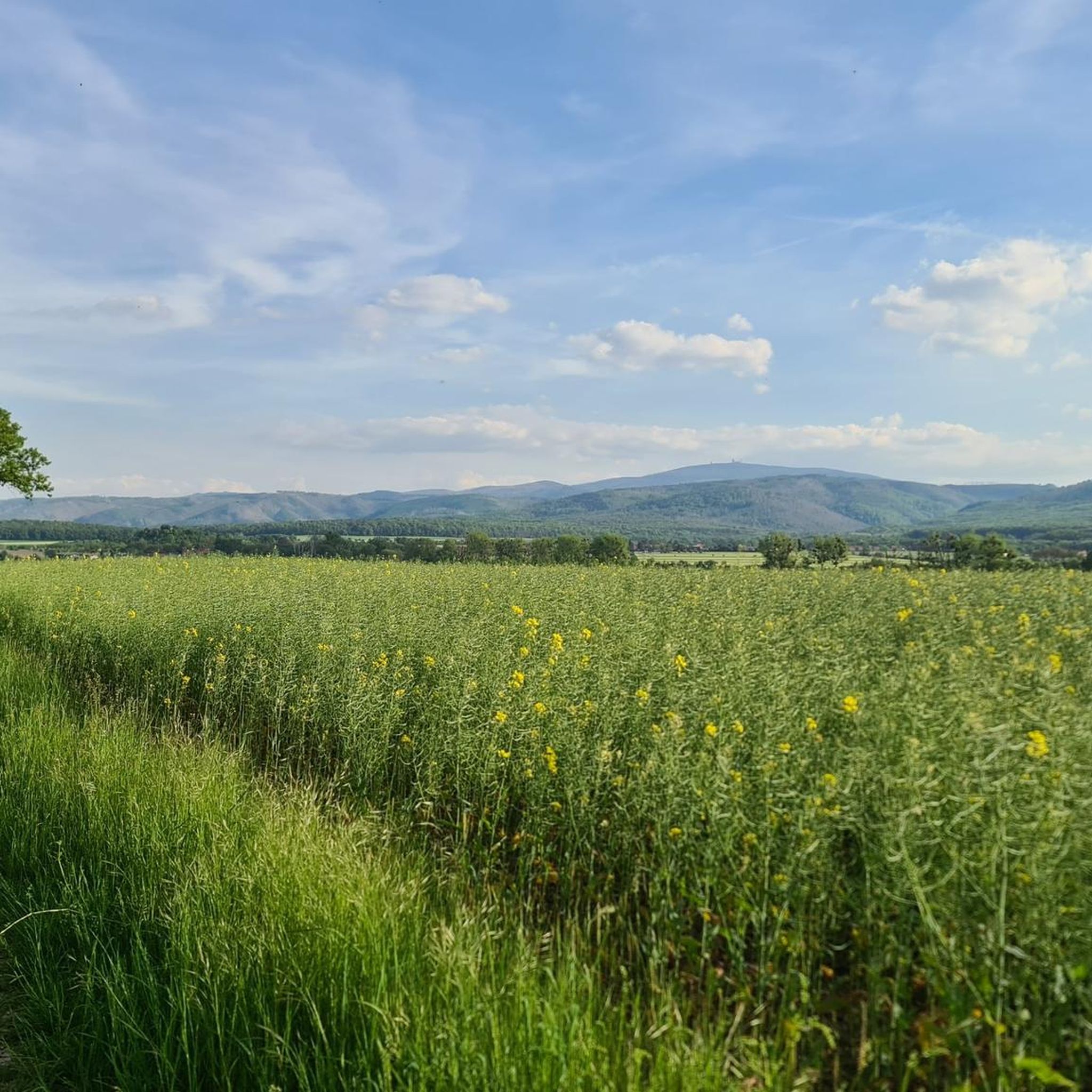
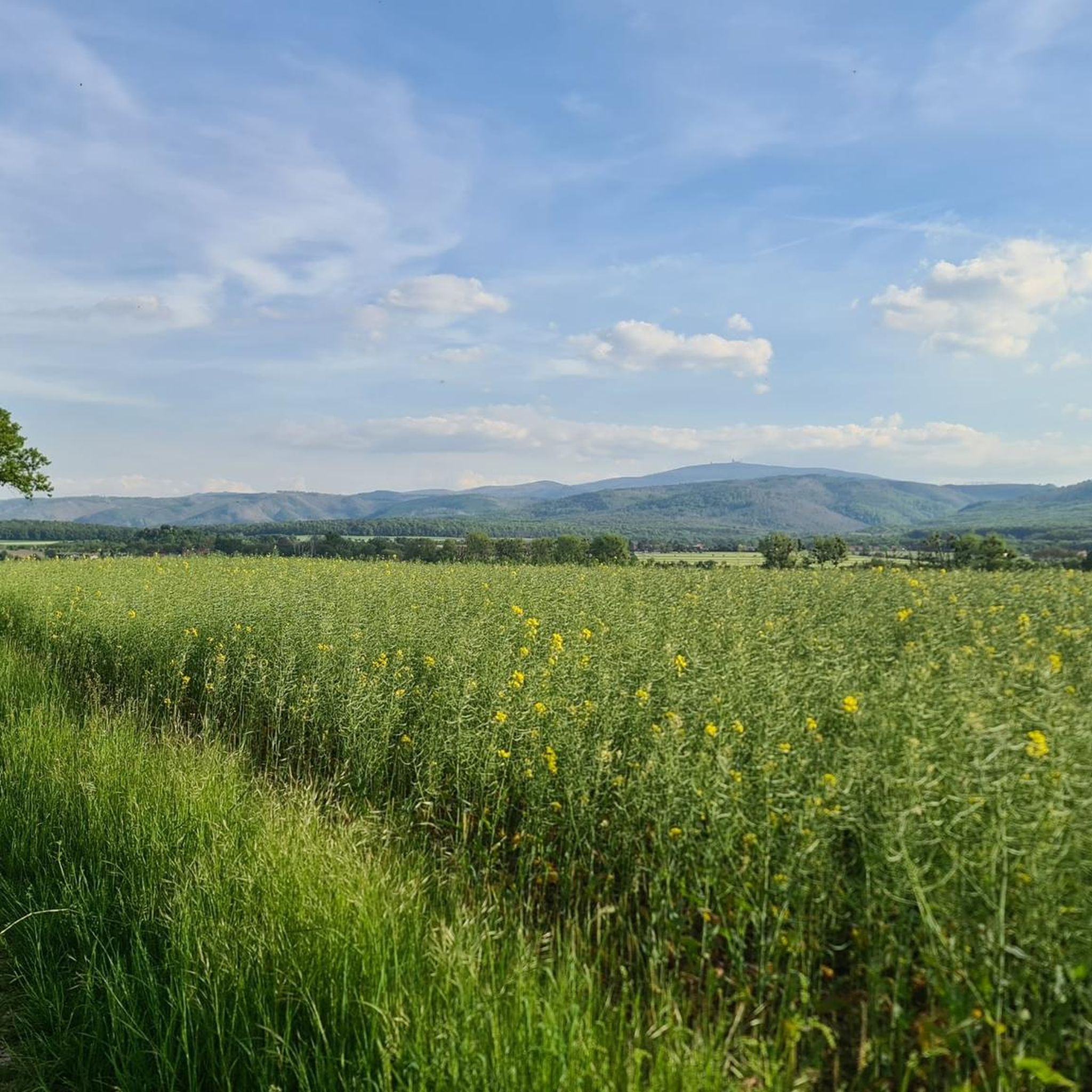
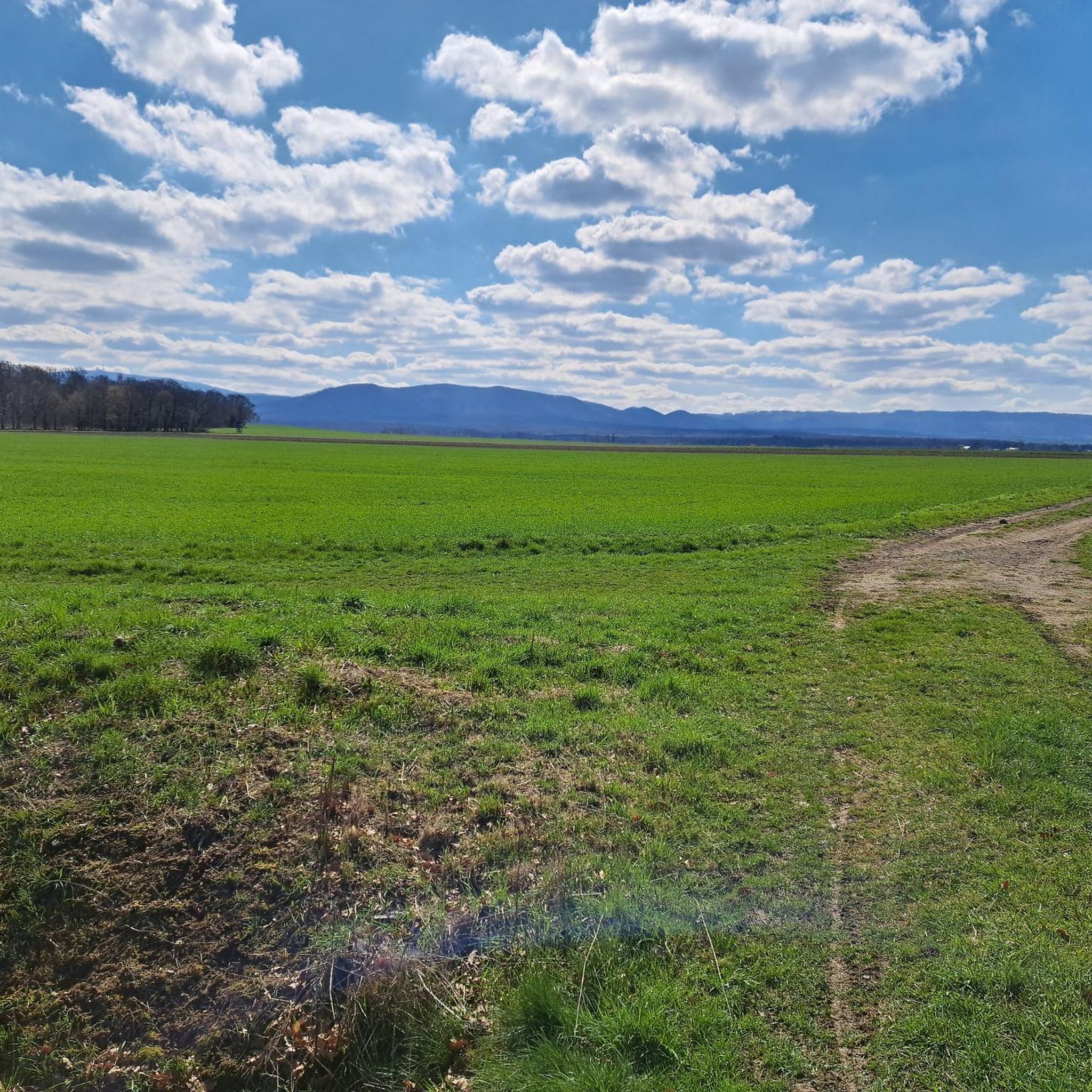
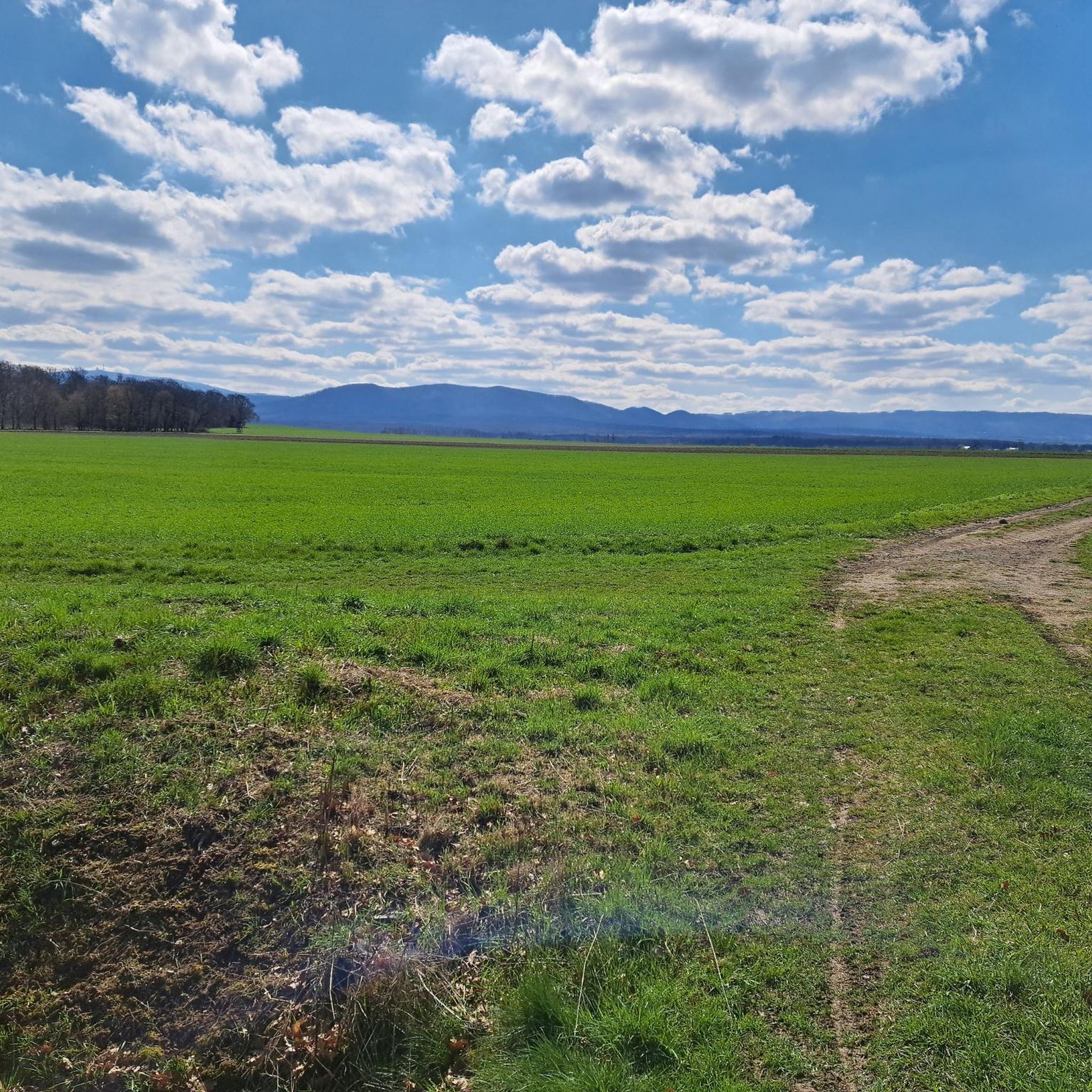
Hiking trails in Schauener Holz traverse a deciduous forest characterized by beech, birch, and oak trees, offering varied natural environments. The terrain includes both field paths, some with concrete tracks, and natural, rutted paths. Located north of the Harz Mountains, the area features a diverse landscape with historical significance, including connections to the former inner-German border. A large oak tree and field hedges are notable visual elements along some routes.
Best hiking trails in Schauener Holz
- The most popular hiking…
Last updated: October 9, 2026
4.6
(165)
524
hikers
16.4km
04:44
350m
350m
Moderate hike. Good fitness required. Mostly accessible paths. Sure-footedness required.
4.7
(23)
66
hikers
Hard hike. Very good fitness required. Mostly accessible paths. Sure-footedness required.

4.5
(4)
31
hikers
Easy hike. Great for any fitness level. Easily-accessible paths. Suitable for all skill levels.
5.0
(6)
22
hikers
Hard hike. Very good fitness required. Easily-accessible paths. Suitable for all skill levels.
5.0
(2)
10
hikers
11.6km
03:02
80m
80m
Moderate hike. Good fitness required. Easily-accessible paths. Suitable for all skill levels.
Get access to more routes and recommendations from other explorers.
Already have an account?
Our route recommendations are based on thousands of hikes, rides, and runs completed by other people on komoot.
Start today with a free account
Your next adventure awaits.
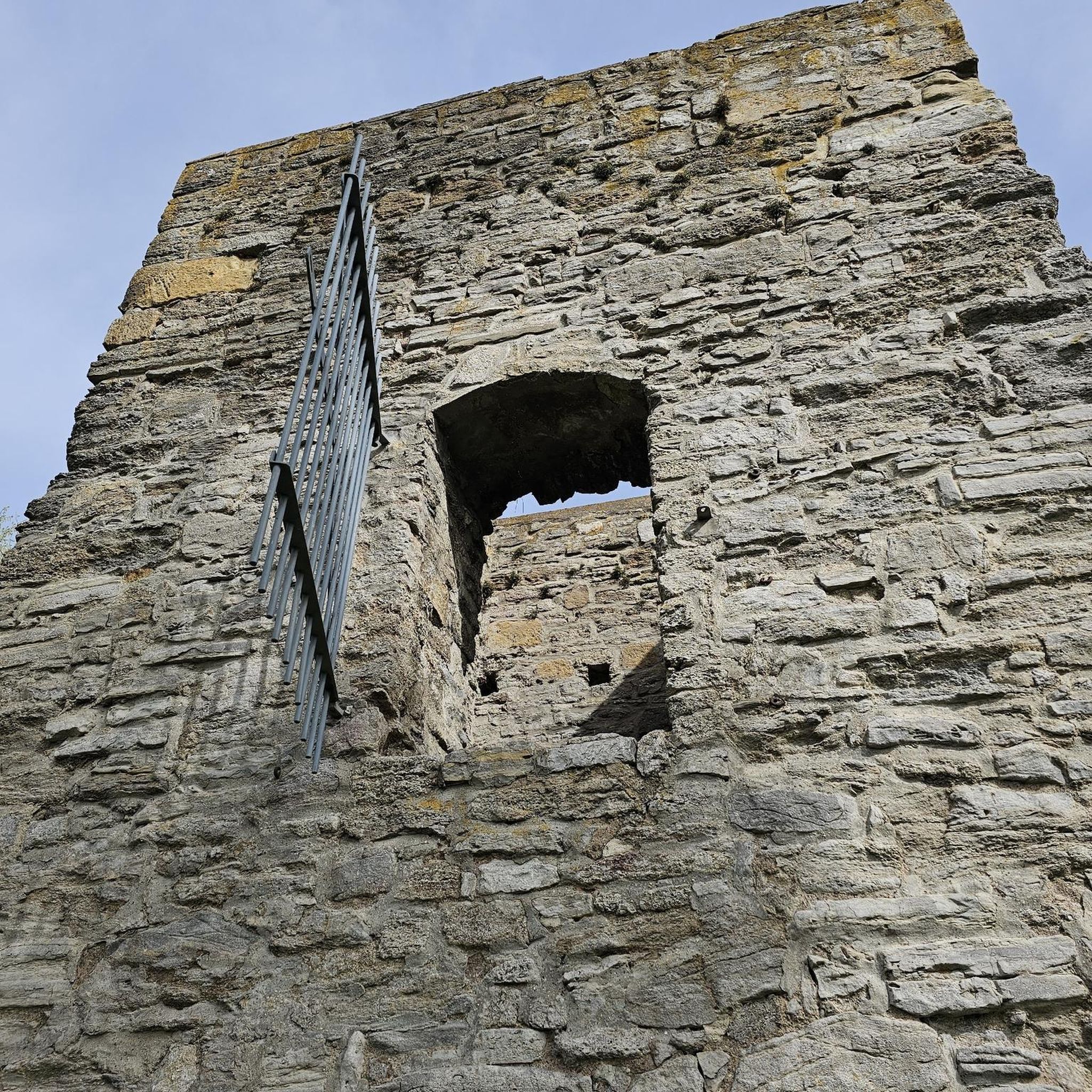
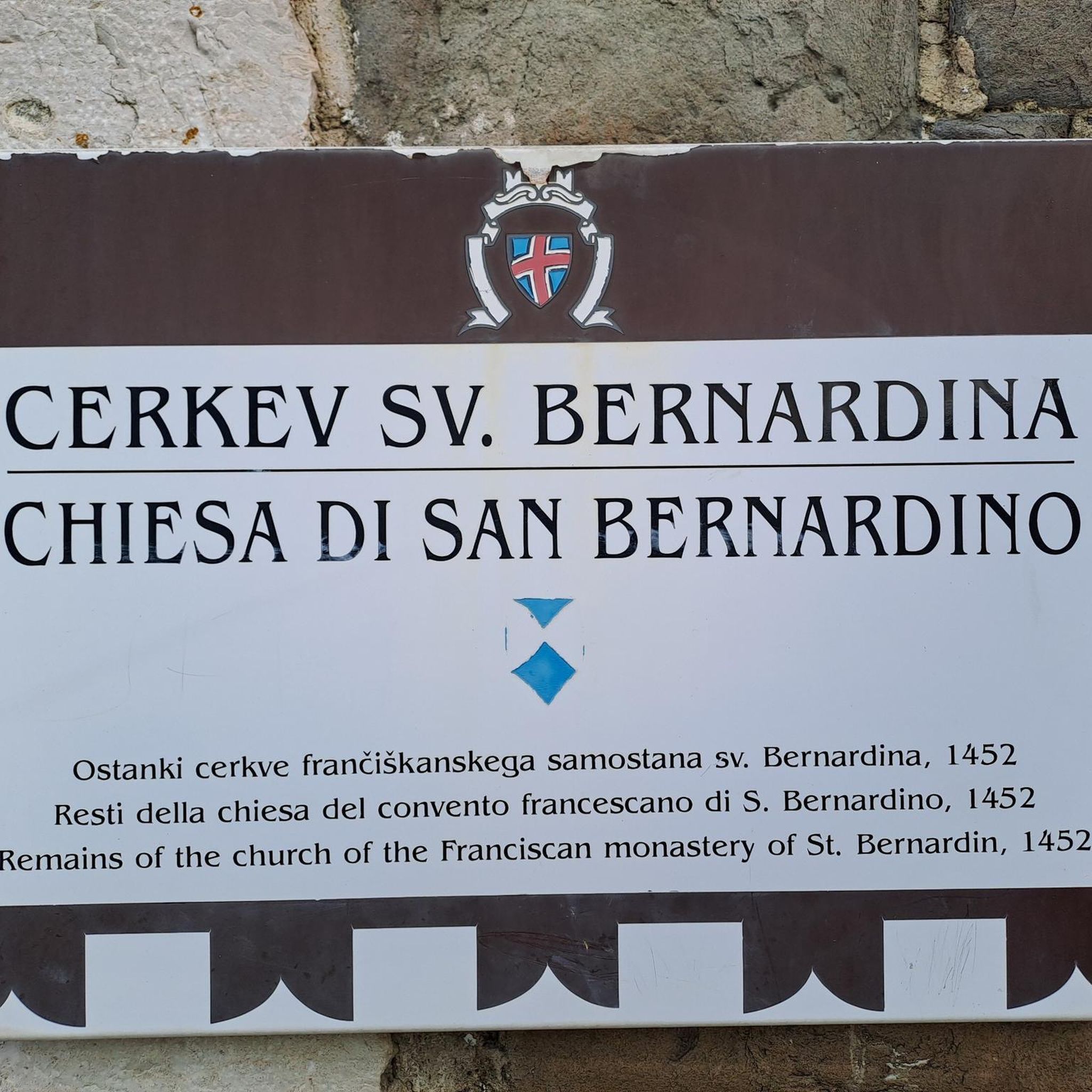
Tips from the Community

This wooden bridge is currently destroyed. Due to tree felling, the Zwieseltal is also closed.
0
0

➡️Here is the story of the Jungborn, brought to a concise point: Founding (1896): Founded by Adolf Just in Eckertal (Harz) as the birthplace of German life reform and natural healing. The Philosophy: Radical return to nature. The Program: Barefoot walking, healing earth therapy, strict raw food diet, as well as naked bathing in sun, air, and the cold river Ecker. The Celeb Hotspot: At the beginning of the 20th century, high society sought recreation here. Stars like Hans Albers, Marika Rökk, Viktor de Kowa, and Leo Slezak used the seclusion. Kafka's Breakthrough: In July 1912, writer Franz Kafka cured his writer's block here – shortly after his stay, he wrote masterpieces like „Das Urteil“ and „Die Verwandlung“. The End in the Cold War: After the Second World War, the area was located directly in the GDR restricted zone on the inner-German border. The sanatorium was closed, the huts were demolished by border troops. Today: An idyllic historical site. A support association has reconstructed original light-air huts and revived the area as a historic hiking destination in the Harz mountains.
0
0

A beautiful area in spring. Be very careful here: not every visible "path" is actually permitted for walking or cycling.
0
0


Old border path on the Ecker
0
0

A beautiful circular trail around the reservoir. The western path is very narrow and overgrown.
0
0

great place for a break towards Brocken
0
0

Beautiful hiking area along the Ecker
3
0
Frequently Asked Questions
How many hiking trails are available in Schauener Holz?
Schauener Holz offers a wide selection of hiking routes, with over 730 trails recorded on komoot. The majority of these, around 390, are classified as easy, making the area accessible for many hikers. There are also about 270 moderate trails and 70 more challenging options for those seeking a greater adventure.
What kind of terrain can I expect on hikes in Schauener Holz?
The terrain in Schauener Holz is varied, primarily characterized by a rich deciduous forest with beech, birch, and oak trees. You'll encounter a mix of field paths, some with concrete tracks, and more natural, rutted paths. The area's location north of the Harz Mountains contributes to a diverse landscape, though elevation changes are generally gentle on most routes.
Are there any family-friendly hiking routes in Schauener Holz?
Yes, Schauener Holz is well-suited for families, with many easy trails. For example, the Little Ecker Waterfall – Stream Under the Bridge loop from Stapelburg is an easy 2.7-mile (4.4 km) path that offers a pleasant walk near water features and through varied woodland, ideal for a family outing.
Can I bring my dog on the hiking trails in Schauener Holz?
Schauener Holz is generally dog-friendly, offering many trails suitable for walks with your canine companion. It's always recommended to keep dogs on a leash, especially in areas with wildlife or near other hikers, to ensure a safe and enjoyable experience for everyone.
What natural features or landmarks can I see while hiking?
While hiking in Schauener Holz, you'll primarily experience the beauty of its deciduous forest. Notable natural features include a large oak tree and field hedges that line some routes. The presence of wildlife, such as lynx, indicates a healthy ecosystem. The area's historical context, being near the former inner-German border, also adds an interpretive layer to your exploration.
Are there circular hiking routes available in Schauener Holz?
Yes, many routes in Schauener Holz are designed as loops, offering convenient circular walks. An example is the Sassberg – Abandoned Forester's House loop from Windelberode, a 4.2-mile (6.8 km) trail that takes you through the forest with gentle elevation changes, bringing you back to your starting point.
What is the best time of year to go hiking in Schauener Holz?
The deciduous forest of Schauener Holz offers appealing scenery throughout the seasons. Spring brings fresh greenery, summer provides cool shade, and autumn transforms the landscape with vibrant colors. Each season offers a unique experience, making it a great hiking destination year-round, depending on your preference for weather and foliage.
Is Schauener Holz a nature reserve or protected area?
Schauener Holz is a significant forest area known for its natural features. While it's not explicitly described as a nature reserve in the same way as the nearby Groß Schauener Seenkette, its healthy ecosystem and diverse deciduous woodland suggest a high natural value. Hikers should always respect the natural environment and any local regulations.
How do other hikers rate the trails in Schauener Holz?
The hiking trails in Schauener Holz are highly rated by the komoot community, with an impressive average score of 4.6 stars from over 21,400 reviews. Hikers often praise the varied natural environment, the peaceful deciduous forests, and the accessibility of routes for different ability levels.
Is there parking available for hikers in Schauener Holz?
While specific parking locations are not detailed for every trail, access points to Schauener Holz typically offer parking facilities. It's advisable to check the starting points of individual routes on komoot for more precise information on available parking near trailheads.
Are there any historical sites or cultural routes near Schauener Holz?
Yes, Schauener Holz has historical significance. It's located near the former inner-German border and has connections to historical events, including a battle around 479 AD and Charlemagne. Additionally, a road traversing the forest is part of both the "Straße der Romanik" (Romanesque Road) and the "Deutsche Fachwerkstraße" (German Half-timbered House Road), suggesting culturally significant sites in the vicinity that hikers might explore.
How does Schauener Holz compare to the Groß Schauener Seenkette?
While both are excellent for outdoor activities, Schauener Holz and the Groß Schauener Seenkette are distinct locations. Schauener Holz is primarily a deciduous forest area, offering varied woodland and field paths. The Groß Schauener Seenkette, despite the similar name, is a separate picturesque lake district and nature reserve known for its lakes, observation tower, and fishery. Each offers a unique natural experience.
Most popular routes in Schauener Holz

Get inspired with the komoot mobile app


Explore more
Browse the best Hikes in other regions.
