Top 20 Natural Monuments around Mudersbach
Best natural monuments around Mudersbach include geological formations and culturally significant sites. The region features a landscape shaped by ancient volcanic activity, evident in its basaltic structures. These natural features often hold historical importance, serving as ancient settlement or ritual sites. Mudersbach offers a variety of natural monuments for exploration.
Best natural monuments around Mudersbach
- The most popular natural monuments is Druid's Stone, a natural monument that is a bizarre basalt cone approximately 20 meters high. It offers a…
Last updated: April 28, 2026
Druid's Stone
Highlight • Natural Monument
Translated by Google •
Tip by

Forest restaurant at Hohenseelbachskopf
Highlight • Historical Site
Like the Druid Stone, this distinctive basaltic peak between 500 and 300 BC was probably a significant Celtic settlement …
Translated by Google •
Tip by

Sign up now to discover places like this
Get recommendations on the best single tracks, peaks, & plenty of other exciting outdoor places.
Sign up for free
Stations of the Cross to the Druidenstein
Highlight • Religious Site
Translated by Google •
Tip by

Gambach Pond
Highlight • Lake
Translated by Google •
Tip by

Kreuzeiche (Cross Oak) at the trail junction
Highlight • Natural Monument
Translated by Google •
Tip by

Sign up for free to discover even more natural monuments around Mudersbach.
Sign up for free
Already have an account?
Start today with a free account
Your next adventure awaits.
Login or Signup
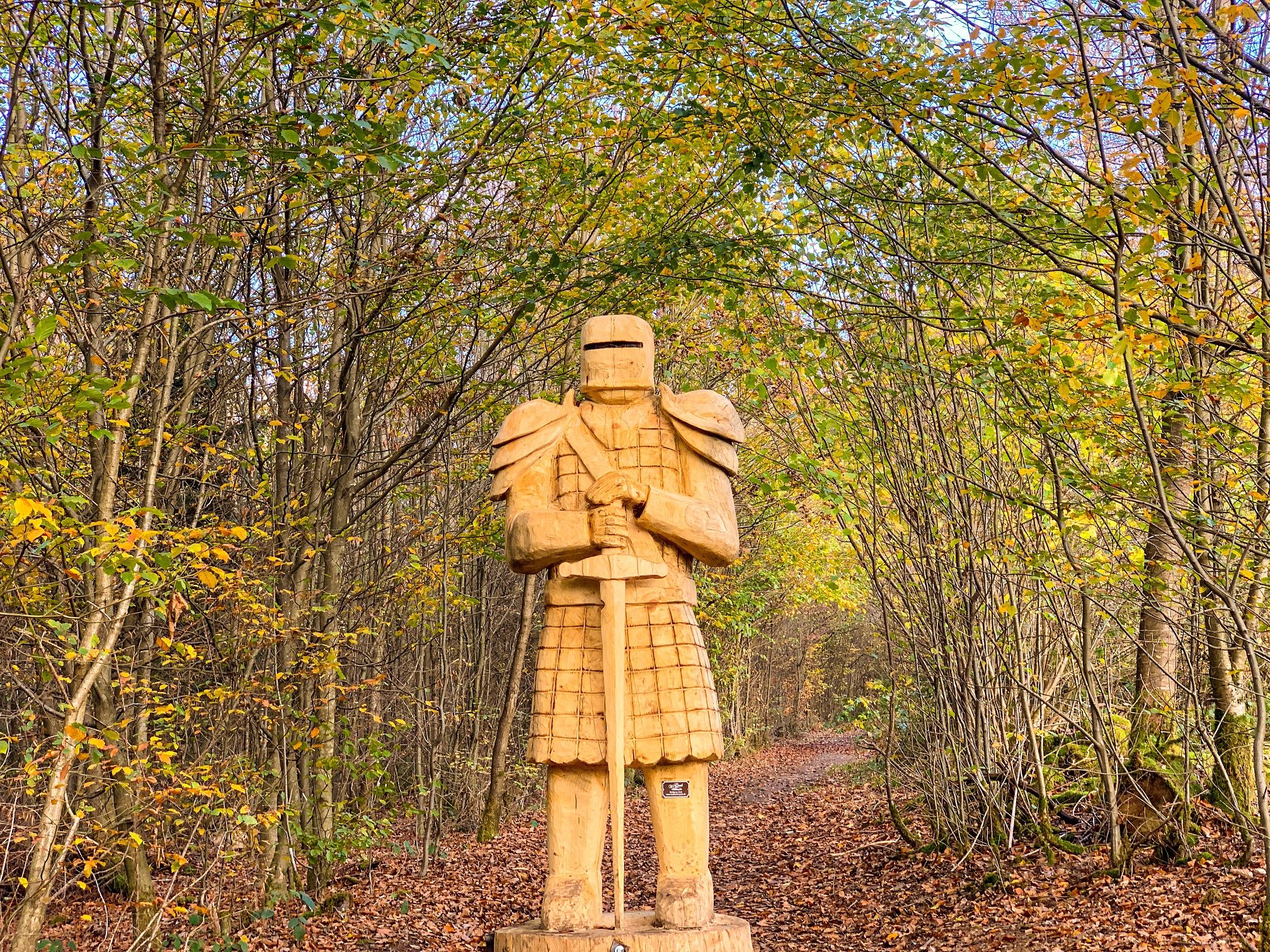
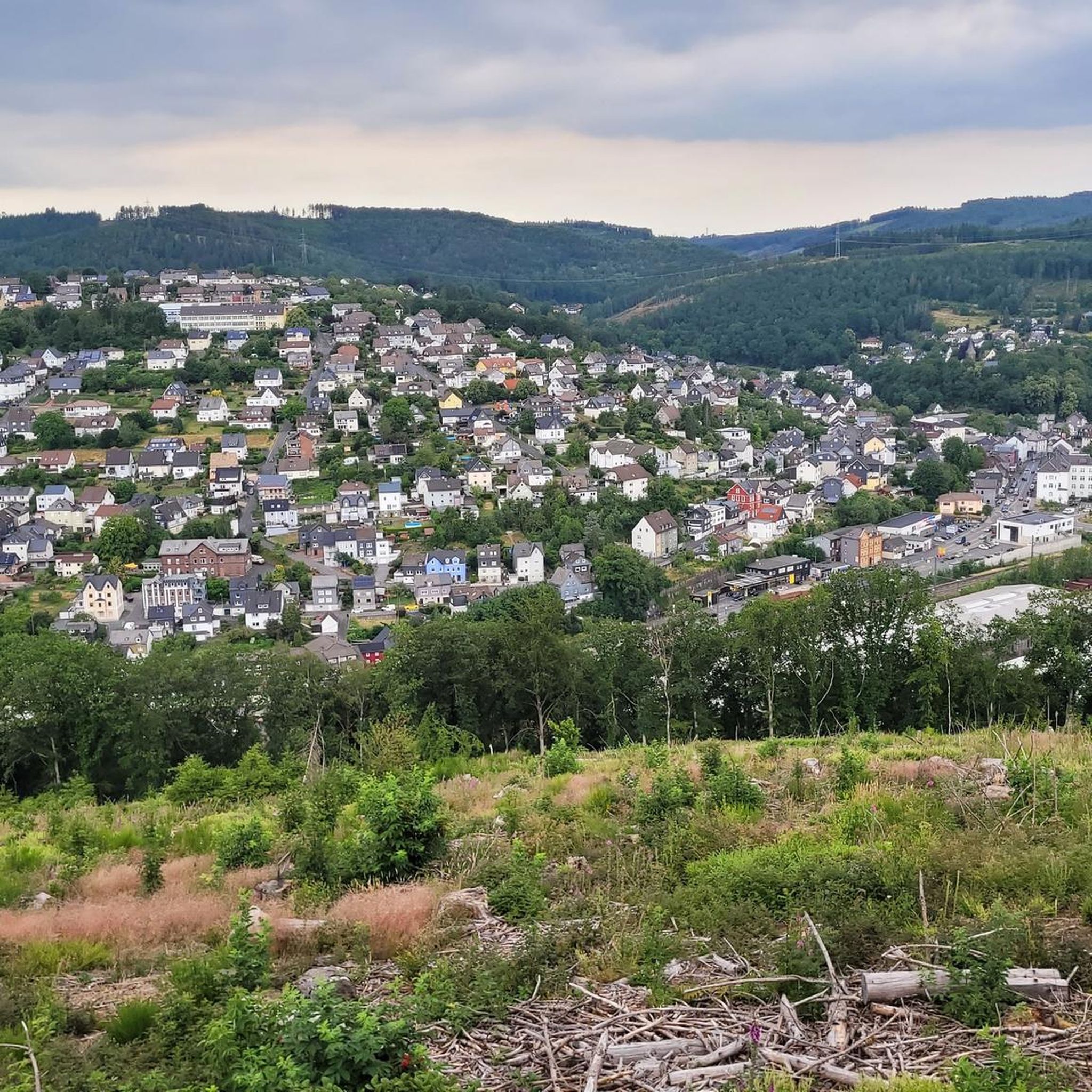
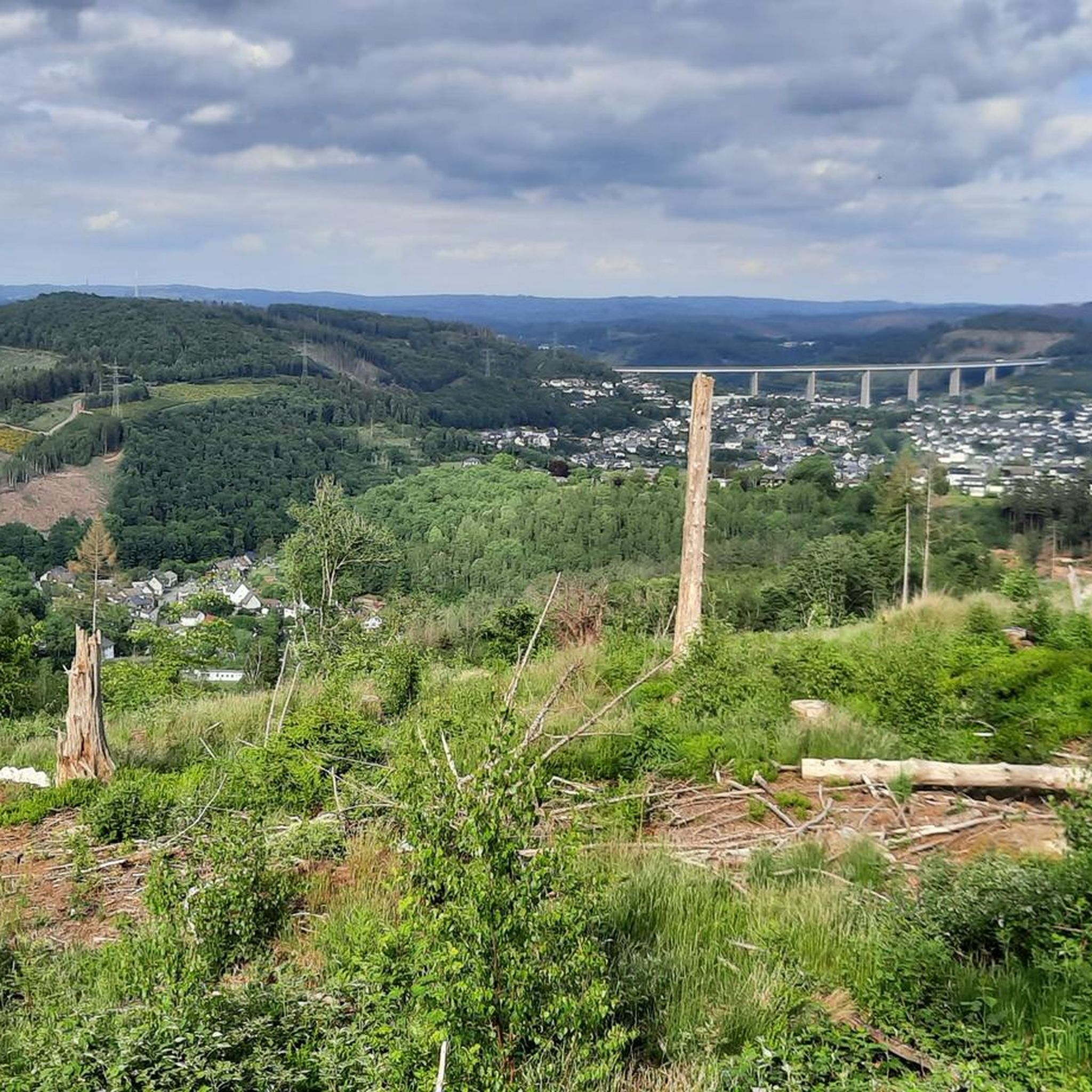
Other adventures around Mudersbach

Tips from the Community

There's delicious food there 🤩
4
0


A beautiful pond in town. In the past, the pond was used as a bathing establishment. A small part of the retaining wall of the former changing rooms can still be seen. A few decades ago, an outdoor pool was built a few meters away. The pond is now used as a fishing pond.
2
0
the good old oak tree looks pathetic today if you still know it from the past
4
0

Again, a duplicate of a highlight.
6
0

The "high plateau" between Eiserfeld, Neunkirchen and Mudersbach. The old cross mark marks the crossroads.
4
0

Although there is not much left of the Kreuzeichen, it is still a meeting place for hikers and cyclists
7
0
Frequently Asked Questions
What unique natural features can I explore around Mudersbach?
Mudersbach is known for its distinctive geological formations, particularly basalt structures. A prime example is the Druid's Stone, a striking 20-meter high basalt cone that offers a tangible connection to the region's ancient volcanic activity. You can also visit the Gambach Pond, a historical body of water that once powered local hammer mills and is now a peaceful spot for relaxation.
Are there any historical or cultural sites among the natural monuments?
Yes, several natural monuments around Mudersbach hold significant historical and cultural importance. The Druid's Stone is believed to have been a Celtic settlement and cult site. Similarly, the Forest restaurant at Hohenseelbachskopf stands on a site that originally featured a basalt summit, also thought to be a Celtic ritual location, with remains of basalt columns still visible. Additionally, the Mariengrotte, a Marian Grotto built into the rock face, showcases local craftsmanship and serves as a place of religious devotion.
What outdoor activities can I do near these natural monuments?
The natural monuments are often integrated into extensive trail networks. For instance, the Druid's Stone is a popular stop on the Druidensteig and Natursteig Sieg long-distance hiking trails. You can find numerous hiking routes around Mudersbach, including a moderate 10.3 km loop from Mudersbach that passes the Mariengrotte. For more options, explore the hiking guide for Mudersbach.
Are there family-friendly natural monuments or trails?
Many natural monuments and their surrounding trails are suitable for families. The Forest restaurant at Hohenseelbachskopf offers a pleasant forest restaurant with a beer garden and a network of trails, making it a good spot for a family outing. The Gambach Pond is also considered family-friendly, offering a relaxing environment. Look for trails marked as 'easy' or 'moderate' in the hiking guide for suitable options.
What is the best time of year to visit the natural monuments around Mudersbach?
The natural monuments around Mudersbach can be enjoyed throughout the year, with each season offering a different experience. Spring and autumn provide pleasant temperatures for hiking and vibrant foliage. Summer is ideal for longer excursions, while winter offers a serene, often snow-covered landscape, though some trails might be more challenging. Always check the local weather forecast before your visit.
How long should I plan for a visit to the natural monuments?
The duration of your visit depends on which natural monuments you wish to see and what activities you plan. A visit to a single site like the Druid's Stone might take an hour or two, especially if you include a break at the nearby kiosk. If you combine multiple sites with a hike, such as the 'Erzquell Adit – Mariengrotte Mudersbach loop' which is about 10 km, you could spend half a day or more exploring the area.
Are there any cafes or restaurants near the natural monuments?
Yes, there are options for refreshments. Near the Druid's Stone, visitors can find a small, rustic pub and a kiosk. The Forest restaurant at Hohenseelbachskopf also provides a pleasant setting with a beer garden, perfect for a break during your exploration.
What do visitors enjoy most about the natural monuments in Mudersbach?
Visitors frequently praise the impressive geological formations, particularly the Druid's Stone, for its unique basalt cone and the sense of awe it inspires. The historical significance of these sites, believed to be ancient Celtic cult locations, also adds a captivating layer to the experience. Many appreciate the well-maintained trails and the opportunity to combine natural beauty with hiking.
Is there parking available near the natural monuments?
While specific parking details for every monument are not provided, many popular natural monuments and trailheads in the Mudersbach area typically offer designated parking for hikers. For example, areas around the Forest restaurant at Hohenseelbachskopf and starting points for trails like the Druidensteig usually have parking facilities. It's advisable to check local signage upon arrival.
Can I reach the natural monuments using public transport?
Public transport access to specific natural monuments can vary. While Mudersbach itself is accessible, reaching some of the more remote natural sites might require a combination of public transport and walking. The Mariengrotte, for instance, is accessible via a path from the local cemetery. For detailed public transport information to specific trailheads, it's best to consult local transport schedules.
Are there any less-known natural monuments worth discovering?
Beyond the prominent sites, the region offers other points of interest. The Kreuzeiche (Cross Oak) at the trail junction, though much of the original oak is gone, still serves as a significant meeting point for hikers and cyclists, marking important trail connections. The Gambach Pond, while not as dramatic as the basalt formations, offers a tranquil setting with historical context.
What kind of wildlife can I expect to see around the natural monuments?
The forested and natural areas around Mudersbach are home to typical Central European wildlife. You might encounter various bird species, small mammals like squirrels and rabbits, and if you're lucky, deer. The ponds and streams also support aquatic life. Observing wildlife often requires patience and quiet movement, especially during dawn or dusk.
Most popular routes around Mudersbach
Most popular attractions around Mudersbach

Get inspired with the komoot mobile app


Explore more
Extend your search for the best caves by checking out these guides of the top ones around Mudersbach:
